
Lawn
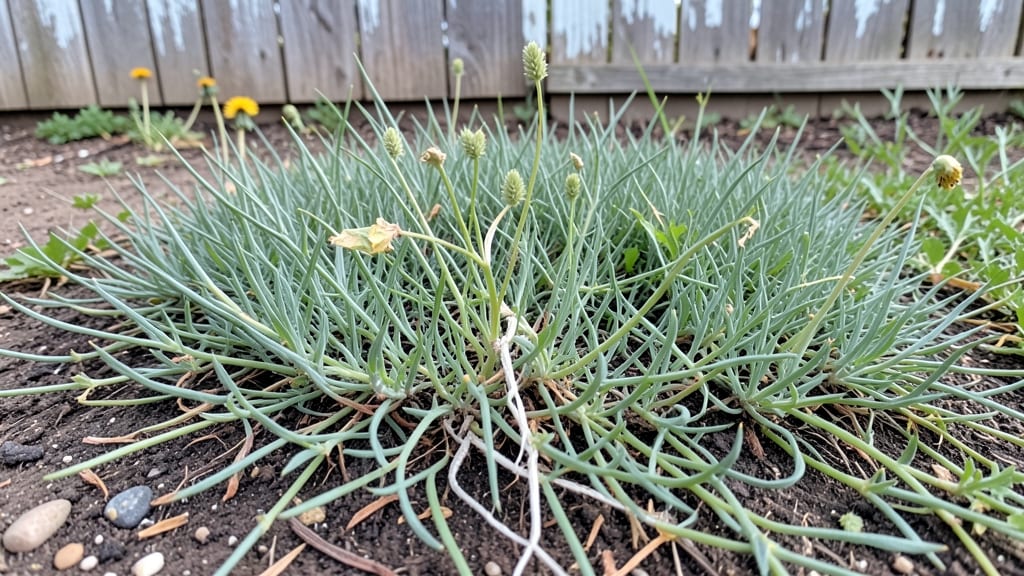
If you're dealing with a lawn that seems to take on a life of its own, these spreading grasses use stolons—those long, creeping stems—to send out new shoots at every node. 🌱 Unlike grasses that spread underground via rhizomes, stolon-based varieties like Bermuda and Zoysia create a dense mat above soil, which is why they're prized for durability but can also invade neighboring areas if left unchecked.
What sets them apart is their adaptability: they handle foot traffic better than many other types and recover quickly from damage, making them ideal for high-use areas.
However, this same resilience means you'll need a consistent maintenance routine—think sharp mower blades and strategic edging—to keep them in their place without resorting to harsh chemicals.
💡 In This Article
- How Grass Runners (Stolons) Spread and Thicken Lawns
- Best Ways to Manage and Control Runner Grass in Your Yard
How grass runners (stolons) spread and thicken lawns
The magic of stolon-based grasses lies in their above-ground growth habit. Unlike rhizomes that spread underground like hidden roots, stolons are long, horizontal stems that crawl across the soil surface, forming new plants at each node—the points where leaves and roots emerge.
Bermuda grass, for example, can produce stolons up to 18 inches long, each capable of rooting at multiple nodes, creating a dense carpet that chokes out weeds. This aggressive spread is why these grasses form such resilient lawns.
Here's what's actually happening at the cellular level: When a stolon touches the soil, it triggers a hormonal response that stimulates root growth at the node. The plant then diverts energy from its existing leaves to fuel these new roots, which can establish within 7-10 days under ideal conditions.
Zoysia grass takes this a step further by producing both stolons and rhizomes, creating a double-layered spread that makes it nearly impervious to erosion. The result is a lawn that repairs itself after damage far faster than non-spreading varieties.
This growth strategy gives stolon grasses a major ecological advantage. Their dense mat blocks sunlight from reaching weed seeds, while the extensive root system improves soil stability. Compare this to Kentucky bluegrass, which spreads via rhizomes underground—it creates a strong root network but leaves gaps between shoots.
Stolon grasses like St. Augustine form a continuous turf that's tough enough for golf course roughs but still soft enough for recreational use. The trade-off? Their aggressive spread requires more maintenance to prevent them from overtaking flower beds or neighboring properties.
What most people don't realize is how temperature affects stolon growth. Bermuda grass, for instance, goes dormant in cooler months but can still spread when daytime temperatures exceed 65°F.
This is why spring and fall are critical periods for control—new stolons are most vulnerable to mowing or herbicide treatment when they're actively growing but haven't yet established deep roots. The same principle applies to Zoysia, though it handles cooler temperatures better, making it suitable for transitional climate zones.
Consider these key factors when understanding their spread patterns:
- Growth rate: Bermuda can spread 6-12 inches per month under optimal conditions, while Zoysia grows more slowly at 3-6 inches per month
- Rooting depth: Stolons typically root at 1-2 inch intervals, creating a network that's both shallow and extensive
- Competitive advantage: The dense mat can raise soil temperatures by 5-10°F compared to bare soil, creating a microclimate that favors the grass
The science behind their dominance involves more than just physical spread. Stolon grasses also produce allelopathic chemicals that suppress competing plants. Bermuda grass, for example, releases compounds that inhibit seed germination of many common weeds.
This natural weed control is one reason why these grasses require less herbicide than non-spreading varieties—nature does some of the work for you. The downside? This same chemical warfare makes it harder to introduce new plants to your lawn once established.
Understanding this growth mechanism helps explain why stolon grasses form such thick lawns. Each stolon acts like a living extension cord, delivering water and nutrients from established plants to new growth points.
This interconnected system means that even if you damage one section, the surrounding stolons will quickly send out new shoots to fill the gaps.
It's this self-repair capability that makes them ideal for high-traffic areas but also explains why complete removal is so difficult—you're essentially trying to cut every single connection in a living network. 💫