
Lawn
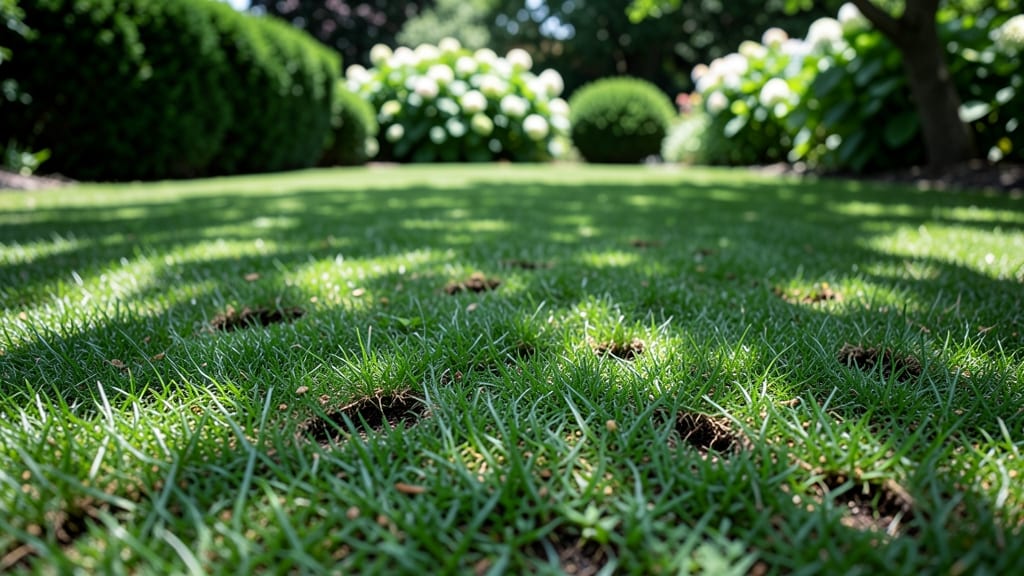
What causes small holes in your lawn aren’t just unsightly—they’re a sign something’s digging beneath the surface. 🌱 I’ve spent years tracking down these culprits, and the first step is telling moles from voles (they’re not the same, even if they both leave tunnels). The damage looks similar, but the solutions couldn’t be more different.
Moles create shallow, winding tunnels with surface mounds, while voles leave scattered, deeper holes with no mounds—just chewed roots and stems. Both disrupt grass growth, but moles are usually just passing through, while voles mean you’ve got a rodent buffet in your soil.
The key is checking for fresh activity: moles work daily, voles strike when food is scarce.
You’ll fix this by combining traps (for voles) or repellents (for moles) with grass repair. Over-seed bare patches, water deeply, and add compost to crowd out pests naturally. The goal isn’t just filling holes—it’s making your lawn less appealing than the neighbor’s. Within weeks, you’ll see new growth filling in.
This works for any grass type, from cool-season Kentucky bluegrass to warm-season Bermuda. The secret is consistency—check monthly for new holes, and adjust your approach as seasons change. Your lawn will thank you with thick, healthy coverage by summer.
Hidden Culprits Behind Lawn Holes
Those tiny, mysterious holes dotting your lawn aren’t just random—each one tells a story. Understanding the why behind them is the first step to fixing the problem. Below, we break down the most common causes, backed by science, so you can identify—and eliminate—the root of the issue.
Small holes (about the size of a dime or smaller) often signal insect activity. These critters burrow for food, shelter, or reproduction, leaving behind telltale signs:
- 🐞 Grubs (White Grubs):
- What they do: Larvae of beetles (like Japanese beetles or June bugs) feed on grass roots, creating shallow holes as they move through the soil.
- Why it happens: Grubs thrive in moist, well-aerated soil with organic matter. Overwatering or heavy thatch layers provide the perfect environment for their population boom.
- Actionable clue: Look for chewed grass blades near holes—grubs often cut roots, causing patches to pull up easily.
- 🪲 Ants (Harvester Ants):
- What they do: Ants create small, neat holes while foraging for seeds, insects, or moisture.
- Why it happens: Dry soil or compacted turf stresses grass, making it easier for ants to access nutrients. They’re also drawn to lawns with thin grass cover.
- Actionable clue: Holes near tiny mounds of soil or trails of tiny black ants are classic signs.
- 🪰 Mole Crickets:
- What they do: These winged crickets dig shallow, irregular tunnels, leaving behind small holes and damaged grass.
- Why it happens: They prefer sandy or loose soil and are attracted to warm, moist conditions—common in summer lawns.
- Actionable clue: Holes often appear in irregular clusters with no visible entry/exit points.
Holes with plugged entrances (tiny mounds of dirt) or burrow systems suggest rodent activity. These pests create damage in two ways:
- 🐭 Voles (Field Mice):
- What they do: Voles dig shallow tunnels (1–2 inches deep) to move between food sources and nesting sites.
- Why it happens: They’re attracted to dense, weedy lawns with thick ground cover (like clover or tall grass), which provides shelter and food.
- Actionable clue: Look for irregular holes with no tails (unlike molehills) and gnawed grass stems—voes love to snack on roots and bulbs.
- 🐭 Mice:
- What they do: Mice create small, scattered holes while digging escape routes or storing food.
- Why it happens: They seek shelter in compacted or uneven soil, especially near structures (like sheds or decks) where they can nest.
- Actionable clue: Holes often appear near droppings or shredded plant debris.
Not all holes are made by living creatures—sometimes, your lawn’s health is the culprit. These issues create weak spots that erode over time:
- 💧 Overwatering or Poor Drainage:
- Why it happens: Excess moisture softens soil, making it susceptible to erosion from foot traffic, rain, or wind. Poor drainage also leads to anaerobic conditions, weakening grass roots.
- Actionable clue: Holes appear in low-lying areas or after heavy rainfall, often with mushy, spongy turf.
- 🌡️ Extreme Heat or Drought:
- Why it happens: Drought-stressed grass loses root integrity, making it vulnerable to collapse when stepped on or watered. Heat also causes soil compaction, creating weak patches.
- Actionable clue: Holes form in brown, crispy patches with no visible pests.
- 🪓 Foot Traffic or Equipment Damage:
- Why it happens: Repeated pressure from walking, pets, or mowers compacts soil, creating tiny air pockets that collapse into holes.
- Actionable clue: Holes appear in high-traffic areas (like pathways) and worsen after dry spells.
Use this quick-reference table to narrow down the cause:
| Hole Size | Shape/Details | Likely Culprit | Additional Clues |
|---|---|---|---|
| Penny-sized or smaller | Neat, round, often with soil plugs | Ants, mole crickets, or grubs | Trails, chewed grass, or mounds nearby |
| Dime-sized to golf-ball sized | Irregular, plugged, or with tunnels | Voles or mice | Gnawed stems, droppings, or burrow systems |
| Varies (often clustered) | No plugs, shallow depressions | Soil erosion or compaction | Weak turf, spongy feel, or foot traffic patterns |
Fixing Lawn Holes for Good
Now that you’ve identified the culprit behind those pesky small holes in your lawn—whether it’s moles, voles, grubs, or something else—it’s time to take action! The good news? Most of these issues are manageable with the right approach.
Below, we’ve mapped out practical, step-by-step solutions for each common cause, plus prevention tips to keep your lawn looking lush and hole-free for good.
Moles are tunneling troublemakers, but you can outsmart them with these humane yet effective methods:
🔥 Step 1: Identify Active Tunnels
- Look for fresh mounds (less than 24 hours old) or raised ridges in the soil.
- Pro tip: 💡 Use a garden hose to spray water over the tunnels—if they collapse, they’re active and need attention.
🍳 Step 2: Choose Your Mole Repellent
| Method | How It Works | Best For |
|---|---|---|
| Castor Oil Granules | Non-toxic, foul-smelling granules repel moles naturally. | Organic gardens, pet-friendly yards. |
| Ultrasonic Repellents | Emits high-frequency sounds moles dislike. | Small to medium lawns. |
| Traps (Humane) | Tunnel traps (like the "choker" type) catch moles alive for relocation. | Serious infestations. |
| Spiking the Lawn | Hammering ½-inch spikes into tunnels disrupts mole paths. | Quick, temporary fix (reapply as needed). |
👨🍳 Step 3: Apply & Monitor
- For castor oil: Sprinkle granules around the lawn’s perimeter and near active tunnels.
Water lightly to activate. - For traps: Place them vertically in tunnels (not horizontally) and check daily. - Pro tip: 🌡️ Reapply repellents every 4–6 weeks or after rain, as moles adapt quickly.
✨ Prevention Tips
- Aerate your lawn annually to deter moles (they love soft, easy-to-dig soil).
- Plant mole-resistant ground covers like daffodils, marigolds, or ferns near high-risk areas.
- Keep grass trimmed—taller grass hides tunnels and attracts grubs (a mole’s favorite snack).
Voles chew through roots and create surface holes, but they’re easier to deter than moles:
🔪 Step 1: Remove Their Food & Shelter
- Clear debris (mulch, leaf piles, tall grass) where voles hide.
- Store firewood and compost bins away from your lawn.
🏗️ Step 2: Install Physical Barriers
- Hardware cloth (¼-inch mesh): Bury it 6 inches deep around garden beds and lawn edges.
- Tree guards: Wrap young trees with metal collars to protect trunks.
- Pro tip: 🎯 Check for runways (tiny vole highways along fences or foundations) and block them with rocks or metal flashing.
🌱 Step 3: Use Natural Deterrents
- Predator urine (fox or coyote) or hot pepper spray (mix cayenne pepper + water) can scare voles away.
- Plant vole-resistant plants like boxwood, juniper, or lavender.
⏰ Prevention Tips
- Mow regularly to reduce hiding spots.
- Seal gaps in sheds, decks, or patios where voles might nest.
- Avoid overwatering—voles love moist soil for tunneling.
Grubs (larvae of beetles) weaken grass roots, making it easy for moles and voles to dig. Kill them before they cause more damage:
🔥 Step 1: Test for Grubs
- Dig up a small patch of sod—if you see C-shaped white larvae, you’ve got grubs.
- Pro tip: 💡 Do this in early fall or spring for best results.
🍳 Step 2: Apply Grub Control
| Method | How It Works | Best For |
|---|---|---|
| Beneficial Nematodes | Microscopic worms that infect and kill grubs naturally. | Organic lawns. |
| Milky Spore Powder | Soil bacteria that targets Japanese beetle grubs. | Long-term prevention. |
| Chemical Granules | Fast-acting (e.g., imidacloprid or trichlorfon). | Severe infestations. |
👨🍳 Step 3: Overseed & Strengthen Grass
- Reseed bare spots with grub-resistant grass like tall fescue or Kentucky bluegrass.
- Water deeply but less often to encourage deep root growth (grubs hate competition!).
✨ Prevention Tips
- Aerate and top-dress with compost to improve soil health.
- Apply milky spore in early spring to prevent future outbreaks.
- Encourage birds and toads—they eat grubs!
If your holes are from disease, pet activity, or mechanical damage, try these:
🔧 For Pet Damage (Dog Urine or Paws)
- Rinse affected areas with water to neutralize urine burn.
- Top-dress with compost to restore soil health.
- Train pets to use a designated potty spot away from the lawn.
🍄 For Fungal Disease (e.g., Snow Mold)
- Remove infected patches and dispose of them.
- Improve drainage by aerating and leveling low spots.
- Apply fungicide (like propiconazole) if needed.
🪒 For Mechanical Damage (Aerator, Mower, or Foot Traffic)
- Reseed and fertilize to encourage regrowth.
- Use a lawn roller to press soil and seed for better contact.
- Limit foot traffic on newly seeded areas.
Final Pro Tip: 🌟 Combine prevention + treatment for the best results. For example, if moles are your issue, repel them while also treating grubs—this breaks their food source and makes your lawn less appealing.
With these solutions, your lawn will be back to smooth, hole-free perfection in no time! 🌿✨
Frequently asked questions
How can I tell if my lawn holes are from moles or voles?
Moles leave raised, winding tunnels with volcano-shaped mounds of dirt, while voles create irregular holes without mounds and often chew grass stems. Check for gnawed plants near holes—voes leave these signs, while moles rarely damage above-ground growth. Also, moles work year-round, but voles are most active in winter.
Will filling holes with soil fix the problem?
No, filling holes temporarily masks the issue but doesn’t solve it. The real fix depends on the cause—if pests are digging, they’ll just create new holes. Instead, identify the culprit first (grubs, ants, voles, etc.), treat the root problem, then overseed bare spots with grass seed and topsoil for lasting repair.
Are there natural ways to repel pests causing lawn holes?
Yes! For moles, try castor oil granules (non-toxic and foul-smelling to them). For voles, plant daffodils or marigolds (their scent repels rodents). Spread diatomaceous earth (food-grade) around holes to deter insects like grubs—just reapply after rain. These methods work best when combined with proper lawn maintenance.
How long does it take to see results after treating lawn holes?
Results vary by cause: Grub treatments show improvement in 2-4 weeks, while vole/mole repellents may take 4-6 weeks to fully deter pests. For mechanical damage (like foot traffic), overseeding with proper care can restore grass in 3-6 weeks. Consistency is key—check monthly for new activity and reapply treatments as needed.
Can I use the same solution for holes caused by pets?
Pet damage (like dog urine or paw holes) requires different fixes. For urine burn, rinse the area with water and apply compost or lime to neutralize soil. For paw holes, reseeding and fertilizing helps grass recover faster. Avoid pest repellents—these won’t help and could harm pets. Focus on lawn repair instead.