
Lawn
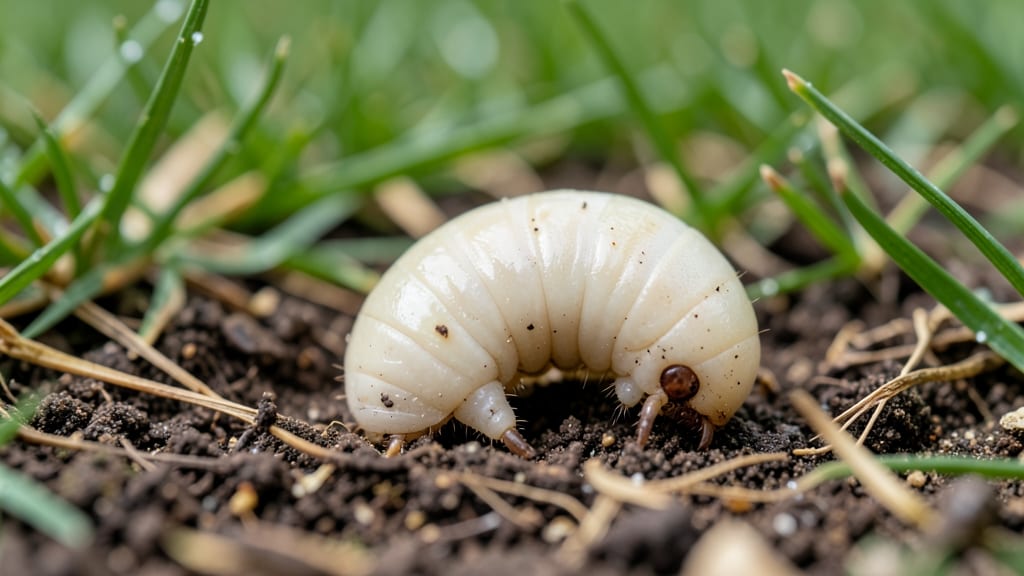
What causes grubs in lawn isn’t just random pest activity—it’s the result of a hidden lifecycle that turns your grass into a brown, patchy mess if left unchecked. 🌱 I’ve seen healthy lawns deteriorate overnight because of these C-shaped white grubs, which chew through roots beneath the surface. Japanese beetle grubs and other species thrive in moist, organic-rich soil, where they feast on roots until your lawn looks like a golf course rough in July. The real problem isn’t the grubs themselves—it’s how they get there. Adult beetles lay eggs in late summer, and within weeks, those eggs hatch into hungry larvae that burrow down. Too much thatch, overwatering, or even compost piles nearby create the perfect buffet. By the time you notice brown patches, the grubs are already 1-1.5 inches long and doing serious damage. Here’s the good news: you can stop them before they wreck your lawn. Start by checking for signs like moles tunneling or grass pulling up easily—those are red flags. Preventive treatments in early summer, like milky spore or beneficial nematodes, can cut infestations by 90% without harsh chemicals. This isn’t just about fixing damage—it’s about protecting your lawn’s roots before the next generation of grubs even arrives. Let’s get to the solutions that actually work.
The Hidden Triggers Behind Grubs
Grubs in your lawn aren’t just a random nuisance—they’re the result of specific conditions that turn your yard into their perfect buffet. Understanding these triggers is the first step to stopping them before they wreak havoc.
Let’s break down the science behind why these pests invade your grass in the first place.
Grubs start as eggs laid by adult beetles, primarily Japanese beetles (Popillia japonica), June bugs (Phyllophaga spp.), and European chafer (Amphimallon majale). These beetles are attracted to your lawn for one reason: food and shelter.
- Beetle Behavior: Adult beetles emerge in late spring or early summer, drawn to lawns with lush, healthy grass (their preferred food source) and shady, moist areas (which offer protection from predators). - Peak Activity: They’re most active during warm evenings (70–85°F) and lay eggs in the top 1–2 inches of soil, where moisture and organic matter are abundant. - Timing Matters: Eggs hatch in 7–14 days, releasing grubs that immediately begin feasting on grass roots.
If you’ve noticed sudden brown patches in July or August, beetles were likely hard at work a few weeks prior.
💡 Pro Tip: If your lawn is thriving and beetles are nearby, mow high (3–4 inches) to deter them—taller grass is less appealing to their feeding habits.
Grubs thrive in soil conditions that mimic their natural habitat—moist, soft, and nutrient-rich. If your lawn has these traits, you’re essentially rolling out the red carpet for them.
- Excess Moisture: Grubs cannot survive in dry soil. Overwatering (or poor drainage) keeps the topsoil damp, creating an ideal environment for eggs to hatch and grubs to grow.
Even light, frequent watering (like daily sprinklers) can trigger outbreaks. - Compacted Soil: Heavy foot traffic, construction, or clay-heavy soil compresses the ground, making it easier for beetles to lay eggs and for grubs to tunnel deeper.
Compacted areas also retain moisture longer, extending grub activity. - Organic Debris: Leaves, mulch, or thatch layers provide food and shelter for beetles. A thick layer of organic matter (especially in shady spots) signals to beetles: “This is a great place to lay eggs!”
🌡️ Watch For: If your lawn feels squishy underfoot or has standing water after rain, grubs are likely enjoying the party.
A lawn with thatch buildup or weak grass is like an all-you-can-eat restaurant for grubs. Here’s why:
- Thatch Layers: Thatch (a layer of dead grass, roots, and debris) insulates soil, keeping it moist and warm—perfect for egg development. A thatch layer over ½ inch thick is a red flag. - Weak or Stressed Grass: Grubs prefer young, tender grass roots over mature ones.
If your lawn is struggling due to: - Poor soil (low nitrogen or organic matter) - Disease or fungus (e.g., brown patch) - Recent installation (new sod or seed) …grubs will move in faster because the grass can’t defend itself.
✨ Natural Defense: Aerate your lawn in early fall to reduce thatch and improve root strength before beetle season peaks.
Grubs follow a predictable lifecycle tied to temperature and season. Understanding these patterns helps you anticipate and prevent outbreaks.
| Season | Grub Activity | Your Action |
|---|---|---|
| Late Spring | Beetles emerge (May–June) | Monitor for adult beetles; treat if seen. |
| Summer | Eggs hatch (June–July) | Check soil moisture; avoid overwatering. |
| Fall | Grubs mature (August–October) | Apply preventative treatments (nematodes, milky spore). |
| Winter | Grubs pupate (November–April) | Focus on soil health for spring resilience. |
🔥 Critical Window: June–July is when eggs hatch—if you see skunks or raccoons digging up your lawn, grubs are already feasting.
In a healthy ecosystem, grubs face natural enemies that keep their populations in check. But if these predators are missing, grubs multiply unchecked.
- Missing Predators: Birds (like robins and starlings), moles, toads, and beneficial nematodes (Heterorhabditis bacteriophora) feed on grubs.
If your lawn lacks: - Bird activity (fewer birds = fewer grub meals) - Diverse soil life (poor soil health = fewer nematodes) - Water sources (like shallow birdbaths) for predators …grubs will boom in numbers.
🎯 Solution: Encourage predators by:
- Planting native grasses (grubs prefer monocultures like Kentucky bluegrass).
- Adding bird-friendly plants (e.g., sunflowers, berry bushes).
- Using beneficial nematodes as a natural control.
Fixing Grub Damage Fast
Grubs wreaking havoc on your lawn? Don’t panic—these solutions tackle the problem head-on, whether you’re dealing with Japanese beetle grubs, masked chafer grubs, or other culprits. Below, we map the cause to the fix, plus pro tips to keep your grass thriving long-term.
Before diving into treatments, verify you’re dealing with grubs (not drought, disease, or other pests). Try this quick test: 1. Dig up a small patch of lawn (about 6 inches deep).
- Look for white, C-shaped larvae (grubs) or adult beetles.
- Check for signs: Spongy turf, brown patches that pull up easily, or birds/gophers digging.
💡 Pro Tip: If grubs are present, act fast—one grub per square foot can mean major damage in weeks!
👨🍳 Overwatered or compacted soil → aerate & improve drainage
Cause: Grubs thrive in soggy, compacted soil where roots struggle. Fix:
- Aerate your lawn (rent a core aerator or hire a pro) to loosen soil and improve oxygen flow.
- Top-dress with compost (¼ inch layer) to encourage healthy roots and deter grubs naturally.
- Adjust watering: Water deeply 2–3 times per week (early morning) instead of daily light sprinkles.
🌡️ Pro Tip: Overwatering = grub buffet. Let the top inch of soil dry between waterings.
🥘 Japanese beetle or chafer beetle infestation → targeted grub control
Cause: Adult beetles lay eggs in summer, hatching into grubs that feast on roots. Fix: - Milky spore powder (organic, long-term): Apply in late summer/early fall to kill grubs naturally.
Takes 2–3 years to fully establish but lasts decades. - Beneficial nematodes (Heterorhabditis bacteriophora): Water in microscopic worms that attack grubs.
Best applied in late summer when grubs are young. - Chemical options (if organic fails): - Imidacloprid granules (systemic): Water in after applying. - Chlorantraniliprole (e.g., Scotts GrubEx): Fast-acting but use sparingly.
⏰ Timing Matters: Treat June–August (egg-laying season) or September–October (grub feeding peak).
🔪 Masked chafer or june bug grubs → physical removal + prevention
Cause: These grubs tunnel deeper (up to 8 inches) and are harder to spot. Fix:
- Handpick grubs: After watering, roll up sod sections and remove grubs by hand (best for small lawns).
- Birds are free help! Attract robins or skunks—they love eating grubs.
Leave some areas slightly uneven for nesting. - Prevent future infestations: - Mow high (3–4 inches) to shade soil and discourage beetles. - Apply diatomaceous earth (food-grade) around the lawn edge to deter beetles from laying eggs.
🎯 Pro Tip: Mix 1 part cornmeal + 3 parts sand and sprinkle lightly—grubs can’t digest it and starve.
✨ Poor lawn health → strengthen grass to outcompete grubs
Cause: Weak grass = easy grub snacks.
Thin turf invites more pests. Fix: - Reseed bare spots with grub-resistant grasses like tall fescue or Kentucky bluegrass. - Fertilize lightly (high-nitrogen can attract beetles, but slow-release organic like compost tea helps). - Encourage predators: - Toads, ground beetles, and parasitic wasps eat grubs.
Avoid pesticides that harm them!
💡 Quick Fix: Spread used coffee grounds (dried) around the lawn—the caffeine deters grubs.
| Action | How It Helps | When to Do It |
|---|---|---|
| Aerate + overseed | Reduces soil compaction, grubs hate healthy roots | Early fall |
| Milky spore treatment | Kills grubs naturally over time | Late summer |
| Mow high | Shades soil, makes it harder for beetles to lay eggs | All season |
| Reduce irrigation | Dries out soil slightly, grubs dislike it | Adjust as needed |
| Plant grub-resistant grass | Some varieties (like perennial ryegrass) repel pests | Spring/fall planting |
Final Thought: Grubs are manageable—prevention is your best weapon. Start with aeration + milky spore, then monitor. If you catch an infestation early, your lawn can bounce back without harsh chemicals! 🌱
Frequently asked questions
How do I know if my lawn has grubs instead of another problem?
Look for these telltale signs: spongy turf that pulls up easily (like a carpet), skunks or raccoons digging in your yard, or birds pecking at the soil. Dig up a small patch—if you see white, C-shaped larvae (grubs) or adult beetles, that confirms the issue. Unlike drought damage, grub damage often appears in random patches rather than uniformly drying out.
Why do grubs seem worse in some years than others?
Grub populations explode during warm, wet summers because moist soil keeps eggs from drying out. If you had above-average rainfall in June–July or mild winters (which don’t kill off grubs), expect more damage. Adult beetles also travel farther in drought years, spreading eggs across larger areas.
Can I use vinegar or household items to kill grubs naturally?
Vinegar won’t kill grubs—it’s too weak to penetrate the soil. However, dried coffee grounds (sprinkled lightly) or cornmeal mixed with sand can deter them by disrupting their digestive systems. For better results, use beneficial nematodes or milky spore powder, which target grubs directly without harming your lawn.
How long does it take for grub treatments to work?
Most organic treatments like milky spore take 2–3 years to fully establish but provide long-term control. Beneficial nematodes work within 48–72 hours of application, while chemical granules like imidacloprid show results in 1–2 weeks. The key is timing—apply treatments in late summer when grubs are young and vulnerable.
Will aerating my lawn prevent grubs from coming back?
Aerating helps reduce soil compaction and improves drainage, making your lawn less attractive to beetles. However, it’s not a standalone grub solution. Combine aeration with milky spore or beneficial nematodes for the best results. Aerate in early fall to prepare your lawn for the next beetle season.