
Lawn
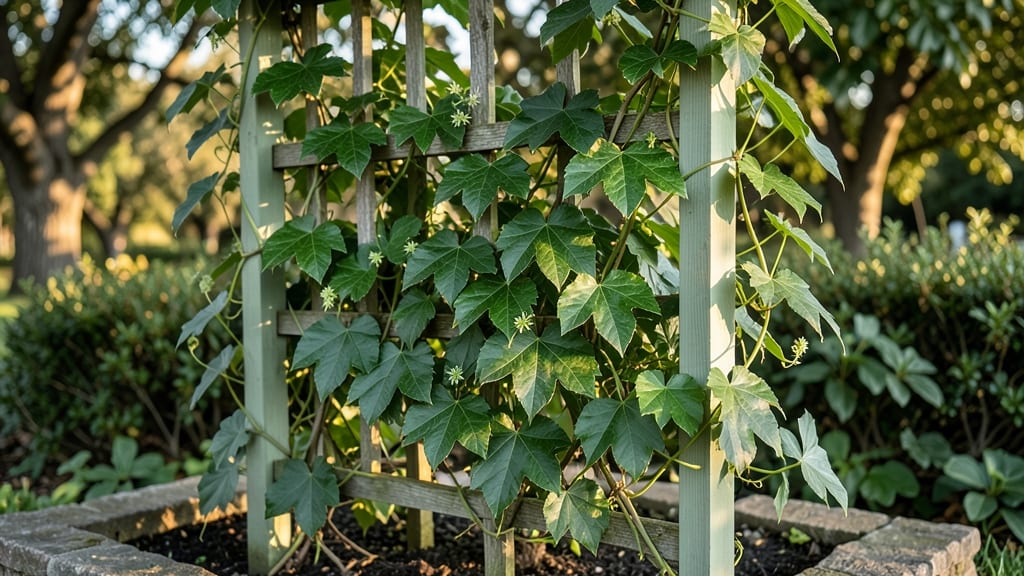
Dealing with Virginia creeper 🌿 spreading aggressively across your lawn can turn a peaceful yard into a battleground for your grass roots.
Waking up to find your once-pristine lawn overtaken by this relentless vine is frustrating—it doesn’t just look messy, it’s stealing nutrients and space from your grass. The good news? You can take it back without resorting to harsh chemicals or backbreaking labor.
This guide will walk you through the most effective ways to remove Virginia creeper, from manual pulling to targeted herbicides, while keeping your lawn healthy. We’ll also cover long-term strategies to prevent it from creeping back.
Whether you’re dealing with a small patch or a full-blown invasion, you’ll discover simple, sustainable methods that protect your grass and your sanity. Let’s get started!
Why Virginia creeper thrives in lawns and how to identify it early
Virginia creeper (Parthenocissus quinquefolia) may look harmless with its vibrant red fall foliage, but this vine is a lawn's worst nightmare. Its rapid growth and aggressive root system smother grass, creating bare patches that look like drought damage.
The real kicker? It spreads 3x faster than most ground covers, thanks to its aerial rootlets that latch onto surfaces like a living net.
This vine thrives in lawns because it mimics grass in two critical ways: it loves full sun to partial shade and tolerates moderate moisture—the same conditions your lawn enjoys.
Unlike clover or creeping Charlie, Virginia creeper doesn't just spread via runners; it sends out underground rhizomes that can lie dormant for years, waiting for the perfect moment to resurface.
Identifying it early is key to stopping its spread before it becomes a full-blown infestation. Look for five leaflets arranged like a hand (palmate), with serrated edges that turn fiery red in fall.
The stems are another dead giveaway—they're woody and brown when mature, unlike the green, flexible stems of ivy or morning glory.
The biggest red flag? Clusters of leaves appearing in random patches where grass used to be. These aren't isolated plants—they're part of a connected network. One vine can produce thousands of seeds annually, and birds happily spread them across your yard.
Even a single plant left unchecked can turn your lawn into a tangled mess within 2-3 years.
Here's the comparison you need to spot Virginia creeper before it takes over:
| Feature | Virginia Creeper | Poison Ivy | Ivy (English) | Clover |
|---|---|---|---|---|
| Leaf Shape | 5 leaflets (palmate), toothed edges | 3 leaflets (rarely 5), smooth edges | 3-5 lobed, waxy texture | 3 leaflets, round shape |
| Stem Texture | Woody/brown when mature, hairy when young | Smooth green, hairless | Green, flexible, suckers | Green stems, no suckers |
| Growth Habit | Aerial rootlets, rhizomes, fast climber | Trailing/vining, non-invasive | Low-growing, no climbing | |
| Fall Color | Bright red (unmistakable) | Yellow/green | Green/yellow | |
| Key ID Tip | "Hand-shaped" leaves + woody stems = Virginia creeper | "Berries in clusters" | "Waxy leaves, no berries" | "White/red flowers, no vines" |
The secret to Virginia creeper's lawn domination lies in its dual root system. While the aerial roots grab onto grass blades and fences, the underground rhizomes create a hidden network that can regrow from just a 1-inch root fragment.
This is why spot-treating leaves won't work—you need to target the roots. The vine also produces tiny blue berries that birds adore, ensuring new plants pop up everywhere.
Early identification means checking your lawn for unusual leaf clusters in spring, when Virginia creeper sends up new shoots. Pay attention to areas near trees, fences, or garden edges—these are prime invasion points.
The vine's leaves emerge reddish-purple before turning green, giving you a 2-week head start before it blends in with your grass.
Don't wait for the telltale red fall foliage to act—by then, the damage is done. The vine's rapid growth means it can double in size during a single growing season.
If you catch it when the leaves are still small (3-4 inches wide), you can pull it by hand without disturbing the grass roots. Pro tip: Wear gloves—the sap can irritate skin, and the vines are surprisingly tough.
Remember, Virginia creeper isn't just an eyesore—it's a nutrient thief. Its dense foliage blocks sunlight from reaching your grass, while its roots compete for water and minerals. Left unchecked, it can reduce your lawn's health by up to 40% in just one season.
The good news? With early action, you can reclaim your yard before the vine turns your grass into a jungle of green.
Step-by-step removal methods that protect your grass roots
Removing Virginia creeper from your lawn requires patience and precision to avoid damaging your grass roots. This aggressive vine spreads through rhizomes and aerial stems, so partial removal often leads to regrowth.
The key is targeting the root system while preserving your lawn’s health. Start by choosing the right method based on your lawn’s size and the severity of the infestation.
For small patches, manual removal is the safest option. For larger areas, consider smothering techniques or targeted herbicides. Always prioritize early spring or fall removal when the vine is actively growing but before it sets seed. Protect kids and pets by wearing gloves and avoiding chemical sprays on windy days.
🌿 Step-by-Step Virginia Creeper Removal
-
Step 1: Prepare Your Tools
Gather gardening gloves, a sharp shovel, pruning shears, and a trash bag. For herbicide methods, have vinegar (20-30% acetic acid) or a glyphosate-based herbicide ready. -
Step 2: Manual Pulling Method
Dig around the base of the vine to expose rhizomes. Pull upward with a firm grip, ensuring you remove at least 6 inches of root. Discard clippings immediately in sealed bags to prevent regrowth. -
Step 3: Smothering Technique
Cover the infested area with cardboard or thick mulch (4-6 inches). Secure edges with landscape fabric and leave for 4-6 weeks to block sunlight. This starves the roots naturally. -
Step 4: Vinegar Herbicide Application
Mix 1 gallon of vinegar with 1 cup dish soap and 1/4 cup salt. Spray directly on leaves and stems on a dry, sunny day. Reapply every 3-5 days until the vine dies back. -
Step 5: Post-Removal Lawn Care
Rake the area to remove debris, then reseeds or sod with grass varieties like fescue or ryegrass, which outcompete weeds. Water deeply 2-3 times per week for the first month.
After removal, monitor your lawn for new shoots for at least 6 months. If Virginia creeper persists, consider installing a root barrier or replacing the lawn with native ground covers like clover or creeping thyme, which naturally suppress weeds.
For chemical herbicides, always follow label instructions and avoid spraying near desirable plants or water sources. Store chemicals securely and keep them out of reach of children and pets. If your lawn is heavily infested, repeat treatments may be necessary.
With persistence, your lawn can fully recover. The key is consistency—whether you choose manual, smothering, or chemical methods. Start small, protect your grass roots, and soon you’ll have a lush, Virginia creeper-free lawn again. 🌱