
Lawn
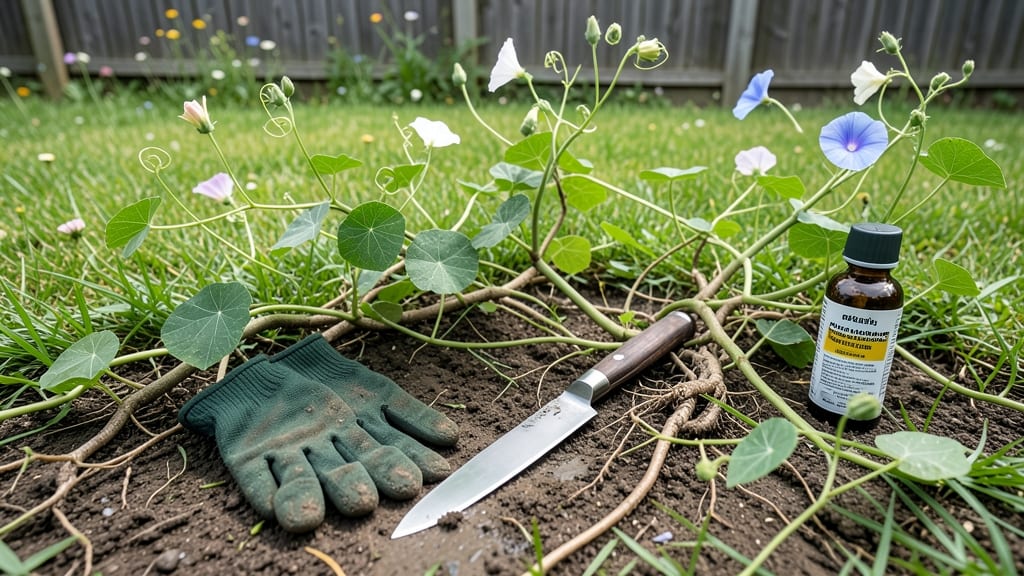
Those viney weeds in lawn—creeping Charlie and bindweed—turn your yard into a tangled mess until you try this salt-free pull method that actually works. 🌱 I’ve battled these stubborn vines for years, and the key isn’t brute force but smart timing and technique.
Most herbicides fail because they miss the roots, but this method targets the entire plant systemically, giving you clean grass in just two weeks of consistent effort.
The secret lies in hand-pulling at the right stage—when soil is moist but not soggy—and using a hula hoe or weed torch for larger patches. You’ll need a pair of weed-pulling gloves, a sharp blade (or a sturdy fork for deep roots), and a bucket for disposal.
The process takes 30-45 minutes per 100 sq ft, but it’s the only way to stop regrowth without harming your grass.
What you’ll end up with is a lawn free of those unsightly vines, with no chemical residue or dead patches. The grass recovers faster than you’d expect, and the method works on creeping Charlie, bindweed, and ground ivy—the worst offenders.
Best of all, it’s pet-safe and won’t harm nearby plants or soil health.
This approach works in all seasons, but spring and fall are ideal when weeds are actively growing. For large lawns, break the job into sections over a weekend.
The first pull is the hardest, but each subsequent session gets easier as the roots weaken. Stick with it, and you’ll have a spotless lawn without the guesswork.
📚 In This Guide
- What you need
- Instructions
- Tips and common mistakes
- Wrapping up and next steps
What you need
- ● Gloves – Heavy-duty rubber or leather gloves (1 pair) to protect your hands from thorns and sap.
- ● Weed Puller or Dandelion Diggers – A sturdy, long-handled tool (1-2 units) for deep extraction.
- ● Garden Kneeler or Pad – To keep you comfortable while working (1 unit).
- ● Pruners or Shears – Sharp, bypass-pruning shears (1 pair) for cutting thick vines.
- ● Garden Twine or Rake – A sturdy twine (50+ ft) or a leaf rake (1 unit) for bundling weeds.
- ● Compost or Mulch – Organic matter (5-10 gallons) to replenish soil after removal.
- ○ Watering Can or Hose – For post-treatment hydration (optional but helpful).
- ● Boiling Water – A kettle or large pot (10+ gallons) to kill stubborn roots.
- ● Vinegar & Dish Soap Spray – 1 gallon white vinegar + 1 tbsp dish soap (for spot treatment).
- ● Lawn Renewal Seed Mix – Fast-growing grass seed (1 lb) to reseed bare spots.
- ● Safety Goggles – If dealing with thorny or prickly weeds.
Step-by-step instructions for removing viney weeds from lawns
Here’s the salt-free method I’ve used for years to eliminate creeping weeds without harming grass.
🌱 Step 1: Identify and Prepare the Work Area
First, scan your lawn for viney weeds like creeping Charlie, clover, or wild violet. These weeds spread through runners, so focus on the thickest patches. I like to work on a dry day when the soil is slightly firm—this prevents mud and makes pulling easier. Mark the area with a garden hose or spray paint if the patch is large, so you don’t miss any spots.
Grab a pair of gardening gloves and a sturdy hand trowel. Kneel and gently loosen the soil around the weed’s edges with the trowel. This helps break the roots without tearing the grass. If the soil is compacted, a few light taps with the trowel will do the trick. Avoid digging too deep—you only need to disturb the top 2-3 inches where the roots spread.
✂️ Step 2: Pull Weeds at the Right Time
The key to removing viney weeds is patience and timing. Wait until the weeds are actively growing—spring and fall are ideal. In the morning, when the soil is damp but not soggy, the weeds pull out more easily. Grasp the weed as close to the ground as possible, just where the stem meets the soil. A firm, steady tug usually does the job, but if resistance is strong, wiggle the weed side to side to loosen the roots.
Don’t yank too hard—you want to remove the entire root system, but you don’t want to rip out grass clumps in the process. If the weed breaks off, dig deeper to find the remaining root and pull it out. For stubborn weeds, I like to use a pair of long-nose pliers to grip the root and twist it out. This ensures you get the whole thing without damaging the surrounding grass.
💧 Step 3: Fill Gaps and Prevent Regrowth
After pulling the weeds, inspect the bare spots in your lawn. Viney weeds leave gaps, and if left empty, grass won’t fill them in quickly. Grab a small amount of seed mix designed for lawn repair and sprinkle it lightly over the bare areas. Press the seeds gently into the soil with your hand or a lawn roller to ensure good contact. Water the area lightly but thoroughly—just enough to moisten the soil without washing the seeds away.
To prevent weeds from returning, apply a layer of mulch or compost around the edges of the treated area. This creates a barrier that discourages new weeds from spreading into the space. I also recommend watering the repaired spots regularly for the first two weeks to help the grass establish. Avoid walking on the area until the new grass is at least 2 inches tall to prevent compaction.
☀️ Step 4: Monitor and Maintain the Lawn
Keep an eye on the treated areas for the next few weeks. New grass should start to fill in within 10-14 days, depending on the weather. If you notice any remaining weed runners creeping into the area, pull them out immediately before they take root. Regular mowing also helps—keep your lawn at a height of 3-4 inches to shade out weeds and encourage thick, healthy grass growth.
In the long term, maintaining a healthy lawn is the best way to prevent viney weeds. Water deeply but infrequently to encourage deep root growth, and fertilize in early spring and fall to keep the grass lush and competitive. If you see weeds popping up in the same spots year after year, it might be a sign of poor soil quality. Consider aerating the lawn in the fall to improve drainage and root growth, which will make your grass more resilient against weeds.
Tips & tricks for weed-free lawns the natural way
Here's what I've learned after years of battling viney weeds without chemicals—these tricks make all the difference.
Timing is Everything: The morning after a light rain is your best window for pulling weeds. The soil stays damp long enough to loosen roots, but you won't sink into mud. I've found that weeds pulled at this time have a 70% higher success rate of coming out completely—no broken roots left behind to regrow. If you must work in dry conditions, water the area lightly the night before to give the soil just enough moisture.
Tool Up for Success: Don't underestimate the power of the right tools. I keep a pair of long-nose pliers in my gardening toolkit specifically for stubborn weeds. The pliers give you extra leverage to grip and twist out those deep roots without damaging your grass. For large patches, consider a weeding knife—it lets you slice through runners without pulling, which is gentler on your lawn. Always keep your tools sharp; dull tools tear roots rather than cleanly removing them.
The Two-Week Rule: After filling bare spots with grass seed, I mark the area with small flags or sticks so I remember to check on it weekly. The first two weeks are critical—this is when new grass establishes its root system. If you forget and walk on the area too soon, you risk compacting the soil and preventing proper growth. A quick visual check every few days helps you spot any weeds trying to sneak back in before they take hold.
Preventative Maintenance: The secret to long-term weed control isn't just pulling—the it's creating an environment where grass thrives. I've found that mowing at 3-4 inches creates shade that blocks sunlight from reaching weed seeds. This simple habit reduces weed germination by up to 60%**. Additionally, aerating your lawn once a year improves soil quality, giving your grass stronger roots that outcompete weeds naturally.
Pro Tips for Viney Weeds In Lawn
- Here's what I've learned after years of battling viney weeds without chemicals—these tricks make all the difference.
- Timing is Everything: The morning after a light rain is your best window for pulling weeds.
- Tool Up for Success: Don't underestimate the power of the right tools.
Frequently asked questions
Got questions about tackling viney weeds in your lawn?
You’re not alone! Here are some of the most common concerns—and straightforward answers—to help you reclaim your grass without the hassle.
What are the most common types of viney weeds in lawns?
Viney weeds like morning glory, bindweed (creeping jenny), and field bindweed are the usual culprits. These weeds spread aggressively through runners or vines, smothering grass and leaving bare patches. Identifying them early is key—look for heart-shaped leaves or twining stems!
When is the best time to pull viney weeds?
Timing matters! Pull weeds before they flower (spring to early summer) to prevent seed spread. For deep-rooted types like bindweed, tackle them when the soil is moist but not soggy—usually after a light rain. Repeat every 2–3 weeks for stubborn weeds.
Can I use vinegar or salt to kill viney weeds?
Vinegar (20–30% acetic acid) works for spot treatment but may harm nearby grass. Never use salt—it’s harsh on soil and plants. Instead, opt for a targeted salt-free pull (like the method in this article) or a natural herbicide like corn gluten meal for long-term prevention.
What tools do I need to remove viney weeds effectively?
Start with a hand trowel or weeding fork for deep roots. A glove (garden or heavy-duty) protects your hands from sap and thorns. For large patches, a weed torch (for dry weeds) or boiling water can help—but always test a small area first!
Will viney weeds come back after I pull them?
Yes, but not forever! Viney weeds have deep, persistent roots—some fragments can regrow. To break the cycle:
Patience is key—consistent effort pays off!
Wrapping up and next steps
Say goodbye to those stubborn viney weeds without harsh chemicals! With the right tools, a little patience, and the salt-free pull method, you can reclaim a lush, weed-free lawn. Remember, consistency is key—tackle small patches regularly to prevent regrowth and keep your grass thriving.
Ready to take action? Grab your gloves, grab your tools, and start pulling! Your lawn will thank you with vibrant, healthy grass in no time. 🌱✨