
Lawn
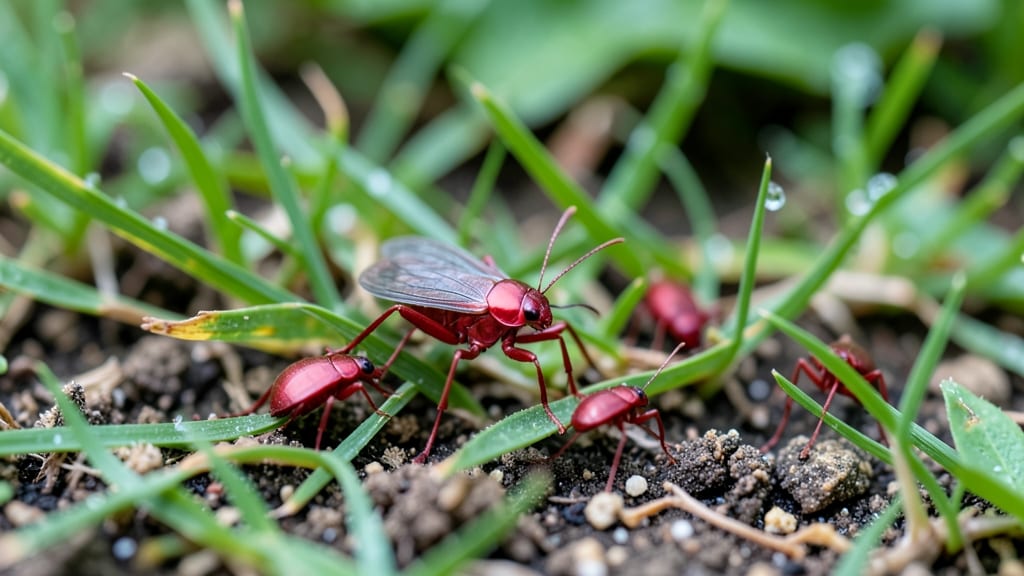
Tiny red bugs in your lawn mean trouble—those pinprick holes in grass blades and sudden brown patches aren’t just unsightly, they’re a fast-spreading crisis. 🌱 I’ve battled chinch bugs, clover mites, and spider mites, and the key to saving your lawn isn’t brute force but smart, targeted action that keeps grass healthy while wiping out the pests.
The first step is ID: chinch bugs leave yellow halos around dying grass, while spider mites create fine webbing on blades. Clover mites scatter like red dust when you walk by.
Once you know who’s attacking, you can attack back—with fast-acting solutions like insecticidal soap for mites or nematodes for chinch bugs that won’t harm your grass. What you’ll achieve is a lawn that stays lush and green, not just after treatment but season after season.
The secret is combining immediate fixes with long-term care—like proper watering and overseeding—to make your yard less inviting to pests in the first place. Works for any grass type, from St. Augustine to Kentucky bluegrass.
Here’s how to turn those red invaders into a distant memory without sacrificing your lawn’s health.
The Hidden Triggers Behind Them
Those pesky tiny red bugs invading your lawn aren’t just random visitors—they’re drawn by specific conditions that turn your yard into an all-you-can-eat buffet. Understanding the why behind their presence is the first step to kicking them out for good.
Let’s break down the science and environmental factors that make your lawn their favorite hangout.
Your lawn might be too lush for its own good. When grass receives excessive water or nitrogen-rich fertilizers, it grows rapidly—but so do the pests that thrive in soft, moist soil. Here’s the breakdown:
- Moisture Magnet: Tiny red bugs like chinch bugs or fire ants love damp soil because it’s easier for them to burrow and lay eggs. Overwatering (especially in hot climates) creates the perfect humidity level for their survival.
- Fertilizer Frenzy: High-nitrogen fertilizers stimulate grass growth, but they also attract sap-sucking insects. Bugs like armyworms or sod webworms target weakened grass that’s stressed from over-fertilization.
- Thatch Buildup: A thick thatch layer (dead grass and roots) traps moisture and organic matter—basically a hotel suite for red bugs. They hide in the thatch during the day and emerge at night to feed.
Actionable Fix: Adjust your watering schedule to deep but infrequent sessions (1–1.5 inches per week) and switch to a slow-release, balanced fertilizer (e.g., 16-4-8 or 12-12-12). Core aeration in late spring can also reduce thatch buildup.
When temperatures soar, grass struggles to photosynthesize efficiently, making it more vulnerable to pests. Red bugs like harlequin bugs or clover mites target stressed plants because their natural defenses (like tough cell walls) weaken.
- Drought Damage: Underwatered grass turns brittle and loses its resilience. Bugs detect this weakness and move in to feed on the sap or young shoots.
- Sunburnt Spots: Areas with bare patches or yellowing (from too much sun or poor soil) become prime real estate for pests. Red bugs often start infestations in these high-stress zones.
- Seasonal Swarms: Late summer/early fall is peak season for red bugs because they’re drawn to warm but cooling grass—ideal for egg-laying.
Actionable Fix:
- ✅ Water deeply in the early morning to reduce evaporation and stress.
- ✅ Mulch bare spots with compost or straw to protect roots from heat.
- ✅ Adjust mowing height to 3–4 inches in summer to shade soil and retain moisture.
Red bugs aren’t picky—they’ll colonize any lawn that offers shelter, food, and moisture. If your yard lacks their natural predators or has an imbalance in its ecosystem, they’ll move in like uninvited houseguests.
- Lack of Predators: Birds, toads, and beneficial nematodes keep bug populations in check. If your lawn has fewer predators (due to pesticides or habitat loss), red bugs multiply unchecked.
- Weedy Invaders: Clover, dandelions, and other broadleaf weeds attract bugs like three-lined potato beetles or red imported fire ants. These pests then spread to your grass.
- Compacted Soil: Heavy foot traffic or machinery compacts soil, reducing oxygen and water absorption. Bugs thrive in these anaerobic zones because they’re easier to penetrate.
Actionable Fix:
- 🌿 Encourage biodiversity by planting native ground covers or wildflowers at the lawn’s edge to attract predator insects (like ladybugs or lacewings).
- 🪒 Hand-pull weeds regularly—especially in early spring—to deny bugs a food source.
- 🔄 Aerate compacted areas in fall to improve soil structure and deter burrowing pests.
Sometimes, the problem isn’t your lawn at all—it’s you. Red bugs often hitch a ride on tools, plants, or even firewood, turning your yard into an unintended invasion zone.
- Contaminated Tools: Mowers, rakes, and shovels can carry bug eggs or larvae from infested areas to your lawn.
- New Plants/Sod: Purchasing grass plugs, mulch, or potted plants from infested nurseries is a fast track to a bug problem.
- Firewood or Debris: Stacking firewood near your lawn or leaving leaf litter can harbor hidden colonies.
Actionable Fix:
- 🔍 Inspect new plants for signs of bugs (eggs, frass, or wilting) before planting.
- 🚫 Avoid sharing tools with neighbors—clean mower blades and rakes with soapy water after use.
- 🌳 Store firewood at least 20 feet away from your lawn and elevate it off the ground.
How to Fix Tiny Red Invaders
Got those pesky tiny red bugs wreaking havoc on your lawn? Don’t panic—these critters are usually harmless but can be a nuisance. Whether they’re fire ants, chiggers, or harvestmen, here’s how to tackle them without harming your grass.
---
Before grabbing the first pesticide you see, confirm what you’re dealing with. Tiny red bugs in lawns are often: - Fire ants (aggressive, mound-building) - Chiggers (tiny, red, and itchy) - Harvestmen (long-legged, harmless but annoying) - Clover mites (tiny, red, and clustered)
💡 Pro Tip: Grab a magnifying glass or take a close-up photo to compare with online guides. Knowing the culprit helps you pick the right fix.
---
#### 🌱 For Fire Ants (Mound Destroyers) Fire ants are the most aggressive—here’s how to evict them: - Boiling Water or Vinegar 🔥 - Pour 1–2 cups of boiling water directly into active mounds. - For a milder option, mix 1 part white vinegar with 1 part water and spray the mound. - Repeat every 3–5 days until the mound disappears.
- Diatomaceous Earth (DE) 🏖️ - Sprinkle food-grade DE around mounds and along ant trails. - It dehydrates ants but is safe for grass (just reapply after rain).
- Citrus or Orange Oil Spray 🍊 - Mix 10 drops of citrus oil with 1 cup of water and a drop of dish soap. - Spray directly on mounds—ants hate the smell!
#### 🕷️ For Chiggers & Harvestmen (Itchy & Crawly) These guys love hiding in grass and mulch: - Neem Oil Spray 🌿 - Mix 2 tbsp neem oil + 1 tsp dish soap + 1 gallon of water. - Spray evenly over the lawn (avoid direct sun to prevent grass burn). - Reapply after rain.
- Sand or Wood Ash Barrier 🏖️ - Create a 2-inch barrier of sand or wood ash around your lawn’s edge. - These pests dislike crossing rough textures—keeps them out!
- Regular Mowing & Dethatching ✂️ - Keep grass 3–4 inches tall—taller grass discourages chiggers. - Dethatch in spring/fall to remove hiding spots.
#### 🐞 For Clover Mites (Red Cluster Invaders) These tiny red bugs love damp grass and often appear in spring: - Hose Them Off 💦 - Use a strong stream of water to blast them from grass blades. - Do this early morning or evening when they’re most active.
- Reduce Moisture 🌧️ - Fix drainage issues—clover mites thrive in soggy lawns. - Water deeply but less frequently to dry out their favorite spots.
- Encourage Natural Predators 🐸 - Birds, toads, and ground beetles eat clover mites. - Avoid pesticides—let nature handle the cleanup!
---
If natural methods fail, insecticidal soaps or horticultural oils can help: - Insecticidal Soap 🧼 - Spray directly on visible bugs (won’t harm grass if used correctly). - Best for chiggers and clover mites.
- Granular Insecticide (Last Resort) 💊 - Apply slow-release granules like bifenthrin or imidacloprid. - Follow label instructions carefully—some can harm beneficial insects.
⚠️ Warning: Avoid broad-spectrum pesticides—they kill bees and other helpful creatures.
---
Once you’ve kicked them out, stop them from coming back: - Keep Lawn Healthy 🌱 - Fertilize 2–3 times a year—strong grass resists pests. - Aerate and overseed annually to fill bare spots.
- Remove Debris & Mulch Piles 🗑️ - Pests hide in leaves, wood chips, and thatch. - Rake up fallen leaves and clippings regularly.
- Install a Moat of Diatomaceous Earth 🏖️ - Sprinkle DE around lawn edges as a long-term barrier.
- Check for Standing Water 💧 - Fix poor drainage—mosquitoes and mites love damp areas.
- Mulch Smartly 🌿 - Use cedar or pine mulch—these naturally repel some pests.
---
| Problem | Quick Fix | Prevention | |-------------------|----------------------------|-----------------------------| | Fire Ant Mounds | Boiling water + DE | Citrus oil spray monthly | | Chiggers | Neem oil spray + sand barrier | Keep grass tall & dry | | Clover Mites | Hose off + reduce watering | Fix drainage issues | | Harvestmen | Vacuum up + DE barrier | Remove hiding spots |
--- With these targeted, grass-safe solutions, you’ll have those tiny red bugs gone in days—without sacrificing your lawn’s health. 🚀🌿
Frequently asked questions
Are tiny red bugs in my lawn dangerous?
Most tiny red bugs like clover mites or harvestmen are harmless to humans but can be annoying. Fire ants may sting, while chiggers cause itchy bites. The real danger is to your lawn—many of these bugs damage grass by sucking sap or creating weak spots. Identifying the specific bug helps determine if they’re a nuisance or a threat to your yard.
How do I tell if my lawn has a bug problem?
Look for yellow patches, tiny holes in grass blades, or red clusters on blades and soil. For fire ants, check for small mounds (about the size of a golf ball). Clover mites leave a reddish dust on surfaces. If you see any of these signs, it’s time to investigate and act.
Will mowing my lawn help get rid of tiny red bugs?
Mowing alone won’t eliminate bugs, but keeping grass at 3–4 inches tall discourages many pests like chiggers and clover mites. Taller grass provides shade and moisture, which bugs prefer. For best results, combine mowing with other treatments like neem oil or diatomaceous earth to create a hostile environment for them.
Can I use vinegar to kill tiny red bugs?
Vinegar works best for fire ants—mix equal parts white vinegar and water and spray directly on mounds. For other bugs like clover mites or chiggers, vinegar may not be effective. Always test a small area first, as vinegar can also harm beneficial insects and plants if overused.
How long does it take to see results after treatment?
Most natural treatments like neem oil or diatomaceous earth show results in 3–7 days, while chemical solutions may work faster (within 24 hours). Consistency is key—reapply treatments as needed, especially after rain. Monitor your lawn closely to track progress and adjust your approach if bugs persist.