
Lawn
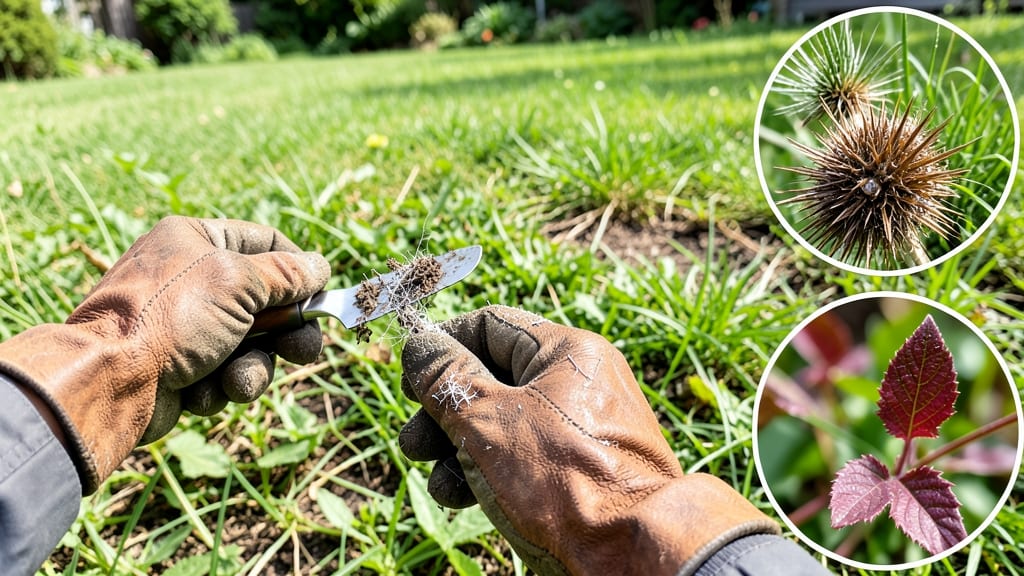
Boiling water kills sticky weeds on contact—no digging, no chemicals, just instant results. 🌱 I’ve used this method on stubborn crabgrass and milkweed pods that glued themselves to my lawn, and it works faster than pulling or spraying. The key?
Timing and precision to avoid scorching grass. You’ll need a large pot, protective gloves, and a sunny day when weeds are actively growing. Boil water, then carefully pour it directly onto the sticky weed patches. The heat sears the roots, preventing regrowth within 24-48 hours.
Just avoid windy days—splashing can damage nearby grass. What you’ll end up with is a weed-free lawn spot where grass recovers quickly. The sticky residue disappears, and new grass grows in smoothly. For tougher weeds, repeat after a week if any regrowth appears.
This method is eco-friendly, budget-friendly, and works for any sticky weed—no matter how stubborn. Just be patient with the grass recovery, and you’ll have a cleaner lawn in no time.
📚 In This Guide
- What you need
- Instructions
- Tips and common mistakes
- Wrapping up and next steps
What you need
- ● Boiling water: At least 1–2 gallons (enough to cover the weed roots). Use a large pot, kettle, or even a boiling water dispenser for precision.
- ● Heavy-duty gloves: Waterproof, heat-resistant (e.g., rubber or insulated garden gloves) to protect your hands.
- ● Long-sleeved shirt and pants: Cotton or thick fabric to shield skin from splashes.
- ○ Garden trowel or small shovel: For loosening soil around stubborn weeds (optional but helpful).
- ○ Watering can or hose: To pre-wet the lawn (optional but reduces steam burns on grass).
- ● Boiling water applicator: A pump sprayer or garden spray bottle designed for hot liquids (saves time and mess).
- ● Vinegar (5–10%) or dish soap: 1–2 tbsp per gallon of boiling water to enhance weed-killing power (use cautiously on lawns).
- ● Rake or hand weeder: For removing dead weeds after treatment.
- ● Safety goggles: If working near pets or kids to prevent accidental splashes.
Step-by-Step instructions for removing sticky weeds with boiling water
This method works fast—no chemicals, no digging, just targeted heat to kill weeds on contact.
🌱 Step 1: Identify and Clear Surrounding Area
Scan your lawn for sticky weeds like clover or creeping charlie—these respond best to boiling water. Use a small rake or stick to gently clear dry grass and debris around each weed. This ensures direct contact with the plant’s base where the roots meet the soil. I like to work in small sections so I don’t miss any spots or accidentally scald healthy grass.
Wear gloves to protect your hands from the heat and any sticky sap. If the weeds are growing in thick patches, trim them back slightly with scissors to expose the root zone. This makes the boiling water more effective because it penetrates deeper into the soil where the roots absorb it.
💧 Step 2: Boil Water and Prepare for Treatment
Fill a large pot with 2-3 gallons of water and bring it to a full rolling boil. The more water you use, the easier it is to pour steadily without spilling. Keep the pot near your work area but far enough that you won’t accidentally burn yourself while pouring. I place mine on a heat-resistant pad or a small table to keep it stable.
Test the temperature by dripping a small amount onto a weed-free patch of grass. If it steams vigorously, it’s ready. Boiling water kills weeds by destroying their cell structure instantly—no waiting for slow-acting herbicides. Just be careful: the water stays dangerously hot for several minutes after boiling, so always use a thick towel or oven mitt to handle the pot.
✂️ Step 3: Apply Boiling Water Directly to Weeds
Pour the boiling water slowly and evenly over the weed, focusing on the base where the stem meets the soil. Aim for a steady stream rather than a single splash—this ensures the roots absorb enough heat to die. You’ll see the weed wilting and turning brown within seconds. For stubborn patches, repeat the treatment every 2-3 days until the entire plant is dead and the area looks dry and crispy.
Watch for nearby grass turning yellow or brown—this means you got too close. If it happens, trim back the affected grass and water it lightly to help it recover. The key is precision: only target the weeds, not your lawn. I like to use a small watering can with a narrow spout for better control, especially in tight spaces between grass blades.
☀️ Step 4: Monitor and Reapply as Needed
After treatment, check the area every 1-2 days for new growth. Weeds like creeping charlie often regrow from underground runners, so you may need to repeat the process. If you see fresh green shoots, pour boiling water directly over them again. This method is fast but requires follow-up to ensure complete eradication.
Once the weeds are fully dead and the area looks dry, you can overseed with grass or spread mulch to prevent regrowth. I’ve found that adding a layer of 1/4-inch compost after treatment helps the lawn recover faster and discourages new weeds from taking hold. Water lightly afterward to settle the soil and encourage grass growth.
⏰ Step 5: Prevent Future Sticky Weed Growth
To keep your lawn weed-free, mow regularly at 3-4 inches tall—taller grass shades out weeds by blocking sunlight. Aerate the lawn in early fall to improve soil health and reduce compaction, which makes it harder for weeds to establish roots. I also apply a thin layer of mulch in high-traffic areas where weeds tend to pop up.
If sticky weeds keep returning, consider a natural pre-emergent like corn gluten meal in early spring. It’s non-toxic and prevents weed seeds from germinating. Boiling water works best for spot treatment, but combining it with good lawn care habits keeps your yard looking clean and healthy long-term.
Tips & tricks for perfect weed removal with boiling water
These simple tricks will help you tackle sticky weeds efficiently without damaging your lawn.
Precision is Key: In Step 1, when clearing around weeds, focus on exposing the soil at the base where roots meet the stem. I've found that using a butter knife or plastic spatula works better than a rake for tight spaces—it gives you more control without tearing grass. This targeted approach ensures the boiling water does its job without scorching surrounding grass.
Water Volume Matters: The 2-3 gallons of boiling water in Step 2 might seem like a lot, but trust me—it's worth it. A smaller pot means you'll have to refill constantly, and cold water mixing in will reduce effectiveness. I use a 6-quart pot for this method, which gives me enough volume to treat multiple weeds before needing to refill. For larger areas, consider using a watering can with a narrow spout that you can pre-fill with boiling water.
Timing for Stubborn Weeds: When dealing with thick patches in Step 3, don't rush the 2-3 day reapplication schedule. I've learned the hard way that skipping this step leads to weeds popping back up. Mark treated areas with small flags or sticks so you don't accidentally retreat healthy grass. The key is consistency—keep at it until you see crispy, browned weeds that pull up easily when tugged.
Safety First: The boiling water stays dangerously hot long after it stops bubbling. I always keep a bucket of cool water nearby to quickly douse any accidental spills on skin or grass. And here's a pro move: wear long sleeves and closed-toe shoes—not just for protection, but to give you more control when pouring. The extra layer helps prevent accidental spills that could damage your lawn.
Pro Tips for Sticky Weeds In Lawn
- These simple tricks will help you tackle sticky weeds efficiently without damaging your lawn.
- Precision is Key: In Step 1, when clearing around weeds, focus on exposing the soil at the base where roots meet the stem.
- Water Volume Matters: The 2-3 gallons of boiling water in Step 2 might seem like a lot, but trust me—it's worth it.
Frequently asked questions
about sticky weeds in your lawn—here’s what you need to know!What are the most common sticky weeds in lawns?
Sticky weeds like sticky wilsonia (Wilsonia pinnata) or sticky crabgrass thrive in lawns, leaving behind a gummy residue. They often appear in warm seasons, especially in dry or compacted soil. Look for small, clover-like leaves with a tacky sap when crushed—classic giveaways!
When is the best time to treat sticky weeds with boiling water?
Target sticky weeds on a warm, dry day (ideal temps: 70–90°F). Early morning or late afternoon works best to avoid scorching grass. Avoid treatment after rain or when soil is damp—it can spread the sticky sap and reduce effectiveness.
Will boiling water harm my grass?
Boiling water can harm grass if not applied carefully. Use a targeted approach—focus only on the weeds, avoiding healthy grass blades. For thick lawns, dilute the water slightly (1:1 with cool water) to minimize damage. Always test a small patch first!
Are there natural alternatives to boiling water for sticky weeds?
Yes! Try these eco-friendly options:
- Vinegar spray (1 gallon white vinegar + 1 cup dish soap)—kills weeds but may also harm grass.
- Salt solution (1 cup salt + 1 gallon water)—effective but can damage soil long-term.
- Corn gluten meal (pre-emergent herbicide)—prevents weed seeds from sprouting.
Why do sticky weeds keep coming back after treatment?
Weeds often return due to deep roots or new seeds in the soil. To prevent regrowth:
- Pull remaining roots manually.
- Reapply boiling water or herbicide if needed.
- Improve soil health with compost or aeration.
Wrapping up and next steps
Dealing with sticky weeds in your lawn doesn’t have to be a hassle—boiling water spot treatment is a quick, chemical-free solution that works wonders! 🌱 With the right tools and a little elbow grease, you can reclaim your grassy paradise in no time. Start small, stay consistent, and soon your lawn will be the envy of the neighborhood.
Ready to take action? Grab your supplies, follow the steps, and enjoy a weed-free lawn in just a few days! 💪 Your green oasis is waiting—let’s make it happen!