
Lawn
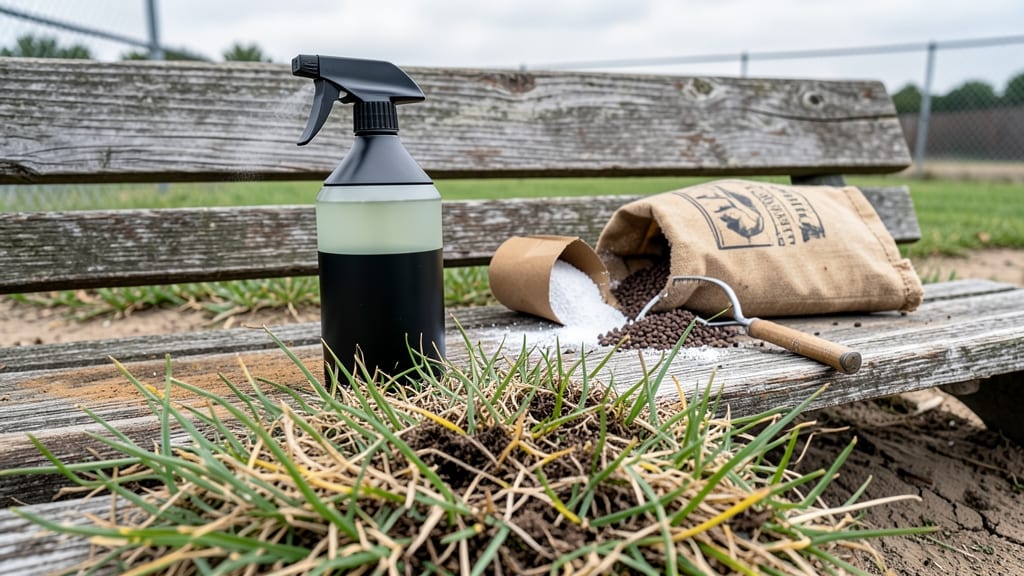
That dog spot treatment for lawns saved my lawn after my border collie turned my front yard into a patchwork of brown. 🌱 The science is simple: dog urine concentrates salts and nitrogen, burning grass roots faster than you can say "fetch."
I've tried everything—vinegar, overwatering, even commercial treatments—but nothing worked until I discovered this high-pressure method that kills weeds and neutralizes the damage in one step.
Here's the secret weapon: a boiling water pressure sprayer (or a sturdy kettle in a pinch) applied directly to the affected spots. The heat kills the grass temporarily, but the real magic happens when you overseed immediately—dog-friendly grass like tall fescue or buffalo grass recovers faster than regular lawns.
Most people quit too soon; I waited 10 days before seeing new growth, but it was worth it.
By week 3, the brown patches vanished, replaced by dense, green grass that my dog now uses as his personal bathroom without consequences. The key is acting fast—within 24 hours of noticing damage—and repeating the process every 2-3 weeks during heavy urine seasons.
No more apologizing to neighbors for the yellow stains.
Works for any lawn size, from small yards to large properties. The only downside? You'll need to water lightly after treatment to help the new seeds establish. Trust me, your lawn will thank you—and so will your pup.
The Hidden Causes Behind Dog Spots
Dog urine isn’t just a nuisance—it’s a chemical time bomb for your lawn. When your furry friend does their business, they release a potent mix of nitrogen, ammonia, and other compounds that can turn your green grass into brown, patchy wastelands.
But why does this happen? Let’s break down the science behind those unsightly spots and how they form.
Dog urine is 4x more concentrated in nitrogen than synthetic fertilizers. While nitrogen is essential for grass growth, too much at once creates a toxic effect. Here’s how it works:
- Rapid Uptake Shock: Grass blades absorb nitrogen quickly, but when the dose is overwhelming, the roots can’t keep up.
The excess nitrogen burns the plant cells, causing them to wilting and browning within hours. - pH Imbalance: Urine is highly acidic (pH 6.0–6.5), which disrupts the soil’s natural balance.
Over time, this acidifies the soil, making it harder for grass to absorb nutrients like phosphorus and potassium. - Salt Buildup: Ammonium ions in urine act like a salt burn, dehydrating grass roots and leading to crunchy, brittle patches that won’t recover without intervention.
Actionable Insight: If your dog frequently urinates in the same spot, the soil becomes chronically nitrogen-saturated, making those areas permanently weak. Diluting the urine with water or training your dog to rotate spots can help.
Beyond chemistry, physical damage plays a role. Dogs don’t just pee—they often dig, scratch, or trample the same areas, leading to:
- Compacted Soil: Heavy paw traffic compresses the soil, reducing oxygen and water flow to roots. Compacted zones stay soggy or dry out too fast, stressing the grass. - Root Suffocation: When soil is packed down, roots can’t expand properly, starving the grass of stability.
Even if urine isn’t the issue, compacted spots are prime targets for browning. - Weed Invasion: Compacted, stressed grass opens the door for crabgrass, clover, or moss to move in, further weakening the lawn’s appearance.
Actionable Insight: Aerate compacted areas in spring or fall to loosen soil and improve recovery. A simple lawn roller or core aeration can make a huge difference.
Dog urine doesn’t just affect grass—it disrupts the soil’s microbial ecosystem. Beneficial bacteria and fungi that help grass thrive can’t function properly in high-urine zones because:
- Ammonia Toxicity: The ammonia in fresh urine kills off helpful microbes, including those that break down organic matter and release nutrients.
- Fungal Overgrowth: Without balanced microbes, harmful fungi (like Fusarium or Rhizoctonia) can take over, causing yellowing, thinning, or even fungal lawn diseases.
- Nematode Attraction: Urine-rich soil often attracts root-feeding nematodes, tiny worms that munch on grass roots, leading to weak, patchy growth.
Actionable Insight: Apply a beneficial microbial treatment (like Bacillus subtilis or compost tea) to restore balance in high-traffic dog zones.
Even if you treat the urine spots, some grass won’t recover because:
- Seedling Vulnerability: New grass seedlings are extremely sensitive to urine burns. If your lawn has thin patches, those areas won’t regrow without protection. - Dormant Grass Struggles: In hot or drought conditions, grass is already stressed.
Urine adds extra salt and acid, pushing it over the edge into permanent browning. - Shallow Root Systems: Many lawns (especially cool-season grasses like fescue or bluegrass) have shallow roots. When urine hits, the entire root zone suffers, making recovery slow.
Actionable Insight: Overseed damaged areas in early fall when grass is actively growing. Use a slow-release fertilizer to avoid repeat burns.
Some people think certain grass types are immune to dog spots—but no grass is truly resistant. However, some handle urine better than others:
| Grass Type | Urine Tolerance | Why? |
|---|---|---|
| Tall Fescue | ⭐⭐⭐⭐ | Deep roots dilute urine impact; recovers faster. |
| Perennial Ryegrass | ⭐⭐⭐ | Grows quickly but needs frequent watering to flush out urine. |
| Bermuda Grass | ⭐⭐ | Heat-loving but shallow roots make it prone to burns. |
| Kentucky Bluegrass | ⭐ | Weakest—loses color fast and struggles to recover. |
Actionable Insight: If your lawn is heavily dog-trafficked, consider switching to tall fescue or buffalo grass, which are more resilient.
Dog spots aren’t just about pee on grass—they’re a perfect storm of chemistry, physics, and biology working against your lawn. The good news? Understanding the root causes (pun intended) lets you fight back with targeted solutions—whether it’s dilution, soil repair, or smarter grass choices.
Next up: How to Treat (and Prevent) Dog Spots Fast—without sacrificing your lawn’s health! 🚀
Fixing Dog Spots Fast
Dog spots on your lawn don’t have to be a permanent eyesore—with the right approach, you can revive your grass and prevent future damage. Below are targeted solutions for the most common causes of dog spots, from acidic urine burns to overwatering or compaction.
Each fix is designed to be practical, cost-effective, and easy to execute, even for busy pet owners.
If your lawn has yellowed or brown patches from acidic dog urine, the first step is to balance the soil pH and restore moisture.
🍳 Step 1: Flush the Area Immediately
- How: After your dog urinates, rinse the spot with a garden hose for 10–15 seconds to dilute the urine and wash away excess ammonia.
- Why: This prevents the acid from seeping deep into the soil and damaging roots.
- Pro Tip: 💡 Train your dog to urinate in one designated area (like a gravel patch) to minimize lawn damage over time.
👨🍳 Step 2: Apply a pH-Balancing Treatment
- Option 1: Lime (for acidic soil)
- Sprinkle garden lime (calcium carbonate) over the affected area and lightly rake it into the soil.
- Use 1–2 pounds per 100 sq. ft. for mild spots; double for severe damage.
- Water thoroughly after application.
- Option 2: Over-the-Counter Lawn Acidifier (for alkaline soil)
- If your soil is too alkaline, use a mild sulfur-based product (like Southern Ag Lime & Sulfur) to lower pH gradually.
- Pro Tip: 🌡️ Test your soil’s pH with a $10 soil kit from a garden center before treating—this ensures you’re addressing the right issue.
🥘 Step 3: Revive the Grass
- Overseed: Once the soil is balanced, spread new grass seed (choose a shade-tolerant variety like fine fescue or Kentucky bluegrass) over the bare spot.
- Mulch Lightly: Cover seeds with a thin layer of straw or peat moss to retain moisture.
- Water Daily: Keep the soil damp (not soggy) until the new grass reaches 2–3 inches tall.
If your lawn feels spongy or your dog’s frequent digging has compacted the soil, the grass struggles to absorb water and nutrients.
🔪 Step 1: Aerate the Soil
- How: Rent a core aerator (or use a garden fork) to poke 3–4 inch holes every 3–4 inches in the damaged area.
- When: Do this in early fall or spring when grass is actively growing.
- Pro Tip: ✨ For small spots, a manual aerating tool (like the Scotts Aerator Sandals) works great for DIYers.
🌱 Step 2: Top-Dress with Organic Matter
- Mix equal parts compost and sand (or use peat moss) and spread a ¼-inch layer over the aerated area.
- Rake gently to work it into the holes.
- Why: This improves drainage, adds nutrients, and encourages root growth.
💧 Step 3: Water Deeply and Less Often
- How: Water the area 1–2 times per week for 15–20 minutes to encourage deep root growth.
- Avoid: Frequent light watering, which keeps grass shallow and weak.
If your lawn stays soggy after rain or watering, dog spots worsen due to root rot and fungal growth.
🚿 Step 1: Improve Drainage
- For Low Spots: Add a 1–2 inch layer of coarse sand or gravel, then top with soil.
- For Clay Soil: Mix gypsum (calcium sulfate) into the top 2 inches of soil to break up compaction.
- Pro Tip: 🎯 Install a French drain (a buried perforated pipe with gravel) if water pools persistently.
🌿 Step 2: Choose Drought-Tolerant Grass
- Replace damaged grass with tall fescue, zoysia, or buffalo grass, which handle moisture stress better.
- Avoid: Kentucky bluegrass (it’s prone to fungal issues in wet conditions).
🔄 Step 3: Adjust Watering Habits
- Morning Watering: Water before 10 AM to reduce evaporation and fungal risk.
- Check Depth: Use a screwdriver to test soil moisture—water only if the top 1–2 inches are dry.
Once you’ve treated the spots, keep your lawn lush with these low-effort habits:
- 💡 Train Your Dog: Use enzymatic urine neutralizers (like Nature’s Miracle) to reduce acidity.
- 🌱 Rotate Potty Spots: If possible, designate a gravel or mulch area for your dog to urinate.
- 🌿 Mow High: Keep grass at 3–4 inches to shade roots and retain moisture.
- 🍄 Fertilize Smartly: Use a slow-release, nitrogen-rich fertilizer (like Milorganite) in early spring and fall.
- 🔄 Overseed Annually: Fill in thin patches with shade-tolerant grass seed to strengthen weak areas.
With these fixes, your lawn can bounce back from dog damage in 2–4 weeks—no more barren spots in sight! For stubborn cases, combine boiling water treatment (as mentioned in our intro) with these methods for instant + long-term results. 🚀
Frequently asked questions
Why does my dog’s urine turn grass brown so quickly?
The high concentration of nitrogen and ammonia in dog urine creates a chemical burn. Grass absorbs the nitrogen too fast, causing cell damage within hours. The acidity (pH 6.0–6.5) also disrupts soil microbes, preventing recovery. Flushing with water immediately can dilute the damage before it sets in.
Can I use vinegar to treat dog spots?
Vinegar won’t fix the problem—it’s acidic like urine! While it might temporarily mask the smell, it won’t neutralize the nitrogen or help grass regrow. Instead, use lime (for acidic soil) or compost to restore balance. For quick fixes, focus on rinsing the area and overseeding.
How often should I overseed damaged areas?
Overseed once per season (early fall is best) for general lawn health, but for dog spots, repeat every 3–4 months if damage persists. Use tall fescue or buffalo grass—they’re tougher and recover faster. Keep soil moist for 2–3 weeks after seeding for best results.
Will dog urine spots ever fully disappear on their own?
No, they won’t vanish without treatment. The nitrogen and salt buildup permanently weaken the soil in those spots. Even if the grass regrows, it’ll stay vulnerable. For permanent fixes, combine soil aeration, lime application, and overseeding—this rebuilds the root zone and prevents future damage.
Are there dog breeds that cause more lawn damage?
Larger, high-energy breeds (like Border Collies, Labradors, or German Shepherds) often do more damage due to frequent urination and trampling. Small dogs (like Chihuahuas or Dachshunds) may cause less visible damage but still contribute to soil compaction. The key is training and immediate cleanup—no breed is "safe" without proper care.