
Lawn
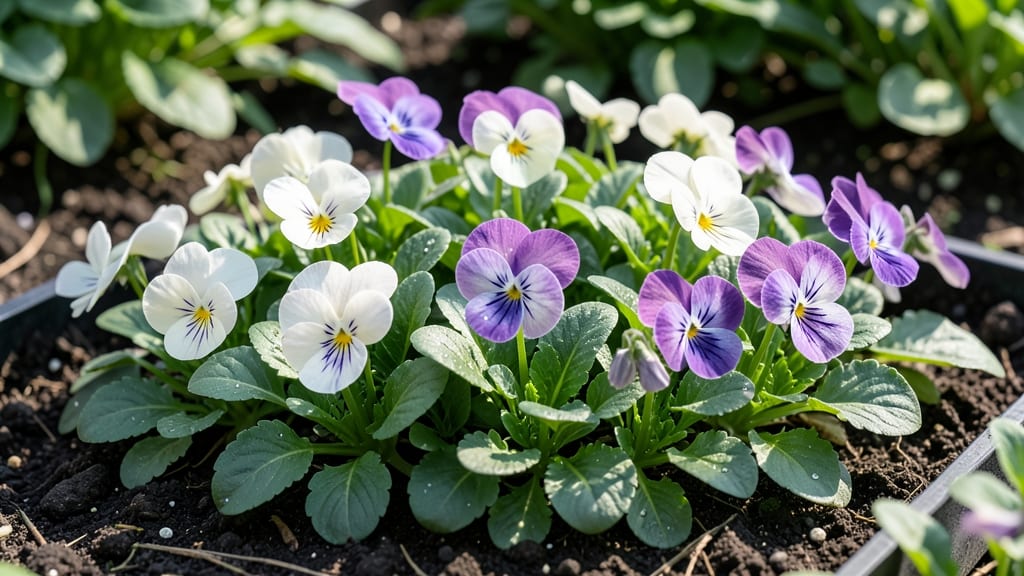
Those small white and purple flowers popping up unexpectedly in your lawn? 🌸 That’s not a weed—it’s nature’s way of turning your yard into a fragrant, low-maintenance meadow. Violets, creeping phlox, or wild clover add delicate color without the mowing hassle, and they thrive where grass struggles.
These little blooms aren’t just pretty—they’re hardy, drought-tolerant, and perfect for filling bare spots. Let them spread naturally or guide them into garden beds for a soft, cottage-style look.
Pair them with taller grasses or lavender for height contrast, or let them mingle with hostas for a wild but intentional design. By next spring, your lawn could be a tapestry of white and purple, with zero extra work. The key is embracing their random charm—no perfect rows needed.
Just enjoy the show while you sip coffee on your porch. Best part? They’ll keep coming back year after year, turning your yard into a pollinator paradise without the upkeep. Now that’s what I call a no-fuss upgrade!
Unwanted Blooms Invading Your Lawn
Seeing clusters of tiny white and purple flowers popping up in your lawn can feel like an unexpected guest—one that refuses to leave. While these blooms might add charm to a wildflower meadow, they’re often unwelcome in a manicured yard.
Understanding the root causes helps you tackle the issue effectively. Below, we break down the most common reasons these flowers appear and how they take hold.
One of the most common culprits is seed dispersal. Many small flowering weeds, like chickweed, henbit, or clover, produce lightweight seeds that hitch rides on the wind or cling to animals, birds, and even your shoes.
Once deposited in your lawn, these seeds germinate quickly, especially in moist, disturbed soil.
🔹 Why it happens:
- Wind patterns carry seeds from neighboring properties, construction sites, or even your own garden beds.
- Animals (like squirrels, rabbits, or even pets) track seeds into your lawn, especially if they’re foraging for food.
- Lawn disturbances—such as aeration, foot traffic, or soil erosion—create gaps where seeds can lodge and sprout.
💡 Actionable fix:
- Inspect your lawn’s edges, especially near sidewalks or driveways, where seeds often accumulate.
- Use a leaf blower to remove seeds before they germinate (early spring or fall are critical times).
- Install a 1-inch tall border of mulch or gravel around your lawn to block windborne seeds.
Lawns with compacted, nutrient-poor, or overly moist soil become prime real estate for flowering weeds. These plants thrive where grass struggles, often filling in bare spots left by foot traffic, drought, or poor maintenance.
🔹 Why it happens:
Soil Issue
How It Helps Weeds
Compaction (from heavy foot traffic or machinery)
Restricts water and oxygen to grass roots, leaving gaps for weeds to invade.
Low nitrogen (thin, patchy grass)
Weak grass can’t outcompete aggressive bloomers like dandelions or creeping charlie.
Overwatering or poor drainage
Soggy soil suffocates grass roots, while weeds like henbit love damp conditions.
💡 Actionable fix:
- Aerate your lawn in spring or fall to relieve compaction and improve water absorption.
- Test your soil’s pH and amend with compost or lime if needed (ideal lawn pH: 6.0–7.0).
- Adjust watering to 1 inch per week (including rain) to prevent soggy spots.
If you’re mowing too short or neglecting regular upkeep, your lawn becomes a weed magnet. Short grass casts less shade, allowing sunlight to reach weed seeds. Meanwhile, thick layers of thatch (dead grass buildup) trap moisture—perfect for flowering weeds.
🔹 Why it happens:
- Scalping the lawn (mowing below 2.5–3 inches) stresses grass and invites weeds.
- Skipping mowing lets weeds grow tall before they seed, spreading more blooms.
- Thatch buildup (over 0.5 inches thick) blocks water and nutrients, weakening grass.
💡 Actionable fix:
- Set your mower to 3–4 inches for most grass types (taller grass shades out weeds).
- Mow regularly (never remove more than ⅓ of the grass blade at once).
- Dethatch in late spring if your lawn feels spongy—use a rake or dethatching machine.
Some small white and purple bloomers, like creeping phlox, ajuga, or wild violet, are perennial weeds. This means they regrow from deep roots or underground rhizomes, making them harder to eradicate than annual weeds.
🔹 Why it happens:
- Deep root systems allow them to survive mowing, herbicides, or even drought.
- Underground runners (like in creeping charlie) spread invisibly beneath the soil.
- Dormant seeds in the soil bank can lie inactive for years before sprouting.
💡 Actionable fix:
- Hand-pull weeds when the soil is moist (grasp roots fully—even a tiny fragment regrows!).
- Apply a pre-emergent herbicide in early spring to block new seeds from germinating.
- For stubborn perennials, use a vinegar-based herbicide (20–30% acetic acid) on sunny days to burn foliage and roots.
🔥 Pro Tip: If you’re dealing with a mix of causes, combine strategies. For example, aerate + overseed + use pre-emergent in the same season for long-term control. Patience is key—consistent care prevents these blooms from becoming a yearly battle!
Quick Fixes for Lawn Blooms
Transforming your lawn into a vibrant, low-maintenance space starts with addressing the root causes of those charming but unexpected small white and purple flowers. Whether they’re wildflowers, weeds, or creeping ground covers, each type requires a tailored approach.
Below, we break down practical solutions—from immediate fixes to long-term prevention—so you can enjoy year-round color without the mowing hassle.
Wildflowers like creeping phlox, violets, or clover add beauty but can dominate your lawn if left unchecked. Here’s how to manage them:
🔥 Remove Them Strategically
- Hand-pulling (Best for small patches):
- Wait for damp soil (after rain or watering) to loosen roots. 🌧️
- Grasp the base and tug firmly—aim for the entire root system to prevent regrowth.
- Pro tip: Use gloves to avoid skin irritation from sap (especially with creeping Charlie).
- Mulching or smothering (For larger areas):
- Lay down cardboard or thick layers of newspaper over the affected spots, then top with 2–3 inches of mulch or compost.
This blocks sunlight and suffocates the flowers in 4–6 weeks. 🗑️🌿 - Alternative: Use a thick layer of straw for a more natural look.
👨🍳 Prevent Regrowth Naturally
- Seed your lawn with grass: Fill bare spots with fast-growing grass seed (like ryegrass or fescue) to outcompete wildflowers.
- Adjust mowing height: Keep your lawn at 3–4 inches tall—taller grass shades out weeds and wildflowers while retaining moisture. ⚙️
- Apply corn gluten meal (Organic option):
- Sprinkle 20 lbs per 1,000 sq ft in early spring or fall—it’s a natural pre-emergent that inhibits weed seeds without harming established plants. 🌾
If the blooms are invasive weeds like henbit, chickweed, or purple deadnettle, a mix of cultural and chemical methods works best.
🍳 Spot-Treat with Vinegar or Herbicides
- Natural vinegar spray (For non-organic lawns):
- Mix 1 gallon of white vinegar + 1 oz dish soap + 1 cup salt. Spray directly on weeds (avoid desirable plants—it’s non-selective!).
Repeat in 5–7 days for stubborn types. 🍶⚠️ - Caution: Test on a small area first—vinegar can kill grass too. - Selective herbicides (For stubborn weeds): - Use a 2,4-D-based herbicide (like Ortho Weed B Gon) for broadleaf weeds.
Follow label instructions carefully—apply on a calm day to avoid drift. 💊 - Timing matters: Treat weeds before they seed (late spring to early summer).
🌡️ Improve Lawn Health to Outcompete Weeds
Weeds thrive where grass is weak. Strengthen your lawn with these steps: - Aerate compacted soil: Rent a core aerator to create holes for water, air, and nutrients to reach roots.
Do this in early fall or spring. ⛏️ - Fertilize properly: Use a slow-release, balanced fertilizer (10-10-10 or 16-4-8) in early spring and fall.
Avoid over-fertilizing—it encourages weed growth. - Water deeply but infrequently: 1–1.5 inches per week encourages deep grass roots, making it harder for weeds to take hold. 💧
Plants like creeping phlox or ajuga spread aggressively but can be managed with patience.
✨ Prune and Divide
- Shear back overgrowth: Trim 1/3 of the foliage in early spring to encourage bushier growth and reduce seed production.
- Divide clumps: Dig up large patches and split them into smaller sections, then replant elsewhere in your garden (not the lawn).
This prevents them from spreading uncontrollably. 🔪
🔥 Solarize for Stubborn Spots
For persistent ground covers, try solarization:
- Water the area thoroughly.
- Cover with clear plastic sheeting (secured with bricks or soil).
- Leave for 4–6 weeks in hot sun—the trapped heat kills roots. ☀️🔥
- Remove plastic, then reseed with grass.
Once you’ve tackled the blooms, keep your lawn lush and weed-free with these long-term strategies:
| Problem | Solution | When to Do It |
|---|---|---|
| Bare patches | Overseed with shade-tolerant grass (like fine fescue) | Late summer/early fall |
| Compacted soil | Aerate + top-dress with compost | Early fall or spring |
| Weed seeds in soil | Apply corn gluten meal | Early spring or fall |
| Mowing too short | Adjust mower to 3–4 inches | Year-round |
| Poor drainage | Level low spots or install French drains | Spring or fall |
Final Thought: A little effort now means fewer surprises later—and a lawn that stays vibrant with intentional color (like your chosen wildflowers or clover patches) instead of unwanted blooms. 🌸 Start with one method, observe results, and adjust as needed. Happy gardening!
Frequently asked questions
Are small white and purple flowers in my lawn always weeds?
Not necessarily! Many are actually beneficial wildflowers like violets, clover, or creeping phlox. These add beauty, support pollinators, and often thrive where grass struggles. The key is identifying whether they're invasive (like creeping Charlie) or simply filling bare spots naturally.
How can I tell if these flowers are good or bad for my lawn?
Check their spread pattern: beneficial blooms stay contained, while invasive ones (like henbit or purple deadnettle) spread aggressively. Look for thick mats or rapid growth—these usually need control. Wild violets or clover typically stay manageable and even improve soil health.
Will mowing higher help prevent these flowers?
Keeping grass at 3–4 inches shades out many weeds while letting beneficial blooms like clover thrive. Taller grass also retains moisture better, creating healthier competition. Just avoid cutting more than ⅓ of the blade at once to prevent stress.
Can I keep some of these flowers while removing others?
Yes! Spot-treat invasive types with vinegar or herbicides while leaving clover or violets. For a cottage garden look, create designated wildflower areas. Use mulch borders to contain spread. The key is balancing aesthetics with lawn health—both can coexist with planning.
Why do these flowers keep coming back every year?
Most likely from persistent seeds or deep roots. Many small bloomers (like chickweed) produce thousands of seeds that stay dormant for years. Perennial types regrow from rhizomes. For long-term control, combine pre-emergent herbicides in spring with soil improvement—this breaks their life cycle.