
Lawn
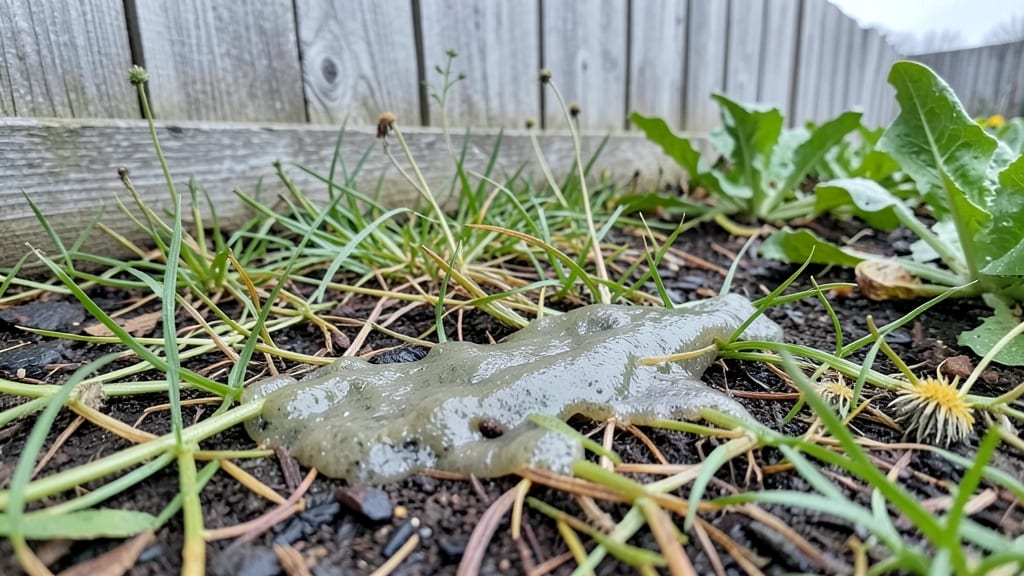
That slimy film on your lawn isn't just gross—it's a sign your grass is fighting something unseen. 🌱 Whether it's slime mold, algae, or bacterial growth, the good news is you can tackle it with simple household ingredients like vinegar and baking soda.
I've scrubbed this stuff off my yard twice, and the first step is figuring out what you're really dealing with.
The problem usually starts with moisture—too much shade, poor drainage, or damp mornings create the perfect breeding ground. Slime mold looks like neon green or gray goo, algae forms dark green streaks, and bacterial slime leaves a slimy, wet feel.
Most of the time, it's harmless, but it makes your lawn look neglected and can weaken grass over time.
You'll need a spray bottle, white vinegar, baking soda, and a stiff brush. The vinegar-baking soda mix kills the slime without harming your grass, and you'll see results within 24 hours.
The lawn will dry out, the slimy film will disappear, and your grass will start looking healthy again—no harsh chemicals needed.
For stubborn cases, repeat the treatment once a week until the slime is gone. If the problem keeps coming back, check your lawn's drainage or consider overseeding with shade-tolerant grass. And if you're still stuck, a quick call to a local lawn care pro can save you the guesswork.
The Hidden Causes Behind Slimy Grass
That mysterious, slippery residue clinging to your lawn isn’t just an eyesore—it’s often a sign of underlying issues. Understanding why it happens is the first step to restoring your grass to its lush, dry glory.
Below, we break down the most common culprits, backed by science, so you can tackle the root of the problem.
🌱 Overwatering and Poor Drainage
Grass thrives on moisture, but too much water—especially in stagnant areas—creates the perfect breeding ground for slimy buildup. Here’s why:
- Excessive moisture softens the soil, allowing organic matter (like decomposing leaves or algae) to mix with water and form a slimy film.
- Compacted soil (common in high-traffic areas) prevents proper drainage, trapping water and nutrients that feed slimy microbes.
- Fungal growth, such as Pythium or Rhizoctonia, thrives in damp conditions, producing a slimy, gelatinous layer on blades.
Actionable fix: Test your soil’s drainage by digging a small hole—if water pools after 6 hours, aerate or amend with sand/compost. Water deeply but less frequently to encourage root growth and reduce surface moisture.
🦠 Algae and Microbial Overgrowth
Algae isn’t just green—it’s slimy. When sunlight, water, and nutrients align (often in shaded or low-traffic areas), algae blooms create that telltale slippery layer. But it’s not just algae—bacteria and fungi also contribute:
- Algae (e.g., Chlorella or Spirogyra) multiplies rapidly in warm, wet conditions, forming a thick, slimy mat.
- Bacteria like Cyanobacteria (blue-green algae) produce sticky biofilms that cling to grass blades.
- Fungal spores from decomposing plant matter or pet waste can create a slimy, almost "snot-like" residue.
Actionable fix:
- Reduce shade by trimming overhanging branches or thinning dense foliage.
- Apply a copper-based algaecide (like copper sulfate) or a hydrogen peroxide solution (3% mix) to kill microbial growth.
- Avoid over-fertilizing—excess nitrogen fuels algae blooms.
🐕 Pet Waste and Organic Debris
Dog urine, bird droppings, and rotting leaves aren’t just unsightly—they’re chemical cocktails that create slimy grass. Here’s the science:
- Uric acid (from bird droppings) and urea (from urine) break down into ammonia, which raises soil pH and encourages slimy microbial growth.
- Decomposing organic matter (like fallen leaves or grass clippings) ferments in moisture, producing a slimy, anaerobic byproduct.
- Pet waste enzymes can create a sticky, almost "glue-like" residue when mixed with dew or rain.
Actionable fix:
- Clean up pet waste immediately—rinse areas with urine with water to dilute ammonia.
- Rake away leaf litter and debris regularly to prevent fermentation.
- Use a vinegar-water spray (1:1 ratio) to neutralize urine odors and break down organic slime.
🌡️ Extreme Heat and Humidity
Hot, humid weather doesn’t just make grass wilt—it turns it into a slimy science experiment. Here’s how:
- High temperatures accelerate microbial activity, causing bacteria and fungi to multiply faster.
- Condensation from dew or morning fog mixes with organic particles, creating a slimy coating.
- Evaporation slowdown in humidity means moisture lingers longer, prolonging slimy conditions.
Actionable fix:
- Water early in the morning to allow grass to dry before heat sets in.
- Use a lawn fan or improve airflow in shaded areas to reduce humidity buildup.
- Apply a light layer of sand to compacted areas to help moisture evaporate faster.
Now that you know the why, you’re ready to target the how. The good news? Most slimy grass issues are reversible with the right adjustments. Start with drainage, then tackle microbial growth, and you’ll be back to a crisp, clean lawn in no time.
Quick fixes for sticky grass problems
Got gooey patches on your lawn that won’t budge? Whether it’s leftover slime from kids’ playtime, spilled sports gear residue, or even natural sap buildup, these targeted fixes will restore your grass to its lush best—without harsh chemicals.
Below, we’ve matched the most common causes to the easiest, most effective solutions, plus pro tips to keep your lawn clean for good.
🧼 Fix Slime from Outdoor Play or Sports Gear
Cause: Kids’ slime, sports drinks, or sticky residue from cleats and balls.
How to Remove It:
1️⃣ Blot first, spray second: Use a dry towel or paper towels to soak up as much slime as possible before treating it. This prevents the mess from spreading deeper into the grass.
2️⃣ Vinegar spray attack: Mix equal parts white vinegar and warm water in a spray bottle. Liberally spray the affected area, focusing on the sticky spots. Let it sit for 10–15 minutes to break down the slime.
3️⃣ Scrub gently: Use a stiff-bristle brush (like a lawn rake) to work the vinegar into the grass fibers. For stubborn spots, add a tablespoon of baking soda to the vinegar mix for extra grit.
4️⃣ Rinse thoroughly: Hose down the area with water to wash away the dissolved slime. Repeat if needed for thick buildup.
💡 Pro Tip: If the slime is super sticky (like from glitter slime or sports gels), add a few drops of dish soap to your vinegar mix. The soap cuts through grease and synthetic residues without harming grass.
🌿 Remove Natural Sap or Tree Residue
Cause: Sticky sap from trees, berries, or pine needles that coats the grass.
How to Remove It:
1️⃣ Scrape off excess: Use a plastic putty knife or credit card to gently scrape off thick sap layers. Avoid metal tools—they can damage grass blades.
2️⃣ Rubbing alcohol trick: Dampen a cloth with 70% isopropyl alcohol (or vodka in a pinch!) and wipe the sap stains. Alcohol dissolves natural resins without leaving a film.
3️⃣ Baking soda scrub: For dried-on sap, sprinkle baking soda over the area, then lightly mist with water. Scrub with a brush and rinse. The baking soda lifts the sticky residue.
4️⃣ Prevent future buildup: Trim branches hanging over your lawn to reduce sap drips. If pine needles are the culprit, rake them up regularly—they’ll decompose and leave behind a sticky mess.
🌡️ Warning: Avoid bleach or ammonia-based cleaners for sap removal. They can burn grass and leave yellow patches.
🚫 Stop Stains Before They Start: Prevention Tips
Even the best cleanup can’t compete with a little foresight. Try these habits to keep your lawn slime-free:
- 🧹 Designate a play zone: Lay down a plastic tarp or play mat where kids play with slime or sports gear. Secure the edges with weights or stakes to prevent wind shifts.
- 🌧️ Rinse after rain: If your lawn gets a lot of sap or pollen, hose it down after storms to wash away sticky debris before it sets.
- 🪴 Trim strategically: Prune tree branches in late winter (before sap flows heavily) to minimize drips onto grass.
- 🧴 Use pet-safe cleaners: If your dog’s muddy paws are the culprit, keep a bucket of water + a capful of Dawn dish soap near the door. Scrub paws before they track slime onto the lawn.
- 🌱 Overseed bare spots: Thick grass grows faster and resists stains better. Overseed thin areas in fall for a lush, resilient lawn.
Remember: Most slime and residue can be lifted with vinegar, baking soda, or rubbing alcohol—no need for toxic lawn chemicals. Test any solution on a small patch first to ensure it won’t discolor your grass.
Frequently asked questions
Is slime on grass harmful to my lawn?
The slimy film itself is usually harmless but can signal underlying issues like fungal growth or poor drainage. If left untreated, it may weaken grass over time by blocking sunlight and air flow. Addressing the cause (like overwatering or pet waste) is key to long-term lawn health.
How do I tell if it's algae vs. fungal slime?
Algae typically appears as green streaks or mats, especially in shaded areas, while fungal slime looks grayish or white and feels slimy to the touch. Test a small patch—if it dissolves in vinegar, it's likely algae; if it resists, fungal spores may be the culprit.
Why does slime keep coming back after treatment?
Recurring slime often means the root cause persists—check for poor drainage, pet waste buildup, or excessive shade. Adjust watering habits, clean up organic debris, and aerate compacted soil to prevent future outbreaks.
Is vinegar safe for all types of grass?
White vinegar is generally safe for most grass types when used properly, but it can temporarily bleach delicate varieties like bentgrass. Always test a small area first and avoid overapplying—diluted vinegar (1:1 with water) works best.
When should I call a lawn care professional?
If slime persists after 2-3 treatments, spreads rapidly, or accompanies yellowing grass, consult a pro. Severe cases may require specialized equipment or soil testing to identify hidden problems like bacterial infections.