
Lawn
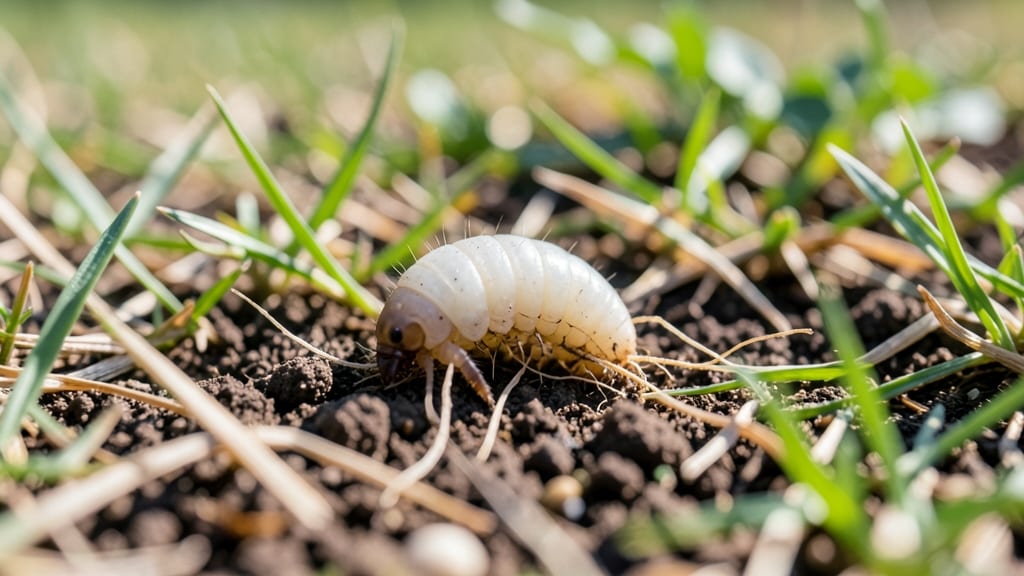
Your lawn’s brown patches aren’t just heat stress—they’re grubs in lawn feasting on roots. 🌱 I’ve seen healthy grass turn into a patchwork of dead spots overnight, and the key to stopping it is spotting these signs early before the damage spreads.
Start by lifting a small section of turf—if you find white, C-shaped larvae (grubs) wriggling in the soil, that’s your culprit. Other red flags: moles tunneling, spongy grass that rolls like a carpet, or birds pecking at the ground like it’s an all-you-can-eat buffet. The good news?
You can fix this. Organic options like beneficial nematodes or milky spore work slowly but safely, while chemical treatments deliver faster results. The real secret? Healthy lawns resist grubs better—thick grass crowds out their favorite snack. Don’t wait until your lawn looks like a golf course rough.
Act now, and you’ll save thousands of grass blades—and your sanity—this season.
The Hidden Triggers Behind Grubs
Grubs don’t just appear out of nowhere—they’re the result of a perfect storm of conditions that turn your lawn into a five-star buffet. Understanding these triggers helps you stop the problem before it starts. Here’s why your lawn becomes a grub magnet:
Grubs thrive in moist, soft soil—think of it as their ideal spa retreat. When lawns receive too much water (especially from frequent, shallow watering) or sit in poorly drained areas, the soil stays damp longer than necessary.
This creates the perfect environment for: - Egg-laying adult beetles (like Japanese beetles or June bugs) to burrow into the soil. - Grub larvae to hatch and feed undisturbed, weakening grass roots.
Why it matters: Overwatering doesn’t just waste resources—it turns your lawn into a grub nursery. Even "light" watering can be too much if the soil doesn’t dry out between sessions.
A thick layer of thatch (dead grass, roots, and debris) acts like a cozy blanket for grubs. It:
- Traps moisture near the soil surface.
- Provides shelter from predators (like birds or beetles).
- Insulates the soil, keeping it warm and inviting for larvae.
How it happens:
- Heavy foot traffic compacts the thatch layer.
- Over-fertilizing (especially with nitrogen) encourages rapid grass growth, which sheds more debris.
- Infrequent dethatching allows buildup to reach ½ inch or thicker, a grub’s dream.
Grubs start as eggs laid by adult beetles in late spring and summer. These pests are drawn to:
- Healthy, lush lawns (they prefer well-fed grass for egg-laying).
- Warm, sunny days (ideal for beetle activity).
- Mowed grass clippings (which can attract beetles to lay eggs).
The cycle:
- Beetles feed on leaves/flowers during the day.
- At dusk, they fly to lawns to lay eggs in the top 1–2 inches of soil.
- Eggs hatch in 7–14 days, releasing grubs that tunnel through roots.
Grubs are cold-blooded—they’re most active when:
- Soil temperatures stay above 50°F (10°C) for prolonged periods.
- Humidity is high, keeping the soil moist without overwatering.
- Summer rains create temporary puddles, softening the soil for easy digging.
Peak risk periods:
- Late spring to early fall (when beetles are most active).
- After heavy rain (grubs surface to feed, making them easier to spot).
Grubs love fast-growing grass because it’s easier to munch. Excess nitrogen:
- Encourages tender, soft roots (a grub’s favorite snack).
- Attracts beetles looking for nutrient-rich soil to lay eggs.
- Weakens grass resilience, making it more vulnerable to grub damage.
The catch: Even organic fertilizers (like manure) can overdo it if applied too frequently.
Stressed or thin grass can’t fight off grubs effectively. Common culprits:
- Pests or diseases (like fungal infections) weakening roots.
- Compacted soil (from foot traffic or heavy equipment) reducing oxygen flow.
- Improper mowing (cutting grass too short, exposing roots to grubs).
Grubs find it easier to strip roots bare, leading to brown patches and dead spots.
Grubs often target:
- Shady spots (where grass grows slower, making it easier for them to feed).
- Compacted soil (from construction, pets, or machinery), which:
- Reduces root depth, making grass more susceptible.
- Traps moisture, creating a grub-friendly zone.
Pro tip: Aerate compacted areas in spring or fall to disrupt grub habitats and improve drainage.
How to Fix Lawn Grub Damage
Once you’ve spotted the signs—uneven patches, wilting grass, or critters digging up your lawn—it’s time to take action. Grubs are pesky but beatable! The key is to tackle them early with the right methods, whether you prefer natural fixes or targeted treatments.
Below, we’ll break down cause-specific solutions to restore your lawn’s health and keep grubs from returning.
Grubs thrive in soggy, poorly drained lawns where roots struggle. If your soil is waterlogged or compacted, they’ll feast on weak grass like an all-you-can-eat buffet.
How to Fix It:
- 💦 Improve Drainage
- Test your soil’s drainage by digging a 6-inch hole and filling it with water. If it drains in under 6 hours, you’re good; if not, amend the soil.
- Mix in sand or organic compost (2-3 inches) to loosen compacted areas. A core aerator 🪴 can also help by creating channels for water and roots.
- ⏰ Adjust Watering Habits
- Water deeply 2-3 times per week (early morning is best) instead of daily light sprinkles. This encourages deep root growth, making grass resilient to grubs.
- Avoid overwatering—grubs love moisture! Aim for 1 inch of water per week (including rain).
- 🌱 Overseed Bare Spots
- After treating grubs, fill thin areas with grub-resistant grass seed (like tall fescue or Kentucky bluegrass). Keep the soil moist until germination.
💡 Prevention Tip: Install a French drain or swales (shallow trenches) in low-lying areas to redirect excess water away from your lawn.
If you’ve confirmed grubs are the culprit (via the "soda pop test" or digging), it’s time to strike back. Choose between natural, organic, or chemical controls based on your lawn’s needs.
👨🍳 Organic & Natural Solutions
- 🔪 Beneficial Nematodes (Best for Early Stages) - These microscopic worms paralyze and kill grubs naturally.
Apply them in late summer or early fall when grubs are young and vulnerable. - How to apply: Mix with water and spray evenly over the lawn in the evening (they hate sunlight). Reapply every 4-6 weeks.
- 🌡️ Milky Spore or Bacillus thuringiensis (Bt)
- Milky spore is a bacteria that infects grubs over time (great for long-term prevention).
- Bt (Dipel or Thuricide) is a fast-acting spray that grubs ingest when they eat treated grass. Reapply every 2 weeks until grubs are gone.
- 🎯 Hand-Picking (For Small Lawns)
- If your lawn is small, dig up infested areas (6-8 inches deep) and scoop out grubs with a trowel. Dispose of them in soapy water. This works best in late summer or early fall.
💊 Chemical Controls (For Severe Infestations)
If organic methods aren’t cutting it, insect growth regulators (IGRs) or grub-specific pesticides can help.
Popular options include: - Imidacloprid (Merit) – Systemic treatment absorbed by grass roots. - Chlorantraniliprole (Scotts GrubEx) – Kills grubs on contact and repels new ones. - Apply in: Late summer or early fall (when grubs are larvae and feeding).
⚠️ Pro Tip: Always follow label instructions for safety, and avoid treating if rain is forecasted within 24 hours.
The best defense is a healthy, grub-proof lawn. Here’s how to stay ahead:
- 🌱 Maintain Proper Lawn Care
- Mow high (3-4 inches) to shade soil and deter grubs.
- Fertilize 3-4 times per year with a balanced, slow-release formula (grubs love weak, nitrogen-starved grass).
- Aerate annually to prevent soil compaction.
- 🐛 Encourage Natural Predators
- Birds (like robins and skunks), toads, and ground beetles eat grubs. Plant native flowers or leave some leaf litter to attract them.
- 🔄 Rotate Treatments
- If you use chemical controls, rotate active ingredients yearly to prevent resistance.
- 🚫 Avoid Over-Fertilizing with Nitrogen
- Too much nitrogen = soft, tasty grass for grubs. Stick to moderate feeding schedules.
Final Thought: Grubs may be sneaky, but with the right mix of prevention, early detection, and targeted action, you can reclaim your lawn without breaking the bank.
Start with drainage fixes, then reinforce with natural or chemical treatments as needed. Soon, your grass will be too tough for grubs to handle! 🌿💪
Frequently asked questions
How do I confirm if brown patches are caused by grubs?
Use the "soda pop test": Pour a can of soda pop (the carbonation kills grubs) on a patch. If skunks or raccoons dig there within 24 hours, you’ve got grubs. For visual confirmation, lift a small section of turf—look for white, C-shaped larvae in the soil.
Why do moles appear when I have grubs?
Moles love eating grubs—they can consume 50-100 grubs per day! Their tunnels create air pockets that weaken grass roots, making your lawn look even worse. The good news: Treating grubs often reduces mole activity within weeks.
Can I still treat grubs in winter?
Grubs go dormant in cold weather, so treatments won't work until soil temps reach 50°F (10°C). Focus on late summer or early fall applications when grubs are most active. Winter is perfect for aerating and overseeding to strengthen grass before next season.
Are there any DIY grub treatments that actually work?
Yes! For small areas, try neem oil spray (disrupts grub feeding) or diatomaceous earth (dehydrates them). For larger lawns, beneficial nematodes (like Heterorhabditis bacteriophora) are the most effective natural solution when applied correctly.
How long does it take to see results after treating grubs?
With chemical treatments, you may see improvement in 2-4 weeks. Organic methods like nematodes take 4-6 weeks to fully work. The key is consistency—reapply as needed, and combine treatments with proper lawn care for best results.