
Pests
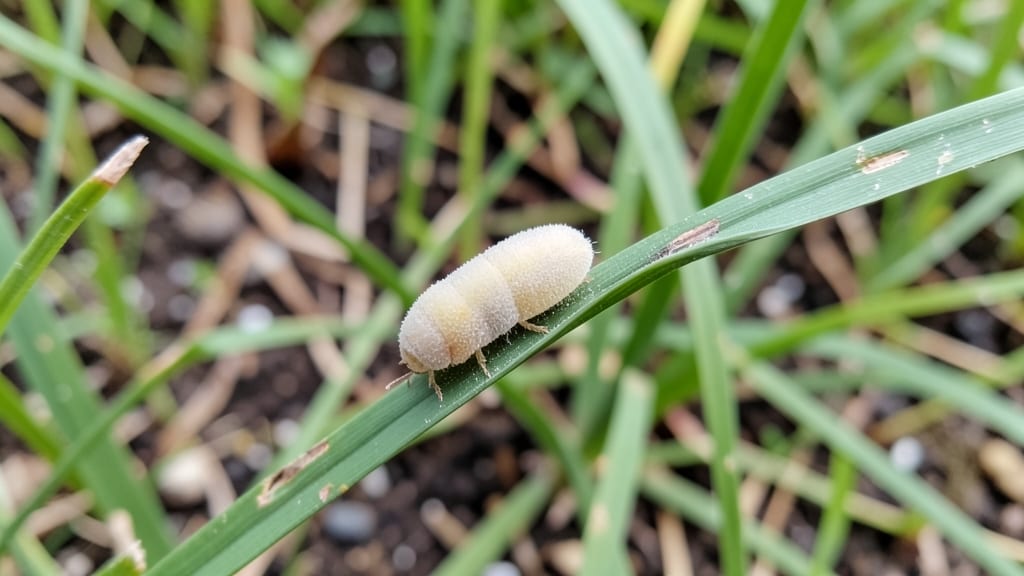
Rhodes grass mealybugs turn lush lawns into sticky, stunted messes faster than you’d think. 🌱 I’ve seen them devour entire patches of grass, leaving behind that telltale white fluff and a residue that looks like someone dripped honey everywhere.
The good news? You don’t need harsh chemicals to fight back—just the right approach.
The problem starts small: these tiny pests suck sap from grass blades, weakening roots and turning vibrant green into dull, patchy growth. By the time you notice the sticky residue (called honeydew), they’ve already built a colony.
But their slow movement makes them easy to spot if you know what to look for—white cottony clusters on stems or blades, especially near the soil line.
Natural control works, and it’s simpler than you’d expect. Start with a strong blast of water to dislodge them, then introduce ladybugs or lacewings, their natural predators. For stubborn infestations, neem oil or insecticidal soap (applied at dusk) does the job without harming your lawn.
Within 2-3 weeks, you’ll see the pests retreat—and your grass bounce back.
Prevention is even easier: keep your lawn healthy with proper watering and mowing, and check for early signs after heatwaves. Once you’ve tackled an infestation, these steps keep them from coming back. No more sticky surprises, just green grass all season.
Root Causes of Mealybug Outbreaks
The rhodes grass mealybug doesn’t just appear out of nowhere—it thrives due to specific environmental and ecological triggers. Understanding these causes is key to preventing infestations before they spiral out of control.
Below, we break down the science behind why these pests become a problem, so you can address the real issues at their source.
🌡️ Warm, stable climates create ideal conditions
The rhodes grass mealybug adores warmth and humidity. Unlike many pests that struggle in fluctuating temperatures, these insects prefer:
- Consistent heat (75–95°F): They reproduce rapidly when temperatures stay within this range, with egg-laying accelerating in the 80s.
- High humidity (60%+): Dry conditions stress them, but moisture-rich environments (like shaded or irrigated lawns) allow them to thrive year-round.
- Drought-stressed plants: When grasses like Chloris gayana (rhodes grass) are water-deprived, their sap becomes sweeter—a mealybug buffet.
Actionable fix: Improve airflow with proper mowing heights (3–4 inches) and avoid overwatering. If your region is naturally hot/humid, monitor susceptible grasses daily during peak season (spring–fall).
🌱 Weakened plants attract infestations
Mealybugs target plants already under stress. Their favorite hosts—like rhodes grass—suffer from:
- Nutrient deficiencies: Low nitrogen or potassium weakens cell walls, making sap easier to access.
- Compacted soil: Poor root growth from compaction reduces plant resilience, signaling mealybugs to feed.
- Fungal/bacterial infections: Damaged tissues ooze sugars, creating sticky "honeydew" that attracts mealybugs and sooty mold.
Actionable fix: Conduct a soil test and amend with compost or slow-release fertilizer. Aerate compacted areas in early spring to boost root health.
🐝 Disrupted natural predators tip the balance
In healthy ecosystems, predators like lady beetles, parasitic wasps, and aphid midge larvae keep mealybug populations in check. But human activity often disrupts this balance:
- Overuse of broad-spectrum pesticides: Chemicals like neonicotinoids kill beneficial insects faster than mealybugs, creating a vacuum.
- Monoculture landscaping: Planting large swaths of rhodes grass removes biodiversity, starving predator species.
- Urbanization: Paved surfaces and sealed gardens eliminate habitat for natural enemies.
Actionable fix: Introduce predator-friendly plants (e.g., dill, yarrow, or native wildflowers) near infested areas. If pesticides are necessary, use targeted options like horticultural oil or insecticidal soap after peak predator activity (early morning or late evening).
🌍 Human activity spreads infestations
Mealybugs hitchhike on everything. Their spread is often accidental but devastating:
- Contaminated equipment: Mowers, trimmers, and tools moved between infested and clean areas transfer eggs or crawlers.
- Plant trade and nursery sales: Infested rhodes grass plugs or hay spread pests to new regions.
- Travel and tourism: Outdoor gear, shoes, or even clothing can carry mealybugs between properties.
Actionable fix: Quarantine new plants for 2 weeks and inspect them for cottony masses or sticky residue. Clean tools with 70% isopropyl alcohol between uses, and avoid sharing equipment.
Pro tip: 🌡️ Monitor microclimates—shady, mulched areas near buildings trap heat and humidity, creating mealybug hotspots. Use reflective mulch or gravel to reduce soil temperature in these zones.
Natural Ways to Control Mealybug Infestations
Mealybugs on rhodes grass can feel like a never-ending battle, but with the right approach, you can reclaim your lawn without harsh chemicals. Below, we’ve mapped out practical, nature-friendly solutions tailored to the root causes—whether it’s overcrowded plants, poor drainage, or an existing infestation.
Follow these steps to eliminate mealybugs and prevent future outbreaks effortlessly.
🌿 When Mealybugs Hide in Overgrown or Dense Grass
Cause: Thick, unkempt grass provides the perfect shelter for mealybugs to thrive undetected. Fix: Thin out the grass and improve airflow to starve them out.
- 🔪 Trim and Aerate
- Use sharp shears or a string trimmer to cut back overgrown rhodes grass, focusing on dense patches where mealybugs cluster.
- Aerate the soil (rent a core aerator or use a garden fork) to loosen compacted earth, allowing roots to breathe and reducing hiding spots.
- 🌞 Boost Sunlight Exposure
- Mealybugs love shade—thin out grass clumps to let sunlight penetrate deeper.
- If possible, mow higher (3–4 inches) to encourage taller, healthier growth that’s less appealing to pests.
- 💦 Water Deeply but Less Often
- Overwatering creates a damp, mealybug-friendly environment. Instead, water deeply 2–3 times per week (early morning) to promote drought-tolerant roots.
🐜 When Mealybugs Are Already Feeding on Your Grass
Cause: Visible cottony clusters or sticky residue (honeydew) mean the infestation is active. Fix: Targeted removal and disruption of their life cycle.
- 👨🍳 Handpick and Squish (Yes, Really!)
- Wear gloves and use a damp cloth or cotton swab dipped in rubbing alcohol to wipe away mealybugs and their eggs.
- Squish adults with your fingers—it’s gross but effective for small outbreaks.
- 🍳 Introduce Beneficial Predators
- Ladybugs, lacewings, and parasitic wasps (like Anagyrus pseudococci) devour mealybugs. Buy them online or attract them with neem oil-sprayed plants.
- Pro tip: 🌡️ Place a shallow dish of water with a drop of honey near infested areas to lure predators.
- 🌿 Apply Organic Sprays (Safe & Effective)
- Neem oil spray (1 tsp neem oil + 1 tsp mild soap + 1 quart water): Spray directly on mealybugs (reapply every 5–7 days).
- Insecticidal soap (1.5 tbsp castile soap + 1 quart water): Spray until glossy wet, focusing on undersides of leaves.
- 💡 Caution: Test sprays on a small grass patch first to avoid harming beneficial insects.
- 🔥 Solarize Infested Patches (For Severe Cases)
- Cover the area with clear plastic sheeting for 4–6 weeks in hot sun (temperatures above 100°F). This bakes out mealybugs and eggs.
- Best for small, contained sections—not ideal for large lawns.
🛡️ Prevention: Keep Mealybugs From Returning
Cause: Weak plants or neglected care invite repeat infestations. Fix: Strengthen your grass’s defenses with these long-term strategies.
- 🌱 Improve Soil Health
- Test your soil (DIY kits from garden centers) and amend with compost or organic fertilizer to boost grass resilience.
- Avoid synthetic fertilizers—they can stress plants, making them more susceptible to pests.
- 🌿 Rotate Grass Types
- Plant diverse grass species (e.g., mix rhodes grass with Bermuda or zoysia) to disrupt mealybug life cycles.
- Overseeding with clover or creeping charlie can crowd out mealybugs naturally.
- 🔍 Monitor Regularly
- Check undersides of leaves and grass nodes every 2 weeks for early signs (white cottony masses).
- 💡 Pro tip: Use a flashlight at dusk—mealybugs are more active in low light.
- 🚫 Avoid Common Mistakes
- Don’t ignore honeydew (sticky residue)—it attracts sooty mold, which weakens grass.
- Avoid broad-spectrum pesticides—they kill beneficial insects that keep mealybugs in check.
⏰ Timeline for Results
| Action | Time to See Improvement |
|---|---|
| Handpicking + sprays | 1–2 weeks |
| Beneficial insects | 2–4 weeks |
| Soil/aeration fixes | 4–6 weeks |
| Solarization | 4–6 weeks |
Final Thought: 🎯 Consistency is key—mealybugs multiply fast, but so do your defenses. Start with one or two methods, track progress, and adjust as needed. With patience and nature’s help, your rhodes grass will bounce back pest-free and lush!
Frequently asked questions
How do I tell if my Rhodes grass has mealybugs?
Look for tiny, cottony white clusters on stems or leaf undersides—these are mealybugs! You’ll also spot sticky residue (honeydew) on blades, which can attract sooty mold. Check grass nodes and soil line closely, especially after warm, humid weather.
Why do mealybugs love Rhodes grass so much?
Rhodes grass thrives in warm, humid conditions—perfect for mealybugs! Their sap is sweet when plants are stressed (from drought or poor soil), making it irresistible. Plus, dense grass provides hiding spots, letting them multiply unnoticed.
Can I use soap spray on my entire lawn?
Test it first on a small patch! Insecticidal soap (like castile soap) works great on mealybugs but can harm beneficial insects if overused. Apply at dusk to avoid harming pollinators, and reapply every 5–7 days until pests disappear.
How long does it take to see results after treatment?
Handpicking + sprays show improvement in 1–2 weeks, while introducing ladybugs may take 2–4 weeks. Soil fixes or solarization take longer (up to 6 weeks). Consistency is key—keep up treatments until mealybugs vanish!
Will mealybugs come back if I don’t change my lawn care?
Weak grass and poor soil create perfect conditions for repeat infestations. Strengthen your lawn with aeration, compost, and diverse grass types to disrupt their life cycle—prevention is easier than treatment!