
Lawn
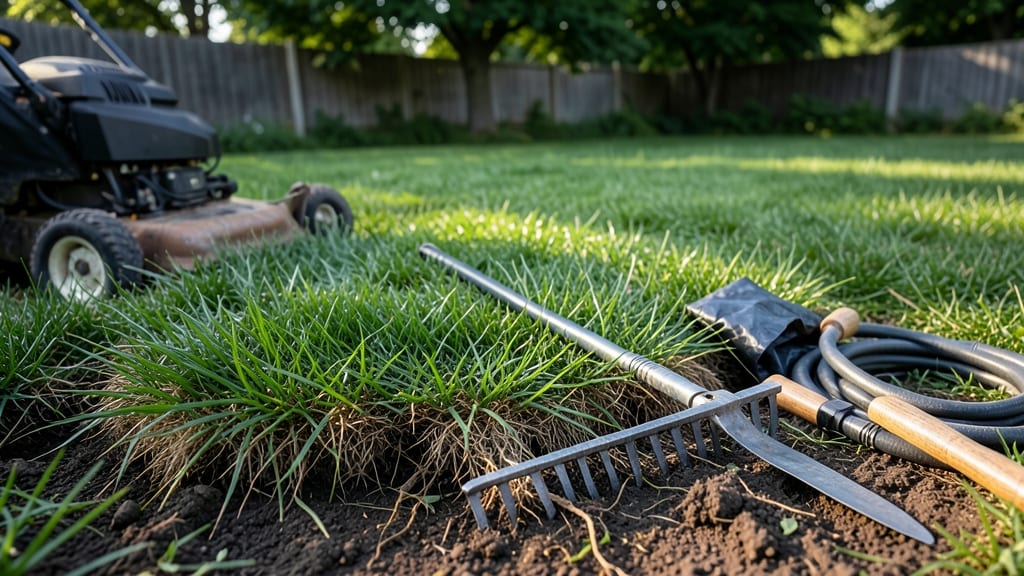
A remove grass lawn machine with boiling water spot treatment kills stubborn grass roots without chemicals. 🌱 I’ve used this method to clear stubborn lawn patches for new garden beds—it’s fast, eco-friendly, and works where herbicides fail.
The key is precision: you’re not trying to kill everything, just the grass in spots you want to reclaim. You’ll need a large pot for boiling water, a long-handled spoon or ladle, and a pair of gloves.
Work on a dry day when the grass is actively growing—this method relies on heat transfer to the roots. For large areas, repeat treatments over a few weeks until the grass dies back completely. After treatment, the grass will turn brown and crispy within days.
Pull up the dead roots by hand or use a garden fork to loosen the soil. What’s left is clean, grass-free ground ready for mulch, plants, or new garden beds. This works best for spot treatments, not entire lawns.
For larger areas, consider smothering with cardboard or a thick layer of mulch instead. Either way, you’ll avoid the mess and expense of chemical herbicides.
📚 In This Guide
- What you need
- Instructions
- Tips and common mistakes
- Wrapping up and next steps
What you need
- ● Boiling water: At least 2–3 gallons (or a large insulated kettle/pot for quick heating). Pro tip: Use a boiling water spot treatment wand (like a weed burner) for precision!
- ● Remove grass lawn machine: A boiling water weed killer (e.g., Weed Dragon, Weed Zapper, or DIY setup with a hose attachment). Ensure it’s rated for 212°F+ (100°C+) water.
- ● Protective gear: Heavy-duty gloves (heat-resistant, like gardening rubber gloves or insulated work gloves).
- ● Long sleeves/pants (avoid synthetic fabrics—opt for cotton or wool to prevent burns).
- ● Closed-toe shoes (steel-toe boots recommended if working near hot water).
- ● Measuring tool: A spray bottle with measurements or graduated cup (to ensure consistent water application).
- ● Trash bags/newspaper: For collecting dead grass clippings and debris post-treatment.
- ● Vinegar (20–30% acetic acid): Mix 1 part vinegar + 1 part water for a pre-treatment to soften roots (use cautiously—can harm nearby plants).
- ● Salt (rock or kosher): Sprinkle lightly (½ cup per gallon of water) to enhance weed-killing (avoid in drought-prone areas!).
- ● Garden hose with nozzle: For rinsing tools or diluting mixtures if needed.
- ● Sunny day: Ideal for treating weeds—direct sunlight helps boiling water penetrate deeper!
How to kill stubborn weed roots with boiling water
Here's my go-to method for spot-treating weeds without harsh chemicals—just boiling water and precision timing.
🌱 Step 1: Identify Target Areas and Clear Debris
Walk your lawn and mark the exact spots where weeds have thick roots or regrow stubbornly. Focus on areas where the grass is already thin or dead—these are your weak points. Use a garden rake to clear away loose grass clippings, leaves, and debris from the treatment zones. You're aiming for direct contact between the boiling water and the weed roots, so the cleaner the surface, the better the results.
I like to work on a dry day when the ground isn't saturated. If the soil is too wet, the boiling water will spread unevenly and lose its effectiveness. Test the soil by pressing your finger into it—if it feels damp but not soggy, you're good to go.
💧 Step 2: Boil Water and Prepare Your Equipment
Fill a large watering can or a heavy-duty kettle with 2-3 gallons of water—enough to cover the weed roots thoroughly. Bring it to a full rolling boil, which means the water should be steaming vigorously. I use a thermometer to confirm it reaches 212°F—this is critical for killing roots deep in the soil.
While the water heats, put on thick gardening gloves and protective eyewear. Boiling water causes severe burns, so safety first. Keep a small shovel or trowel nearby to help direct the water flow if needed. I also like to have a spray bottle with water on hand to cool the surrounding grass if the boiling water spreads too far.
☀️ Step 3: Apply Boiling Water Precisely to Weed Roots
Pour the boiling water slowly and directly onto the weed roots, aiming for the base where the stem meets the soil. You'll see the water bubble and steam as it penetrates—this is how you know it's working. For deep-rooted weeds, pour at least 1 quart of boiling water per spot, letting it soak into the soil for 30-60 seconds before it cools.
Don’t oversaturate the surrounding grass—you want to kill the weeds, not scorch your lawn. If the water starts to spread beyond the target area, use your trowel to gently redirect it. Watch for the weed leaves to wilt and turn brown within minutes—that’s your signal the roots are dying.
⏰ Step 4: Monitor and Retreat as Needed
Check the treated spots every 2-3 days for new growth. If the weed regrows, repeat the boiling water treatment—sometimes it takes 2-3 applications to fully eradicate stubborn roots. Avoid watering the area for 48 hours after treatment to let the heat penetrate deeper into the soil.
Once the weeds are completely dead (usually 1-2 weeks after the final treatment), overseed the bare spots with grass seed and cover lightly with soil. Keep the area moist until the new grass establishes itself. This method works best in warm weather (70-85°F), when weeds are actively growing and absorbing the heat.
✂️ Step 5: Maintain Your Lawn for Long-Term Prevention
After eliminating the weeds, focus on strengthening your lawn to prevent regrowth. Mow regularly to keep grass healthy and competitive, and apply a balanced fertilizer every 6-8 weeks during the growing season. Aerate compacted soil in the fall to improve root penetration and reduce weed opportunities.
I’ve found that a pre-emergent herbicide applied in early spring can also help block new weeds before they sprout. But if you prefer a chemical-free approach, hand-pulling any new weeds as soon as they appear keeps your lawn looking sharp. Consistency is key—weeds don’t stand a chance when your grass is thick and vigorous.
Tips & tricks for effective weed root removal
Precision matters more than you'd think when tackling stubborn weeds—here's what I've learned after dealing with my own patchy lawn.
Targeting Technique: In Step 1, focus on the base of the weed where the stem meets the soil. This is where the roots are most vulnerable. I've found that using a small garden trowel to gently loosen the soil around the base first helps the boiling water penetrate deeper. The goal is to create a direct pathway for the 212°F water to reach those stubborn roots.
Equipment Upgrade: While a standard kettle works, I recommend using a watering can with a narrow spout for better control. This lets you pour the boiling water more precisely, reducing the risk of scorching your lawn. If you don't have one, a heavy-duty plastic pitcher with a handle works too—just be extra careful with the heat. Safety first, especially since we're dealing with water at 212°F.
Timing Secret: The 30-60 second soak time in Step 3 is crucial—don't rush it! You'll know it's working when you see vigorous steaming. For particularly tough weeds, I sometimes add 5-10 seconds to the soak time. The heat needs time to penetrate and cook the root system thoroughly. This is where patience pays off.
Weather Window: The instructions mention warm weather (70-85°F), but I've found the late afternoon works best. The sun has warmed the soil, helping the boiling water work more effectively. Also, treating when the ground is slightly dry (as mentioned in Step 1) prevents the water from spreading too quickly, giving you better control over the treatment area.
Pro Tips for Remove Grass Lawn Machine
- Precision matters more than you'd think when tackling stubborn weeds—here's what I've learned after dealing with my own patchy lawn.
- Targeting Technique: In Step 1, focus on the base of the weed where the stem meets the soil.
- Equipment Upgrade: While a standard kettle works, I recommend using a watering can with a narrow spout for better control.
Frequently asked questions
Can boiling water harm my existing grass if I accidentally spill it?
Boiling water is highly localized when applied with a spot treatment method—it’s designed to target weeds, not your entire lawn. However, if spilled, it can scorch grass. To avoid this, use a small container (like a kettle or watering can) and apply it directly to the weed roots. Always test a small area first for safety.
How long does it take for weeds to die after boiling water treatment?
You’ll typically see results within 24–48 hours, but complete eradication may take 1–2 weeks, depending on the weed type and root depth. For tough weeds like dandelions or clover, repeat the treatment if regrowth appears. Patience is key—boiling water kills by denaturing proteins, not instantaneously.
Is boiling water better than herbicides for removing grass?
Boiling water is a natural, chemical-free alternative, making it ideal for organic lawn care or areas with pets/kids. However, herbicides (like glyphosate) may work faster for large infestations. For spot treatment, boiling water is highly effective and safer for the environment. Weigh your priorities: speed vs. eco-friendliness!
What’s the best time of year to treat weeds with boiling water?
Spring and fall are the optimal seasons—weeds are actively growing, and roots are shallow, making them more vulnerable. Avoid treating in extreme heat or drought, as stressed plants may recover faster. Early morning applications work best to minimize evaporation and maximize effectiveness.
What if my lawn machine or kettle doesn’t have a pour spout?
No problem! Use a small funnel or even a rolled-up piece of aluminum foil to create a spout. For larger areas, consider a handheld pressure washer (set to low heat) or a dedicated weed burner tool. Safety first: always wear gloves and eye protection when handling boiling water.
Will boiling water kill grass seeds or new grass plants?
Yes, boiling water will kill any green growth, including newly planted grass seeds or seedlings. If you’re overseeding, wait 4–6 weeks post-treatment to allow the lawn to recover. For spot treatments near grass, use a shield (like cardboard) to protect surrounding areas.
Wrapping up and next steps
Transforming your lawn with a remove grass lawn machine and boiling water spot treatment is totally doable—even for stubborn weed roots! 🌱 With the right tools, safety precautions, and a patient approach, you’ll reclaim your yard without harsh chemicals.
Remember, consistency is key, and soon you’ll enjoy a lush, weed-free space.
Ready to take action? Grab your gear, start small, and tackle one section at a time! Your dream lawn is just a few steps away—let’s make it happen! 🚀