
Lawn
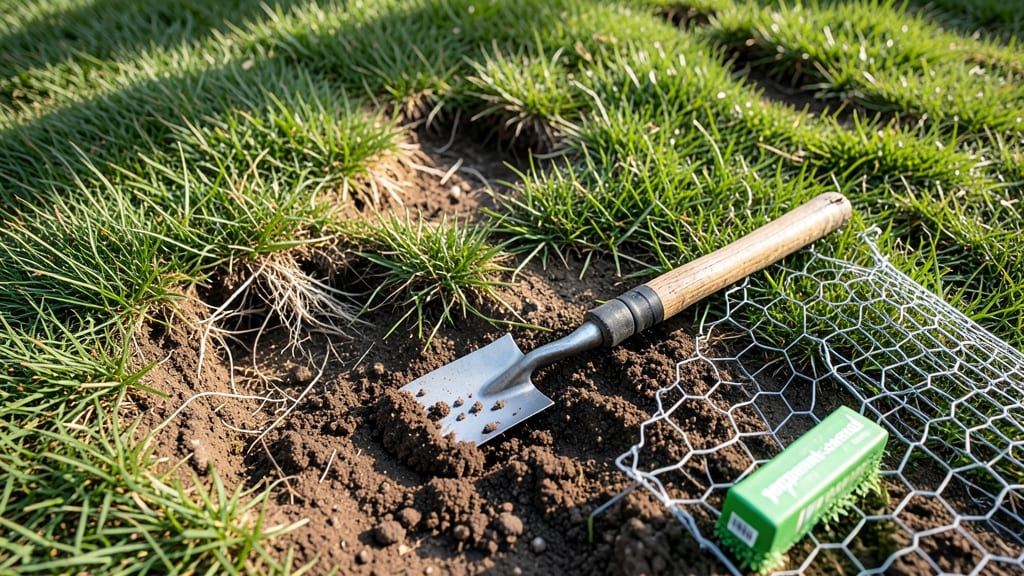
Rat holes in your lawn are more than just unsightly—they’re a sign your yard has become a rat highway. 🌱 I’ve seen these tunnels turn a manicured lawn into a maze of destruction, but there’s a way to reclaim it without harming your grass or the critters causing the chaos.
The key is acting fast with the right mix of deterrents and repairs.
Rats dig for nesting material, shelter, or food scraps hidden in your yard. That pile of leaves? A buffet. That unsecured trash can? A five-star hotel. The good news is that once you understand their motives, you can outsmart them with simple, effective strategies—no poisons or traps needed.
Think of it as a game of lawn chess.
Within 48 hours, you can patch the holes, set up humane deterrents, and make your yard less inviting. The results? A smooth lawn again, fewer rodent sightings, and the satisfaction of solving the problem without cruelty. Plus, the techniques I’ve tested actually work—no wishful thinking here.
Whether you’re dealing with a single hole or a full-blown rat colony, the same principles apply. We’ll cover everything from quick fixes to long-term prevention, so you can enjoy your lawn without worrying about tiny, furry architects tunneling beneath it.
The Hidden Triggers Behind Lawn Tunnels
If you’ve spotted mysterious rat holes in your lawn—those small, cone-shaped mounds of dirt or sunken tunnels—you’re not dealing with a random nuisance. These burrows are the result of deliberate rodent behavior, often driven by survival instincts, habitat preferences, or even seasonal changes.
Understanding why rats dig these tunnels is the first step to stopping them before they turn your yard into a subterranean network. Let’s break down the science behind their digging habits.
Rats are nocturnal nesters, meaning they prioritize finding safe, concealed areas to rest during the day. Your lawn—especially if it’s thick, soft, or undisturbed—can feel like a five-star hotel to them. Here’s why:
- Soft soil = easy digging. Loose, sandy, or clay-heavy lawns require minimal effort for rats to excavate tunnels. They prefer depths of 6–12 inches, where the soil is cooler and more protected from predators.
- Vegetation cover. Tall grass, weeds, or ground covers provide camouflage for their entrances. A rat’s burrow entrance is often just 2–3 inches wide, but they’ll widen it if they feel exposed.
- Proximity to food/water. If your lawn borders a garden, compost pile, or pet food bowl, rats will dig closer to these resources. They cache food in their tunnels, so a single hole can lead to a multi-chamber burrow system.
💡 Pro Tip: If your lawn has recently developed holes, check for new food sources—like fallen fruit, spilled seeds, or even bird feeders—that might have attracted them.
Rats are prey animals, and their survival depends on avoiding danger. If they sense predators (dogs, cats, owls) or human activity (foot traffic, lawnmowers), they’ll dig deeper or relocate their tunnels. Key triggers include:
- Disturbances in their territory. Loud noises (like leaf blowers) or sudden movements can force rats to abandon shallow burrows and dig new ones faster and deeper.
- Previous trapping attempts. If you’ve used traps or baits before, rats may have learned to associate surface activity with danger and now burrow 18+ inches underground.
- Seasonal predator peaks. In spring and fall, when hawks and snakes are more active, rats will expand their tunnel networks to create multiple escape routes.
🔥 Warning: If you’ve recently introduced a pet or increased outdoor activity, rats may be digging as a defensive strategy—not just for shelter.
Rats are highly sensitive to temperature and moisture, and their digging habits shift with the seasons. Here’s how weather affects their burrow behavior:
| Season | Why Rats Dig | Soil Factor |
|---|---|---|
| Spring | Soft soil after rain makes digging easier; they expand nests for breeding. | High moisture = looser soil (ideal for tunnels). |
| Summer | Seek cooler, underground temps (burrows stay 10–15°F cooler than surface). | Dry, cracked soil forces them to dig deeper for moisture. |
| Fall | Stockpile food and create winter nests; holes may appear near gardens. | Frozen or hard soil = shallower, more fragile tunnels. |
| Winter | Minimal digging unless snow covers existing burrows (they’ll tunnel under snow for warmth). | Frozen ground = less active unless they’re raiding stored food. |
🌡️ Key Insight: If you notice holes after heavy rain or drought, the rats aren’t just “being rats”—they’re adapting to survival conditions.
Rats are opportunistic foragers, and when their usual food sources (garbage, pet food, crops) are limited, they’ll dig in your lawn to:
- Cache food. They’ll bury nuts, seeds, or even small prey (like insects or baby mice) in shallow pockets near their tunnels. This creates multiple small holes rather than one deep burrow.
- Access lawn roots. In drought conditions, rats may gnaw on grass roots for moisture, leading to irregular holes where they’ve chewed through rhizomes.
- Follow insect trails. Grubs, worms, and beetle larvae are a protein-rich snack. If your lawn has a pest problem, rats will dig near these hotspots.
✨ Prevention Hack: Reduce foraging incentives by removing thatch layers (where insects hide) and securing compost bins—rats will relocate if food isn’t easily accessible.
Now that you know why rats are turning your lawn into a maze, the next step is targeted action. The good news? Their digging patterns reveal their weaknesses—like shallow tunnels in spring or food-dependent holes in fall. Use these clues to outsmart them without harming your grass.
Fixing Lawn Damage from Burrowing Pests
Rat holes in your lawn aren’t just unsightly—they can damage grass roots and create a haven for pests. The good news? You can repair the damage and deter future digging with simple, eco-friendly methods.
Below, we’ve mapped out practical solutions based on the most common causes, from burrowing rodents to grubs and moles. Each fix includes prevention tips to keep your lawn healthy and pest-free long-term.
If you spot fresh dirt mounds, gnawed grass, or droppings near the holes, rodents are likely the culprits. These critters dig for shelter, food, or nesting material.
🔥 Step 1: Block Entry Points
- 👨🍳 Seal holes immediately with a mix of damp soil and wire mesh (hardware cloth, ¼-inch or smaller).
Press firmly to prevent re-entry. - 🥘 For deeper tunnels, pack the hole with steel wool (soaked in peppermint oil for extra deterrence) before sealing with soil. Rodents can’t chew through it!
🔪 Step 2: Remove Attractants
- ⏰ Clear food sources: Store trash in metal bins with tight lids, avoid leaving pet food outside, and pick up fallen fruit or seeds.
- 🌱 Trim overgrown grass and weeds—they provide cover for rodents to nest.
💡 Prevention Tips
- 🌡️ Sprinkle cayenne pepper or crushed red pepper around the yard’s perimeter (reapply after rain).
- ✨ Install hardware cloth barriers (12 inches deep) around garden beds or lawn edges to block digging.
- 🎯 Use ultrasonic repellents (battery-powered devices) near problem areas for a humane deterrent.
If your lawn has sparse, spongy patches with holes but no visible rodents, grubs (like Japanese beetle larvae) are likely the issue. They weaken grass roots, making the soil easy to dig.
🍳 Step 1: Test for Grubs
- 🔥 Dig up a small section of sod (6x6 inches). If you find white, C-shaped larvae, grubs are the problem.
- 👨🍳 For confirmation, soak the sample in soapy water—grubs will float.
🥘 Step 2: Treat the Soil
- 🔪 Apply beneficial nematodes (microscopic worms) or milky spore powder—both are organic and target grubs without harming grass.
- ⏰ For severe infestations, use a grub-specific insecticide (like imidacloprid) in early summer when grubs are young.
💡 Prevention Tips
🌡️ Encourage natural predators: Birds, toads, and ground beetles eat grubs.
Leave some bare soil or mulch piles to attract them. - ✨ Aerate your lawn in fall to improve drainage and reduce grub-friendly conditions. - 🎯 Mow high (3–4 inches) to strengthen grass roots, making them less vulnerable to grub damage.
Moles create long, winding tunnels (not just holes) and leave voles (small rodents) to create surface holes. If your lawn has raised ridges or sudden dead patches, these pests may be at work.
🔥 Step 1: Identify the Pest
- 👨🍳 Moles: Leave no surface holes—just tunnels (check by probing with a rod).
- 🥘 Voles/shrews: Create shallow holes (1–2 inches deep) with chewed grass around them.
🔪 Step 2: Humane Trapping or Repellents
- ⏰ For moles: Use castor oil-based repellents (spray tunnels) or traps with a trigger mechanism (check daily).
- 🥘 For voles: Set live traps (with peanut butter as bait) or use hardware cloth tunnels to relocate them.
- 💡 Avoid poison—it can harm pets, wildlife, and even your lawn’s ecosystem.
💡 Prevention Tips
- 🌡️ Keep grass short and well-maintained—moles prefer tall, weedy areas.
- ✨ Install exclusion fencing (18 inches deep) around gardens or high-value lawns.
- 🎯 Flood tunnels (if safe) by digging a small hole and pouring water—moles dislike wet tunnels.
Once pests are gone, revive your lawn with these quick fixes:
🔥 Step 1: Fill and Level Holes
- 👨🍳 Remove debris (rocks, old roots) and mix topsoil with compost (or a sand-loam blend for drainage).
- 🥘 Tamp down firmly and water lightly to settle the soil.
🔪 Step 2: Reseed or Sod
- ⏰ For small holes: Sprinkle grass seed and cover with a thin layer of straw.
- 🥘 For large areas: Lay sod (rolls) or use a lawn repair patch mix for instant coverage.
💡 Pro Tips for Fast Recovery
- 🌡️ Water deeply 2–3 times weekly (avoid overwatering, which causes fungus).
- ✨ Use a starter fertilizer** (high in phosphorus) to encourage root growth.
- 🎯 Avoid heavy foot traffic on repaired areas for 4–6 weeks.
Final Note: Consistency is key! Combine immediate fixes with long-term prevention** to keep your lawn lush and pest-free. 🌿💚
Frequently asked questions
How can I tell if rat holes are active or abandoned?
Active holes will have fresh dirt mounds (often moist) and may show signs of recent activity like droppings or gnawed grass around the edges. Tap the ground near the hole—if you hear scratching or movement, it’s active. Abandoned holes will have dry, crumbly dirt with no signs of disturbance.
Will filling rat holes with cement or concrete work?
No, this is a bad idea! Concrete prevents water drainage and can kill grass roots. Instead, use a soil-and-compost mix to fill holes, then tamp it down. For deeper tunnels, pack with steel wool soaked in peppermint oil before sealing—this blocks rats while allowing grass to recover.
Are rat holes dangerous for pets or children?
Yes, they can be! Uneven ground creates tripping hazards, and rats may carry diseases. Check for sharp objects (like broken glass) in holes, and avoid letting pets dig near them. If your yard has active burrows, use hardware cloth barriers to block access while repairing the lawn.
How long does it take for grass to recover after filling rat holes?
With proper care, grass can regrow in 2–4 weeks. Water the repaired area daily for the first week, then reduce to 2–3 times weekly. Apply a starter fertilizer to encourage root growth, and avoid heavy foot traffic for at least 4–6 weeks.
Can I use mothballs to repel rats from digging?
Mothballs (made of naphthalene) are toxic and can harm pets, children, and even your lawn. Instead, use peppermint oil-soaked cotton balls or castor oil repellents—these are humane, effective, and safe for the environment. Place them near hole entrances or along property lines.