
Lawn
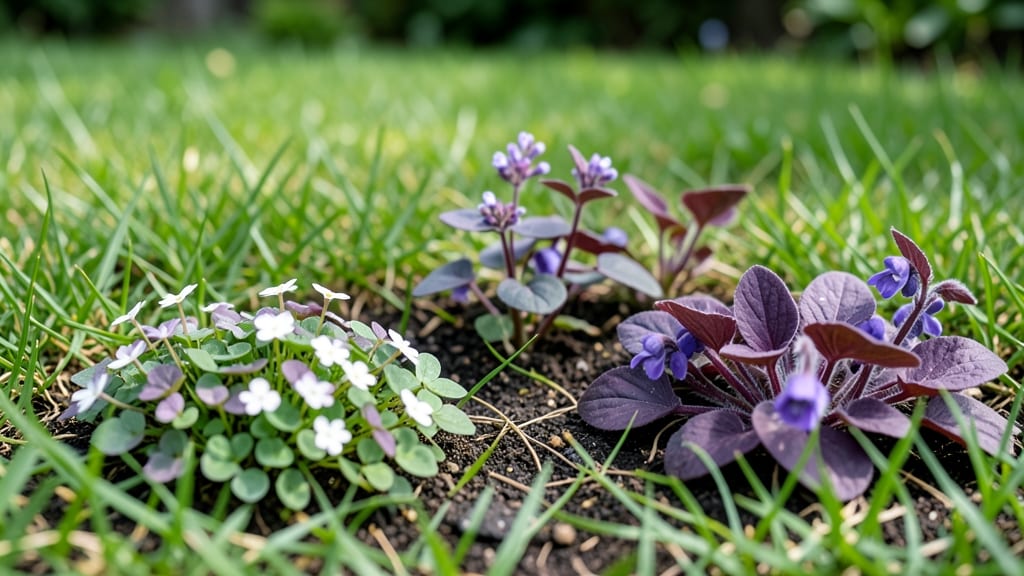
See those purple weeds growing in your lawn? 🌱 I’ve spent years battling these stubborn invaders—and the key is knowing exactly which ones you’re dealing with (clover, chickweed, or henbit?) before choosing the right fix.
Most purple weeds thrive because your lawn is either overwatered, compacted, or lacking nutrients. They’re nature’s way of telling you it’s time to improve soil health. The good news? You can starve them out without harsh chemicals by adjusting your mowing height, aerating, and feeding your grass properly.
Start with a simple spot-treatment of vinegar and dish soap for small patches, or overseed bare spots to crowd out weeds naturally. Within 4-6 weeks, your lawn will thicken enough to outcompete those purple intruders for good.
Works for any grass type, from cool-season fescue to warm-season Bermuda. Let’s reclaim that green without toxic shortcuts!
Root Causes Behind Lawn Invaders
Understanding why purple weeds pop up in your lawn is the first step to stopping them naturally. These pesky plants don’t just appear out of nowhere—they thrive because of specific conditions in your yard. Let’s break down the real culprits behind their growth and how they exploit your lawn’s weaknesses.
Purple weeds, like henbit or chickweed, love moisture—but too much water turns your lawn into their personal buffet. Here’s why: - Poor drainage leaves soggy spots where weeds germinate easily.
Compacted soil or clay-heavy yards trap excess water, signaling weeds to sprout. - Frequent light watering (like daily sprinklers) keeps the topsoil damp, perfect for weed seeds.
Deep, infrequent watering (1–1.5 inches per week) encourages grass roots to outcompete weeds. - Overhead irrigation wets leaves and soil surfaces, spreading weed seeds via rain splash. Drip irrigation or soaker hoses target grass roots directly.
Actionable fix: Test your soil’s drainage by digging a 12-inch hole and filling it with water. If it drains in under an hour, you’re good; if not, amend with compost or sand.
Weeds don’t just compete with grass—they take advantage of weak spots. Common triggers: - Nutrient deficiencies (especially nitrogen) leave patches where weeds like purple deadnettle thrive. A soil test reveals imbalances—low phosphorus or potassium can make grass vulnerable. - Foot traffic or pet damage compacts soil, smothering grass roots.
Compacted areas have less oxygen, making it harder for grass to recover while weeds fill the gaps. - Drought or heat stress weakens grass, creating bare spots. Weeds have shallow roots and germinate faster than grass can rebound.
Actionable fix: Overseed thin areas with a drought-resistant grass mix (like tall fescue or Bermuda) and aerate compacted soil in fall.
Weeds often win because your soil lacks the right balance. Purple weeds, in particular, prefer: - High organic matter (they decompose quickly, leaving nutrients for new growth). - Low pH (acidic soil)—many weeds tolerate pH 5.5–6.5, while grass prefers 6.0–7.5.
A pH below 6.0 signals weeds to dominate. - Lack of competition—if your lawn has mostly weeds, they’re outcompeting grass for sunlight and nutrients.
Actionable fix: Spread compost or a slow-release fertilizer (like 10-10-10) in early spring to boost grass health. For acidic soil, apply lime (calcium carbonate) based on your soil test results.
Weeds don’t just grow—they hibernate and multiply.
Purple weeds often spread via: - Wind or animal transport—seeds hitch rides on pets, birds, or lawn equipment. - Dormant seeds in soil—some weeds (like prostrate spurge) can lie dormant for years, waiting for the perfect conditions to sprout. - Mowing too short—cutting grass below 2–3 inches stresses it and exposes weed seeds to sunlight, triggering germination.
Actionable fix: Mow high (3–4 inches) to shade out weeds and remove seed heads before they spread. A pre-emergent herbicide (like corn gluten meal) can block new seeds in early spring.
Purple weeds often peak in cool, wet seasons (spring and fall) because:
- Cooler temps (50–70°F) slow grass growth but speed up weed germination.
- Fall rains wash away pre-emergent barriers, giving weeds a head start.
- Winter dieback leaves gaps for weeds to colonize before spring.
Actionable fix: Apply post-emergent treatments (like vinegar + soap for small patches) in early spring or fall when weeds are young and vulnerable.
Key Takeaway: Purple weeds exploit water, weak grass, poor soil, and seasonal gaps. By fixing these root causes—drainage, grass density, soil pH, and mowing habits—you’ll starve them out naturally. Next, we’ll cover targeted eradication methods that protect your lawn’s health. 🌱
How to Fix Purple Weeds Naturally
Now that you know why those stubborn purple weeds are popping up in your lawn, it’s time to tackle them—without harming your grass or the environment. The good news? There are effective, chemical-free methods to eliminate these invaders while keeping your lawn lush and healthy.
Below, we’ll break down the root causes and pair them with practical, step-by-step solutions, plus tips to prevent them from returning.
If your lawn stays soggy or gets too much water, purple weeds like henbit or chickweed thrive in damp conditions. Here’s how to adjust:
🍳 Adjust Your Watering Schedule
- Water deeply but less frequently—aim for 1–1.5 inches per week (including rain).
- Water early in the morning (before 10 AM) to reduce evaporation and fungal risks.
- Check soil moisture before watering: Stick a screwdriver into the ground—if it goes in easily, skip watering.
👨🍳 Improve Drainage Naturally
- Aerate compacted soil with a core aerator (rent one or hire a pro) to help water drain.
- Add organic matter: Spread 2–3 inches of compost or peat moss over the lawn, then top-dress with a thin layer of soil.
- Rake gently to work it into the top inch—this loosens soil and encourages grass roots to grow deeper.
⏰ Prevent Future Issues
💡 Test your soil (DIY kits are cheap!) to confirm drainage problems—amend with sand or perlite if needed. 🌡️ Mulch garden beds around your lawn to reduce runoff and keep moisture balanced.
Purple weeds often sneak in where grass is weak or soil is hard-packed. Rebuild your lawn’s resilience:
🔪 Overseed Bare Spots
- Best time to seed: Early fall or spring (when temps are mild).
- Choose a shade-tolerant grass mix if your lawn gets little sunlight.
- Spread seed evenly with a broadcast spreader, then lightly rake and water gently daily for 2–3 weeks.
🌱 Feed Your Grass
- Apply a slow-release, organic fertilizer (like fish emulsion or compost tea) to boost grass growth.
- Avoid high-nitrogen fertilizers in summer—they can stress grass and invite weeds.
✨ Long-Term Prevention
🎯 Mow high (3–4 inches) to shade out weeds and strengthen grass roots. 🔥 Dethatch if your lawn has a thick thatch layer (use a dethatching rake in early spring).
If purple weeds love the shady, damp spots in your yard, manual removal and smothering work best:
👩🌾 Pull or Smother Weeds
- Hand-pull weeds (best after rain when soil is soft) or use a weed torch (for small patches).
- Cover bare spots with cardboard or thick layers of newspaper, then top with 2–3 inches of mulch to block sunlight.
💧 Use Vinegar or Boiling Water (Spot Treatment Only!)
- Mix 1 gallon of white vinegar + 1 cup dish soap + 1 cup salt in a spray bottle.
- Test on a small grass patch first—vinegar can kill grass too!
- Apply directly to weeds on a sunny day (avoid wind).
🌱 Encourage Grass Competition
- Plant shade-tolerant ground covers (like creeping thyme or clover) in problem areas.
- Aerate and top-dress with compost to help grass outcompete weeds.
Once you’ve kicked out the purple invaders, stop them from coming back with these habits:
✅ Mow regularly (never cut more than 1/3 of the grass blade at once). ✅ Leave grass clippings (they act as natural fertilizer). ✅ Inspect and remove weeds early—don’t let them go to seed! ✅ Improve soil health with compost or organic matter every few months. ✅ Avoid heavy foot traffic in one area—it compacts soil and weakens grass.
By addressing the real reasons purple weeds move in—whether it’s too much water, weak grass, or poor soil—you’ll create a lawn that’s too strong for weeds to survive. Start with one or two methods, monitor progress, and adjust as needed. Your lawn will thank you! 🌱💪
Frequently asked questions about purple weeds in lawns
What are the most common purple weeds I might see in my lawn?
The most likely culprits are henbit (with its fuzzy purple stems), chickweed (tiny purple flowers), and purple deadnettle (with square stems). These thrive in cool, damp conditions and often appear in early spring or fall when grass growth slows.
Will vinegar really kill purple weeds without harming my grass?
Only if used carefully! A mix of 1 gallon white vinegar + 1 cup dish soap + 1 cup salt works best on small patches, but always test it first on a hidden grass area. Apply only on sunny days to avoid damaging nearby grass—vinegar's acidity can kill both weeds and grass if overused.
How do I know if my lawn has drainage problems causing purple weeds?
Do the "screwdriver test": Dig a 12-inch hole and fill it with water. If it drains in under an hour, your lawn drains well. If it takes longer, you likely have poor drainage—ideal for weeds like henbit. Fix it by aerating and adding compost to improve soil structure.
Can I just pull purple weeds by hand and be done with them?
Pulling helps, but you must get the entire root system—especially for weeds like chickweed that spread via runners. For best results, pull after rain when soil is soft, then overseed the area to prevent regrowth. Repeat weekly until the patch disappears completely.
Why do purple weeds keep coming back even after I treat them?
They're likely returning because of dormant seeds in your soil or because your grass isn't thick enough to compete. Weeds like henbit can lie dormant for years—focus on improving soil health, mowing higher (3-4 inches), and overseeding to crowd them out naturally.