
Pests and Diseases
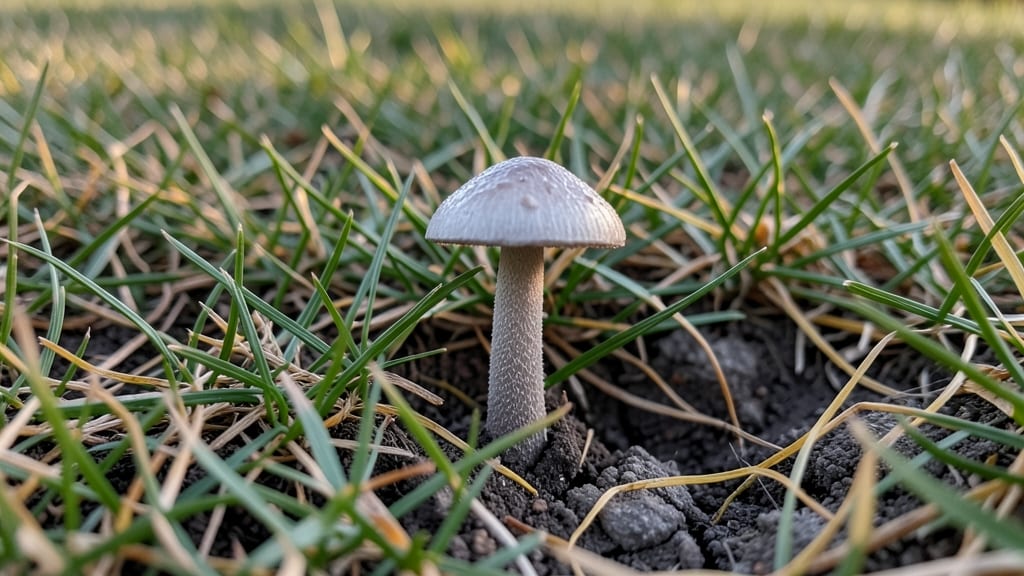
Finding mushrooms in your lawn can be exciting—until you realize some are deadly. These 10 poisonous lawn mushrooms mimic edible varieties, and knowing their identifying features could save you from dangerous misidentification.
Death Cap Mushroom Identification Guide
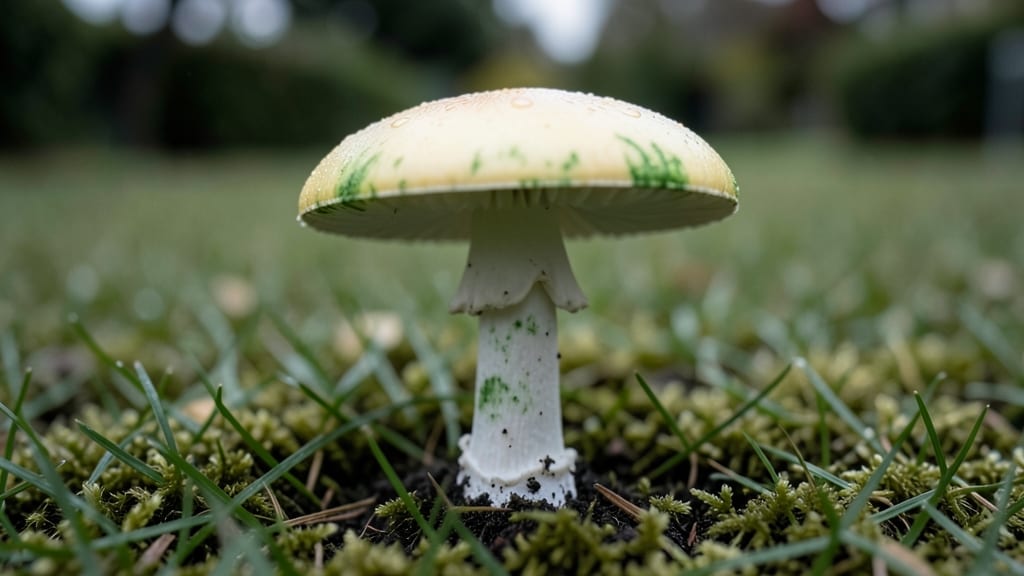
If you spot a mushroom in your lawn that looks like a chanterelle but has a pale yellow cap and greenish bruising, don’t pick it—this could be a Death Cap, the most deadly mushroom in North America. Just one mushroom can cause fatal liver failure within days, making quick identification critical.
Look for a smooth, olive-green to yellow-brown cap (5-15 cm wide) with pale yellow gills that bruise green when handled. The stem is white with a volva (cup-like base) and often appears in grassy areas or disturbed soil after warm rains. Unlike chanterelles, Death Caps lack a fruity aroma and have a slightly bitter taste—though never taste-test mushrooms in the wild.
This guide is essential for urban gardeners, foragers, and pet owners, as even small children or dogs can be at risk. If you suspect a Death Cap, do not touch it—call your local poison control center immediately. 💚
Destroying Angel Mushroom Characteristics
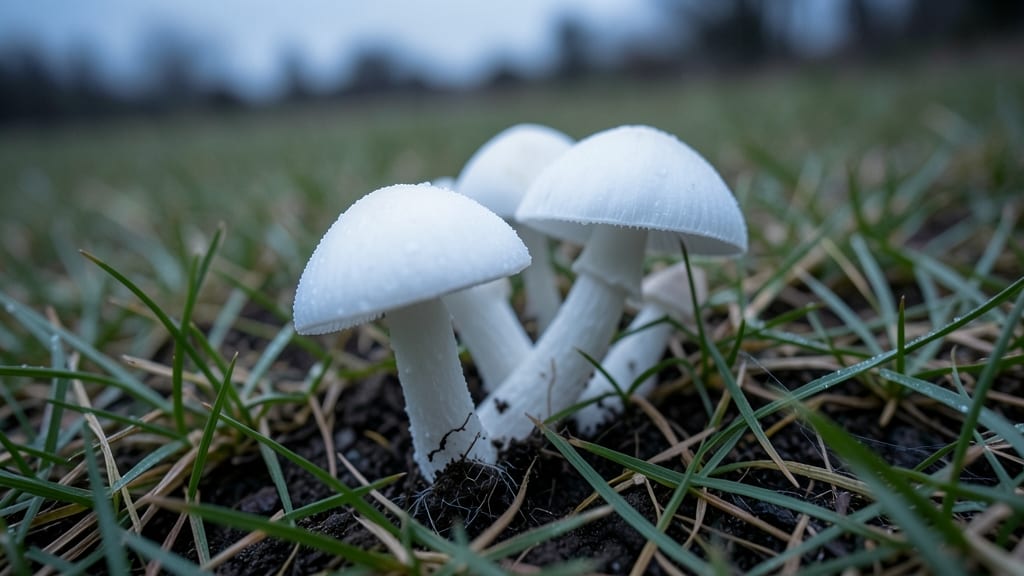
If you spot pure white mushrooms popping up overnight in your lawn, don’t assume they’re safe—Destroying Angel mushrooms (Amanita bisporigera and Amanita virosa) are silent killers. These fast-growing fungi lack any smell or taste, making them nearly impossible to detect without proper knowledge, and they’re responsible for 90% of fatal mushroom poisonings worldwide.
What makes them so dangerous? Their smooth, egg-shaped caps (up to 6 inches wide) and bulbous bases resemble edible puffballs, but their white gills and ringless stems are dead giveaways. They thrive in rich, moist soil—often appearing after heavy rain or irrigation—and can emerge in clusters within 24 hours. Unlike the Death Cap, they don’t bruise green when handled, but that doesn’t make them any less lethal.
Homeowners with children or pets should treat any white lawn mushrooms with extreme caution. If you suspect you’ve found Destroying Angels, do not touch them—instead, take a photo from a distance and consult a mycologist or poison control center immediately. 💚
False Morel Mushroom Warning Signs
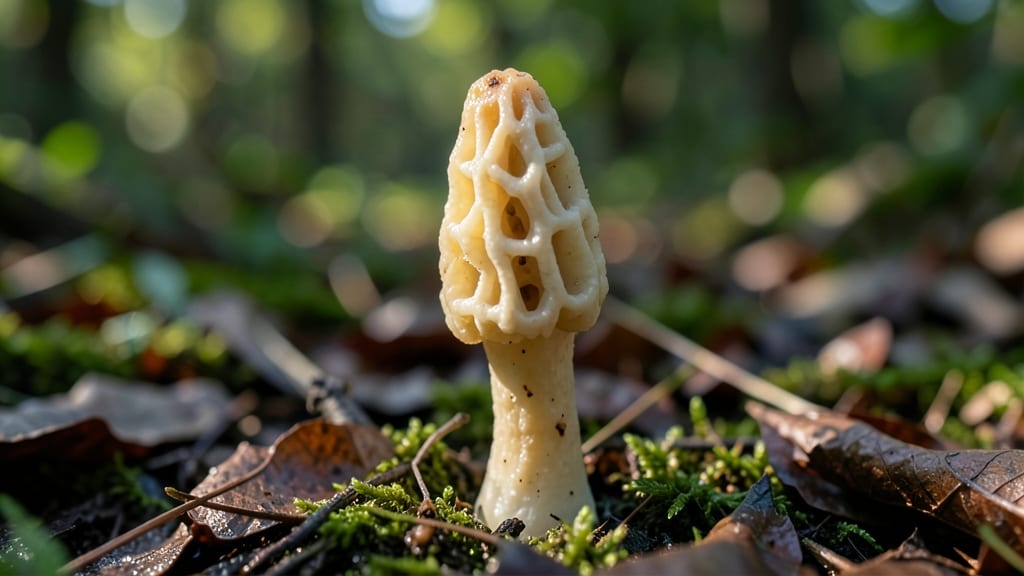
If you're foraging for morels this spring, beware of their toxic double: the false morel. These deceptive fungi trick even experienced foragers with their honeycomb-like caps and similar growth habits—but their hollow, pitted stems hide a dangerous secret.
The key difference is in the stem: true morels have ridges running down their stems, while false morels have pits that look like tiny holes. This subtle detail can mean the difference between a delicious meal and severe gastrointestinal distress, including vomiting and diarrhea. Avoid any morel-like mushroom growing in lawns or disturbed soil, as false morels often appear in these areas after rain.
This warning is especially critical for backyard gardeners and pet owners—dogs and cats are also at risk if they nibble on these mushrooms. When in doubt, consult a mycologist or use a field guide with clear photos of both true and false morels. Stay safe while enjoying the spring mushroom season! 🌱
Jack-O'-Lantern Mushroom Toxicity Facts
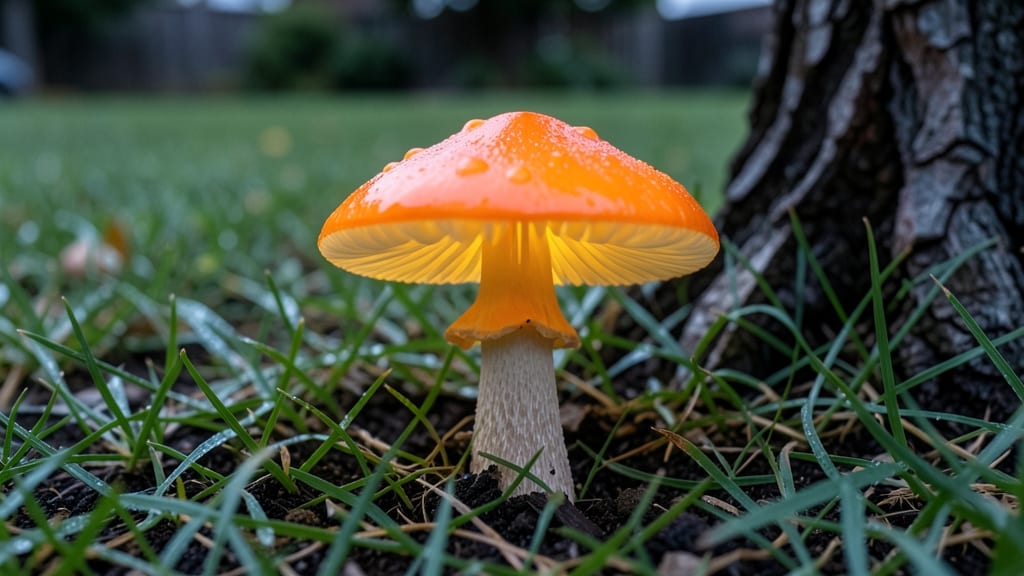
That glowing orange mushroom in your lawn isn’t just a Halloween decoration—it’s the Jack-O'-Lantern mushroom, a toxic lookalike that can cause hallucinations and violent vomiting. Unlike its harmless edible cousins, this bioluminescent fungus thrives in grassy areas and hides its danger behind a striking appearance.
This mushroom’s hallucinogenic compounds (ibotenic acid and muscimol) can trigger nausea, seizures, or even coma if ingested. Its bright orange cap and white gills may fool foragers, but its bioluminescent glow at night is a dead giveaway—never pick or touch it. If you spot one, avoid the area and report it to local mycological societies.
Pet owners should be extra cautious, as curious dogs and cats may investigate these mysterious glowing fungi. Always assume any unfamiliar mushroom is poisonous, especially in lawns where children or pets play. 💚
Autumn Skullcap Mushroom Identification
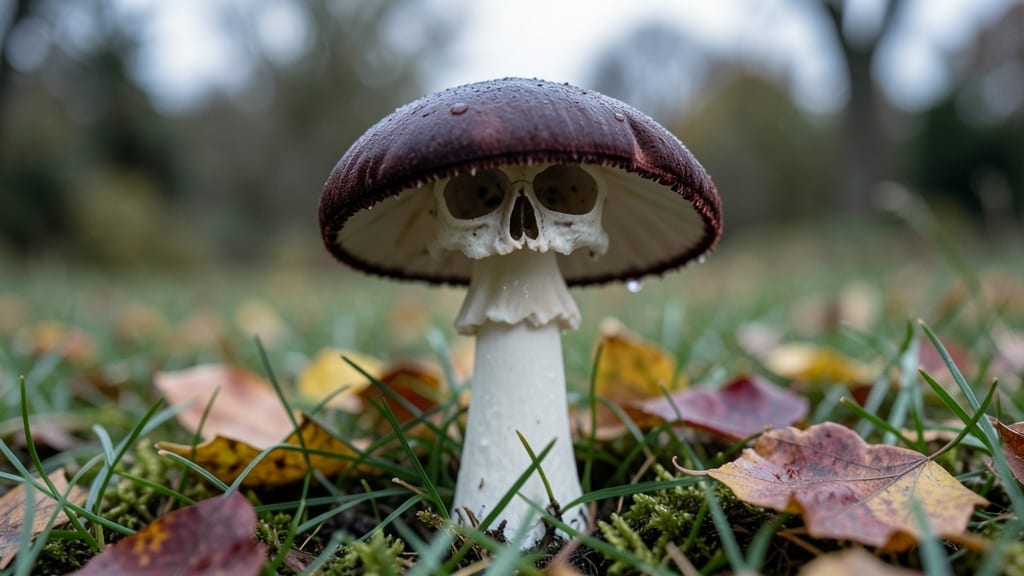
When your fall lawn sprouts mushrooms that look like harmless puffballs, think twice—Autumn Skullcap (Scutellinia scutellata) could be lurking. This deceptive fungus emerges in late summer to autumn, mimicking edible varieties with its round, white stem and dark, dome-shaped cap—but its skull-like texture gives it away upon closer inspection.
The danger lies in its neurotoxic and hepatotoxic compounds, which can cause liver damage and neurological symptoms like confusion or seizures. Unlike puffballs, Autumn Skullcap has a dry, papery cap that often splits open as it ages, revealing a hollow interior. If you spot clusters in damp, shaded lawn areas, avoid touching them—even skin contact can cause irritation.
This mushroom is especially risky for foragers and children who might mistake it for edible species. When in doubt, photograph it from multiple angles and consult a mycologist before attempting removal. 💚
Deadly Galerina Mushroom Features
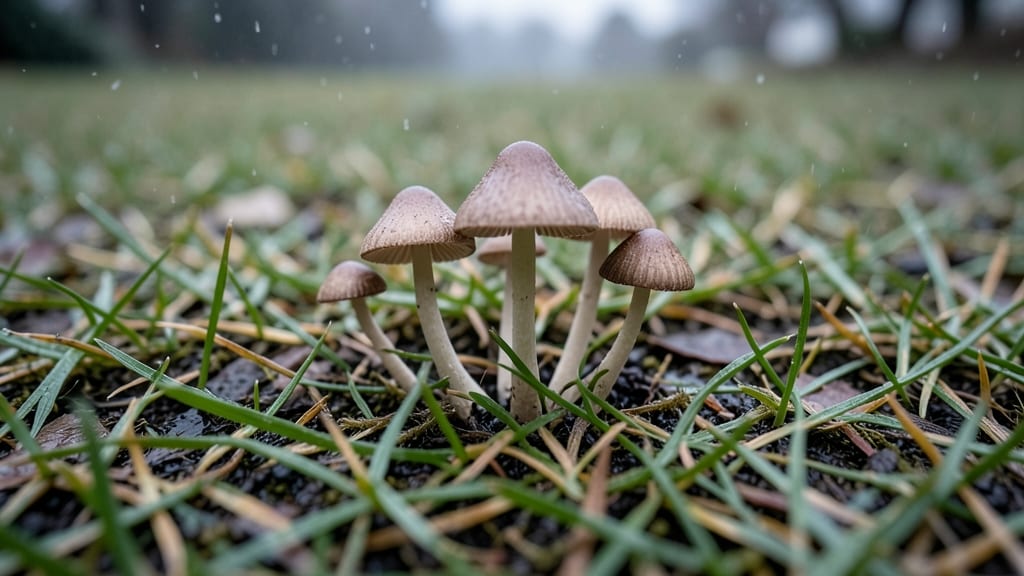
If you spot small, brown mushrooms popping up in your lawn after rain, don’t assume they’re safe—Galerina mushrooms could be lurking. These tiny but deadly fungi contain amatoxins, the same toxins found in Death Caps, yet their nondescript appearance makes them easy to overlook.
Their brown caps (1-3 inches wide) and white gills lack the dramatic features of other poisonous mushrooms, blending seamlessly into grass. They thrive in moist, shaded lawns and often grow in clusters, especially after warm, wet springs. Unlike the Destroying Angel or Death Cap, Galerina mushrooms don’t have distinctive colors or scents, which is why beginners frequently misidentify them.
For homeowners with pets or children, this mushroom poses a serious risk—even a tiny bite can cause liver failure. If you suspect you’ve found Galerina, avoid touching it and contact a local mycologist for confirmation. 🌱
Gyromitra Mushroom Toxicity Explained
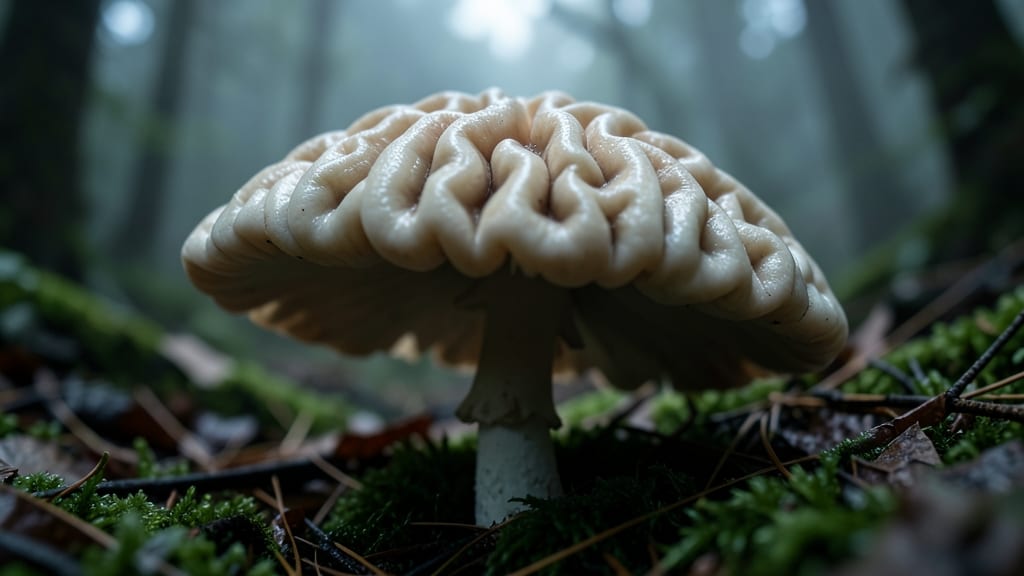
The gyromitra mushroom might look like an exotic delicacy with its wrinkled, brain-like cap, but this lookalike of chanterelles is one of the most dangerous mushrooms in North America. Unlike other toxic mushrooms, its dangers aren’t just from eating it raw—cooking it improperly can turn it deadly, causing seizures, organ failure, or even death.
This mushroom thrives in wooded lawns and disturbed soil, often popping up in spring. Its wrinkled cap (not smooth like chanterelles) and yellowish-brown color are key identifiers. Never eat any mushroom unless you’re 100% certain it’s safe—gyromitra toxicity can be fatal, even after cooking.
If you spot these in your yard, avoid touching them, and teach kids to steer clear. Gardeners with pets should monitor lawns closely, as curious animals might investigate these strange-looking fungi. 🌱
Cortinarius Rubellus Mushroom Risks
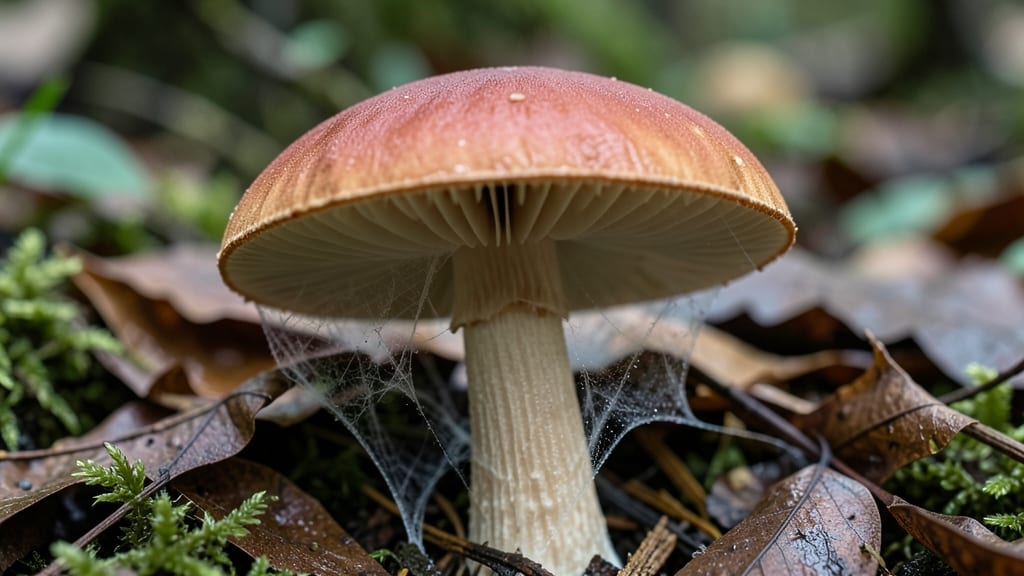
This reddish-brown mushroom with a weblike veil when young might look harmless, but Cortinarius rubellus is one of Europe’s most dangerous fungi—linked to kidney failure and fatal misidentification as edible species like chanterelles.
What sets it apart is its cortina (a cobwebby veil) that covers the gills when young, leaving faint remnants as it matures. Unlike other deadly mushrooms, it lacks a distinctive smell or taste, making it especially deceptive. Found in grassy areas and lawns during late summer to autumn, it thrives in damp, shaded spots.
Foragers and gardeners should treat any orange-brown mushrooms with caution—especially if they resemble chanterelles. If you suspect you’ve found this species, avoid touching it and consult a mycologist. 🌟
Amanita Bisporigera Mushroom Danger
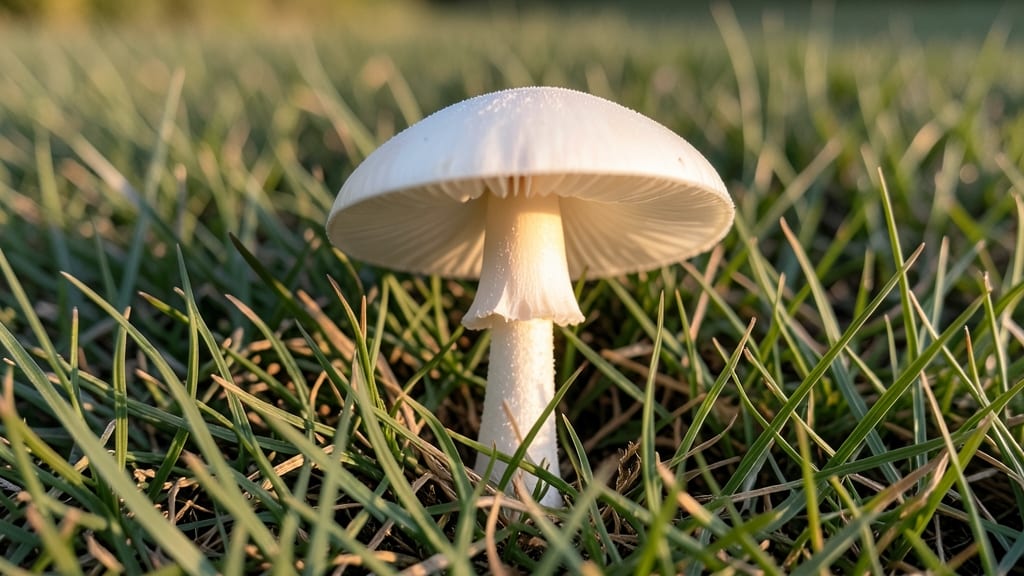
If your lawn has invasive grasses like Bermuda or Zoysia, you might be unknowingly hosting one of the most dangerous mushrooms in the world—the Amanita bisporigera. This Asian Death Cap variant doesn’t announce its presence with bright colors or strong odors, making it especially sneaky.
Look for a white to pale yellow cap with a volva (cup-like base) and greenish bruising when handled. Unlike its North American cousin, this mushroom thrives in lawns rather than forests, and its toxins cause delayed but fatal liver failure—sometimes weeks after ingestion. Even pets are at risk if they nibble on these mushrooms.
This mushroom is a silent threat, especially for gardeners who might mistake it for edible species. If you spot it, avoid touching it and report it to local authorities—your quick action could save lives. 💚
Conocybe Filaris Mushroom Identification

Tucked between blades of grass in your high-traffic lawn, the Conocybe filaris mushroom hides in plain sight. This slender, amatoxin-containing mushroom thrives in compacted soil where other fungi struggle, making it a sneaky lawn hazard that even experienced foragers overlook.
Identifying it starts with its tiny, cylindrical shape—typically under 2 inches tall with a delicate, bell-shaped cap that fades from tan to brown. The key giveaway? Its slender stem with a slight bulb at the base, often growing in dense clusters after rain. Unlike other deadly mushrooms, it lacks distinctive colors or odors, blending seamlessly into short grass.
Urban gardeners and homeowners with well-trodden lawns should watch for these mushrooms after warm, wet springs. If you spot them, avoid touching—amatoxins cause delayed but severe liver damage. 💚