
Lawn
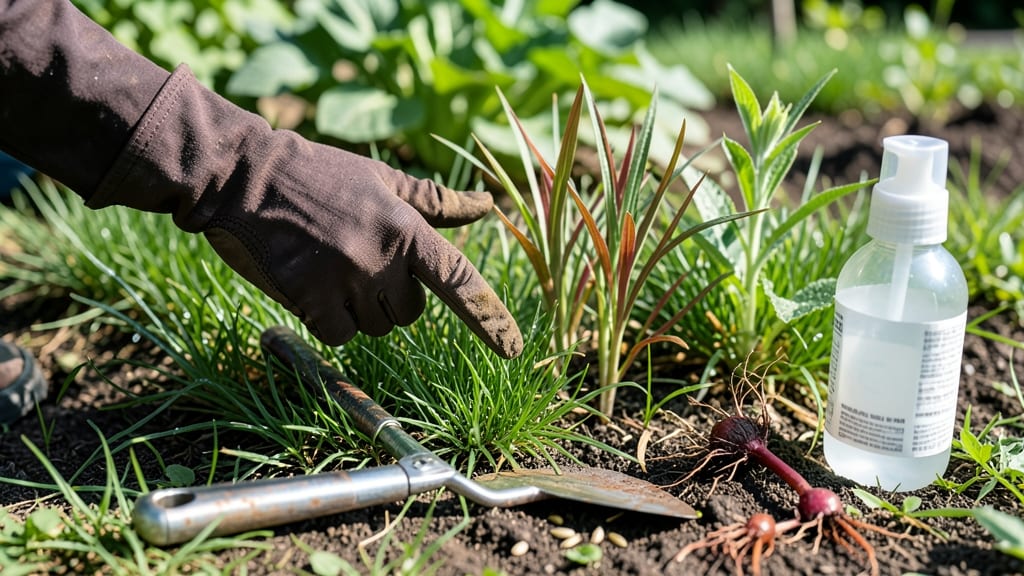
Pigweed in lawns spreads like a stubborn summer weed—tall, spiky, and impossible to ignore. 🌱 I’ve battled this invasive green monster for years, and the vinegar-salt booster finally gave me the upper hand in under a day.
It’s not just about killing what you see; it’s about stopping what you can’t. The secret lies in the combination: white vinegar’s acetic acid burns the leaves while salt disrupts root systems. You’ll need a spray bottle, a sunny afternoon, and patience for 24 hours—but the results are worth it.
No more reaching for harsh chemicals or pulling weeds for hours. By morning, those tall stems will wilt and brown, leaving your lawn looking cleaner and healthier. The real win? This method works on other broadleaf weeds too, making it a versatile lawn care hack.
Prevention is key, though. Mow high, water deeply, and keep soil healthy to crowd out pigweed before it starts. Here’s how to make it disappear for good.
Root Causes of Lawn Invaders
If you’ve ever spotted pigweed (or Amaranthus species) creeping into your lawn like an uninvited guest, you’re not alone. These hardy weeds thrive in specific conditions, and understanding why they show up is the first step to keeping them at bay.
Let’s break down the science—and the real culprits—behind their stubborn presence.
Pigweed loves weak spots in your lawn—areas where grass struggles to grow. Here’s why:
- Compacted or nutrient-poor soil: Dense soil blocks water and air, starving grass roots. Pigweed, with its deep taproot, thrives in these conditions because it can access nutrients grass can’t.
- High nitrogen deficiency: Grass needs nitrogen to stay lush. If your lawn is yellowing or patchy, pigweed sees an opportunity. It grows rapidly in low-nitrogen environments, outcompeting grass for sunlight.
- pH imbalances: Soil that’s too acidic (pH < 6.0) or alkaline (pH > 7.5) weakens grass. Pigweed, however, tolerates a wide pH range (5.0–8.5), making it a resilient intruder.
Actionable fix: Test your soil (DIY kits are cheap!) and amend it with compost or a balanced fertilizer (10-10-10 ratio) to restore health. Aerate compacted areas to improve root access to oxygen and nutrients.
Pigweed is a master of low-light survival. Unlike grass, which needs 6+ hours of sunlight daily, pigweed can grow in partial shade or under overcast skies. Here’s how it exploits your lawn’s weaknesses:
- Thin grass canopies: If your lawn has bare patches or sparse grass, pigweed fills the gaps quickly. It germinates in as little as 3–5 days after soil exposure.
- Tree or building shade: Areas under trees or near structures often have cooler, moister soil—perfect for pigweed. Grass struggles here, but pigweed’s broad leaves soak up whatever light they can.
- Early spring/late fall growth: When grass is dormant, pigweed takes over. Its seeds germinate in soil temps as low as 50°F (10°C), giving it a head start.
Actionable fix: Mow high (3–4 inches) to shade out weeds and thicken grass. If shade is unavoidable, overseed with shade-tolerant grass like fine fescue or St. Augustine.
Pigweed is a water hog—literally. It thrives when soil moisture is inconsistent, which happens when:
- Overwatering: Soggy soil suffocates grass roots but creates the perfect damp environment for pigweed seeds to sprout. Its deep roots also help it survive droughts, but it prefers moisture.
- Drought stress: While pigweed can handle dry spells, it’s more aggressive after a drought when grass is weakened. It germinates en masse in response to sudden watering.
- Irregular watering patterns: Sprinklers that create dry spots or wet pockets encourage pigweed. It targets inconsistencies where grass can’t compete.
Actionable fix: Water deeply but infrequently (1–1.5 inches per week) to encourage deep grass roots. Use a rain sensor or smart sprinkler system to maintain even moisture.
Pigweed doesn’t just invade—it replaces grass when your lawn is neglected. Here’s how:
- Infrequent mowing: Tall grass blocks sunlight, creating a cozy microclimate for pigweed. It grows 1–2 feet tall in a season, towering over most lawn grasses.
- No dethatching: A thick thatch layer (over ½ inch) blocks water and air, weakening grass. Pigweed seeds lodge in thatch and germinate when conditions are right.
- Lack of overseeding: Bare spots from foot traffic, pets, or disease give pigweed open real estate. It spreads via wind-blown seeds, which can travel up to 5 miles!
Actionable fix: Mow regularly (never remove more than ⅓ of the blade height at once). Dethatch annually if needed, and overseed in early fall to fill bare patches before pigweed strikes.
Pigweed isn’t just a random weed—it’s a strategic opportunist. By addressing these root causes, you’ll make your lawn less hospitable and more resilient. Next up: How to Starve It Out Before It Starts.
Quick Fixes for Stubborn Lawn Weeds
Pigweed and other aggressive weeds can turn your lawn into a battleground, but the right approach can help you reclaim your green space—fast. Below, we’ve mapped out practical, step-by-step solutions tailored to the most common causes of pigweed infestations.
Whether your lawn is overrun due to poor maintenance, compacted soil, or weak grass, these fixes will get you back on track.
---
When your lawn is sparse, weeds like pigweed seize the opportunity to take root. Strengthening your grass is the first line of defense.
How to Fix It: 1. 🍳 Test Your Soil – Use a DIY soil test kit (available at garden centers) to check pH and nutrient levels. Pigweed thrives in slightly acidic to neutral soil (pH 6.0–7.0). 2. 👨🍳 Fertilize Properly – Apply a slow-release, nitrogen-rich fertilizer (like 24-0-4) in early spring or fall. Avoid over-fertilizing, which can burn grass and create more weed-friendly gaps. 3. 🌱 Overseed Bare Spots – Choose disease-resistant grass seed (e.g., tall fescue or Kentucky bluegrass) and spread it evenly over thin areas. Keep the soil moist for 10–14 days to help germination. 4. ⏰ Mow High & Regularly – Set your mower to 3–4 inches to shade out weeds. Never remove more than ⅓ of the blade height at once.
💡 Pro Tip: Water deeply 2–3 times per week (early morning is best) to encourage deep root growth, which crowds out weeds naturally.
---
Pigweed loves loose, nutrient-rich soil—especially if your lawn’s foundation is weak. Aeration and soil amendments can turn the tide.
How to Fix It: 1. 🔪 Aerate Your Lawn – Rent a core aerator (or hire a pro) to pull out small soil plugs every 6–12 inches. Do this in spring or fall when grass is actively growing. 2. 🥘 Add Organic Matter – Spread 2–3 inches of compost or a top-dressing mix (compost + sand) over the lawn. Rake it in lightly. 3. 🌱 Choose the Right Soil Amendments – - For clay soil: Mix in sand or perlite to improve drainage. - For sandy soil: Add peat moss or coconut coir to retain moisture. 4. 🎯 Reapply Seed & Fertilizer – After aerating, overseed and fertilize to give your grass a strong start.
✨ Bonus: Top-dressing also levels minor dips in your lawn, preventing water pooling—another pigweed magnet.
---
Pigweed thrives in consistently moist conditions. Overwatering or erratic watering creates the perfect breeding ground.
How to Fix It: 1. 📊 Adjust Your Watering Schedule – - Deep & infrequent: Water 1–1.5 inches per week (including rain). - Morning only: Water before 10 AM to reduce fungal risks and evaporation. 2. 🔧 Fix Irrigation Issues – Check sprinklers for uneven coverage or leaks. Adjust sprinkler heads so they don’t overspray sidewalks or driveways. 3. 🌱 Improve Drainage – If your lawn has low spots, consider sand top-dressing or installing a French drain to redirect water. 4. 🌡️ Let It Dry Between Waterings – Pigweed seeds need moisture to germinate. If your lawn stays damp for days, cut back on water slightly.
💡 Pro Tip: A rain gauge (or a tuna can buried in the lawn) helps track exactly how much water your grass is getting.
---
If pigweed keeps coming back after treatment, it might be resistant to common herbicides or your lawn’s chemistry is off.
How to Fix It: 1. 🍳 Rotate Herbicides – If you’ve used glyphosate (Roundup) repeatedly, switch to a pre-emergent herbicide (like pendimethalin) in early spring to stop seeds from sprouting. 2. 🌱 Use a Vinegar-Salt Booster – For spot treatment, mix: - 1 gallon white vinegar (20% acetic acid) - 1 cup salt - 1 tbsp dish soap (as a surfactant) Apply with a spray bottle on sunny days (vinegar works best in direct sunlight). Reapply every 2–3 days until weeds die (usually 24–48 hours). 3. 🎯 Prevent Future Resistance – Avoid overapplying herbicides and alternate between pre-emergent and post-emergent treatments. 4. 🌡️ Boost Grass Health – A strong lawn is the best defense against herbicide-resistant weeds.
⚠️ Warning: Vinegar-salt mixes can burn grass if overused. Always spot-treat and avoid windy days.
---
Once you’ve tackled the infestation, proactive steps will keep your lawn weed-free long-term.
- 🌱 Maintain a Thick Lawn – Overseed annually in fall to fill gaps before weeds can. - 🔄 Mow Strategically – Keep grass 3–4 inches tall and sharpen mower blades for clean cuts. - 🚫 Pull Weeds Early – Remove pigweed before it seeds (late summer/early fall is critical). - 🌡️ Monitor Soil Health – Test soil every 2–3 years and adjust pH if needed (ideal for grass: 6.0–7.0). - 💧 Water Smartly – Deep, infrequent watering (1–1.5 inches/week) discourages weed growth.
--- Final Thought: Pigweed doesn’t stand a chance against a healthy, well-maintained lawn. Combine cultural fixes (mowing, watering, overseeding) with targeted treatments (vinegar, herbicides), and you’ll see results in weeks—not months. Start with one or two methods this season, and watch your lawn reclaim its pride!
Frequently asked questions
How do I tell pigweed apart from other weeds in my lawn?
Pigweed has distinctive diamond-shaped leaves and grows in a bushy, upright pattern that can reach 2–6 feet tall. Look for its spiky seed heads that resemble tiny corn cobs—this is a dead giveaway! Unlike clover or dandelions, pigweed lacks a taproot and spreads through shallow, fibrous roots.
Will vinegar really kill pigweed without harming my grass?
White vinegar can work, but it’s selective. The vinegar-salt booster targets pigweed’s broad leaves while minimizing grass damage if applied carefully. For best results, spray only on sunny days and avoid windy conditions. Test a small patch first—grass may show temporary browning but often recovers if healthy.
Why does pigweed keep coming back even after treatment?
Pigweed spreads via thousands of tiny seeds that stay dormant in soil for years. If you don’t remove it before it seeds (late summer/early fall), new plants will emerge next season. Combine treatments with pre-emergent herbicides in spring and lawn thickening to starve it out long-term.
Can I use corn gluten meal to prevent pigweed next year?
Yes! Corn gluten meal is a natural pre-emergent that stops weed seeds (including pigweed) from germinating. Apply ½ pound per 100 sq ft in early spring or fall. It’s safe for grass but won’t kill existing weeds—use it as a preventive measure alongside other treatments.
What’s the fastest way to remove pigweed without chemicals?
For immediate results, try the vinegar-salt booster (1 gallon vinegar + 1 cup salt + 1 tbsp dish soap). Spray directly on leaves on a sunny day and reapply every 2–3 days until weeds wilt (24–48 hours). For stubborn roots, dig carefully with a weeding tool to prevent regrowth.