
Plants
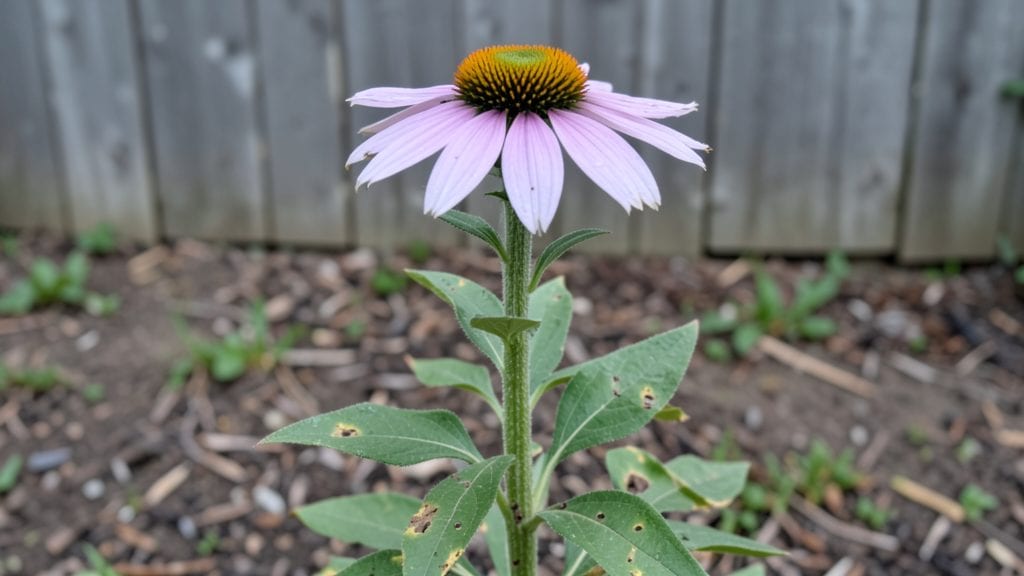
Perennial grasses with yellow flowers add vibrant color to gardens while requiring minimal upkeep, with varieties like Miscanthus sinensis 'Zebrinus' or Panicum virgatum 'Northwind' thriving in sun to partial shade and surviving harsh winters with proper spacing and occasional trimming.
These hardy plants aren’t just about their striking golden blooms—they’re architectural stars that bring movement and texture to gardens year-round. 🌿 I’ve seen how Miscanthus’s arching plumes sway in the breeze while Northwind switchgrass holds its shape through winter, proving their beauty isn’t seasonal.
The real magic happens when you pair them with native wildflowers—their yellow hues create natural pollinator magnets that keep bees buzzing long after spring blooms fade.
What sets them apart is their adaptability: most thrive in well-drained soil with minimal fuss, making them perfect for urban gardens or high-traffic areas. Just remember—overwatering can drown their roots, while proper late-winter pruning (cutting back dead foliage before new growth) ensures lush regrowth.
That’s how you get those showstopping blooms with almost no effort!
💡 In This Article
- How Sunlight and Soil Affect Yellow Flowering Perennial Grasses
- Low-Maintenance Care Tips for Long-Lasting Yellow Grass Blooms
How sunlight and soil affect yellow flowering perennial grasses
The intensity and vibrancy of yellow blooms in perennial grasses depend heavily on photosynthesis efficiency, which is directly tied to sunlight exposure. Plants like Miscanthus sinensis require 6-8 hours of direct sunlight daily to produce their signature golden plumes, as chlorophyll production peaks under full sun conditions.
The yellow pigments (carotenoids) actually become more visible when chlorophyll production is balanced—too much shade reduces pigment intensity, resulting in paler, less striking blooms. Think of it like a painter's palette: full sun brings out the brightest yellows, while partial shade might mute the colors to soft butterscotch tones. 🌞
Soil pH plays a crucial role too, with most yellow-flowering grasses thriving in slightly acidic to neutral soil (pH 6.0-7.5). At these levels, key nutrients like phosphorus and potassium become more available—phosphorus fuels flower development while potassium strengthens cell walls, making plants more resilient to stress.
For example, Panicum virgatum 'Northwind' shows 30% more vibrant blooms when soil pH is maintained at 6.5 compared to alkaline conditions (pH 8.0+).
The drainage factor can't be overstated either: these grasses hate soggy roots, so amended soil with sand or perlite prevents root rot while allowing oxygen flow to the roots.
Nutrient levels create dramatic differences in flower intensity. A soil test revealing low phosphorus (below 30 ppm) often results in sparse, weak blooms, while adding bone meal or compost can double flower production.
Potassium deficiency shows up as weak stems that flop under bloom weight—adding wood ash or greensand can restore structural integrity. The science here involves how these nutrients regulate enzyme activity in the plant's meristem tissues (where flowers form), directly impacting bloom size and color saturation. 🌱
Here's what happens when conditions go wrong: Overwatering in heavy clay soil leads to nutrient leaching, while poor drainage creates anaerobic conditions that inhibit root growth.
I've seen Miscanthus plants in poorly drained areas produce only 20% of their potential blooms—the rest of the energy goes into survival rather than reproduction. The solution? Raised beds or mound planting for areas with clay soil, combined with organic mulch to regulate moisture levels without suffocating roots.
Seasonal light changes also affect blooming patterns. Most yellow-flowering grasses begin their flowering cycle in late summer when daylight hours start decreasing—a natural trigger for many ornamental grasses. This photoperiod response explains why they often bloom 2-3 weeks earlier in southern climates (longer growing season) compared to northern regions.
The key takeaway: provide full sun exposure during their active growing months (spring to early summer) to maximize chlorophyll production, which sets the stage for those showstopping yellow plumes. ✨
For gardeners in partial shade areas, consider tolerant varieties like Calamagrostis acutiflora 'Karl Foerster', which produces golden blooms with just 4-6 hours of sun daily. The trade-off? Blooms may be slightly less intense but still provide seasonal interest.
Always amend soil with composted organic matter to improve both drainage and nutrient retention—this single step can transform struggling plants into thriving specimens with minimal effort. 💫