
Container Gardens
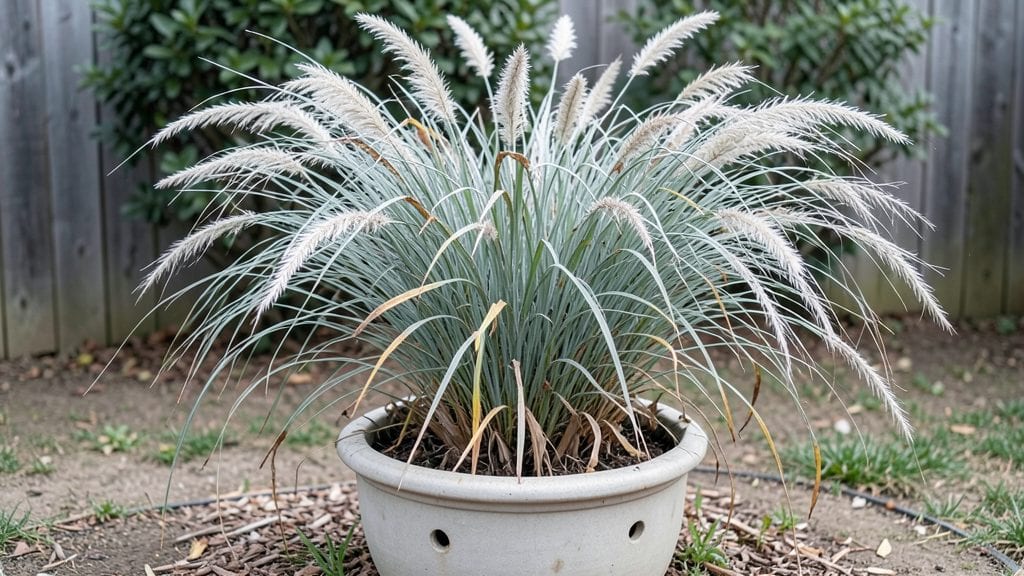
Pampas grass containers need well-draining pots with drainage holes, at least 12 inches deep, and a diameter 2-3 times wider than the plant’s root ball to prevent waterlogging and promote airflow. Opt for terracotta, fiberglass, or plastic pots with a saucer to catch excess moisture, and use a lightweight, fast-draining potting mix with perlite or sand.
Pampas grass thrives in containers because its fibrous roots need room to spread without suffocating. I’ve found that larger pots—especially those made of terracotta—help regulate moisture better in hot climates, while fiberglass or plastic options work well for colder areas where frost might crack clay.
The key is balancing airflow and drainage; even a 14-inch diameter pot can make a huge difference in preventing root rot, especially in humid summers. 💫
Don’t overlook the saucer—it’s not just for aesthetics. A shallow tray catches runoff, but I always empty it after watering to avoid stagnant moisture that could breed pests.
For indoor setups, I recommend placing the pot near a south-facing window to mimic its native sun-loving habits, while outdoor containers benefit from a 1-inch layer of gravel at the bottom to boost drainage further. The right setup keeps your pampas grass lush and stress-free year-round. ✨
💡 In This Article
- How to Choose the Right Pampas Grass Pot
- Maintaining Pampas Grass in Containers: Essential Care Guide
How to choose the right pampas grass pot
Pampas grass (Cortaderia selloana) thrives in containers because its extensive root system demands both space and aeration.
The science behind container selection revolves around preventing anaerobic conditions—when roots sit in waterlogged soil, they suffocate due to lack of oxygen, leading to root rot caused by fungal pathogens like Phytophthora. This is why drainage isn't just a suggestion but a necessity.
The plant's fibrous roots spread aggressively, so a pot that's too small forces them to circle, creating dense mats that trap moisture and hinder nutrient uptake. 🔥
Pot material plays a critical role in moisture regulation and temperature control. Terracotta pots are ideal for hot climates because their porous walls wick away excess moisture while allowing airflow—perfect for preventing soggy soil.
However, they can dry out too quickly in dry conditions, requiring more frequent watering. Fiberglass offers a middle ground: it retains moisture better than terracotta but doesn’t overheat like plastic in full sun.
Dark-colored pots absorb heat, raising root-zone temperatures by up to 10°F compared to light-colored ones, which can stress the plant in summer. For frost-prone areas, plastic pots provide better insulation against freezing temperatures that can crack terracotta.
Size matters more than most gardeners realize. A mature pampas grass plant can develop roots extending 3-4 feet wide, so a pot diameter of 18-24 inches is ideal for established plants. For younger specimens, start with a 12-inch diameter pot and upgrade as the root ball expands.
Depth is equally critical—roots need at least 12 inches of soil to establish without becoming root-bound. The wider the pot, the better the airflow around the root zone, reducing humidity levels that encourage fungal growth.
Pro tip: Add a 1-inch layer of coarse gravel at the bottom to create a drainage reservoir that prevents clogging.
Climate dictates material choices beyond just drainage. In USDA Zones 8-10, where temperatures often exceed 90°F, terracotta’s breathability is a lifesaver, while in Zones 5-7**, fiberglass or insulated plastic pots protect roots from sudden temperature swings.
Even pot color affects root health: dark pots can raise soil temperatures by 5-15°F compared to white or light-colored ones, which is crucial in regions with intense sunlight. For indoor containers, avoid placing pots near heat vents or drafts, as pampas grass prefers stable temperatures between 60-80°F. 💫
Don’t underestimate the role of the saucer. While it catches overflow, stagnant water in the tray becomes a breeding ground for mosquito larvae and promotes salt buildup from mineral deposits in tap water. I empty saucers immediately after watering and elevate pots on pot feet to further reduce moisture retention.
For outdoor containers, consider a self-watering saucer with a drain hole to balance hydration without risking waterlogging. The right pot isn’t just about aesthetics—it’s about creating an environment where pampas grass can thrive without constant stress.
Here’s a quick comparison to help you decide:
- Terracotta: Best for dry climates; breathable but heavy; not frost-resistant
- Fiberglass: Lightweight; retains moisture well; durable in all climates
- Plastic: Insulated; affordable; may overheat in full sun
For container gardening success, prioritize pots that mimic the plant’s natural habitat: well-draining, spacious, and climate-adapted. With the right container, your pampas grass will reward you with dramatic plumes and minimal fuss. ✨