
Lawn
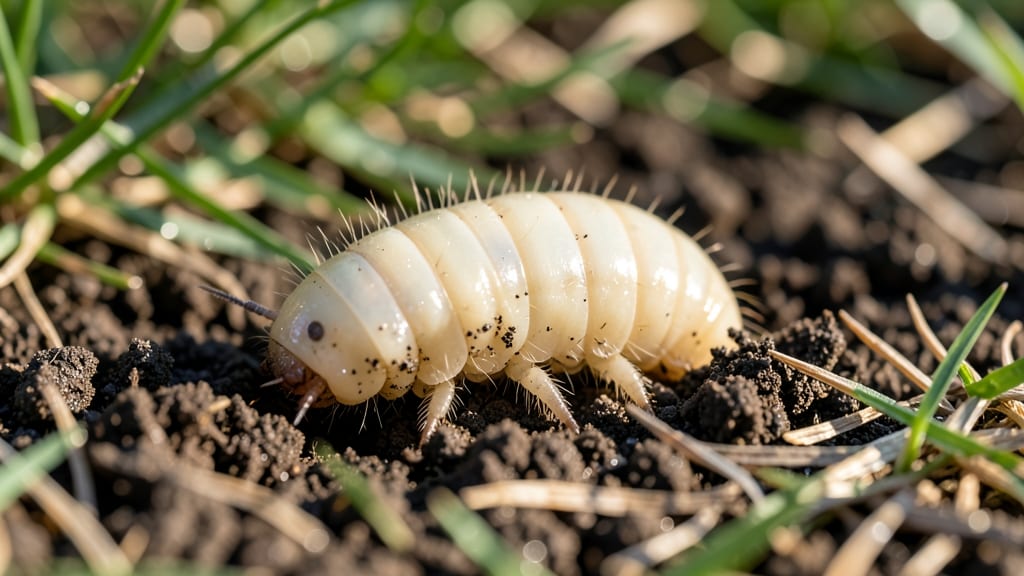
What to do about grubs in your lawn is the urgent question when you spot those telltale patches of spongy, dying grass—those C-shaped white larvae munching away at roots while you assume it’s just dry weather. 🌱 I’ve seen entire lawns turn to spongy patches overnight, and the key to stopping it fast is knowing exactly what to do when you spot the damage. The first step is confirming the problem: lift a small section of grass and look for grubs hiding in the soil. If you find them, act within 48 hours—that’s how quickly they can spread. The good news? Fast-acting treatments like beneficial nematodes or milky spore work within weeks, while chemical options like imidacloprid deliver results in days. You’ll see healthier grass within 2-4 weeks of treatment, with roots growing strong and that spongy feel disappearing. The trick is combining immediate action with long-term prevention, like overseeding and proper watering to keep grubs from returning. This works for any lawn type, from shady patches to sunny backyards. Let’s get your grass back to its best!
The Hidden Triggers Behind Grubs
Grubs—those sneaky, worm-like larvae—don’t just appear out of nowhere. They’re the result of a perfect storm of conditions that turn your lawn into their all-you-can-eat buffet. Understanding why they show up is the first step to stopping them before they destroy your grass.
Below, we break down the science-backed causes, so you can spot the warning signs and act fast.
The #1 reason for grub infestations? Japanese beetles (Popillia japonica). These metallic-green invaders lay eggs in late summer, and when those eggs hatch into grubs, they feast on grass roots for months. Here’s how it happens:
- Adult beetles emerge in June–July, mate, and females burrow 1–2 inches deep to deposit eggs in moist, well-drained soil.
- Larvae (grubs) hatch in 2–4 weeks and spend 10–12 months underground, molting 3–4 times as they grow.
- Peak damage occurs in late summer/fall when grubs are largest (up to 1.5 inches long) and most active.
💡 Pro Tip: If you see skeletonized grass (brown patches that pull up like a carpet) or crows/skunks digging, grubs are already feasting.
Grubs thrive in lawns that mimic their natural habitat—rich, moist, and undisturbed. Here’s what makes your yard a grub magnet:
| Factor | Why Grubs Love It | How to Fix It |
|---|---|---|
| Thatch Buildup | Thatch (that spongy layer between soil and grass) traps moisture and organic matter, giving grubs easy access to roots. | Dethatch in early spring or fall. |
| Overwatering | Grubs need moist soil to survive. Too much water keeps them hydrated and happy. | Water deeply but less frequently (1–1.5 inches per week). |
| Fertilizer Overload | Excess nitrogen (especially in slow-release fertilizers) boosts grass growth—and grub food. | Use balanced fertilizer (e.g., 16-4-8) and avoid late-summer applications. |
| Poor Drainage | Waterlogged or compacted soil creates the perfect underground hotel for grubs. | Aerate your lawn in fall to improve airflow. |
🔥 Warning Sign: If your lawn stays soggy for days after rain, grubs will move in faster than a picnic on a hot day.
Grubs don’t attack randomly—they follow a predictable life cycle tied to weather and grass growth:
- Late Summer (July–August):
- Japanese beetles lay eggs in warm, moist soil (ideal after summer rains).
- First-instar grubs (tiny, white, and legless) hatch and start munching on roots.
- Fall (September–October):
- Grubs grow rapidly, reaching their most destructive size (1 inch+).
- Cool soil slows microbial activity, making roots easier to digest.
- Winter:
- Grubs go dormant but stay active in mild climates (e.g., Southern U.S.).
- Spring (April–May):
- Grubs pupate into beetles, emerging in late May–June to repeat the cycle.
⏰ Critical Window: Late August–October is when grubs cause the most damage—don’t wait until you see brown patches!
While Japanese beetle grubs are the most common, other pests can also wreak havoc:
- European Chafer Grubs (Amphimallon majalis)
- Lay eggs in early summer (June–July).
- Peak damage in fall—often mistaken for Japanese beetle grubs.
- Love compacted, clay-heavy soil.
- Masked Chafer Grubs (Cyclocephala spp.)
- Active in late summer/fall, but their adults (white, grublike beetles) damage roots too.
- Thrive in warm climates (South, Midwest).
- June Beetle Grubs (Phyllophaga spp.)
- White, C-shaped larvae that tunnel deeper (up to 6 inches).
- Cause irregular brown patches that pull up easily.
🎯 How to Tell Them Apart:
- Japanese beetle grubs: White, curved, up to 1.5 inches, with brown heads.
- European chafer grubs: Shorter (up to 1 inch), yellowish-brown heads.
- June beetle grubs: Larger (up to 2 inches), shiny, deep-burrowing.
Grubs aren’t picky—they’ll infest lawns anywhere, but they prefer:
- Temperate climates (Northeast, Midwest, Pacific Northwest).
- Humid, warm summers (ideal for beetle mating).
- Well-maintained lawns (thick grass = more food for grubs).
🌡️ Hotspots:
- Lawns with Kentucky bluegrass, turf-type tall fescue, or perennial ryegrass (grubs’ favorite buffet).
- Areas with recent construction (disturbed soil attracts egg-laying females).
Sometimes, what you do (or don’t do) gives grubs a green light:
- Skipping lawn care in summer → Weak grass = easier grub access.
- Using mulch too thickly → Traps moisture and organic matter.
- Ignoring early signs (e.g., birds pecking at lawn or soft, spongy patches).
- Not rotating treatments → Grubs develop resistance to the same pesticides.
🔪 The Fix: Preventative treatments in early summer (before beetles lay eggs) can cut grub populations by 90%.
Quick Fixes for Grub Damage
Grubs may seem like a small problem, but their presence can quickly turn your lush lawn into a patchy, brown mess. The good news? With the right approach, you can eliminate grubs fast and restore your grass to its healthy, vibrant self.
Below, we’ll break down cause-specific solutions, from immediate fixes to long-term prevention, so you can tackle this lawn pest like a pro.
If your lawn shows signs of grubs—thin patches, spongy soil, or animals digging—time is of the essence. These solutions target active infestations before they spread.
🍳 Chemical Treatments: Fast-Kill Options
For severe grub damage, insecticides are the most effective short-term fix. Look for imidacloprid, chlorantraniliprole, or trichlorfon (common in brands like Bayer Grub Killer or Ortho GrubEx). Here’s how to apply them:
- Test for Grubs First 🔍
- Dig a small square (6x6 inches) of lawn. Flip the sod over—if you see white, C-shaped larvae, grubs are the culprit.
- Pro Tip: 💡 Count the grubs per square foot. 5+ grubs means treatment is urgent.
- Choose Your Treatment
- Granular Insecticides (Best for Large Lawns):
- Spread evenly with a spreader (follow label rates).
- Water lightly to activate.
- Liquid Sprays (Spot Treatment):
- Mix with water in a sprayer and target high-risk areas (where patches are forming).
- Systemic Granules (Preventative + Treatment):
- Work into the top ½ inch of soil for root-level protection.
- Granular Insecticides (Best for Large Lawns):
- Reapply as Needed ⏰
- Most grubs hatch in late summer/early fall. A second treatment 4–6 weeks later ensures you catch new larvae.
⚠️ Safety Note: Always wear gloves and follow label instructions. Avoid treating if rain is forecasted within 24–48 hours.
Prefer chemical-free methods? These eco-friendly fixes work but may take 2–4 weeks to show results.
🥘 Beneficial Nematodes: The Grub’s Worst Enemy
Microscopic Steinernema carpocapsae nematodes paralyze and kill grubs naturally.
- How to Apply:
- Purchase nematodes online (e.g., Growers Supply).
- Mix with water and apply evening/night (they die in sunlight).
- Water lightly to help them move into the soil.
🔪 Milky Spore: Long-Term Biological Control
A bacteria (Bacillus popilliae) that targets Japanese beetle grubs (common in lawns).
- How to Use:
- Apply milky spore powder in early fall or spring.
- Takes 1–2 years to establish but provides decades of protection.
🌱 Encourage Predatory Birds & Animals
Grubs are a buffet for birds, skunks, and raccoons. Attract them with:
- Shallow water dishes (for birds).
- Leave some bare soil patches (animals will dig them up).
- Avoid overwatering—grubs are easier to spot (and eat) in drier soil.
The best defense? Stopping grubs before they start. Use these proactive strategies:
| Prevention Method | How to Do It | Best Time to Apply |
|---|---|---|
| Preventative Insecticide | Apply imidacloprid granules in early summer (before grubs hatch). | June–July |
| Healthy Lawn Thickness | Mow high (3–4 inches), fertilize evenly, and overseed bare spots. | Spring & Fall |
| Reduce Thatched Buildup | Dethatch if layer is ½ inch+ thick—grubs love thick, moist thatch. | Early Fall |
| Avoid Overwatering | Water deeply 2–3x/week (not daily). Grubs thrive in soggy soil. | Year-Round |
| Use Grub-Resistant Grass | Plant tall fescue or Kentucky bluegrass—less appealing to grubs than Bermuda. | Fall Planting |
💡 Pro Tip: Compost tea (rich in beneficial microbes) can strengthen grass roots, making them less vulnerable to grub damage.
If your lawn is heavily infested (large dead patches, multiple grub species), consider hiring a lawn care professional. They can:
- Perform a soil test to check grub levels.
- Apply targeted, high-strength treatments.
- Recommend customized prevention plans for your climate.
Final Thought: Grubs don’t stand a chance when you combine fast action with smart prevention. Start with one or two methods this season, monitor your lawn, and watch those brown patches disappear—for good! 🌱🚫🐜
Frequently asked questions
How do I know if my lawn has grubs instead of just dry patches?
Lift a small section of grass—if you see white, C-shaped larvae (up to 1.5 inches) with brown heads, those are grubs. They’ll also leave spongy patches that pull up easily, unlike dry spots which stay firm. Look for birds or animals digging too—they’re feasting on the grubs!
Are chemical treatments safe for pets and kids?
Most grub treatments (like imidacloprid) are safe once dry, but keep pets/kids off treated lawns for 24–48 hours. Always check the label—some products require longer wait times. Organic options like beneficial nematodes are pet-safe but take longer to work.
Can I use vinegar or soapy water to kill grubs?
No—vinegar and soapy water won’t kill grubs and may harm your grass. These methods only work on surface pests. For grubs, you need targeted treatments like nematodes, milky spore, or insecticides that reach the soil. Overwatering with vinegar can actually worsen the problem!
How long does it take to see results after treating for grubs?
Chemical treatments show results in 3–7 days, while organic methods (like nematodes) take 2–4 weeks. Monitor your lawn closely—if you see new brown patches after treatment, you may need a second application in 4–6 weeks to catch new grubs.
Will overseeding help prevent grubs from coming back?
Yes! Overseeding thickens grass, making it harder for grubs to reach roots. Combine it with preventative treatments (like milky spore) and proper watering (deep but infrequent) to create a grub-resistant lawn. The key is keeping grass healthy so it outcompetes pests!