
Lawn
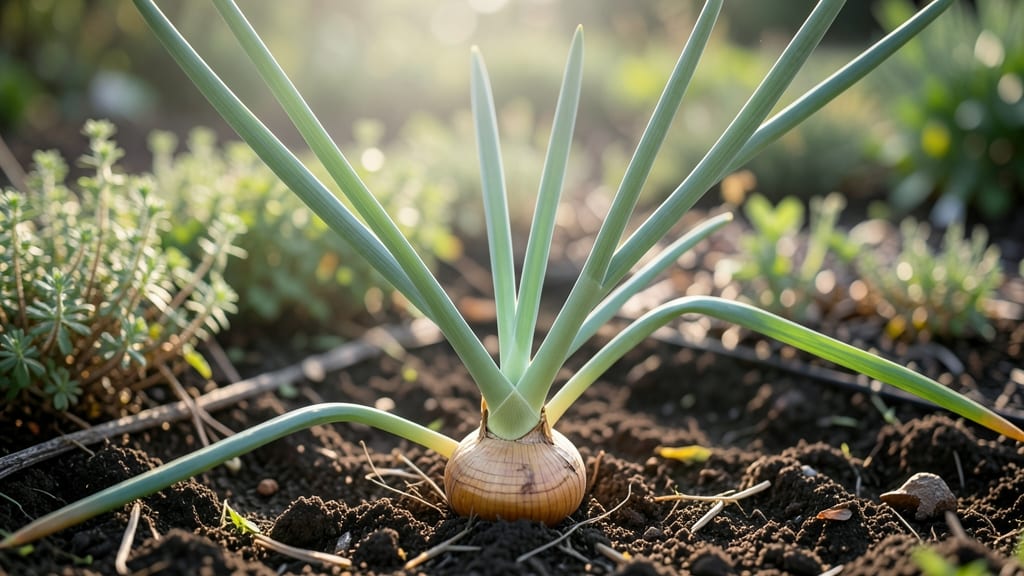
Onions popping up in your lawn aren’t just unsightly—they’re a sign your turf is fighting an underground battle. 🌱 I’ve wrestled with these stubborn Alliums in my own yard, and the key to victory lies in a two-step pull-and-disappear method that works without harsh chemicals.
The secret? Timing, leverage, and a little patience to break their grip on your grass. Most lawns get onions because they thrive in compacted soil or thin grass patches. They spread through bulblets, not seeds, so traditional weed killers often fail.
Instead, focus on removing the entire bulb—roots and all—before they regrow. A sturdy garden fork or onion puller makes this easier, especially after rain when soil is soft. Discard the bulbs immediately to prevent regrowth. Once you’ve cleared the visible onions, the real work begins: suppressing regrowth.
Solarization (covering the area with clear plastic for 4-6 weeks) or overseeding with dense grass like tall fescue starves them out. I’ve seen stubborn patches disappear completely after two seasons of consistent care—no chemicals, just persistence.
This method works year-round but is most effective in spring or fall when soil is workable. For large lawns, tackle small sections at a time to avoid exhaustion. The payoff? A lawn that stays thick, green, and onion-free—no more digging up surprises when mowing.
Root Causes Of Lawn Onions
Understanding why onions (or onion grass, Allium canadense) pop up in your lawn is the first step to eradicating them naturally. These pesky perennials thrive due to a mix of environmental and biological factors.
Let’s break down the key reasons they invade your turf—and how they outsmart traditional lawn care.
Onions in lawns often start as seeds that hitchhike into your yard via wind, wildlife, or even contaminated soil from neighboring properties. But here’s the catch: their seeds can lie dormant for years—sometimes up to 10 years—before sprouting under the right conditions.
- Why it happens:
- Onion seeds are lightweight and easily dispersed by birds, mowing equipment, or water runoff.
- They germinate slowly and may not appear until your lawn is stressed (e.g., drought, poor soil).
- Once established, they form bulbs underground, making them resilient to shallow tilling or herbicides.
- Actionable insight:
- Prevent new seeds by keeping your lawn dense (competitive grasses outcompete weeds).
- Aerate annually to disrupt dormant seeds before they sprout.
Onions love nutrient-rich, compacted, or disturbed soil—common in lawns that receive heavy foot traffic, construction, or over-fertilization. Their shallow roots thrive where turfgrass struggles, creating weak spots they exploit.
- Why it happens:
- High nitrogen (from lawn fertilizers) boosts onion growth while weakening cool-season grasses like fescue or bluegrass.
- Clay or compacted soil prevents water drainage, creating ideal moisture for onion bulbs.
- Disturbed soil (from aeration, digging, or erosion) exposes dormant seeds to sunlight, triggering germination.
- Actionable insight:
- Test your soil (pH 6.0–7.0 is ideal for most grasses; onions tolerate wider ranges).
- Use slow-release, organic fertilizers (like compost or bone meal) to avoid nitrogen spikes.
- Top-dress with sand or compost to improve drainage and reduce compaction.
Onions are sun-loving opportunists—they take over when your lawn is weak. Factors like drought, disease, or improper mowing create gaps that onions rush to fill.
- Why it happens:
- Thin or patchy grass (from fungal diseases like brown patch or dollar spot) leaves bare soil for seeds to land.
- Over-mowing (cutting too short) stresses grass roots, giving onions an edge.
- Drought stress causes grass to go dormant, while onions’ deep bulbs store water efficiently.
- Actionable insight:
- Mow high (3–4 inches) to shade out weeds and strengthen grass roots.
- Water deeply but infrequently (1–1.5 inches per week) to encourage deep grass roots.
- Reseed bare spots with shade-tolerant grasses (like fine fescue) to crowd out onions.
Deer, rabbits, and even squirrels unintentionally spread onion seeds by eating fallen bulbs or digging them up. Humans contribute by moving soil (e.g., landscaping, gardening) or buying contaminated mulch/compost.
- Why it happens:
- Animals disperse seeds in their droppings or while foraging.
- Lawn equipment (rakes, mowers) can spread seeds from one area to another.
- Compost or mulch from wild areas may contain onion seeds.
- Actionable insight:
- Block wildlife with fences or natural barriers (like marigolds, which deer dislike).
- Inspect soil amendments (mulch, compost) for weed seeds before use.
- Clean equipment after mowing in infested areas to prevent spread.
Unlike annual weeds, onions reproduce from bulbs—meaning even if you pull the tops, the roots can regrow. Their bulbs can survive years of neglect, making them harder to eliminate than you’d think.
- Why it happens:
- Each bulb produces multiple offsets (baby bulbs), increasing the colony over time.
- Hand-pulling alone often fails because fragments regrow.
- Herbicides may kill tops but leave bulbs intact (unless systemic and applied correctly).
- Actionable insight:
- Dig deeply (6+ inches) to remove entire bulb clusters—no fragments left behind!
- Smother the area with cardboard + mulch for 6+ weeks to starve bulbs of sunlight.
- Use vinegar or salt sprays (for small patches) to kill regrowth, but reapply weekly for best results.
Pro Tip 💡: Onions thrive in disturbed ecosystems—so focus on preventing their entry (dense grass, proper soil care) rather than just reacting to outbreaks. The key is consistency in lawn maintenance!
Quick Fixes for Unwanted Onions
If your lawn has become a battleground for stubborn onions—whether they’re popping up unexpectedly or refusing to disappear—don’t worry. These targeted solutions will help you reclaim your green space naturally, without harsh chemicals.
Below, we’ve mapped the most common causes to practical fixes, along with prevention tips to keep your lawn onion-free for good.
Onions thrive where grass struggles to compete. If your lawn is patchy or sparse, they’ll take advantage of the open space. Here’s how to outmuscle them:
🔥 Step 1: Overseed Bare Spots
- When: Early fall or spring (ideal germination temps).
- How: Choose a high-quality grass seed blend suited to your climate. Spread it evenly over bare areas using a broadcast spreader.
- Pro Tip: 💡 Water lightly daily for 10–14 days to keep seeds moist until they sprout.
🍳 Step 2: Fertilize Strategically
- Use a slow-release, nitrogen-rich fertilizer (like a 24-0-4 blend) to encourage dense grass growth.
- Avoid over-fertilizing—this can attract weeds, including onions.
- Timing: Apply in early fall and again in spring.
👨🍳 Step 3: Mow High and Often
- Set your mower to 3–4 inches to shade out weeds and onions.
- Mow regularly (never remove more than ⅓ of the blade at once).
If onions have already taken root, manual removal is your best bet—but you’ll need to act fast to stop them from spreading.
🔪 Step 1: Hand-Pull or Dig Them Out
- Best Time: After rainfall when soil is soft (early morning or evening).
- How:
- Grip the onion bulb firmly at the base and pull upward. Use a garden fork or trowel for stubborn roots.
- Goal: Remove the entire bulb—even a tiny piece left behind can regrow.
- Pro Tip: 🌡️ Wear gloves! Onion roots can irritate skin, and some varieties (like wild onions) have a strong odor.
⏰ Step 2: Solarize the Soil (For Stubborn Spots)
- When: Hot, sunny days (late spring or summer).
- How:
- Clear the area of debris.
- Water the soil thoroughly.
- Cover with clear plastic sheeting (secured with bricks or soil edges).
- Leave for 4–6 weeks—the sun will cook out remaining roots.
- Bonus: This also kills grass seeds and weeds in the process.
🎯 Step 3: Smother with Mulch or Cardboard
- For small patches: Lay down cardboard (ink-free) or newspaper, then top with 3–4 inches of mulch (straw or wood chips).
- For large areas: Use a thick layer of black plastic for 2–3 months to block light.
- Onions can’t grow without sunlight, and your grass will eventually reclaim the space.
An ounce of prevention is worth a pound of pulling. Here’s how to stop onions before they start:
💡 Tip 1: Improve Soil Health
- Onions love loose, nitrogen-rich soil. Test your soil’s pH (ideal: 6.0–7.0) and amend with:
- Compost (adds organic matter).
- Sand or perlite (if soil is too compacted).
- Avoid fresh manure—it can attract onion seeds.
🌱 Tip 2: Plant Competitive Ground Covers
- If your lawn is in shade or struggles to grow, try:
- Clover (nitrogen-fixing, crowds out weeds).
- Creeping thyme (drought-tolerant, onion-resistant).
- Dichondra (soft, weed-suppressing ground cover).
✨ Tip 3: Vinegar Spray (For Targeted Weeds)
- Mix: 1 gallon water + 1 cup white vinegar + 1 tbsp dish soap.
- Apply: Spray directly on onion leaves (avoid grass—vinegar will kill it too).
- When: On a sunny day (vinegar works best with sunlight).
- Note: Repeat every 3–5 days until onions die.
🔒 Tip 4: Block Seed Spread
- Onions spread via bulbs and seeds. To stop them:
- Bag and dispose of pulled onions (don’t compost—seeds can survive).
- Rake regularly to remove fallen seeds before they germinate.
- Install a border of gravel or edging if onions keep migrating from neighboring areas.
With these methods, you’ll not only eliminate existing onions but also create a lawn that’s too tough for them to invade again. Happy gardening! 🌿💪
Frequently asked questions
Why do onions keep coming back after I pull them?
Onions reproduce from bulbs and bulblets, not just seeds. Even a small piece left in the soil can regrow! Always dig 6+ inches deep to remove the entire bulb cluster. For stubborn patches, try solarizing the soil with clear plastic for 4-6 weeks to kill remaining roots.
Can I use vinegar to kill lawn onions without harming grass?
Vinegar works best for targeted treatment—mix 1 cup white vinegar + 1 tbsp dish soap per gallon of water and spray only on onion leaves. Avoid spraying grass, as vinegar will kill it too. Apply on sunny days for best results, and repeat every 3-5 days until onions die.
How do I tell the difference between wild onions and grass?
Wild onions have long, flat leaves (like grass) but grow in clumps and often have a bulb at the base. Pull one gently—if it comes up with a bulb, it’s an onion. Grass roots are fibrous and spread horizontally, while onion roots grow downward. Check for the onion-like smell when crushed (though some varieties are odorless).
Will overseeding my lawn prevent onions from returning?
Yes! A dense, healthy lawn crowds out onions by competing for sunlight and nutrients. Choose shade-tolerant grasses like fine fescue or clover, and overseed in early fall or spring. Mow high (3-4 inches) to shade out weeds and water deeply but infrequently to encourage deep grass roots.
Are there any natural predators that can help control lawn onions?
While no animals specifically target onions, deer and rabbits dislike marigolds—plant them as a natural barrier. Chickens may peck at onion greens, but they won’t eliminate bulbs. The most effective "predator" is your lawn itself: A thick, healthy turf starves onions out by blocking sunlight and nutrients.