
Lawn
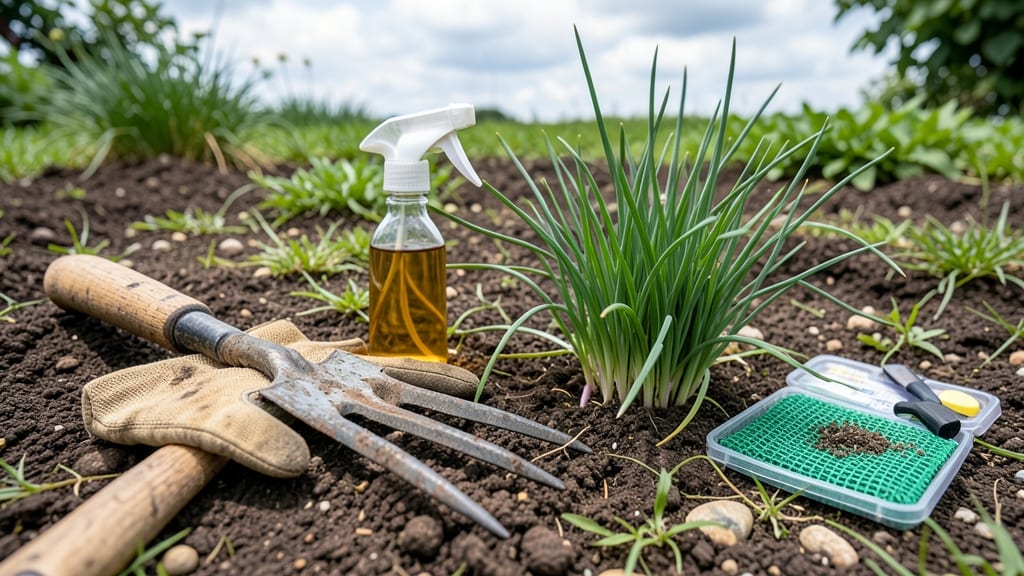
Onion grass sneaks into lawns like an uninvited guest, and once it takes root, it’s shockingly persistent. 🌱 I’ve spent years battling these grass-like weeds—with their sharp-edged leaves and pungent onion scent—and finally cracked the code with a vinegar soak and pull method that actually works.
The key? Timing, the right tools, and knowing exactly where to strike. This method doesn’t just mask the problem—it eliminates the roots so they don’t bounce back next spring. You’ll need basic supplies: white vinegar (the stronger, the better), a spray bottle, gloves, and a sturdy weeding tool.
The process takes 20-30 minutes per section, but it’s far more effective than digging or pulling alone. And the best part? No harsh chemicals if you’re avoiding them.
By the end, your lawn will be free of those stubborn shoots, and you’ll recognize the difference between real grass and onion grass in seconds.
The secret lies in soaking the leaves first to weaken the plant before pulling—it’s a game-changer for anyone tired of seeing these weeds pop up year after year. Works in spring or fall when the soil is moist, and it’s safe for pets once fully dried.
Let’s get those weeds out for good—without breaking a sweat or the bank.
📚 In This Guide
- What you need
- Instructions
- Tips and common mistakes
- Wrapping up and next steps
What you need
- ● White vinegar (5% acetic acid or higher) – 1 gallon (or enough to cover the affected area). Note: Avoid colored vinegar (it may contain additives).
- ● Water – 1 gallon (for diluting vinegar, if needed).
- ● Spray bottle or garden sprayer – 16–32 oz capacity (for precise application).
- ● Gloves (gardening or rubber) – 1 pair (to protect your hands from vinegar and sharp grass blades).
- ● Hand trowel or garden fork – 1 (for digging out stubborn roots).
- ● Lawn rake or hand rake – 1 (to clear debris and check for regrowth).
- ● Trash bag or compost bin – 1–2 (for disposing of pulled weeds and roots).
- ● Sunny day or overcast afternoon – Timing tip: Avoid spraying in direct midday sun (vinegar can evaporate faster).
- ● Dish soap (a few drops) – Helps vinegar stick to leaves for better absorption.
- ● Salt (for tough patches) – ½ cup per gallon of vinegar (use sparingly—can harm soil).
- ● Mulch or grass seed – To reseed bare spots after treatment.
- ● Weed barrier fabric – For preventing regrowth in high-traffic areas.
- ● Label or markers – To mark treated areas if retreating later.
Step-by-step instructions for eliminating onion grass from your lawn
Here's the method I've used to clear onion grass—no harsh chemicals, just targeted vinegar soaks and smart pulling.
🌱 Step 1: Identify and Mark Onion Grass Patches
Onion grass (also called wild onion) has long, flat leaves with a hollow stem and a mild onion scent when crushed. Walk your lawn in the morning when dew makes the grass stand up—you'll spot the straighter, thicker blades immediately. Use a whiteboard marker or chalk to circle each patch about 2 inches wider than the visible grass.
I like to work in sections of about 10 square feet at a time. This keeps the vinegar solution from spreading to healthy grass. If you miss a patch, the onion grass will regrow aggressively—take your time here.
💧 Step 2: Apply Vinegar Soak to Targeted Areas
Fill a spray bottle with undiluted white vinegar (5% acetic acid or higher). Vinegar kills weeds by dehydrating their leaves, but it works best on sunny days when temperatures are between 70-85°F. Spray the marked patches until the leaves are completely saturated, including the base where the grass meets the soil.
Wait 10-15 minutes until the vinegar stops dripping. This gives the acetic acid time to penetrate the leaves fully. You'll notice the onion grass wilting within minutes—that's your signal the treatment is working. Avoid spraying near desirable plants, as vinegar will kill them too.
✂️ Step 3: Pull the Weakened Grass by Hand
After 24 hours, the onion grass will be soft and easier to remove. Use a weeding tool or your fingers to grasp the base and pull upward with steady pressure. The roots should come out cleanly if the vinegar worked. If resistance is strong, soak again and wait another day.
Real talk: This is the step where most people give up. But here's the thing—onion grass has a deep taproot, so you might need to dig a little deeper. Use a trowel to scrape around stubborn roots until you feel them loosen. Fill the holes with fresh soil afterward.
☀️ Step 4: Prevent Regrowth with Regular Maintenance
Onion grass thrives in thin, waterlogged lawns. After removal, improve soil drainage by aerating the area with a garden fork or renting a core aerator. Overseed with a dense, fast-growing grass mix like perennial ryegrass to fill bare spots quickly.
Water deeply but infrequently to encourage deep root growth in your lawn grass. Onion grass can't compete with a healthy, thick turf. I've found that mowing at 3 inches tall keeps weeds from getting a foothold. Repeat the vinegar pull method on any new sprouts within 2-3 weeks.
🌿 Step 5: Monitor and Retreat as Needed
Check the treated areas weekly for new onion grass shoots. These appear as small, skinny blades that look like miniature versions of the full plant. Pull them immediately—they won't have developed deep roots yet. For stubborn patches, repeat the vinegar soak every 7-10 days until the area stays clear for 30 days.
Here's what I do: I set a reminder on my phone for 10 days after the first treatment. By then, I can see if the grass is coming back. If it is, I know I need to keep up the vinegar soaks until the lawn grass fills in completely. Patience is key—this process can take 4-6 weeks total.
Tips & tricks for eliminating onion grass effectively
Here's what I learned after battling onion grass for years—these tricks will save you time and frustration.
Timing is Everything: The 10-15 minute wait after applying vinegar might feel like forever, but it's crucial. This gives the acetic acid enough time to really penetrate those tough onion grass leaves. I've seen people skip this step and wonder why the grass keeps coming back—don't make that mistake!
Weather Watch: The instructions mention sunny days between 70-85°F, but here's the thing—morning is actually better than afternoon. Early sunlight means less evaporation, so your vinegar stays potent longer. I've noticed the best results when treating between 8-10am, right after dew has dried but before the heat peaks.
Root Removal Reality: That 24-hour wait before pulling is non-negotiable for most cases, but stubborn roots might need extra attention. If you're still getting resistance after pulling, try this: soak again for 10 minutes, then use a trowel to gently pry around the edges before pulling. The roots will often come out in sections—don't force it all at once.
Prevention Pro Tip: The instructions mention overseeding with perennial ryegrass, but here's what nobody tells you—mow your lawn at 3.5 inches instead of 3 inches. That extra half-inch gives your lawn grass a better chance to shade out new onion grass sprouts. I've seen patches that were completely clear for months after switching to this taller mowing height.
Pro Tips for Get Rid Of Onion Grass In Lawn
- Here's what I learned after battling onion grass for years—these tricks will save you time and frustration.
- Timing is Everything: The 10-15 minute wait after applying vinegar might feel like forever, but it's crucial. This gi...
- Weather Watch: The instructions mention sunny days between 70-85°F, but here's the thing—morning is actually better t...
Frequently asked questions
Got questions about tackling onion grass in your lawn? You’re not alone! Here are some of the most common concerns—and straightforward answers to help you reclaim your green space without the guesswork.
Can I use vinegar to kill onion grass without harming my other plants?
Vinegar is effective for onion grass, but it’s not selective—it’ll kill most plants it touches. For safety, apply it only to onion grass on sunny days (when plants are actively growing) and avoid spraying nearby grass or flowers. A 10-20% acetic acid solution (diluted with water) minimizes collateral damage while still targeting the weeds.
How long does it take to see results after treating onion grass with vinegar?
You’ll notice wilting within 24–48 hours, but complete death can take 1–2 weeks, depending on weather and vinegar strength. For faster results, reapply every 3–5 days during dry spells. Pulling the dead grass afterward ensures it doesn’t regrow from roots.
Will onion grass grow back if I don’t pull it after treating it?
Yes! Onion grass has deep, fibrous roots that can regenerate if left in the soil. After vinegar treatment, dig up the entire plant (including roots) or use a weeding tool to prevent regrowth. For stubborn patches, repeat the vinegar soak in 2 weeks.
Are there natural alternatives to vinegar for removing onion grass?
Try these vinegar-free options:
- Boiling water: Pour directly on the grass (best for small patches).
- Salt solution: Mix 1 cup salt + 1 gallon water (use sparingly—it can harm soil over time).
- Corn gluten meal: Apply as a pre-emergent in early spring to prevent new growth.
- Manual removal: Dig out roots with a weeder or fork on damp soil.
For large areas, vinegar or a glyphosate-based herbicide (follow label instructions) may be more efficient.
Is onion grass harmful to my lawn or pets?
Onion grass (World Natural Grass) isn’t toxic like wild onions, but it’s invasive and can choke out your lawn if unchecked. For pets, it’s non-toxic, but the vinegar treatment isn’t safe if ingested. Keep pets off treated areas until the vinegar dries (usually 24 hours).
Does weather affect how well vinegar works on onion grass?
Yes! Vinegar works best on warm, sunny days (70°F+). Rain can wash it away, so avoid treating 24–48 hours before rain. For cloudy or humid days, reapply every 3–4 days until the grass dies. Morning applications let the vinegar sit longer without evaporating.
Wrapping up and next steps
Getting rid of onion grass doesn’t have to be a battle—with the right tools and persistence, you can reclaim your lawn! 🌱 Whether you opt for the vinegar soak method or manual removal, consistency is key.
Start small, stay patient, and soon your lawn will be grass-free and looking lush again.
Ready to tackle it? Pick a sunny day, grab your supplies, and begin with one section at a time. Your efforts will pay off in a beautiful, weed-free yard—you’ve got this! 💪