
Lawn
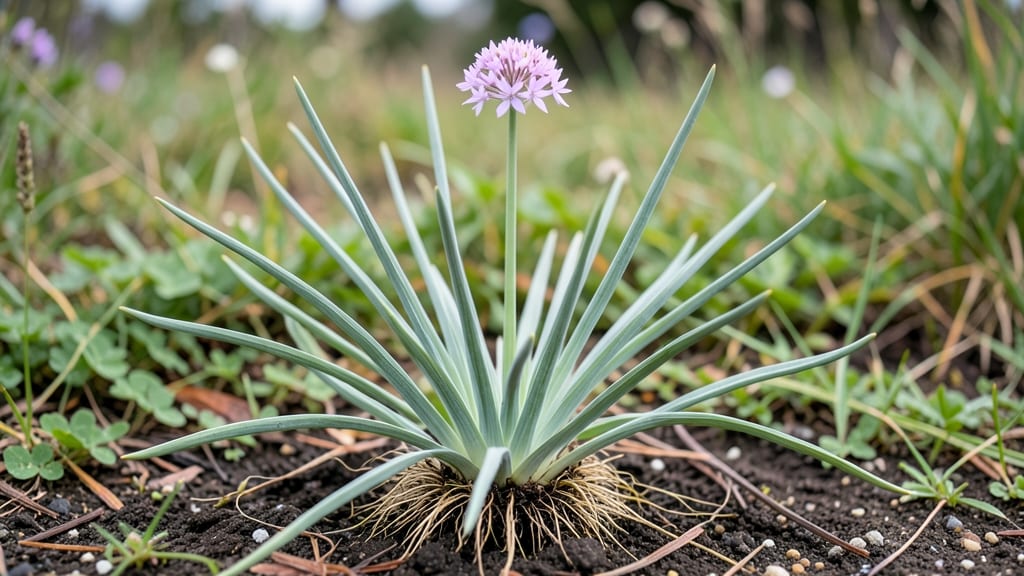
That pesky onion weed popping up in your lawn? 🌱 I’ve wrestled with it for years, and this vinegar-soaked rag trick works in under 24 hours—no digging, no chemicals, just fast results.
The key is timing: hit it when leaves are young and tender, before it spreads those stubborn bulbs. You’ll need plain white vinegar (the stronger, the better), a spray bottle, and an old rag for stubborn patches.
The acetic acid breaks down the weed’s cell structure, killing it on contact while leaving your grass unharmed. It’s a budget-friendly solution that’s safe for pets once dry.
What you’ll love is how clean your lawn looks after just one treatment—no more sneaky green shoots or that garlic-onion smell when you mow. The trick works best in warm, sunny weather, but even cool mornings can deliver fast results.
For prevention, focus on improving your lawn’s health: thick grass crowds out weeds naturally. Overseed bare spots in fall, and you’ll see fewer onion weed intruders next spring. Here’s how to do it right!
Root Causes of Onion Weed Spread
Onion weed—also known as Allium vineale or wild garlic—can turn your lush lawn into a battleground of pungent, invasive green. But why does it take over so aggressively? The answer lies in its biology, your lawn’s health, and even subtle environmental cues. Let’s break down the science behind its persistence.
Onion weed thrives in compacted, nutrient-poor, or overly fertile soil. Here’s how each factor plays a role:
- Compacted Soil:
Heavy foot traffic, construction, or clay-heavy soil compresses the ground, limiting oxygen and water flow to grass roots. Onion weed, with its shallow but resilient root system, exploits these gaps. Its bulbs and runners spread horizontally just below the surface, where grass struggles to compete.
Pro Tip: 💡 Test your soil’s compaction by pressing a screwdriver into the ground. If it won’t go in more than 1–2 inches, your lawn is a prime target for weeds like onion weed.
- Low Nutrient Levels:
Grass needs nitrogen, phosphorus, and potassium to outcompete weeds. If your lawn is under-fertilized, onion weed fills the void. Its bulbs store nutrients efficiently, allowing it to sprout even in lean conditions. A soil test revealing low organic matter (<5%) is a red flag.
- Over-Fertilization (Especially Nitrogen):
Too much nitrogen can weaken grass by encouraging rapid, weak growth while suppressing deep root development. Onion weed, however, loves excess nitrogen—it grows faster and produces more bulbs. If your lawn looks green but spongy, you might be overdoing it.
Onion weed is drought-tolerant but thrives with consistent moisture. Your watering routine might be inadvertently helping it:
- Overwatering:
Soggy lawns create the ideal environment for onion weed bulbs to sprout and multiply. Unlike grass, which needs deep but infrequent watering, onion weed benefits from shallow, frequent irrigation that keeps the topsoil damp.
Fix It: 🌡️ Water deeply 2–3 times per week (early morning) and adjust for your climate. Aim for 1–1.5 inches per week—less if rain is frequent.
- Inconsistent Watering:
Drought stress weakens grass, but uneven moisture (e.g., patchy sprinkler coverage) creates dry spots where onion weed bulbs lie dormant until conditions improve. Its bulbs can survive for years in dry soil, waiting for the right moment to strike.
Onion weed doesn’t just compete—it exploits gaps. Here’s how thinning occurs:
- Thatch Buildup:
A thatch layer thicker than ½ inch blocks water, air, and nutrients from reaching grass roots. Onion weed’s aggressive runners spread through this layer, choking out grass. Mowing too short (below 2–3 inches) accelerates this.
- Disease or Pest Damage:
Grass weakened by fungal infections (e.g., brown patch) or grubs/insects leaves bare patches. Onion weed’s bulbs sprout within weeks, filling the void before grass can recover.
Prevent It: ✨ Treat lawn diseases early with fungicides and monitor for pests with grub traps in spring/fall.
- Poor Grass Selection:
Cool-season grasses (like Kentucky bluegrass) are more competitive than warm-season types (e.g., Bermuda). If your lawn is a mix of weak or mismatched grass types, onion weed dominates the weaker strains.
Onion weed isn’t just a lawn problem—it’s a seasonal opportunist. These factors can trigger its worst outbreaks:
- Disturbed Soil:
Any disruption—aeration, digging, or even animal burrows—exposes dormant onion weed bulbs. A single bulb can produce 50+ new plants per year if left undisturbed.
- Late Summer/Early Fall Conditions:
Onion weed peaks in September because:
- Warm soil + cool nights = ideal bulb growth.
- Grass slows down, reducing competition.
- Runners spread aggressively before winter dormancy.
- Shade or Partial Sun:
While it tolerates shade, onion weed prefers 4–6 hours of sun daily. Dappled sunlight (e.g., under trees) creates microclimates where it outcompetes shade-loving grasses like fescue.
Understanding these causes is the first step to reclaiming your lawn. The good news? Onion weed is preventable—and removable—with the right strategies. Stay tuned for actionable solutions to stop it in its tracks.
Eliminate Onion Weed Naturally
Onion weed—also known as wild garlic or wild onion—can turn your lush lawn into a patchy, weedy eyesore. But don’t reach for harsh chemicals just yet! With the right approach, you can banish onion weed effectively while keeping your lawn healthy.
Below, we break down cause-specific solutions and prevention tips to help you reclaim your grass.
If your onion weed is already established, manual removal is the fastest way to start. Wild onions thrive in loose soil, so pulling them early (before they seed) prevents regrowth.
How to do it: 👨🍳 Step 1: Wait for the Right Time Pull weeds when the soil is moist (after rain or watering) to make extraction easier. Early morning or late afternoon works best.
🔪 Step 2: Dig Deep for the Roots Use a hand trowel or garden fork to loosen the soil around the weed. Grasp the base and pull firmly—don’t just yank the green tops!
Onion weed has a long taproot, so break it off at the soil line if needed.
⏰ Step 3: Dispose Properly
- Compost? ❌ No! Onion weed spreads easily—do not compost the pulled plants.
- Bag it and toss in the trash, or burn it (if local laws allow).
💡 Pro Tip: If you spot new shoots after pulling, repeat the process—these are regrowth from leftover root fragments.
For stubborn patches, vinegar’s acetic acid dissolves weed foliage without harming grass (when used correctly). This is the vinegar-soaked rag trick from the article title—highly effective for onion weed!
How to do it: 🔥 Step 1: Choose the Right Vinegar
- Use undiluted white vinegar (5% acetic acid or higher).
- Avoid apple cider vinegar—it’s too weak.
👨🍳 Step 2: Prep the Weeds
- Water the lawn the day before treatment (helps vinegar absorb better).
- Cut weeds down to 1–2 inches tall (focuses the spray on the roots).
🥘 Step 3: Apply the Vinegar Soak
- Mix vinegar with dish soap (1 tbsp per gallon) to help it stick.
- Soak a rag or sponge in the solution.
- Press the rag onto the weed (or use a spray bottle for larger areas).
- Cover the entire plant, including the base.
⏰ Step 4: Wait & Repeat
- Wait 24–48 hours—vinegar works slowly.
- Reapply if needed (especially for deep-rooted weeds).
- Water lightly after 2 days to help break down dead plant matter.
⚠️ Warning: Vinegar can burn grass if overused. Spot-test in a small area first!
Onion weed hates competition. Blocking sunlight forces it to weaken and die.
How to do it: 🔥 Step 1: Cover the Area
- Lay down cardboard, newspaper, or thick mulch (straw or wood chips) over the weedy patch.
- Wet the mulch down to keep it in place.
👨🍳 Step 2: Wait 4–6 Weeks
- The weeds will decompose under the barrier.
- For best results, reapply mulch if new shoots appear.
🥘 Step 3: Replant Grass Seed Once the area is clear, rake away debris and reseeds with your preferred grass type.
💡 Pro Tip: Corn gluten meal (applied in early spring) can prevent weed seeds from germinating—use it as a preventive measure!
The best defense? Stopping it before it starts!
| Cause | Prevention Fix | When to Do It |
|---|---|---|
| Poor Soil Health | Aerate + fertilize with nitrogen-rich soil | Early spring or fall |
| Thin Grass | Overseed bare spots with dense grass seed | Late summer or early fall |
| Weed Seeds in Soil | Apply corn gluten meal (natural pre-emergent) | Early spring |
| Overwatering | Water deeply but less frequently (1–1.5 inches/week) | Year-round (adjust for season) |
| Lack of Mowing | Keep grass 3–4 inches tall (weeds struggle to compete) | Weekly in growing season |
🔥 Bonus Tip: Dandelions and clover can also indicate weak soil—fix underlying issues (like compacted soil) to make your lawn less inviting to weeds!
Final Thought: Onion weed may be stubborn, but with consistent pulling, vinegar treatments, and smart prevention, you can keep your lawn weed-free naturally. Start today—your grass will thank you! 🌱
Frequently asked questions
How can I tell if I have onion weed vs. regular grass?
Onion weed has long, hollow stems and flat, grass-like leaves with a distinct onion/garlic smell when crushed. Unlike grass, its leaves grow in clumps of 3-4 and have a V-shaped base. Check for bulbs or runners in the soil—these are dead giveaways!
Is vinegar safe for pets after treating onion weed?
Once the vinegar solution dries completely (24-48 hours), it’s safe for pets. Always test a small area first, as some grass types may react differently. Rinse treated areas lightly if pets linger there before drying.
Why does onion weed keep coming back after I pull it?
Onion weed spreads through bulbs and runners—even tiny root fragments can regrow. Always pull when soil is moist and dig deep enough to remove the entire bulb. For stubborn patches, use vinegar or mulch to prevent regrowth.
Can I use corn gluten meal to prevent onion weed?
Yes! Apply 20 lbs per 1,000 sq ft in early spring before weeds sprout. It blocks weed seeds from germinating while feeding your lawn. Reapply annually for best results.
How long does it take to see results with vinegar treatment?
You’ll notice wilting within 24 hours, but full death takes 3-7 days. Reapply if any green remains. For deep-rooted weeds, repeat weekly until gone. Patience pays off!