
Lawn
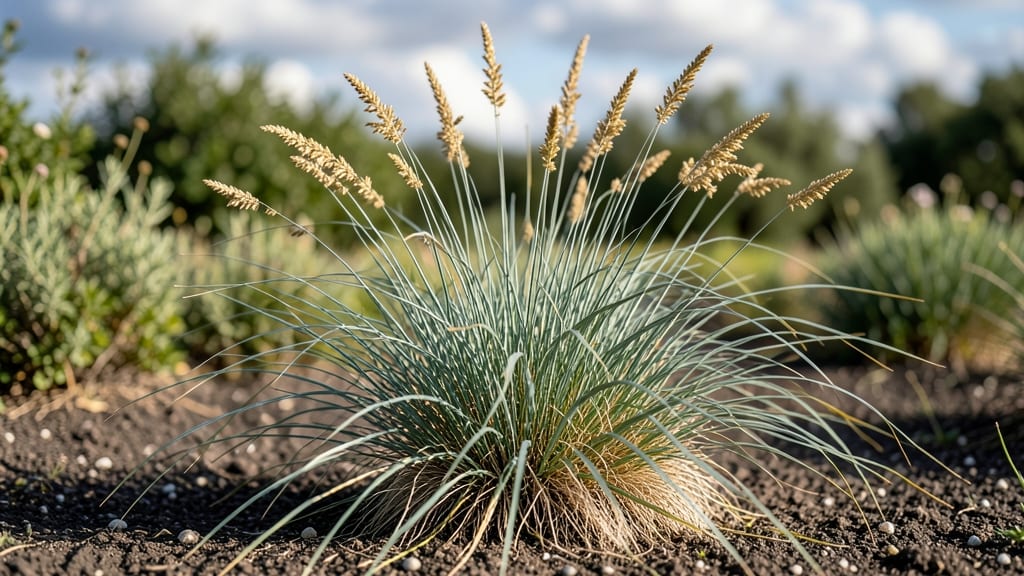
Oat grass lawns transform your yard into a soft, resilient carpet that stays green even when other grasses give up. 🌱 I’ve grown mine through three winters—what I learned is that the secret isn’t just the seed, but the right soil prep and timing.
Most people rush the process, but patience here means a lawn that outlasts weeds and droughts for years.
The magic starts with loosening compacted soil and adding compost—think of it as giving your grass roots a welcoming handshake. You’ll need about 5 pounds of seed per 1,000 square feet, spread evenly after raking.
Watering isn’t about soaking; it’s about keeping the top inch moist like a damp sponge. Within 6-8 weeks, you’ll see that first flush of blades, and by late fall, the lawn will be thicker than store-bought sod.
What you end up with is a lawn that stays lush in shade, recovers from foot traffic faster, and handles frost like a pro. No more patchy brown spots in spring—just a uniform, velvety surface that feels amazing underfoot.
The key? Mowing high (3-4 inches) and fertilizing lightly in early fall. It’s not instant gratification, but the payoff is a yard that stays green when others go dormant.
Perfect for northern climates, high-traffic areas, or anyone tired of battling crabgrass. Here’s how to make it happen—step by step, without the guesswork.
📚 In This Guide
- What you need
- Instructions
- Tips and common mistakes
- Wrapping up and next steps
What you need
- ● Oat grass seed: 5–10 lbs per 1,000 sq. ft. (choose a cold-hardy variety like Agrostis stolonifera or Festuca rubra)
- ● Lawn soil or topsoil: ½ inch layer (screened, free of weeds/rocks)
- ● Lawn fertilizer: Starter fertilizer (high in phosphorus, e.g., 10-20-10 ratio)
- ● Compost or peat moss: ¼ inch layer (for soil amendment)
- ● Rake: Metal or plastic (for leveling and seed distribution)
- ● Lawn roller: Lightweight (to press seed into soil)
- ● Water source: Garden hose with spray nozzle or sprinkler
- ● Mulch or straw: Light layer (to retain moisture and protect seeds)
- ● Soil tester kit: To check pH (ideal range: 6.0–7.0)
- ● Pre-emergent herbicide: (Apply before seeding to prevent weeds)
- ● Lawn aerator: For compacted or heavy soil
- ● Seed spreader: For large areas (saves time and ensures even coverage)
- ● Shade cloth: If seeding in hot conditions (temporarily blocks sun)
Step-by-step guide to establishing a cold-resistant oat grass lawn
Here's how to grow a lush, hardy oat grass lawn that thrives in cooler climates—no special equipment needed.
🌱 Step 1: Prepare the Soil for Optimal Germination
Start by testing your soil's pH—oat grass prefers a range of 6.0 to 7.0. If your soil is too acidic, mix in 2 pounds of lime per 100 square feet and work it into the top 4 inches of soil. This grass type tolerates less-than-perfect soil but thrives when the ground is loose and well-draining.
Remove any existing weeds or grass by hand or with a non-toxic herbicide, then till the soil to a depth of 4 inches. The goal is a fine, crumbly texture—think of it like preparing a soft bed for seedlings. If your soil is heavy clay, mix in 2 gallons of coarse sand per 100 square feet to improve drainage. Rake the area smooth afterward, creating a level surface for even seed distribution.
🌱 Step 2: Choose the Right Time and Spread Seed Evenly
Plant oat grass in early fall or late winter when temperatures hover between 40-60°F. This timing lets seeds establish roots before summer heat stress. For a 100-square-foot area, use 10 pounds of oat grass seed—about 1 pound per 100 square feet. I like to spread half the seed in one direction and the other half perpendicular to ensure even coverage.
Lightly rake the seeds into the soil with a stiff-bristled rake, pressing them just ¼ inch deep. Covering them too deeply delays germination, while leaving them exposed risks drying out. If you're seeding a large area, use a broadcast spreader for consistency. After spreading, gently water the area until the soil feels damp 1 inch below the surface—this ensures seeds stay moist without becoming waterlogged.
💧 Step 3: Maintain Consistent Moisture for Germination
Keep the soil evenly moist for the first 6-8 weeks—this is critical for germination. Water lightly once daily if rainfall is insufficient, aiming for ¼ inch of water per week. Use a sprinkler with a fine mist setting to avoid displacing seeds. You'll see the first green shoots in 7-14 days, but don’t let the soil dry out completely between waterings.
Once the grass reaches 2-3 inches tall, reduce watering to twice weekly to encourage deep root growth. Avoid walking on the lawn until it’s fully established—this prevents seedling damage. If you notice patches where seeds didn’t sprout, reseed those areas immediately and keep them moist until new growth appears.
☀️ Step 4: Fertilize and Mow for a Thick, Resilient Lawn
After 8 weeks, apply a slow-release fertilizer with a 16-4-8 NPK ratio at a rate of 1 pound per 100 square feet. This feeds the grass without burning it, promoting steady growth. Wait 4-6 weeks after fertilizing before mowing for the first time—cutting too early stresses young plants. Set your mower blade to 3 inches to encourage a deep root system and shade out weeds.
Mow regularly as the grass grows, removing no more than one-third of the blade height at a time. Oat grass stays green in cooler weather, so you can enjoy a lush lawn well into fall. In winter, reduce mowing to once every 2-3 weeks unless snow covers the ground. The grass will go dormant but bounce back quickly in spring with minimal care.
⏰ Step 5: Plan for Long-Term Care and Seasonal Adjustments
In early spring, apply a pre-emergent herbicide if crabgrass or other weeds are a problem, then overseed any thin patches. Oat grass handles foot traffic better than many cool-season grasses, but avoid heavy use until the lawn is fully established (12+ weeks). Aerate the lawn in late summer to relieve soil compaction, especially if your area gets heavy rainfall or foot traffic.
This grass type thrives in partial shade to full sun, making it ideal for northern climates or shaded yards. With proper care, your oat grass lawn will stay green longer into fall and recover quickly from winter dormancy. The key is patience—consistent moisture and light fertilization pay off in a resilient, low-maintenance lawn that outlasts many other varieties.
Tips & tricks for perfect cold-resistant oat grass lawns
Here's what nobody tells you about making your oat grass lawn thrive in cooler climates.
Soil Prep Secret: Don't skip the pH test—oat grass really does perform best between 6.0 to 7.0. If your soil tests high, that 2 pounds of lime per 100 square feet in Step 1 makes all the difference. I've seen lawns struggle when soil pH was off by just 0.5 points. For clay-heavy soil, mix that 2 gallons of coarse sand thoroughly—don't just sprinkle it on top. The goal is to create a loose, airy texture that mimics the perfect seedbed.
Timing is Everything: Early fall planting gives seeds time to establish roots before winter dormancy, while late winter planting avoids summer heat stress. If you're in a transitional zone, aim for when daytime temps consistently stay between 40-60°F. Pro tip: Check your local frost dates—planting 2-3 weeks before the first frost gives seeds that critical window to germinate before cold sets in.
Germination Watch: Those first 6-8 weeks of consistent moisture are non-negotiable. I recommend setting a daily reminder for your watering schedule—even a missed day can delay germination. Use the damp 1-inch check method: stick your finger in the soil. If it feels dry at that depth, water immediately. A fine mist sprinkler prevents seed displacement while keeping the surface moist.
Long-Term Resilience: The 12+ week establishment period is when most people give up. Here's the thing: oat grass grows slower than warm-season grasses, but it's worth the wait. Once established, it handles foot traffic better and stays green longer into fall. For winter care, reduce mowing to once every 2-3 weeks unless snow covers the ground—this prevents scalping dormant grass.
Pro Tips for Oat Grass Lawn
- Here's what nobody tells you about making your oat grass lawn thrive in cooler climates.
- Soil Prep Secret: Don't skip the pH test—oat grass really does perform best between 6.0 to 7.0.
- Timing is Everything: Early fall planting gives seeds time to establish roots before winter dormancy, while late winter planting avoids summer heat stress.
Frequently asked questions
Got questions about growing an oat grass lawn? You’re not alone!
Here are some of the most common concerns—plus straightforward answers to help you get started with confidence.
How cold can oat grass tolerate before planting?
Oat grass thrives in cooler climates and can handle light frosts, but avoid planting when temperatures drop below 40°F (4°C). For best results, aim for spring or early fall when soil temps are between 50–65°F (10–18°C). Cold snaps after germination can slow growth, but the grass recovers once warmth returns!
Why isn’t my oat grass sprouting after 8 weeks?
Patience is key! Oat grass germination takes 6–8 weeks, but delays often stem from moisture issues (too dry or soggy soil) or seed depth (bury seeds no deeper than ¼ inch). Check for even watering (1–1.5 inches weekly) and ensure seeds aren’t buried too deep. If soil temps are still chilly, wait a few more weeks—growth speeds up with warmth!
Can I mix oat grass with other grasses for a tougher lawn?
Oat grass pairs well with ryegrass (for early greening) or fescue (for drought resistance). A 50/50 blend balances cold tolerance and durability. Just adjust watering needs—oat grass prefers consistent moisture, while ryegrass is more drought-tolerant. Test small patches first to see what works for your climate!
What’s the best way to kill weeds in an oat grass lawn?
Prevention is easier than treatment! Pre-emergent herbicides (applied in early spring) block weed seeds, but avoid them if you’re overseeding. For existing weeds, hand-pull or spot-treat with vinegar-based sprays (safe for grass if used carefully). Mow high (3–4 inches) to shade out weeds naturally. Oat grass’s dense growth also crowds out invaders over time!
How often should I fertilize oat grass?
Feed lightly but regularly: Apply a balanced fertilizer (10-10-10 or 20-20-20) every 6–8 weeks during the growing season (spring to fall). Avoid overdoing it—oat grass is sensitive to excess nitrogen, which can lead to thatch buildup or fungal issues. A slow-release formula works best for steady growth without burnout.
Does oat grass need more water than other grasses?
Yes! Oat grass has higher water needs than drought-tolerant options like Bermuda or buffalo grass. Water deeply 2–3 times per week (1–1.5 inches total) to encourage deep roots. Early morning watering (4–8 AM) minimizes evaporation and fungal risks. Once established, it’s slightly more drought-resistant but still prefers consistent moisture.
Wrapping up and next steps
Transforming your lawn into a lush, cold-resistant oat grass haven is totally within reach! 🌱 With the right prep, patience, and care, you’ll enjoy a vibrant, durable space that thrives even in cooler months.
Start by gathering your supplies, following the germination steps, and keeping up with maintenance—your future lawn will thank you!
Next up: Once your oat grass is established, explore seasonal care tips to keep it thriving year-round. Happy gardening! 🌿