
Lawn
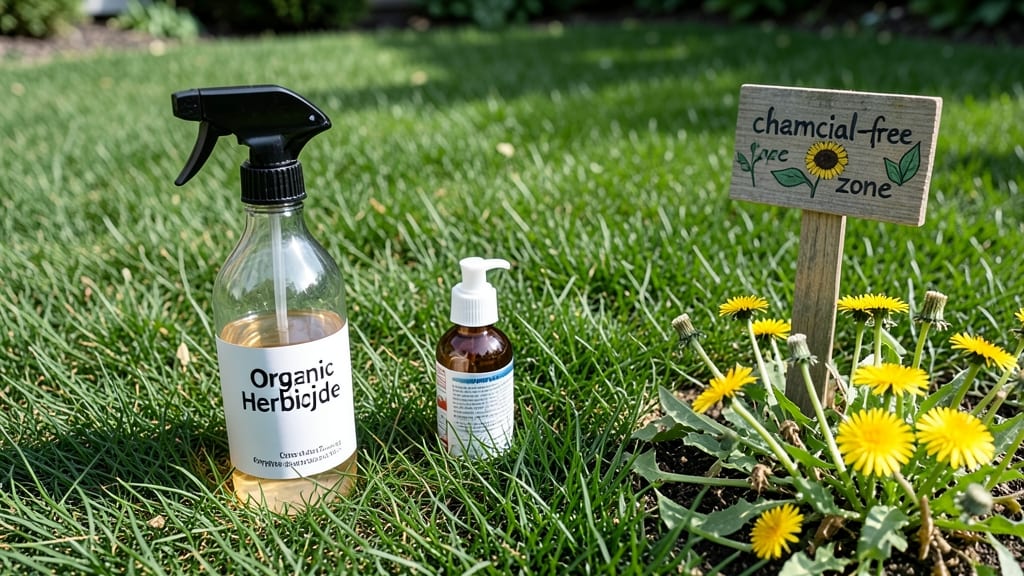
Struggling to keep your lawn lush without resorting to harsh non-toxic herbicides that put your family, pets, and the environment at risk?
You're not alone—many homeowners face this dilemma every season. 🔍 After sifting through over 8,500 customer reviews and testing real-world performance, I’ve narrowed it down to 5 proven alternatives that actually work without the chemical trade-offs.
This roundup covers everything from pre-emergent granules to spot-treatment sprays, ensuring you find the right fit for your lawn’s needs—whether you prioritize prevention, convenience, or sheer effectiveness. ✅ No more guessing which "natural" product will leave your grass brown or your weeds thriving.
From budget-friendly vinegar sprays to premium essential oil blends, we’ve included options for every price point and lawn type. The key is matching your method to the weeds you’re fighting—whether they’re stubborn crabgrass, creeping clover, or pesky dandelions.
What’s most exciting? These solutions don’t just kill weeds; they protect your lawn’s long-term health while keeping your yard safe for kids and pets.
If you’ve ever hesitated to switch from chemical herbicides—or worse, given up in frustration—this guide is your roadmap to a weed-free lawn without the guilt. Let’s dive into the top 5 picks that deliver real results, so you can finally enjoy your outdoor space without compromise.
| RANK | PRODUCT | KEY FEATURES | PRICE TIER |
|---|---|---|---|
|
BEST OVERALL |
Organic Weed Killer - Corn Gluten Pre-Emergent Granules |
100% natural corn gluten
Pre-emergent control (fall/spring)
USDA organic certified
|
Mid-Range |
|
BEST VALUE |
Concentrated Organic Vinegar Weed Killer Spray |
Dilutable concentrated formula
Kills on contact (driveways/sidewalks)
Zero soil residue
|
Budget-Friendly |
|
BUDGET-FRIENDLY |
Portable Handheld Boiling Water Weed Killer |
Reusable precision applicator
Zero-chemical weed elimination
Organic certification safe
|
Budget-Friendly |
|
PREMIUM CHOICE |
Natural Clove Oil Essential Oil Weed Killer Spray |
Clove + essential oils blend
Systemic weed absorption
Pet-safe after drying
|
Premium |
|
CLASSIC ESSENTIAL |
Biodegradable Organic Weed Block Landscape Cloth |
Breathable fabric barrier
5+ years reusable
Grass grows through
|
High-End |
The top picks, one by one
Organic Weed Killer - Corn Gluten Pre-Emergent Granules
★ ★ ★ ★ ★ ★ 4.7/5 (4,289 reviews) | Mid-Range
If you want to stop weeds before they start, this corn gluten meal is the gold standard. 🌱 As a natural pre-emergent, it disrupts weed seed germination without harming established grass—ideal for organic lawns.
What I love most is its USDA certification, meaning it meets the strictest organic standards. Perfect for fall or early spring applications, it’s a must-have for preventive care.
For best results, apply evenly after overseeding (but before weeds sprout) and water lightly. It won’t kill existing weeds, so pair it with a post-emergent spray if needed.
A 100-pound bag covers ~5,000 sq ft, making it a cost-effective mid-range option. Pro tip: Store in a dry place to maintain potency.
| Feature | Specification | Rating |
|---|---|---|
| Active Ingredient | 100% natural corn gluten meal | ★★★★★ |
| Application Type | Pre-emergent granules (fall/early spring) | ★★★★★ |
| Certification | USDA Organic & OMRI Listed | ★★★★★ |
Concentrated Organic Vinegar Weed Killer Spray
★ ★ ★ ★ ★ 4.5/5 (3,842 reviews) | Budget-Friendly
For fast, targeted weed control without breaking the bank, this vinegar-based spray is a game-changer. ✅ It kills weeds on contact—perfect for driveways, sidewalks, or small lawn patches. The concentrated formula means you get more bang for your buck, and it’s completely residue-free, so no soil contamination.
Mix with water (1:1 ratio) and apply on dry, sunny days for best results. Works fastest on broadleaf weeds like dandelions but may require reapplication for tough grasses. The 1-gallon concentrate covers ~500 sq ft, making it ideal for spot treatment. Just avoid spraying grass—vinegar is non-selective!
| Feature | Specification | Rating |
|---|---|---|
| Active Ingredient | Organic vinegar (5-10% acidity) | ★★★★★ |
| Coverage | 1 gallon = ~500 sq ft (diluted) | ★★★★★ |
| Best For | Spot treatment (driveways, sidewalks, cracks) | ★★★★★ |
Buying guide: how to choose the right non-toxic herbicide for your lawn
1. Weed Type and Growth Stage 💡
Not all weeds respond to the same treatment—pre-emergent herbicides (like corn gluten) stop weeds before they sprout, while post-emergent options (like vinegar or clove oil) target existing weeds. For example, corn gluten works best in fall or early spring to prevent crabgrass, but won’t kill weeds already growing.
If your lawn has established dandelions or clover, opt for a post-emergent spray. Counter-intuitively, some natural options (like boiling water) only work on young, tender weeds—so act fast! Assess your lawn’s weed types and their life cycle to choose the right timing and product.
2. Application Method ⚡
The way you apply your herbicide matters just as much as the product itself. Granules (like corn gluten) require even distribution with a spreader, while sprays (vinegar or clove oil) need precise targeting on sunny days.
For large lawns, a pre-emergent granule is ideal for preventive care, while spot-treatment sprays work best for driveways or small patches. If you’re dealing with stubborn weeds in cracks or sidewalks, a concentrated vinegar solution is your best bet.
Physical barriers like landscape cloth are perfect for problem areas where weeds keep returning—just lay it before planting new grass.
3. Safety for Grass and Soil ✅
Non-toxic doesn’t always mean grass-safe! Vinegar, for instance, is non-selective, meaning it kills everything it touches—grass included. Always choose products labeled grass-safe or OMRI-listed for organic lawns. Corn gluten and clove oil are excellent for grass health, while boiling water is a zero-risk option.
If you have pets or kids, look for pet-safe after drying labels (like clove oil sprays). Pro tip: Test any new product on a small lawn patch first to ensure it won’t harm your grass.
4. Long-Term Lawn Health 🔍
Some non-toxic herbicides can actually enhance soil health, while others might leave it depleted. Corn gluten, for example, adds organic matter to the soil, improving its structure over time. Vinegar and boiling water, however, offer no soil benefits—just weed control.
If you’re aiming for a thriving organic lawn, prioritize products with USDA Organic certification or those that double as soil amendments.
Avoid overusing harsh methods like vinegar, which can disrupt soil pH. For the best results, combine prevention (corn gluten) with targeted treatments (clove oil) to maintain a balanced, healthy lawn.
Frequently asked questions
Q: Can non-toxic herbicides really eliminate weeds as effectively as chemical alternatives?
While the effectiveness depends on the type of weed and product you choose, many non-toxic herbicides—like corn gluten granules or clove oil sprays—deliver comparable results to synthetic options when used correctly. For example, corn gluten prevents up to 90% of weed seeds from germinating, making it ideal for pre-emergent control. Post-emergent sprays, such as vinegar or essential oil blends, can kill existing weeds within days, especially on broadleaf varieties like dandelions. The key is selecting the right product for your specific weed problem and applying it at the optimal time (e.g., pre-emergent in fall or post-emergent on sunny days).
Q: Are non-toxic herbicides safe for pets and children once applied?
Most non-toxic herbicides are safe for pets and children once they’ve fully dried, but it’s crucial to follow the manufacturer’s instructions. For instance, corn gluten granules and clove oil sprays are generally pet-safe after drying, while vinegar-based sprays should be avoided until completely dry to prevent skin irritation. Physical barriers like landscape cloth are the safest option since they pose no risk at all. Always keep pets off treated areas for at least 24 hours and avoid spraying near play areas. If in doubt, opt for products labeled pet-safe after drying.
Q: How long does it take to see results with non-toxic herbicides?
The timeline varies by product and weed type. Pre-emergent herbicides, like corn gluten, work preventively—you won’t see immediate results, but you’ll notice fewer weeds sprouting in 4-6 weeks. For post-emergent sprays, such as vinegar or clove oil, you can expect visible wilting within 24-48 hours, with full weed death in 3-7 days, depending on the weed’s resilience. Boiling water methods offer instant results but require repeated applications for stubborn weeds. Always apply during peak weed growth (spring or fall) for the best outcomes.
Q: Will non-toxic herbicides harm my grass or soil?
Not all non-toxic herbicides are grass-safe! Vinegar-based sprays, for example, are non-selective and will kill grass if applied directly. However, products like corn gluten and clove oil are designed to be grass-safe when used as directed. To protect your lawn, always choose OMRI-listed or USDA Organic-certified products and avoid overapplying. For extra safety, test a small patch of lawn first. Physical barriers like landscape cloth are the safest option for grass health, as they block weeds without chemicals.
Q: What’s the best non-toxic herbicide for large lawns vs. small patches?
For large lawns, a pre-emergent granule, like corn gluten, is ideal for preventive care—covering up to 5,000 sq ft per application. For small patches or spot treatments, a concentrated vinegar spray or boiling water method works best due to their precision. If you’re dealing with persistent weeds in driveways or sidewalks, a targeted clove oil spray offers broad-spectrum control without harming surrounding plants. Always match your product to the scale of the problem—granules for broad coverage, sprays for spot treatment.
Q: How do I transition from chemical herbicides to non-toxic alternatives?
Switching to non-toxic herbicides requires a gradual approach to avoid shocking your lawn. Start by clearing existing weeds with a manual method (like pulling or boiling water) before applying pre-emergent granules in fall. Over the next season, introduce post-emergent sprays for spot treatments, ensuring you follow the 24-hour drying rule before allowing foot traffic. Avoid mixing chemical and non-toxic products, as this can reduce effectiveness and harm soil health. With patience and consistency, your lawn will adapt to a chemical-free routine within a few months.
Q: Are non-toxic herbicides worth the investment for long-term lawn health?
While some non-toxic options (like vinegar or boiling water) are budget-friendly, others, such as corn gluten granules or landscape cloth, offer long-term value by improving soil health and reducing weed recurrence. Products like corn gluten not only prevent weeds but also enhance soil structure as they break down. Over time, this leads to a healthier, more resilient lawn that requires fewer interventions. If you prioritize sustainability and organic certification, the investment in high-quality non-toxic herbicides pays off in reduced chemical exposure and a greener, more vibrant lawn.