
Lawn
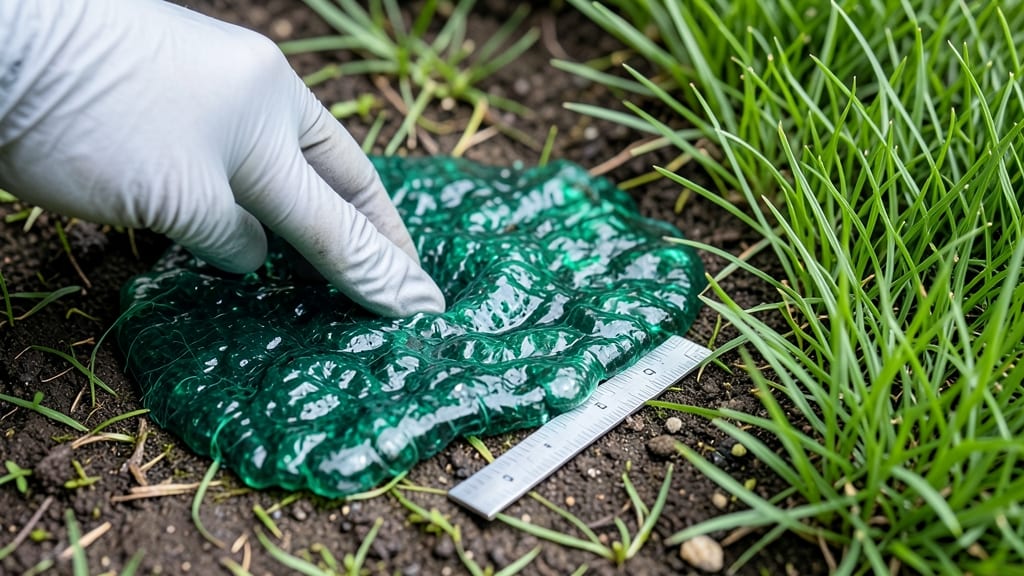
That blue-green crust creeping across your lawn isn’t moss—it’s nostoc, a stubborn algae that turns grass into a slimy mat. 💚 I’ve battled this slippery invader in my own yard, and I’ll show you how to banish it without killing your grass in the process.
Nostoc thrives when lawns are compacted, overwatered, or starved for sunlight. It’s not a fungus or weed—just a slippery, shade-loving algae that spreads like a green carpet. The good news? It responds to simple fixes like aeration, proper watering, and a few targeted treatments.
You’ll restore that lush, weed-free lawn within 2-3 weeks with the right approach. The key is addressing the root causes while keeping your grass healthy enough to outcompete the algae naturally. This works for both sunny and shady lawns, though shadier spots may need extra attention.
Let’s get that grass back in control!
Why Blue-Green Patches Appear
That mysterious blue-green slime creeping across your lawn isn’t just an eyesore—it’s a sign your grass is sending out an SOS. Understanding the root causes of nostoc (or blue-green algae) growth helps you address the problem before it spreads. Here’s why it happens, broken down into the most common triggers:
Nostoc thrives in excess moisture, especially when soil stays soggy for days. Unlike grass, which needs consistent but controlled watering, this algae loves standing water. Here’s how it ties into your lawn:
- Compacted soil: Heavy foot traffic, clay soil, or poor aeration prevent water from draining, creating the perfect wetland for nostoc.
- Automatic sprinklers on a schedule: If your system runs daily without checking soil moisture, you’re overwatering—even if it doesn’t look wet.
- Low-lying areas: Depressions or slopes where water pools after rain become algae hotspots.
Pro Tip: 🌡️ Test your soil’s drainage by digging a 6-inch hole, filling it with water, and timing how long it takes to drain. If it’s slower than 4 hours, you’ve got a problem.
Paradoxically, nostoc often appears in sunbaked lawns where grass struggles to stay green. Here’s the science:
- Grass wilts under extreme heat: When turfgrass can’t photosynthesize efficiently, it weakens, leaving gaps for algae to colonize.
- Algae outcompetes weak grass: Nostoc grows rapidly in sunny, humid conditions, forming thick mats that smother grass roots.
- Dormant grass = algae party: In late summer, when grass goes dormant, nostoc fills the void, turning your lawn into a blue-green carpet.
Actionable Fix: ✨ If your lawn is heat-stressed, reduce watering slightly (counterintuitive, but it helps roots toughen up) and consider shade cloth for high-traffic sunny areas.
Nostoc isn’t picky about food—it feasts on excess nutrients that grass can’t use efficiently. Common culprits:
| Nutrient | Why It Feeds Algae | Signs of Overload |
|---|---|---|
| Nitrogen (from fertilizers) | Algae uses nitrogen faster than grass, especially in synthetic forms like urea. | Bright green algae patches amid yellowing grass. |
| Phosphorus (in lawn foods) | Encourages rapid algae growth—think of it as fast food for microbes. | Sticky, slimy patches after fertilizer application. |
| Organic matter buildup | Decomposing leaves or thatch create a nutrient-rich soup for algae. | Mushy, spongy soil in shaded areas. |
Quick Test: 💡 Grab a handful of soil—if it smells sweet or looks dark and crumbly, you’ve got a nutrient overload. Reduce synthetic fertilizers and aerate to balance things out.
Leaves, grass clippings, and even mulch can smother your lawn while creating the perfect microclimate for nostoc. Here’s how:
- Thatch layers: A thatch thicker than ½ inch traps moisture and blocks sunlight from grass roots, giving algae a head start.
- Shaded, damp pockets: Piles of leaves or mulch under trees or shrubs create humid, low-light zones where nostoc spreads unchecked.
- Old lawn waste: Leftover grass clippings or dead patches act as a nutrient buffet for algae.
Cleanup Tip: 🌿 Rake up debris regularly, especially in fall, and dethatch your lawn in early spring to break the algae cycle.
Most cases of nostoc are a symptom, not the main problem. Fix the underlying issue—drainage, watering, nutrients—and your lawn will bounce back healthier (and algae-free!) in no time.
Quick Fixes for Blue-Green Lawn Spots
If your lawn is showing up with unsightly blue-green patches—likely nostoc—don’t panic! These spots may look like algae or moss, but they’re actually a type of cyanobacteria. The good news? With the right approach, you can eliminate them and restore a lush, weed-free lawn.
Below are practical, step-by-step solutions tailored to the root causes of nostoc growth, plus tips to keep it from returning.
1️⃣ Rake or Scrape Out the Spots (Best for Small Areas)
- Why? Nostoc thrives in damp, compacted soil. Removing it physically disrupts its growth cycle.
- How?
- Use a stiff rake or plastic scraper to gently lift and remove the blue-green patches.
- Dispose of the debris in a sealed bag (don’t compost—it can spread!).
- Pro Tip: Work on a dry day to avoid spreading spores. 🌡️
2️⃣ Vinegar or Hydrogen Peroxide Spray (For Stubborn Patches)
- Why? These household solutions kill nostoc without harsh chemicals.
- How?
- Option 1: Vinegar Spray
- Mix 1 part white vinegar + 1 part water in a spray bottle.
- Spray directly on the affected areas (avoid healthy grass).
- Wait 24 hours, then rinse with water.
- Option 2: Hydrogen Peroxide (3%)
- Spray undiluted 3% hydrogen peroxide on the spots.
- Let sit for 15–30 minutes, then rinse.
- ⚠️ Warning: Test a small area first—vinegar can harm some grass types.
- Option 1: Vinegar Spray
3️⃣ Improve Drainage (Nostoc Loves Wet Spots)
- Why? Poor drainage keeps soil soggy, creating the perfect nostoc habitat.
- How?
- Aerate the lawn with a core aerator to break up compacted soil.
- Add sand or compost to heavy clay soil to improve drainage.
- Install a French drain if water pools in specific areas. 💡
- Prevention Tip: Water deeply but less frequently—nostoc thrives in constantly damp conditions.
4️⃣ Adjust Watering Habits (Prevent Future Outbreaks)
- Why? Overwatering or irregular watering stresses grass and invites nostoc.
- How?
- Water early in the morning (5–9 AM) to allow grass to dry quickly.
- Aim for 1–1.5 inches per week, including rain.
- Avoid daily light watering—this keeps soil moist too long.
- 🎯 Pro Tip: Use a rain gauge or smart sprinkler timer to monitor watering.
5️⃣ Overseed Bare or Thin Spots
- Why? Dense grass crowds out nostoc by blocking sunlight and nutrients.
- How?
- Choose a drought-tolerant grass seed (like tall fescue or Kentucky bluegrass).
- Spread seed over affected areas in early fall or spring.
- Keep soil moist until germination (about 2–3 weeks).
- ✨ Prevention Tip: Test soil pH—nostoc loves acidic or alkaline extremes. Aim for 6.0–7.0.
6️⃣ Apply a Pre-Emergent Herbicide (For Severe Cases)
- Why? If nostoc keeps returning, a targeted herbicide can help.
- How?
- Use a non-selective herbicide (like glyphosate) only on the nostoc patches (not healthy grass).
- Follow up with grass seed to fill the gap.
- ⚠️ Caution: Wear gloves and avoid windy days to protect nearby plants.
| Cause | Fix | Prevention Tip |
|---|---|---|
| Compacted Soil | Aerate + top-dress with sand | Aerate twice a year (spring/fall). |
| Overwatering | Adjust sprinkler schedule | Water deeply 2–3x/week instead of daily. |
| Poor Drainage | Install drainage channels | Check for low spots after heavy rain. |
| Thin Grass | Overseed + fertilize | Apply slow-release fertilizer in early spring. |
| Shady, Damp Areas | Mulch or plant shade-tolerant grass | Use clover or fine fescue in shady spots. |
💡 Final Pro Tip: If nostoc keeps coming back, consider liming the soil (if pH is too low) or adding iron supplements—nostoc often appears when grass lacks nutrients. A simple soil test ($20–$30 at garden centers) can reveal imbalances!
By tackling the root causes—moisture, soil health, and grass density—you’ll not only eliminate nostoc but also create a thicker, greener lawn that resists future invasions. 🌿💪
Frequently asked questions
Is nostoc harmful to my lawn or pets?
Nostoc isn't toxic to pets or humans, but it can harm your lawn by smothering grass roots and creating slippery, unsightly patches. While dogs and cats can walk on it without immediate danger, the algae will weaken your turf over time if left untreated.
Why does nostoc spread so fast in shady areas?
Shady lawns stay damp longer, creating the perfect environment for nostoc to thrive. Unlike grass, which needs sunlight to grow, this algae uses low light efficiently and spreads rapidly in moist, shaded conditions. The lack of competition from grass lets it dominate quickly.
Can I use salt to kill nostoc in my lawn?
While salt is effective at killing nostoc, it's too harsh for most lawns and can damage grass roots permanently. Instead, try vinegar or hydrogen peroxide first - they're gentler alternatives that target the algae without harming your turf.
How often should I check for nostoc after treatment?
Monitor your lawn every 2-3 weeks after treatment, especially during spring and fall when conditions are ideal for nostoc growth. Look for early signs like slimy patches or blue-green discoloration - catching it early makes removal much easier.
Will nostoc come back if I don't fix drainage issues?
Nostoc thrives in wet conditions, so if you don't improve drainage, it will likely return within 4-6 weeks. The algae needs that constant moisture to establish itself - fixing drainage is the most important long-term solution.