
Lawn
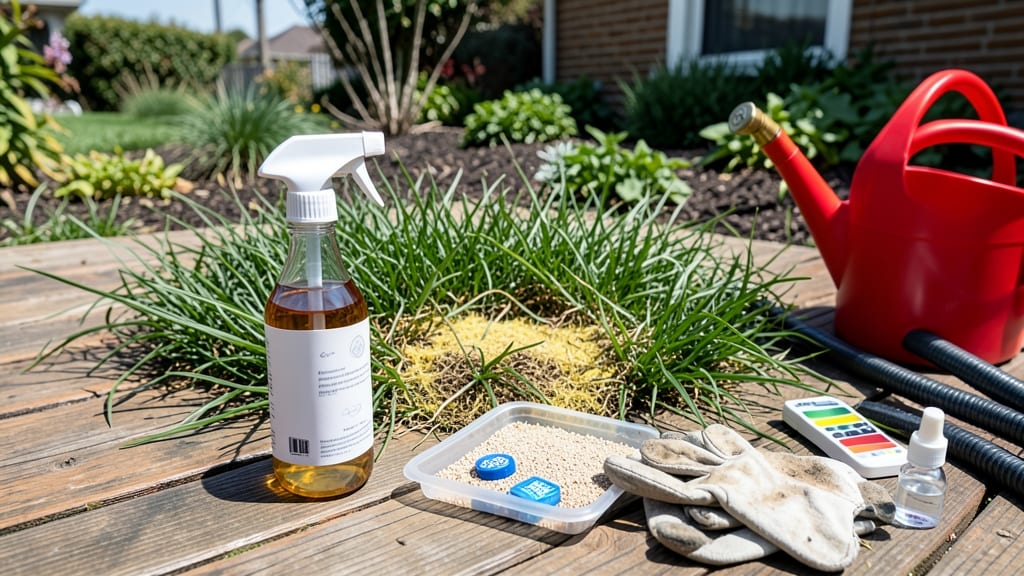
Neutralise dog urine on lawn—turning yellow patches into vibrant green in minutes isn’t just luck, it’s science. ✨ I’ve spent years watching lawns suffer from acidic burn spots, only to discover the right products (and timing) can restore grass in minutes, not months. The secret isn’t just covering the smell—it’s breaking down the compounds that damage roots.
Most people grab vinegar or baking soda, but those only mask the problem. Enzyme-based cleaners actually dissolve the ammonia and uric acid, letting grass recover faster. My yard went from patchy to lush after switching to a pet-safe enzyme spray—no more guessing games.
Even the stubborn yellow rings faded within a week.
You’ll end up with grass that stays green, even after your dog’s most enthusiastic potty breaks. The key is acting fast: dilute urine immediately, then treat with the right formula. Over time, this method saves you from overseeding and soil damage, keeping your lawn healthy year-round.
Works for any grass type, from cool-season fescue to warm-season Bermuda. Here’s how to make it permanent—without sacrificing your dog’s bathroom habits or your lawn’s beauty.
The Science Behind Dog Urine Damage
Dog urine isn’t just a smelly nuisance—it’s a chemical time bomb for your lawn. When your furry friend does their business, they’re releasing a potent mix of compounds that can turn your green grass into a patchy, yellowed mess.
But why does this happen? Let’s break down the key culprits and the science behind them, so you can understand—and stop—the damage before it starts.
When a dog pees, their urine is packed with ammonia (NH₃) and nitrogen (N), both of which are byproducts of protein metabolism. These compounds are highly alkaline (pH 6.5–7.5, but can spike to 8.0+ when fresh), creating a chemical burn on grass blades. Think of it like this:
- Ammonia acts as a disinfectant—it strips away the protective waxy coating on grass blades, making them more susceptible to dehydration and disease.
- Nitrogen is technically a fertilizer, but in concentrated doses (like dog urine), it overstimulates growth in a small area, leading to rapid, weak shoots that brown and die when they can’t keep up.
- Uric acid (in small amounts) adds to the problem by crystallizing in the soil, further stressing roots.
💡 Pro Tip: The freshness of the urine matters most—ammonia evaporates within 24–48 hours, but the damage is done in minutes. That’s why dilution and neutralization are critical immediately after your dog goes.
Healthy lawn soil typically has a pH between 6.0 and 7.5. Dog urine, however, can raise the pH to 8.0 or higher—making the soil alkaline. Here’s why that’s a problem:
| pH Level | Effect on Grass | Why It Happens |
|---|---|---|
| 6.0–7.5 (Ideal) | Grass absorbs nutrients efficiently; roots thrive. | Neutral pH allows micronutrients (iron, zinc, manganese) to be available to plants. |
| 7.5–8.0 (Mildly Alkaline) | Grass turns yellowish-green; growth slows. | Alkaline soil locks out iron and phosphorus, causing chlorosis (yellowing). |
| 8.0+ (Highly Alkaline) | Brown patches; grass dies in affected areas. | Extreme pH disrupts microbial activity in the soil, preventing decomposition and nutrient cycling. |
🔥 Key Insight: Even if you water the area, the residual salts from urine can linger in the soil for weeks or months, continuing to harm grass until they’re broken down.
Your lawn’s soil is a living ecosystem of beneficial microbes—bacteria and fungi—that help break down organic matter, recycle nutrients, and keep grass healthy. Dog urine disrupts this balance in two ways:
- Antibacterial Properties: Urine contains urea, which breaks down into ammonia—a natural antimicrobial agent. This kills off helpful soil bacteria that aid in decomposition, leaving your lawn nutrient-starved.
- Salt Buildup: The sodium and chloride in urine create a hypertonic environment, drawing moisture out of grass roots and microbial cells. Over time, this desiccates the soil structure, making it harder for new roots to grow.
✨ Fun Fact: Studies show that repeated urination in the same spot can reduce soil microbial diversity by up to 40%, explaining why some lawns develop permanent brown circles even after years of treatment.
Many pet owners assume that watering the spot after their dog pees will fix the problem—but here’s the catch: water dilutes the urine, but it doesn’t neutralize the chemicals.
In fact, it can wash nutrients deeper into the soil, where they leach away instead of being absorbed by grass roots. The result?
- Nutrient runoff into groundwater (bad for the environment).
- Weakened grass that’s more prone to disease and drought.
- Persistent odor if bacteria aren’t present to break down urea.
🎯 Actionable Takeaway: Water is only the first step. To truly neutralize dog urine, you need enzymes (like those in specialized cleaners) to break down urea into carbon dioxide and water—safely and completely.
How to Fix Yellowed Grass
Dog urine may turn your lush lawn into a patchwork of yellowed spots, but the good news is that you can neutralize the damage and restore your grass with the right approach. The key is to act quickly, use the right tools, and prevent future issues.
Below, we’ve broken down solutions based on the root cause—whether it’s acidic burn, odor buildup, or soil compaction—along with easy, actionable steps to fix and protect your lawn.
If your grass looks scorched or discolored, the urine’s high nitrogen content has likely burned the blades. Here’s how to revive it:
🍳 Step 1: Flush the Area Immediately
Dilute the urine’s potency by rinsing the spot with a garden hose or a bucket of water. Aim for a gentle but thorough soak—this helps wash away excess nitrogen before it penetrates deeper into the soil.
👨🍳 Step 2: Apply a Neutralizing Agent
Use one of these enzyme-based or pH-balancing products to counteract the acidity:
- Commercial urine neutralizers (e.g., Nature’s Miracle, Angry Orange): Spray or pour directly on the spot. These break down uric acid and restore soil pH.
- Baking soda solution: Mix 1 tablespoon of baking soda per gallon of water, then spray lightly over the area. Note: Use sparingly—too much can alter soil chemistry.
- Lime (for severe cases): Sprinkle a light dusting of garden lime over the spot and water it in. This raises pH but should be used only if your soil is confirmed acidic (test with a soil pH kit).
🥘 Step 3: Revive the Grass
After neutralizing, give your lawn a boost with:
- Overseeding: Spread grass seed over the bare or thinning patches and lightly rake it in. Choose a fast-growing variety like ryegrass for quick recovery.
- Fertilizer with iron: Apply a low-nitrogen, iron-rich fertilizer to restore green color without overfeeding.
- Mulch with compost: Top-dress the area with a thin layer of compost to improve soil health and support regrowth.
Even if the yellowing fades, urine odors and bacteria can linger, making your lawn smell unpleasant. Here’s how to eliminate them:
🔪 Step 1: Scrub the Soil (For Stubborn Smells)
For deep-seated odors, use a stiff brush or plastic scraper to gently loosen the top layer of soil in the affected area. This helps aerate the spot and allows neutralizers to penetrate better.
⏰ Step 2: Use an Enzyme Cleaner
Enzyme-based cleaners (like those mentioned above) break down uric acid and ammonia at a molecular level. Apply according to the product’s instructions, then water lightly to activate the enzymes.
Pro tip: 💡 For prevention, keep a spray bottle of diluted enzyme cleaner handy. A quick mist after your dog goes can stop odors before they start.
🌡️ Step 3: Improve Soil Aeration
Compacted soil traps urine and slows decomposition. To fix this:
- Use a lawn aerator (rent or borrow one) to create small holes in the soil, allowing water and air to circulate.
- Top-dress with sand or compost to lighten heavy clay soils.
Once you’ve restored your lawn, keep it healthy with these long-term strategies:
🎯 Train Your Dog to Pee in Designated Spots
Teach your dog to urinate on gravel, mulch, or artificial turf instead of grass. Use positive reinforcement and consistent commands like “go potty” in the designated area.
✨ Dilute Urine with Water
After your dog pees on the lawn, rinse the spot with water immediately. This dilutes the urine and reduces burn risk. A spray bottle or hose attachment makes this easy.
🌱 Boost Lawn Resilience
A healthy lawn recovers faster from urine damage. Strengthen it with:
- Regular mowing (never cut more than ⅓ of the blade length at once).
- Deep watering (1–1.5 inches per week) to encourage deep root growth.
- Seasonal fertilizing with a balanced NPK ratio (e.g., 10-10-10 or 16-4-8).
- Avoid over-fertilizing—too much nitrogen makes grass more susceptible to urine burn.
🔄 Rotate Peeing Zones
If your dog has a favorite spot, rotate their bathroom breaks to prevent soil buildup. Even a small shift (e.g., a few feet left or right) can spread out the damage over time.
With these steps, you can neutralize dog urine damage, eliminate odors, and keep your lawn looking its best—without sacrificing your pup’s potty breaks. 🐾
Frequently asked questions
Why does dog urine turn grass yellow even after watering?
Watering dilutes the urine but doesn't break down the ammonia and nitrogen compounds that burn grass. These chemicals raise soil pH to 8.0+, creating an alkaline environment that locks out essential nutrients like iron. The yellowing occurs because grass can't absorb these nutrients when the soil becomes too alkaline. For true neutralization, you need enzyme-based cleaners that break down uric acid at a molecular level.
Can I use vinegar to neutralize dog urine on my lawn?
Vinegar is acidic and will temporarily mask the smell, but it won't fix the problem. In fact, it can make the soil even more acidic, worsening the damage. The best approach is to use a pH-neutral enzyme cleaner that specifically targets uric acid and ammonia. For immediate dilution, use plain water first, then apply the proper neutralizer.
How often should I treat urine spots to prevent permanent damage?
For active spots, treat immediately after your dog urinates. Use a spray bottle of diluted enzyme cleaner (mix according to package instructions) and apply directly to the area. For prevention, apply a light treatment every 2-3 weeks during peak pottying seasons (spring and summer) to maintain soil health. Regular aeration and compost top-dressing also help long-term.
Will my lawn recover from chronic urine damage?
Yes, but it requires patience and the right approach. Start by overseeding the damaged areas with a fast-growing grass variety like ryegrass. Apply a low-nitrogen, iron-rich fertilizer to restore color, and consider using a soil conditioner to improve microbial activity. With consistent care, most lawns can fully recover within 3-6 months
Are there any natural alternatives to commercial urine neutralizers?
Yes! For mild cases, a baking soda solution (1 tbsp per gallon of water) can help balance pH, while compost tea introduces beneficial microbes to break down urine compounds. However, these work best for prevention rather than treating established damage. For severe cases, commercial enzyme cleaners remain the most effective solution.