
Neem Oil
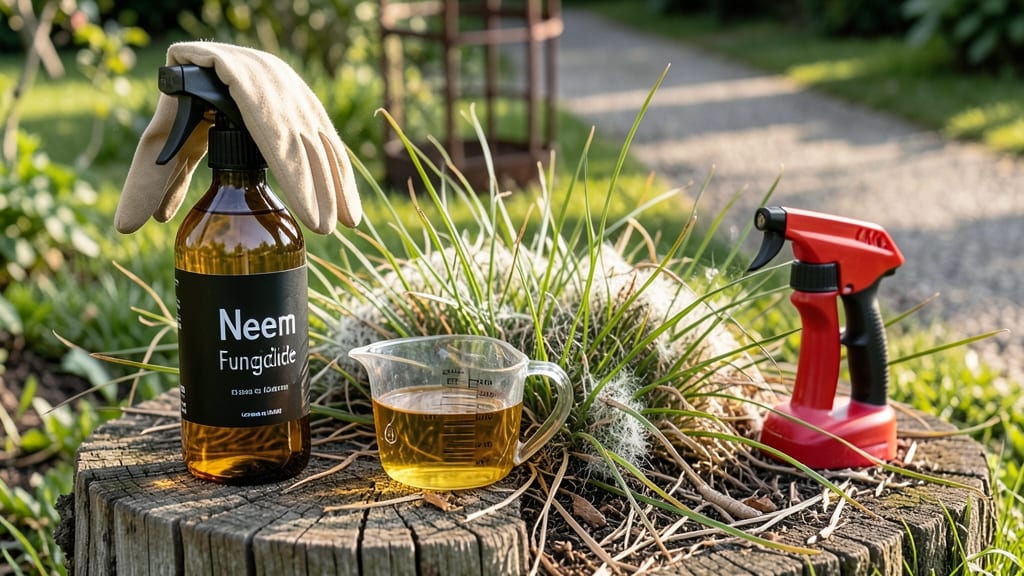
Neem oil for lawn fungus is the organic secret weapon that saved my dollar spot-ravaged lawn last summer. 🌱 I was ready to rip out the grass when I discovered how this plant-based oil disrupts fungal growth at the cellular level—no harsh chemicals needed.
The beauty of neem oil lies in its dual action: it smothers existing fungal spores while preventing new ones from taking hold. For stubborn brown patch or dollar spot, you'll need to apply it twice weekly during active growth, mixing just 2 tablespoons per gallon of water.
The key is consistency—fungus won't stand a chance.
What you'll end up with is grass that stops yellowing and spreads again, with a healthy green that stays put through summer's worst heat. The best part? It's safe for kids and pets once fully dry, and won't harm beneficial insects like bees or earthworms.
Works equally well for lawns, vegetable beds, and ornamental plants—just adjust the concentration based on severity. The only thing you'll need to watch is humidity: apply in the early morning so it has time to dry before evening dew sets in.
The Hidden Triggers Behind Lawn Fungus
Fungal infections in your lawn aren’t just random bad luck—they’re the result of a perfect storm of environmental and biological factors. Understanding these causes is the first step to preventing and treating them effectively with natural solutions like neem oil.
Below, we break down the key culprits behind fungal outbreaks in your grass, so you can tackle the root of the problem.
Fungi thrive in damp, oxygen-deprived conditions, making excess moisture their favorite breeding ground. Here’s why your lawn becomes a fungal buffet when watered improperly:
- Soggy Soil: Grass needs water, but too much creates a waterlogged environment where fungal spores germinate rapidly. Overwatering weakens grass roots, making them more susceptible to infections like brown patch or dollar spot. - Poor Drainage: Clay-heavy or compacted soils trap water, preventing air circulation.
Fungi like Rhizoctonia (which causes brown patch) flourish in these anaerobic (low-oxygen) zones. - Frequent Light Watering: Light, daily watering keeps the top layer of soil perpetually moist—ideal for fungal spores. Instead, water deeply 2–3 times per week to encourage deep root growth and evaporation.
Pro Tip: 💡 Test your soil’s drainage by digging a 6-inch hole and filling it with water. If it drains in under 4 hours, you’re good. If not, amend with sand or compost to improve aeration.
Thatch—a layer of dead grass, roots, and stems between the soil and green blades—can become a fungal hiding spot if it grows too thick (over ½ inch). Here’s how it fuels infections:
- Moisture Trap: Thatch holds water like a sponge, creating a dark, humid microclimate where fungi like Fusarium (causing red thread) proliferate.
- Nutrient Source: Decaying thatch releases sugars that feed fungal mycelium, accelerating growth.
- Blocked Airflow: Thick thatch suffocates grass roots, weakening them and making them easier targets for pathogens.
Actionable Fix: 🔥 Dethatch your lawn in early spring or fall using a rake or vertical mower. For severe buildup, consider sand topdressing to break it down naturally.
While nitrogen promotes lush green grass, too much creates a high-protein feast for fungi. Here’s the science:
- Weakened Defenses: Excess nitrogen makes grass grow rapidly but with thin cell walls, making it easier for fungi to penetrate.
- pH Imbalance: Over-fertilizing can lower soil pH, creating acidic conditions where fungi like Pythium (causing root rot) thrive.
- Stress from Burn: High nitrogen can "burn" grass, creating entry points for fungal spores.
Balance Tip: ✨ Use a slow-release, balanced fertilizer (e.g., 16-4-8) and follow the 3-1-2 rule: 3 parts nitrogen, 1 part phosphorus, 2 parts potassium. Test your soil annually to avoid overdoing it.
Fungi love warm (75–85°F) and humid conditions—think of them as tropical vacationers. Here’s how climate plays a role:
- Spores Germinate Fast: Temperatures above 70°F trigger fungal spores to wake up and spread. Humidity above 70% keeps them hydrated and active. - Shade Stress: Lawns in shaded areas grow slowly and stay damp longer, creating prime fungal conditions.
Fungi like dollar spot exploit this weakness. - Evening Dew: Morning dew lingers in thick grass, providing fungi with a 24-hour moisture party.
Climate Hack: 🌡️ Mow higher (3–4 inches) in summer to improve airflow and reduce humidity near the soil. In shaded areas, overseed with fungus-resistant grasses like tall fescue.
A weak lawn is an open invitation for fungi. Stress from disease, pests, or environmental factors lowers grass’s natural resistance:
- Pest Damage: Grubs, chinch bugs, and other insects create wounds where fungi can invade.
For example, white grubs leave behind tunnels that Rhizoctonia exploits. - Drought Stress: Drought-weakened grass recovers slowly, leaving it vulnerable to leaf spot fungi when rains return. - Improper Mowing: Cutting grass too short (below 2 inches) exposes roots to sunlight, stressing them and inviting fungal infections.
Recovery Tip: 💪 Apply a light layer of compost to boost soil health and use beneficial microbes (like Trichoderma) to outcompete harmful fungi naturally.
Fungal spores are sneaky—they hitchhike on tools, shoes, and even neighboring plants. Here’s how contamination spreads:
- Dirty Mowers/Trimmers: Spores cling to blades and spread to healthy grass when you mow.
Always clean tools with a bleach solution (1:9 bleach-water) after use. - Infected Mulch or Soil: Bringing in contaminated compost or topsoil can introduce fungi like Armillaria (honey fungus). - Adjacent Landscaping: Fungi from trees, shrubs, or garden beds (e.g., Phytophthora from overwatered plants) can creep into your lawn.
Sanitation Checklist: 🧼
- Disinfect tools before and after use.
- Avoid using grass clippings from infected areas as mulch.
- Quarantine new plants for 2 weeks to monitor for fungal signs.
How to Fix Fungal Lawn Issues
Fungal lawn diseases can feel like an uphill battle, but with the right approach—especially using neem oil—you can restore your grass’s health in days. Below, we break down the most common causes of lawn fungus and the practical, step-by-step fixes to tackle them.
Plus, we’ll share prevention tips to keep your lawn fungus-free long-term.
Cause: Hot, humid weather + poor drainage + overwatering Fix: Act fast with neem oil and adjust care habits.
- 🔥 Stop Watering Immediately
- Reduce watering to early morning only (avoid evening sessions).
- Let the top 1–2 inches of soil dry between waterings.
- 🍳 Apply Neem Oil Fungicide
- Mix 2 tbsp neem oil per gallon of water with a surfactant (like dish soap) to help it stick.
- Spray evenly on affected areas (and surrounding grass) using a hose-end sprayer.
- Reapply every 7–10 days until symptoms fade (usually 2–3 weeks).
- 🌱 Improve Airflow & Drainage
- Aerate compacted soil to help roots breathe.
- Rake thatch buildup to prevent moisture traps.
- Mow high (3–4 inches) to shade soil and reduce stress.
💡 Pro Tip: If brown patches persist, test your soil for pH imbalance (ideal: 6.0–7.0). Lime or sulfur may be needed.
Cause: Cool, damp mornings + nitrogen-heavy fertilizers Fix: Target the fungus and adjust fertilization.
- 👨🍳 Use Neem Oil + Baking Soda
- Combine 1 tbsp neem oil + 1 tbsp baking soda per gallon of water for extra fungal resistance.
- Spray directly on spots (avoid overspray on healthy grass).
- ⏰ Mow at the Right Time
- Bag clippings to remove spores.
- Mow when grass is dry (never wet) to prevent spreading.
- 🌡️ Adjust Fertilizer Use
- Switch to a low-nitrogen, high-potassium fertilizer (e.g., 0-0-30) to strengthen grass roots.
- Avoid overwatering—water deeply but infrequently.
✨ Prevention Hack: Apply cornmeal fungus control (a natural preventative) in early spring.
Cause: High nitrogen + wet conditions + thin grass Fix: Reduce nitrogen and smother the spores.
- 🔪 Trim Infected Grass
- Remove and dispose of severely rusty blades (don’t compost them!).
- Rake fallen leaves/organic matter that traps moisture.
- 🥘 Apply Neem Oil + Copper Fungicide
- Mix neem oil + copper fungicide (follow label rates) for a 1-2-3 spray schedule:
- Day 1: Spray affected areas.
- Day 7: Reapply.
- Day 14: Final treatment.
- Mix neem oil + copper fungicide (follow label rates) for a 1-2-3 spray schedule:
- 🎯 Overseed Thin Spots
- Fill bare patches with disease-resistant grass seed (e.g., tall fescue or perennial ryegrass).
- Water lightly for 2 weeks to help seeds germinate.
💡 Pro Tip: Rust thrives in shady, damp areas—consider de-thatching if your lawn holds too much moisture.
Cause: Poor airflow + shade + high humidity Fix: Boost circulation and use neem oil as a shield.
- 🌬️ Increase Airflow
- Trim trees/shrubs blocking sunlight.
- Space out plants if your lawn borders a garden.
- 🍳 Neem Oil + Horticultural Oil Blend
- Mix 1.5 tbsp neem oil + 1 tbsp horticultural oil per gallon.
- Spray both top and bottom of grass blades (fungus loves shaded undersides).
- 🌡️ Water in the Morning Only
- Avoid evening watering to reduce humidity at night.
🔥 Quick Fix: A baking soda spray (1 tsp per gallon) can help in mild cases.
| Do This ✅ | Avoid This ❌ |
|---|---|
| Water deeply 2–3x/week (early morning) | Shallow, frequent watering |
| Mow high (3–4 inches) | Cutting grass too short |
| Aerate & dethatch annually | Ignoring thatch buildup |
| Test soil pH (6.0–7.0 ideal) | Over-fertilizing with nitrogen |
| Clean mower blades after use | Leaving clippings on infected grass |
| Apply neem oil preventatively (spring/fall) | Skipping fungicide treatments |
Final Thought: Neem oil isn’t just a reactive treatment—it’s a preventative powerhouse when used correctly. Combine it with smart lawn care, and you’ll see healthier grass in weeks! 🌿✨
Frequently asked questions
How quickly does neem oil work on lawn fungus?
You’ll typically see improvement within 5-7 days of consistent application, with full recovery in 2-3 weeks for mild cases. For stubborn fungal infections like brown patch, apply neem oil twice weekly during active growth to disrupt spore development. Results depend on how early you treat the issue and environmental conditions.
Can I mix neem oil with other lawn treatments?
Yes, but with caution! Neem oil mixes well with baking soda (1 tbsp each per gallon) or copper fungicide for enhanced effectiveness. Avoid combining it with synthetic fungicides or pesticides—they can create chemical reactions that reduce effectiveness. Always test small areas first and apply in the early morning for best results.
Is neem oil safe for pets and children?
Once fully dry (2-4 hours after application), neem oil is non-toxic and safe for pets and children. However, never let pets walk on treated lawns until dry, and avoid spraying near water sources. The oil’s strong odor may also deter pets temporarily—rinse with water if they ingest small amounts. Always store neem oil out of reach of children.
What’s the best time of year to use neem oil for lawn fungus?
Apply neem oil preventatively in early spring and fall when fungal spores are most active but before major outbreaks occur. For active treatment, use it during warm, humid conditions (75-85°F) when fungi thrive. Avoid applying when temperatures exceed 90°F—the oil can degrade and lose effectiveness in extreme heat.
Why did my lawn fungus come back after using neem oil?
Fungal spores often persist in thatch or soil, so one treatment isn’t always enough. Reapply neem oil every 7-10 days until symptoms disappear, and address underlying issues like overwatering, poor drainage, or excessive thatch. Also check your watering schedule—fungi thrive in constantly damp conditions. Consider combining with cornmeal fungus control for long-term prevention.