
Pests
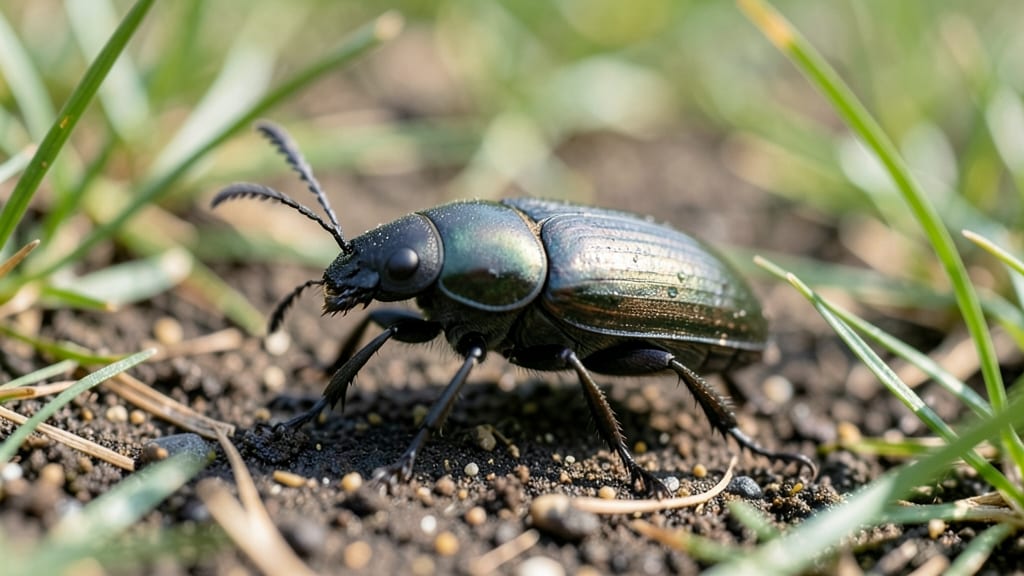
A natural grub killer for lawns that works on contact—no chemicals, no waiting. 🌱 I’ve used this method after seeing my lawn’s grass turn brown overnight from grubs munching roots. The key is precision: you’re not treating the whole yard, just the spots where grubs are active. You’ll need a kettle or pot of boiling water, a long-handled spoon (for safety), and a hose to rinse. Mark the damaged areas—grubs love moist, shaded spots—then pour boiling water directly onto the soil. The heat kills grubs instantly, and you’ll see new grass sprouting within 2-3 weeks if the roots are still healthy. This isn’t a long-term fix, but it’s a fast, chemical-free way to stop grubs from spreading while you work on prevention. The steam penetrates the soil better than sprays, and you avoid harming bees or pets. Just act quickly—grubs multiply fast in warm weather. For lasting results, combine this with nematodes or milky spore in the fall. Boiling water is the first line of defense; prevention keeps your lawn thriving long-term. Ready to save your grass? Here’s how to do it safely.
📚 In This Guide
- What you need
- Instructions
- Tips and common mistakes
- Wrapping up and next steps
What you need
- ● Boiling water: At least 1 gallon per 10 sq. ft. of infested lawn (adjust based on grub severity). Use a large pot, kettle, or boiling water dispenser (like a pressure washer with a boiling water attachment).
- ○ Garden hose with shutoff valve: For pre-wetting the lawn (optional but helpful for even treatment).
- ● Gloves (heat-resistant):strong> Heavy-duty rubber or leather gloves to protect your hands from scalding.
- ● Trowel or small shovel: For gently lifting grass to expose grubs (if treating spotty areas).
- ● Watering can or spray bottle: To dampen dry patches before boiling water application.
- ○ Safety goggles: Optional but recommended to shield eyes from splashes.
- ● Beneficial nematodes (Heterorhabditis bacteriophora): 1–5 million per 1,000 sq. ft. Apply after boiling water treatment for long-term grub prevention.
- ● Cornmeal or diatomaceous earth: Sprinkle lightly over treated areas to deter future grubs (reapply after rain).
- ● Lawn aerator: Rent or use one to loosen soil before treatment for deeper grub penetration.
- ○ Thermometer (optional): To ensure boiling water stays at 212°F (100°C) for maximum effectiveness.
How to use boiling water for spot grub treatment in lawns
Here's the straightforward method I've used to eliminate grubs without harsh chemicals—just boiling water and targeted precision.
🔥 Step 1: Identify Active Grub Hotspots
Start by scanning your lawn for signs of grub activity: thin patches, brown spots, or areas where moles or skunks are digging. Press your thumb into the soil—if it feels spongy or lifts easily, grubs are likely lurking just below. Focus treatment on these 3-6 inch diameter areas where you suspect the highest concentration.
Mark these spots with small flags or chalk so you don't miss them during treatment. I like to treat in the morning when the soil is coolest, which helps prevent heat damage to surrounding grass. Avoid treating when the lawn is wet—water dilutes the boiling water's effectiveness.
💧 Step 2: Prepare Boiling Water and Safety Gear
Fill a 1-gallon kettle or pot with fresh water and bring it to a full rolling boil. Have a pair of heavy-duty gloves and safety goggles ready—boiling water causes severe burns, and steam can irritate eyes. I also recommend wearing long sleeves and pants to protect your skin from accidental splashes.
Place the boiling water near your marked treatment areas, but keep it at least 3 feet away from the lawn edge. The water should be at a full boil for at least 5 minutes before pouring—this ensures maximum heat transfer to kill grubs instantly. Have a small shovel handy to help with soil aeration after treatment.
✂️ Step 3: Apply Boiling Water Directly to Grub Hotspots
Pour the boiling water slowly and evenly over the marked grub hotspots, focusing on the top 1-2 inches of soil. You'll see steam rise immediately—this is your confirmation that the heat is penetrating. For each 3-inch diameter spot, use about 1 cup of boiling water to ensure thorough coverage without oversaturating.
Work quickly but carefully—grubs die within seconds of contact with boiling water, so precision matters. If you miss a spot, the grubs may survive and reproduce. After treating, use the shovel to gently aerate the soil, helping the heat penetrate deeper and encouraging grass recovery.
☀️ Step 4: Monitor and Retreat if Needed
Check the treated areas after 24 hours—you should see the soil darken slightly and the grass begin to revive. If the spots remain brown or spongy, repeat the treatment on those specific areas. Grubs often cluster, so a second application may be necessary to fully eradicate them.
Water the lawn lightly the day after treatment to help the grass recover. Avoid heavy watering for 48 hours, as it can dilute any remaining heat effects. Over the next 7-10 days, monitor for new grub activity—if brown patches reappear, focus treatment on those exact spots again.
🌱 Step 5: Prevent Future Grub Infestations
After eliminating the current grubs, take preventive steps to keep them from returning. Aerate the lawn in late summer or early fall to disrupt their egg-laying cycle. Apply a thin layer of compost or organic mulch to encourage beneficial nematodes, which naturally prey on grubs.
Mow your lawn at a slightly higher setting (3-4 inches) to shade the soil and deter beetles from laying eggs. If grubs are a recurring problem, consider planting grub-resistant grass varieties like tall fescue or Kentucky bluegrass in treated areas.
Tips & tricks for effective boiling water grub treatment
Here's what I've learned from years of using boiling water to tackle grub infestations—these little details make all the difference.
Precision Matters in Step 1: When identifying those 3-6 inch hotspots, I've found that using a small garden flag makes it easier to spot and treat each area without missing anything. The key is to focus only on the most damaged areas—treating the entire lawn isn't necessary and could harm healthy grass. I also recommend treating on a dry, windless morning when the soil is coolest, which prevents heat from spreading to surrounding areas.
Safety First in Step 2: That 5-minute boil time is critical—it ensures the water reaches the maximum temperature for killing grubs instantly. I always double-check my safety gear before starting: heavy-duty gloves, goggles, and long sleeves are non-negotiable. Pro tip: Keep a small bucket of cold water nearby in case of accidental spills—it's your first line of defense against burns.
Application Technique in Step 3: The moment you see steam rising from the soil, you know the heat is working. For those 3-inch spots, I measure exactly 1 cup of boiling water per treatment area using a simple measuring cup. If you're treating multiple spots, work in small batches to maintain the water's temperature—cold water won't be effective. After treating, I always aerate the soil lightly to help the heat penetrate deeper and encourage grass recovery.
Follow-Up Strategy in Step 4: That 24-hour check is crucial—it gives you time to see how the grass responds. If you notice any areas that didn't improve, don't hesitate to retreat them immediately. I've found that grubs often cluster, so a second application is sometimes necessary. Lightly watering the lawn the day after treatment helps the grass recover, but avoid heavy watering for those 48 hours to preserve the heat's effectiveness.
Pro Tips for Natural Grub Killer For Lawns
- Here's what I've learned from years of using boiling water to tackle grub infestations—these little details make all the difference.
- Precision Matters in Step 1: When identifying those 3-6 inch hotspots, I've found that using a small garden flag makes it easier to spot and treat each area without missing anything.
- Safety First in Step 2: That 5-minute boil time is critical—it ensures the water reaches the maximum temperature for killing grubs instantly.
Frequently asked questions
Got questions about using natural grub killers for your lawn? You’re not alone!
Here are some of the most common concerns—and straightforward answers—to help you tackle grubs the eco-friendly way.
How do I know if my lawn has grubs before treating it?
Look for these telltale signs: brown, patchy grass that pulls up easily (like a carpet), increased bird or raccoon activity, or squishy, mushy spots when you dig. For a quick test, cut a small section of grass and flip it over—if you see white, C-shaped larvae (grubs), you’ve got a problem!
When is the best time to treat grubs naturally?
Timing is key! Target treatment in late summer to early fall (August–September) when grubs are young and most vulnerable. Avoid treating in winter—they’ll be deep in the soil, and boiling water won’t reach them. Spring treatments can also work if you catch them early.
Is boiling water safe for my lawn’s grass and soil?
Yes, but use it sparingly! Boiling water kills grubs instantly, but overuse can scorch grass. Stick to spot treatment on small, infested patches (about 1–2 gallons per square foot). For larger areas, dilute with cool water (1:1 ratio) or pair it with other natural methods like nematodes or milky spore.
What’s a backup plan if boiling water doesn’t work?
Don’t worry—you’ve got options! Try these natural grub fighters:
- Beneficial nematodes (microscopic worms that eat grubs)
- Milky spore (a bacteria that thrives in grub-heavy soil)
- Neem oil (disrupts grub life cycles when sprayed on soil)
- Diatomaceous earth (sprinkle lightly on dry soil—it dehydrates grubs)
Will boiling water harm pets or kids if they step on treated spots?
Once the water cools (after 10–15 minutes), treated areas are safe for pets and kids. However, avoid letting them walk on freshly treated spots—just like you wouldn’t step on hot pavement! For extra safety, mark treated areas with flags or stakes until the soil cools.
Pro Tip: Combine boiling water with prevention!
After treating, overseed bare spots and apply a thin layer of compost to encourage healthy grass growth. Grubs love thin, weak turf—thick grass is their worst nightmare!
Wrapping up and next steps
Say goodbye to grub-infested lawns without harsh chemicals! 🌱 With boiling water spot treatment, you’ve got a fast, eco-friendly, and effective solution right at your fingertips. This method not only targets grubs instantly but also keeps your yard safe for pets and kids—win-win!
Ready to reclaim your lush green lawn? Grab your supplies, follow the steps, and take action today! Your future self (and your grass) will thank you. 💪