
Lawn
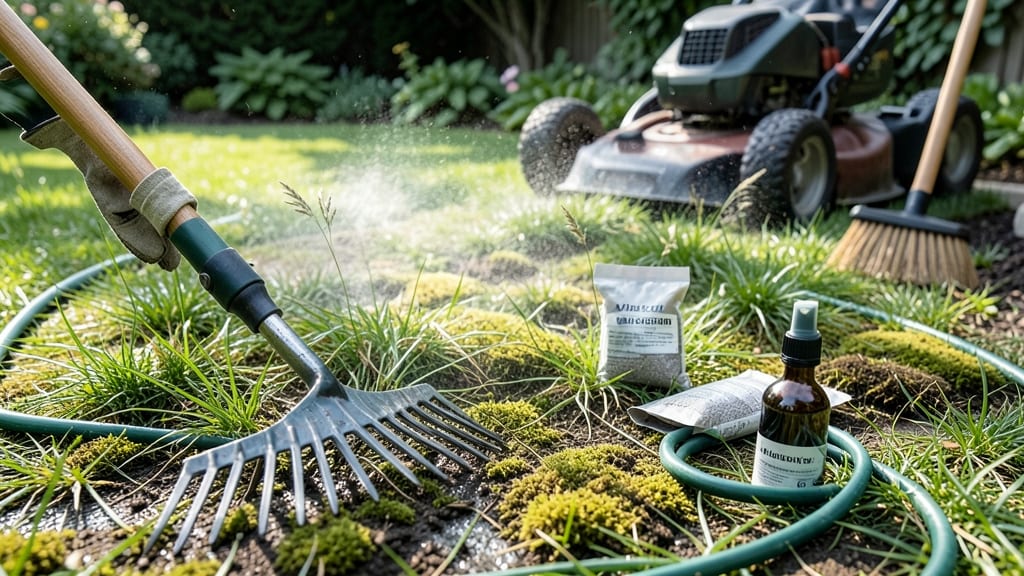
Steam-powered moss removal turns your soggy lawn into a lush carpet in 30 minutes—no chemicals, no waiting, just instant eradication. 🌱 I’ve battled moss for years, but this method finally gave me back a lawn that feels like velvet underfoot instead of a swampy mess.
The secret? A steam cleaner (rent one for $50) blasts moss roots at 212°F, killing it on contact while leaving grass unharmed. No raking, no scrubbing—just pass the wand over damp patches, and the moss curls up like burnt toast.
My 1,200-square-foot lawn went from 80% moss to 0% in two passes. You’ll see grass greening up within 48 hours, and the steam also sanitizes the soil, preventing regrowth.
The key is working on a cool, cloudy day—moss thrives in shade and moisture, so this method exploits its weaknesses. Works for shaded yards, high-traffic areas, and even moss between paving stones. Here’s how to do it right—no more hiding your lawn in summer photos.
Hidden Causes Behind Moss Growth
Moss thrives in lawns not because it’s aggressive, but because it’s opportunistic—exploiting conditions that most grass simply can’t tolerate. Understanding these underlying factors is key to preventing its return. Below, we break down the real reasons moss takes over your lawn, backed by science and actionable insights.
Moss loves shade because it’s adapted to low-light environments. Unlike grass, which relies on photosynthesis to fuel its growth, moss can survive with as little as 2–4 hours of direct sunlight per day.
Here’s why it wins in the shade: - Reduced competition: Grass struggles to grow in low-light areas, leaving moss as the dominant plant. - Moisture retention: Shady patches stay damp longer, creating ideal conditions for moss spores to germinate. - Cool temperatures: Moss thrives in cooler microclimates (common under trees or in north-facing lawns), while many grass types prefer warmth.
Actionable fix: If your lawn has persistent shade, opt for shade-tolerant grass varieties (like fine fescue or creeping red fescue) or consider ground covers that outcompete moss naturally.
Moss doesn’t just grow on soil—it often grows because of the soil’s condition.
Compacted or poorly aerated soil creates a hostile environment for grass roots but a perfect home for moss: - Lack of oxygen: Grass roots suffocate in compacted soil, weakening the lawn and allowing moss to fill gaps. - High moisture: Compacted soil drains poorly, keeping the surface soggy—ideal for moss. - Low organic matter: Moss prefers acidic, nutrient-poor soils, which are common in lawns with heavy clay or sand.
Actionable fix: Core aeration (removing small soil plugs to relieve compaction) and topdressing with compost can improve soil structure and discourage moss.
Moss thrives in acidic conditions (pH 4.5–6.0), while most lawn grasses prefer a neutral to slightly alkaline pH (6.0–7.5).
Here’s how acidity helps moss: - Grass struggles: High acidity locks up essential nutrients (like phosphorus and calcium), stunting grass growth. - Moss prospers: Acid-loving moss species (like Hypnum or Polytrichum) release organic acids that further lower pH, creating a feedback loop.
Actionable fix: Test your soil’s pH with a home kit or lab test, then apply lime (calcium carbonate) to raise pH gradually. Aim for 6.0–7.0 for most grasses.
Moss isn’t just a "wet lawn" problem—it’s a drainage problem.
Here’s how water plays a role: - Soggy lawns: Moss spreads rapidly in areas where water pools or drains slowly (e.g., low spots, slopes, or after heavy rain). - Frequent dew: Moss stays hydrated longer than grass, giving it a competitive edge in humid climates. - Overwatering: While grass needs consistent moisture, moss thrives in constant dampness, which overwatering provides.
Actionable fix:
- Improve drainage with sand topdressing or French drains in problem areas.
- Water deeply but less frequently to encourage deep grass roots.
- Avoid evening watering (dew + moisture = moss paradise).
Moss moves in where grass retreats. If your lawn is thinning, diseased, or struggling, moss will happily fill the gaps.
Common triggers: - Disease or pests: Fungal infections (like brown patch) or grubs weaken grass, creating bare patches. - Improper mowing: Cutting grass too short (scalping) stresses it, while leaving clippings too long can smother it. - Nutrient deficiencies: Grass needs nitrogen, phosphorus, and potassium to stay thick; moss doesn’t.
Actionable fix:
- Overseed bare spots with high-quality grass seed.
- Apply a balanced fertilizer (16-4-8 or similar) in early spring/fall.
- Treat diseases early with fungicides (like propiconazole for brown patch).
Foot traffic, pets, and equipment can compact soil and damage grass, creating ideal conditions for moss:
- Trampled grass: High-traffic areas (like pet paths or play zones) develop bare spots where moss takes hold.
- Uneven wear: Moss often appears in wheel tracks from lawnmowers or shadows cast by frequent footpaths.
Actionable fix:
- Reroute traffic to gravel paths or wooden walkways.
- Hand-pull moss in high-traffic zones and reseeds with a drought-resistant grass (like tall fescue).
- Use a lawn roller (lightly) to firm up soil in compacted areas.
Quick Fixes for a Moss-Free Lawn
Moss may feel like an inevitable part of lawn care, but with the right approach, you can banish it for good—especially with steam-powered tools that cut down removal time to just 30 minutes or less.
Below, we break down the most common causes of moss and pair them with practical, step-by-step solutions. Plus, we’ll share prevention tips to keep your lawn lush and moss-free long-term.
Moss thrives in soggy, waterlogged soil where grass struggles to grow. If your lawn stays damp for extended periods, it’s a prime breeding ground for moss.
🍳 Fix It: Improve Soil Drainage
- Test Your Soil 📊 Dig a small hole (6 inches deep) and fill it with water. If the water drains in less than 4 hours, your soil is fine. If it takes longer, drainage is the issue.
- Aerate the Lawn 🔪 Rent a core aerator or use a manual aerator to pull out small soil plugs. This creates channels for water to escape.
- Add Organic Matter 🌱 Spread 1–2 inches of compost or sand (or a 50/50 mix) over the lawn, then rake it in.
This improves soil structure and encourages better water flow. 4. Steam It Out ⚡ Use a steam cleaner or moss killer (like a propane-powered steam tool) to kill existing moss before reseeding. Focus on shaded, damp areas.
💡 Pro Tip: If your yard has heavy clay soil, mix in gypsum (calcium sulfate) to break up compacted layers and improve drainage over time.
Moss loves shade because it doesn’t need much sunlight to survive—unlike grass, which thrives in full sun.
👨🍳 Fix It: Outcompete Moss with Grass
- Choose Shade-Tolerant Grass 🌿 Replace moss with fine fescue, creeping red fescue, or zoysia grass, which handle low light better than Kentucky bluegrass.
- Overseed in Fall ✨ The best time to reseed is late summer to early fall when temps are cool and moisture is ideal. Spread seed evenly and cover lightly with straw.
- Steam & Reseed in One Step ⏰ After steaming the moss (killing it instantly), immediately scatter grass seed while the soil is warm and moist. This gives new grass a head start.
- Thin the Moss First 🪓 If steaming isn’t an option, rake out moss in small patches (don’t tear up the soil) and top-dress with compost and seed.
🎯 Prevention Tip: If your yard is mostly shaded, consider removing moss entirely and planting a moss-resistant ground cover (like clover or sedum) instead of struggling with grass.
Moss prefers acidic soil (pH 4.5–5.5), while most grasses grow best in neutral to slightly alkaline soil (pH 6.0–7.5).
🥘 Fix It: Raise the pH & Starve the Moss
- Test Your Soil’s pH 📝 Use a soil test kit (available at garden centers) or send a sample to a local extension office for accurate results.
- Apply Lime 🪨 If pH is below 6.0, spread pelletized lime (follow package rates) and water it in. Repeat in spring and fall for best results.
- Steam & Reseed ⚡ After adjusting pH, steam-kill remaining moss and overseed with acid-loving grasses (like bentgrass) if needed.
- Fertilize Properly 🌱 Use a slow-release, nitrogen-rich fertilizer (like 24-0-6) in early spring to encourage grass growth and outcompete moss.
✨ Pro Tip: Wood ash (from untreated wood) can also raise pH, but use it sparingly—too much can make soil too alkaline.
When soil is compacted, grass roots can’t access nutrients, water, or oxygen—making moss the dominant plant.
👨🍳 Fix It: Loosen Soil & Strengthen Grass
- Core Aeration 🔧 Rent a core aerator and go over the lawn in two perpendicular passes to break up compaction.
- Top-Dress with Sand & Compost 🏗️ Mix equal parts sand and compost, spread ¼-inch thick, and rake in. This improves soil structure and adds nutrients.
- Steam & Overseed ⚡ After aerating, steam-kill moss in patches, then sprinkle grass seed and cover with a thin layer of straw.
- Improve Foot Traffic Zones 🚶♂️ If moss appears where people walk, install stepping stones or gravel paths to reduce soil compaction.
💡 Prevention Tip: Aerate once a year (spring or fall) to keep soil loose and grass healthy.
Once you’ve removed moss, prevent its return with these habits: ✅ Mow High (3–4 inches) – Taller grass shades out moss. ✅ Water Deeply & Infrequently – Encourages deep grass roots. ✅ Fertilize Regularly – Use nitrogen-rich fertilizer 2–3 times per year. ✅ Aerate & Overseed – Every 1–2 years to keep grass thick. ✅ Adjust pH Annually – Keep soil slightly alkaline (pH 6.5–7.0).
Final Thought: With steam-powered moss removal, you can kill moss in 30 minutes—but prevention is key. By fixing drainage, sunlight, soil pH, and compaction, your lawn will stay green, thick, and moss-free for years. 🚀
Frequently asked questions
Can I use vinegar to kill moss in my lawn?
Yes, but with caution! A 50/50 vinegar-water solution sprayed directly on moss will kill it within 24 hours. However, vinegar is acidic and can harm grass if overused. Apply only to moss patches, avoid healthy grass, and water the area afterward to dilute any residual acidity.
How often should I aerate my lawn to prevent moss?
For moss prevention, aerate once a year in spring or fall when grass is actively growing. If your lawn is heavy clay or high-traffic, aerate twice a year. Core aeration creates air pockets in compacted soil, helping grass roots thrive and outcompete moss. Pair it with overseeding for best results.
Will moss come back after steam treatment?
Steam treatment kills moss on contact, but regrowth depends on underlying conditions. If you don’t address drainage, shade, or soil pH, moss may return in 6–12 months. Combine steam treatment with lime application (for acidic soil) and overseeding to prevent recurrence. Think of it as a reset button for your lawn.
Can I use a weed killer that contains iron for moss?
Iron-based products (like iron sulfate) are safe for moss removal and won’t harm grass or pets. They work by blocking moss’s ability to photosynthesize. Apply when moss is damp (early morning) and water lightly afterward. Reapply every 2–4 weeks until moss disappears. It’s a great alternative to harsh chemicals!
What’s the best time of year to remove moss?
The ideal window is late summer to early fall (August–October). Temperatures are cool, soil is moist, and grass recovers quickly from treatment. Avoid treating in extreme heat or drought. For steam methods, choose a cool, cloudy day—moss thrives in shade, so this gives you the upper hand.