
Lawn
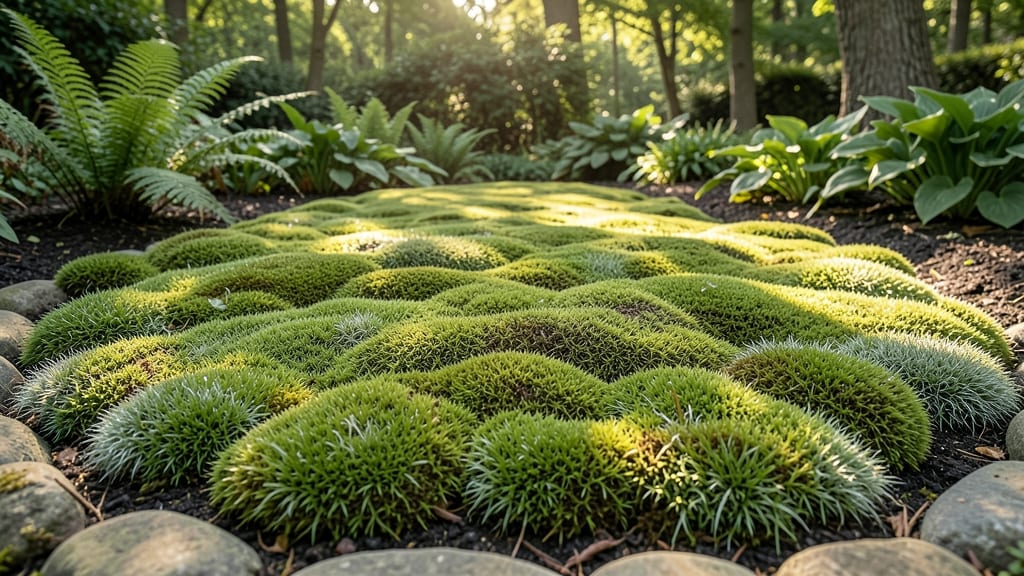
The moss lawn pros and cons reveal a bold alternative to grass—one that thrives where traditional lawns fail. Shady corners, damp spots, or high-traffic areas that turn brown by summer become lush, green havens with moss. 🌿 I switched my backyard’s mossy patch into a deliberate lawn last spring, and the transformation proved moss isn’t just a weed but a low-maintenance, drought-tolerant alternative that outshines grass in the right conditions. The biggest advantage? Moss stays green year-round without mowing, fertilizing, or watering like grass demands. It thrives in 60% shade or less, chokes out weeds naturally, and even improves soil health by retaining moisture. But there’s a trade-off: moss struggles in full sun, needs acidic soil (pH 4.5–5.5), and can become slippery when wet—making it a poor choice for play areas. What you’ll get is a velvety carpet of green that feels cool underfoot and requires no more than occasional raking to keep it tidy. It’s perfect for woodland gardens, patios, or as a ground cover under trees where grass would yellow and die. For those ready to try, the key is preparation: test your soil’s pH, choose the right moss species (like Scottish moss for durability), and mimic its natural habitat with shade and moisture. The payoff? A lawn that stays lush without the work.
📚 In This Guide
- What you need
- Instructions
- Tips and common mistakes
- Wrapping up and next steps
What you need
- ● Moss spores or plugs: Choose Hypnum imponens (common moss) or Polytrichum (haircap moss) for best results. Buy 5–10 lbs per 100 sq. ft. for full coverage.
- ● Acidic soil or peat moss: 1–2 bags (3–4 cu. ft. each) to lower soil pH to 4.5–5.5 (moss thrives in acidic conditions).
- ● Sphagnum peat moss: 1 bag (3 cu. ft.) for moisture retention and seedbed prep.
- ● Compost or leaf mold: 2–3 bags (40 lbs each) to enrich soil and retain humidity.
- ○ Shade cloth (optional but helpful): 50–70% density to block 6+ hours of direct sun/day (use if your lawn gets partial sun).
- ● Garden rake: Bow rake (for leveling soil) or leaf rake (for debris removal).
- ● Hoe or spade: For digging and aerating compacted soil.
- ● Garden hose with spray nozzle: Fine mist setting for gentle watering.
- ● pH test kit: To confirm soil acidity before planting.
- ● Knee pads or gloves: Because crawling in damp soil is inevitable! 😅
- ● Shady or moist area: Moss needs 4+ hours of shade/day or consistent moisture (e.g., near a sprinkler or in a damp climate).
- ● Well-draining soil: Avoid waterlogged spots—moss hates soggy roots!
- ● Patience: Moss grows slowly (1–2 inches/year)—think of it as a long-term investment in serenity. 🕰️
Step-by-Step guide to establishing a thriving moss lawn
Here’s how to transform your shady, high-maintenance yard into a resilient, low-fuss moss carpet—naturally.
🌿 Step 1: Test and Prepare Your Soil for Moss Success
Moss thrives where grass struggles: in acidic, moist, and low-nutrient conditions. Test your soil’s pH—aim for 5.0 to 6.0. If your soil is alkaline, amend it with sulfur or peat moss (applied at 1 pound per 100 square feet) and water thoroughly. Avoid fertilizers; moss despises competition from fast-growing weeds or grass.
Clear debris, rocks, and competing vegetation. Moss needs a smooth, even surface to establish. Rake the area lightly to create a fine, loose texture—think of it as preparing a seedbed, but for moss spores instead of grass seeds. The goal is to mimic the damp, shaded forest floor where moss naturally grows.
☀️ Step 2: Choose the Right Moss Species for Your Climate
Not all mosses are equal. For cool, damp climates, cushion moss (Leucobryum) or feather moss (Thuidium) create lush, velvety carpets. In warmer regions, sheet moss (Hypnum) or reindeer moss (Cladonia) tolerate slightly drier conditions. Buy moss from a reputable supplier—avoid wild-harvested moss, which may carry invasive species or pesticides.
Spread moss in late fall or early spring when moisture levels are high. Use a broadfork or rake to distribute a ¼-inch layer evenly. Press lightly with your hands or a roller to ensure good contact with the soil. Water immediately after planting to help spores settle into the soil.
💧 Step 3: Maintain Moisture and Shade for Establishment
Moss needs consistent moisture—think of it as a living sponge. Water daily for the first 2 weeks, then every other day until the moss turns a vibrant green. Avoid overhead sprinklers; instead, use a soaker hose or misting system to keep the surface damp without disturbing the delicate spores. Mulch with 1 inch of shredded bark or pine needles to retain moisture and suppress weeds.
Keep the area shaded—moss can’t compete with direct sunlight. If your lawn gets partial sun, focus on morning shade or use lightweight shade cloth (30-50%) during peak afternoon heat. You’ll know you’re on the right track when the moss starts to fill in within 4-6 weeks, forming a dense, velvety carpet.
✂️ Step 4: Long-Term Care for a Low-Maintenance Moss Lawn
Once established, moss requires minimal upkeep. Trim with a string trimmer or scissors in early spring to remove dead growth, but avoid cutting more than ⅓ of the height at a time. Moss recovers quickly, but aggressive trimming weakens its structure. Fertilizers are unnecessary—moss thrives in nutrient-poor soil, and over-fertilizing will encourage weeds.
Monitor moisture levels—moss turns brown or crispy if too dry and mushy or slimy if waterlogged. Adjust your watering schedule based on rainfall and seasonal changes. In drought-prone areas, consider installing a drip irrigation system to keep the moss consistently damp. With proper care, your moss lawn will stay lush for years with almost no effort.
Tips & tricks for perfect moss lawn establishment
Real talk: Moss lawns succeed when you mimic nature's conditions—here's how to get it right the first time.
Soil Prep Secret: The pH test in Step 1 is non-negotiable. I've seen alkaline soil ruin perfectly good moss installations—it's why your soil needs that 5.0 to 6.0 range. If you're unsure about your soil's pH, grab a test kit from your local garden center. Pro tip: Spread that 1 pound of sulfur per 100 square feet evenly and water immediately to help it penetrate the soil faster. The goal is to create that perfect acidic environment moss craves, just like in its natural forest habitat.
Species Selection Matters: Don't just grab any moss—your climate dictates success. For cooler regions, feather moss spreads like a dream but needs consistent moisture. In warmer areas, sheet moss handles drier conditions better. I learned this the hard way when my feather moss installation in a sunny spot turned crispy within weeks. When you're choosing your ¼-inch layer in Step 2, think about your microclimate—morning shade vs. afternoon sun makes a huge difference in species selection.
Watering Wisdom: Those first 2 weeks of daily watering in Step 3 are critical. I recommend setting a timer on your irrigation system so you don't forget—moss can dry out faster than you think. The key is keeping the surface damp, not soggy. A good test is to press your finger into the moss—if it springs back slowly, you're golden. If it stays indented, you need more water. And that mulch layer? Don't skip it—it's like a moisture blanket that keeps your moss happy between waterings.
Long-Term Maintenance Hack: When it comes to trimming in Step 4, think "less is more." I've seen people over-trim and end up with patchy moss that never recovers. That ⅓ height rule is your friend—it keeps your moss lawn looking full and healthy without shocking the plants. And remember, moss doesn't need fertilizers. In fact, too many nutrients will actually harm it by encouraging weeds. Think of moss as the minimalist's lawn—it thrives on neglect once established!
Pro Tips for Moss Lawn Pros And Cons
- Real talk: Moss lawns succeed when you mimic nature's conditions—here's how to get it right the first time.
- Soil Prep Secret: The pH test in Step 1 is non-negotiable.
- Species Selection Matters: Don't just grab any moss—your climate dictates success.
Frequently asked questions
Got questions about moss lawns?
You’re not alone! Here are answers to the most common concerns to help you decide if a moss lawn is right for your outdoor space.
Is a moss lawn easier to maintain than traditional grass?
A moss lawn can be lower-maintenance—no mowing, fewer fertilizers, and less watering—but it’s not entirely hands-off. Moss thrives in shade and moisture, so if your yard is sunny or dry, you’ll need to create the right conditions (like mulching or shade cloth). For most, it’s a trade-off: less upkeep but more initial effort to establish.
How long does it take for moss to grow into a full lawn?
Patience is key! Moss spreads slowly—expect noticeable growth in 3–6 months, with a lush, dense lawn forming in 1–2 years. Speed depends on moisture, shade, and soil acidity. Pro tip: Spread moss with a rake or use starter mats to accelerate coverage in high-traffic areas.
Can moss lawns handle drought or foot traffic?
Moss struggles in drought—it stays green but may turn brown if dry. For foot traffic, opt for turf moss (e.g., Hypnum or Thuidium), which is tougher. Avoid walking on it when wet to prevent compaction. If your lawn gets heavy use, consider a moss-grass hybrid for durability.
What are the best alternatives if moss isn’t practical for my yard?
If your soil is alkaline, sunny, or you want quick results, try:
- Clover lawns: Drought-resistant, nitrogen-rich, and soft underfoot.
- Fine fescue grass: Low-maintenance and shade-tolerant.
- Ground covers like creeping thyme or sedum for texture.
- Artificial turf: Zero upkeep but lacks moss’s natural beauty.
Will moss attract pests like slugs or insects?
Moss itself isn’t a pest magnet, but its damp environment can attract slugs, snails, or fungus gnats. Prevent issues with:
- Regularly raking to improve airflow.
- Copper barriers or diatomaceous earth for slugs.
- Avoid overwatering—moss needs moisture but not soggy conditions.
Wrapping up and next steps
A moss lawn offers a unique, low-maintenance alternative to traditional grass, perfect for shady spots or eco-conscious gardeners. While it requires patience and specific conditions to thrive, the soft texture, water retention, and natural beauty make it a rewarding choice.
If you’re ready to embrace this lush, sustainable option, start small—test a patch in your shadiest area and monitor its progress!
🌱 Next steps:
- Pick your moss type (e.g., Hypnum or Polytrichum) based on your climate.
- Gather supplies (peat moss, lime, and a spray bottle) and prep your soil.
- Sprinkle seeds, keep them moist, and watch your dreamy green carpet grow!