
Lawn
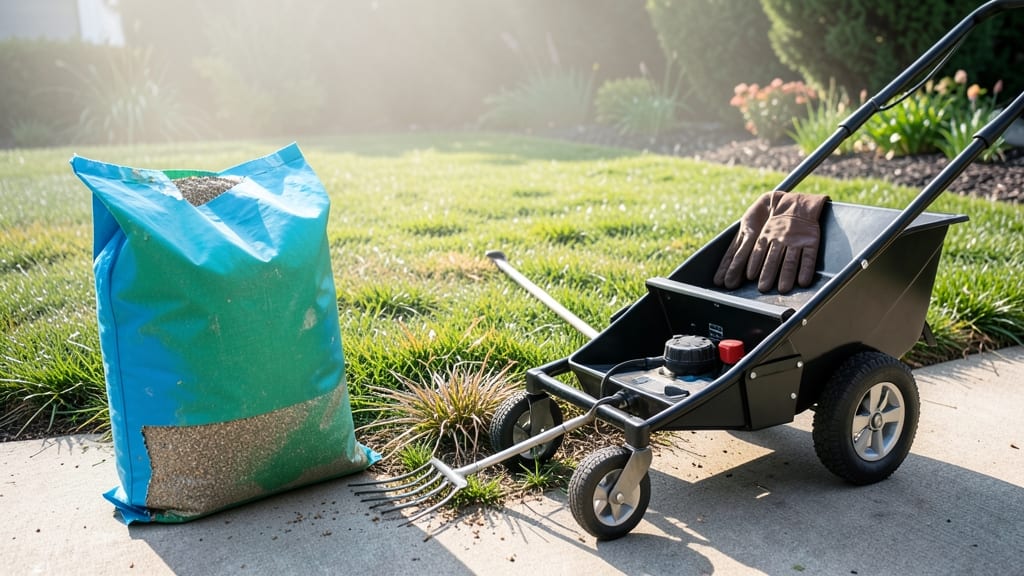
Fertilizing your lawn in spring 3-6 weeks after the last frost is the key to unlocking that vibrant green you’ve been dreaming of 🌱 — but timing it wrong can leave you with a patchy mess.
Picture this: you’ve spent the winter watching your lawn sleep, and now it’s waking up hungry. Too early, and the fertilizer just sits there, wasted. Too late, and you miss the prime window for root growth.
The difference between a lush carpet and a struggling yard often comes down to those few weeks.
In this guide, I’ll break down the exact timing by region, the ideal soil temperature to watch for, and how to prep your lawn—soil test, mowing, and all—before you even touch the fertilizer spreader.
You’ll also learn the five biggest mistakes homeowners make (like over-fertilizing or ignoring soil pH) and how to avoid them so your grass thrives all season long.

Exact weeks after last frost to fertilize lawn for optimal growth
Getting your lawn fertilization timing right in spring is like hitting a moving target—too early and you waste nutrients, too late and your grass struggles to recover.
The ideal window is 3 to 6 weeks after your last frost, but this varies dramatically based on your USDA hardiness zone and soil conditions. This precise timing ensures your grass has enough energy to absorb nutrients efficiently and develop strong roots before summer heat sets in.
Most lawn care experts agree that fertilizing too soon—when soil temperatures hover below 50°F—can stunt growth or even burn tender grass blades. Waiting until soil warms to 55-60°F (measured about 4 inches deep) signals your lawn it's safe to grow.
In USDA Zone 5, this typically falls in early to mid-April, while Zone 7 gardeners might fertilize by late March.
Now, let's break down the exact timing and regional adjustments you need to know to maximize your lawn's nutrient absorption and growth potential.
| Region/Zone | Last Frost Date | Optimal Fertilization Window | Soil Temp Trigger | Grass Type |
|---|---|---|---|---|
| USDA Zone 3-4 | Mid to late May | 6-8 weeks after last frost | 55-60°F (4" deep) | Cool-season (Kentucky Bluegrass, Fescue) |
| USDA Zone 5-6 | Mid-April | 3-5 weeks after last frost | 50-55°F (4" deep) | Cool-season (Ryegrass, Tall Fescue) |
| USDA Zone 7-8 | Early March | 2-4 weeks after last frost | 55-65°F (4" deep) | Warm-season (Bermuda, Zoysia) |
| USDA Zone 9-10 | Mid-January | 1-3 weeks after last frost | 60-65°F (4" deep) | Warm-season (St. Augustine, Centipede) |
| All Regions | Varies | Avoid fertilizing if frost is forecasted within 72 hours | Wait until grass shows 25-50% green-up | All types |
Why does this 3-6 week window matter so much? When you fertilize too early, your grass may not have enough energy to break dormancy and absorb nutrients efficiently. The root zone needs to be active—typically when soil temperatures reach 50°F or higher—before applying fertilizer.
This ensures nutrients are absorbed quickly rather than sitting in the soil and potentially burning tender grass blades.
For cool-season grasses like Kentucky Bluegrass or Fescue, aim to fertilize in early spring when the grass is actively growing but before the summer heat stress kicks in.
In contrast, warm-season grasses like Bermuda or Zoysia should get their first feeding slightly later, around late spring to early summer, when soil temperatures consistently stay above 65°F.
One critical mistake many gardeners make is fertilizing based on calendar dates rather than soil conditions. For example, applying fertilizer in March in Zone 5 might be too early if a late frost is still possible.
Instead, use a soil thermometer to check temperatures at a 4-inch depth. This simple tool can save you from wasting fertilizer and potentially harming your lawn.
If you're unsure about your exact last frost date, check the National Oceanic and Atmospheric Administration (NOAA) frost maps or local agricultural extension service for your region. They provide historical averages that can help you plan.
Remember, the goal is to fertilize when your grass is ready to grow, not when you're ready to fertilize.
Pro tip: If your lawn shows signs of uneven growth or patchiness after fertilization, it might be a sign you applied it too early. In this case, wait another 2-3 weeks
Spring fertilizer types and application methods for different grass types
Choosing the right spring fertilizer and application method depends on your grass type—whether it's cool-season or warm-season. Each type thrives with different N-P-K ratios and release speeds.
Cool-season grasses like Kentucky bluegrass and fescue need a high-nitrogen kick in early spring, while warm-season grasses like Bermuda and Zoysia benefit from a slow-release formula later in the season.
Quick-release fertilizers deliver immediate results but require more frequent applications, while slow-release fertilizers provide steady nutrients over 6-12 weeks. For cool-season grasses, a 30-0-4 ratio is ideal in early spring, while warm-season grasses prefer a 16-4-8 ratio once soil temperatures rise above 60°F.
Let’s break down the best options for your lawn type.
For cool-season grasses, apply fertilizer when soil temperatures reach 50-55°F—typically March or early April in most regions. Use a broadcast spreader set to medium speed for even coverage. Water immediately after applying to activate nutrients and prevent burn.
For warm-season grasses, wait until late spring when soil temperatures exceed 60°F, usually May or June, and use a slow-release formula to avoid overfeeding.
When applying fertilizer, always calibrate your spreader first. Walk the length of your lawn and mark where the spreader drops fertilizer—adjust the setting so overlaps occur at the edges. For new lawns, use a starter fertilizer with higher phosphorus (P) to encourage root development.
Avoid fertilizing if rain is forecasted within 24-48 hours, as nutrients will wash away.
After applying, water deeply ½ inch per session for 2-3 days to help nutrients penetrate the soil. For cool-season grasses, repeat applications every 6-8 weeks through fall, while warm-season grasses only need 2-3 feedings per year.
Always follow the label instructions and avoid exceeding recommended rates to prevent lawn burn or environmental harm.
Pro tip: Test your soil’s pH level before fertilizing. Cool-season grasses prefer 6.0-7.0 pH, while warm-season grasses thrive at 6.0-6.5 pH. Adjust with lime or sulfur if needed before applying fertilizer for optimal results.