
Lawn
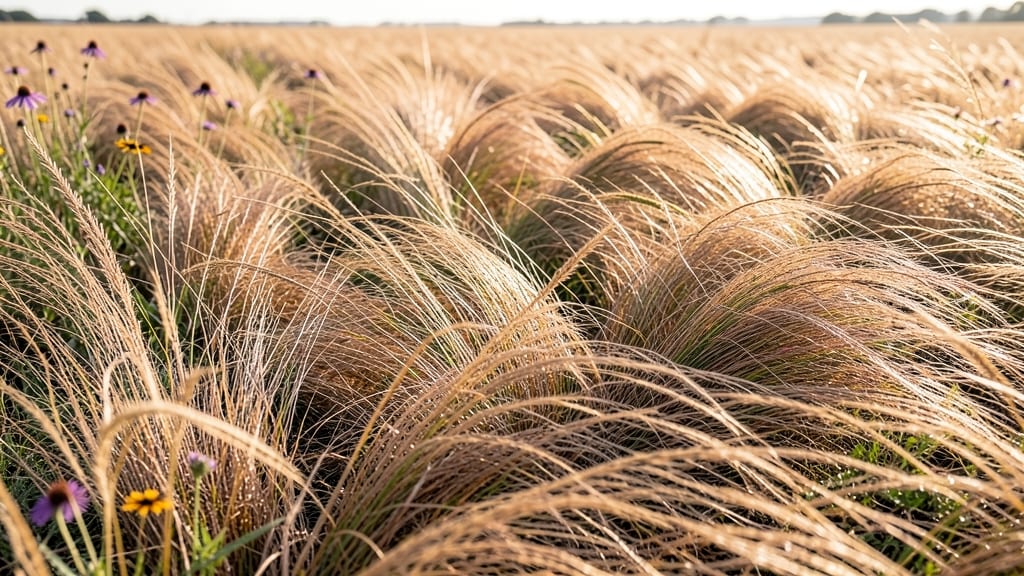
Transform your sunny yard into a vibrant, drought-resistant wildflower lawn with these 10 low-growing varieties. Perfect for eco-conscious gardeners, these hardy plants thrive with minimal water and maintenance while attracting pollinators all season long.
Creeping Thyme Ground Cover
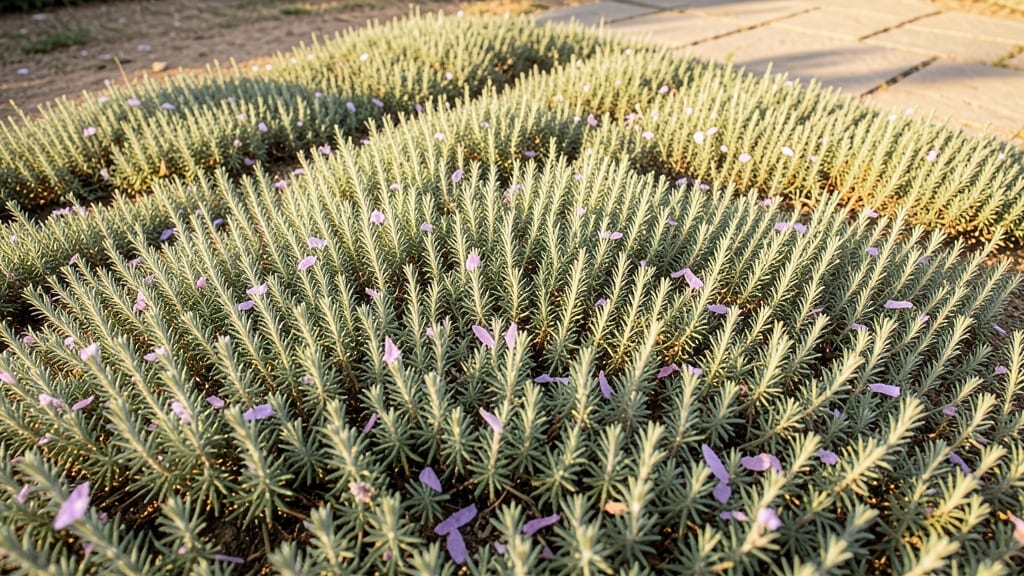
Tired of patchy grass that browns at the first sign of drought? Creeping thyme is your secret weapon for a fragrant, evergreen ground cover that thrives where traditional lawns fail. This hardy perennial spreads effortlessly to create a dense, pest-repelling carpet perfect for pathways, between pavers, or as a living mulch.
Plant it in full sun where it will flourish with just occasional watering once established. The tiny purple flowers in late spring add pollinator appeal, while its strong minty scent naturally deters deer and rabbits. Shear lightly after flowering to maintain a tidy appearance—no mowing required! It’s especially ideal for urban gardeners with limited water budgets or rocky soil.
This low-maintenance powerhouse stays green year-round in most climates, making it a smart choice for eco-conscious gardeners. Plus, its soft texture invites barefoot strolling! 🌿
Dwarf Blanket Flower
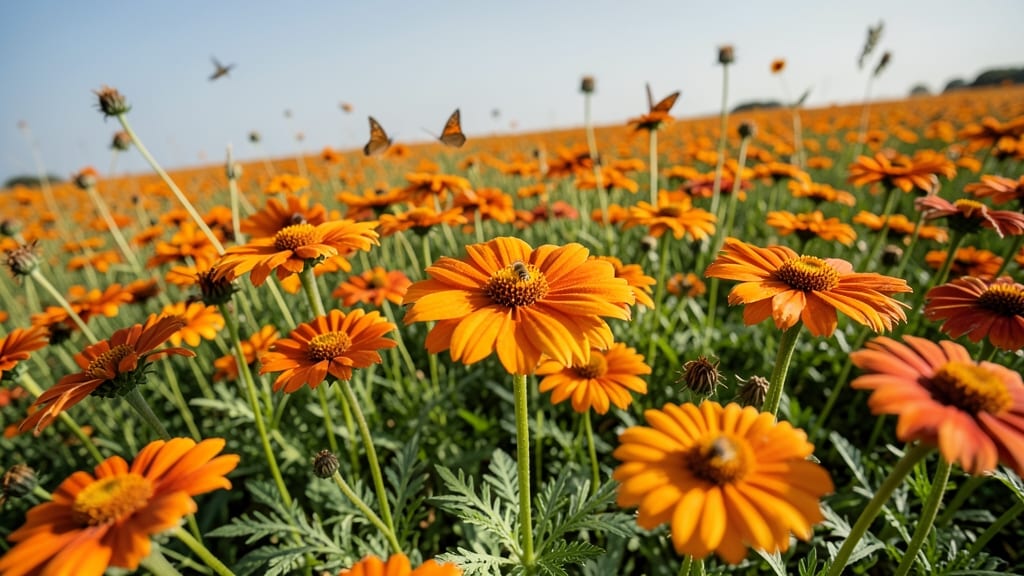
If you want a wildflower lawn that bursts with color without the fuss, dwarf blanket flower (Gaillardia pulchella) is your secret weapon. Its bright orange blooms (with yellow centers) light up gardens from midsummer through fall, making it a pollinator magnet for bees, butterflies, and hummingbirds.
This drought-tolerant beauty thrives in poor, sandy, or rocky soil—even in full sun—and only needs watering once established. Plant seeds in early spring or fall for a carpet of cheerful blooms that self-seeds reliably, reducing your maintenance workload. The foliage stays low (6-12 inches tall), perfect for filling gaps between pavers or edging borders.
Gardeners with dry climates or urban yards—where water conservation matters—**will love how this plant turns lackluster soil into a vibrant pollinator haven. 🌻
Blue Fescue Grass Mix
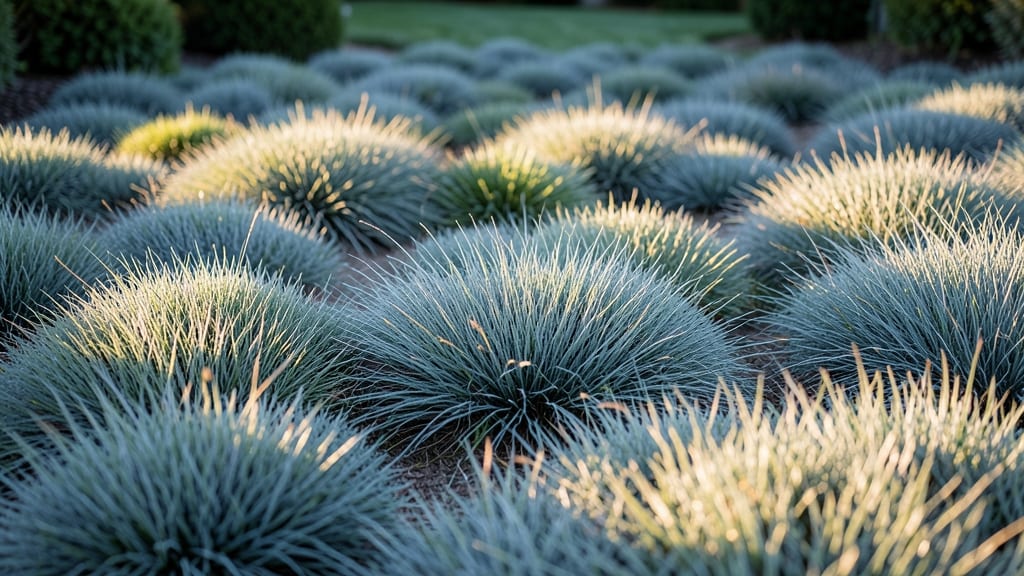
Skip the mow-and-blow routine with a blue fescue grass mix, a modern alternative that brings soft blue-green texture and gentle movement to your landscape without the upkeep. Unlike traditional lawns, this drought-tolerant blend thrives in poor soil, needs minimal water once established, and stays compact at just 12-18 inches tall.
Plant in full sun to partial shade for best results, and enjoy its year-round appeal—it turns golden in winter, adding seasonal interest. The fine, arching blades create a natural, wind-swept look that pairs beautifully with wildflowers or succulents. Ideal for urban gardens, rockeries, or as a low-maintenance border, it’s perfect for those who want beauty without the work.
Designed for contemporary spaces, this grass mix eliminates the need for fertilizers or pesticides while supporting pollinators. 🌿
Baby Blue Eyes Wildflower
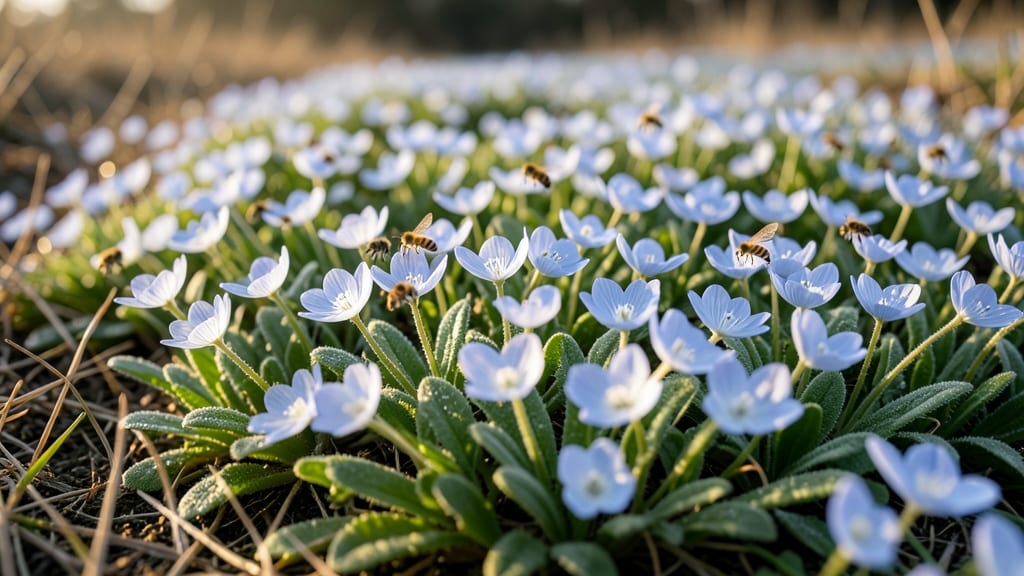
When spring arrives and most gardens are still dormant, Baby Blue Eyes (Nemophila menziesii) bursts into bloom with delicate sky-blue flowers that create a dreamy carpet of color. This early-season wildflower is a pollinator magnet, offering critical nectar for bees when few other plants are in flower.
Thriving in full sun to partial shade, Baby Blue Eyes spreads gently through self-seeding rather than aggressive runners, making it ideal for wildflower lawns where you want natural coverage without invasiveness. Its drought-tolerant nature means once established, it requires minimal watering—perfect for low-maintenance gardens. The flowers also make stunning cut arrangements, lasting beautifully in vases.
This wildflower is especially rewarding for gardeners who want to support early pollinators while adding soft color to their landscape. Plant it in sunny meadows or along garden edges for a whimsical, low-growing display that brightens spring gardens effortlessly. 🌿
Ice Plant Varieties
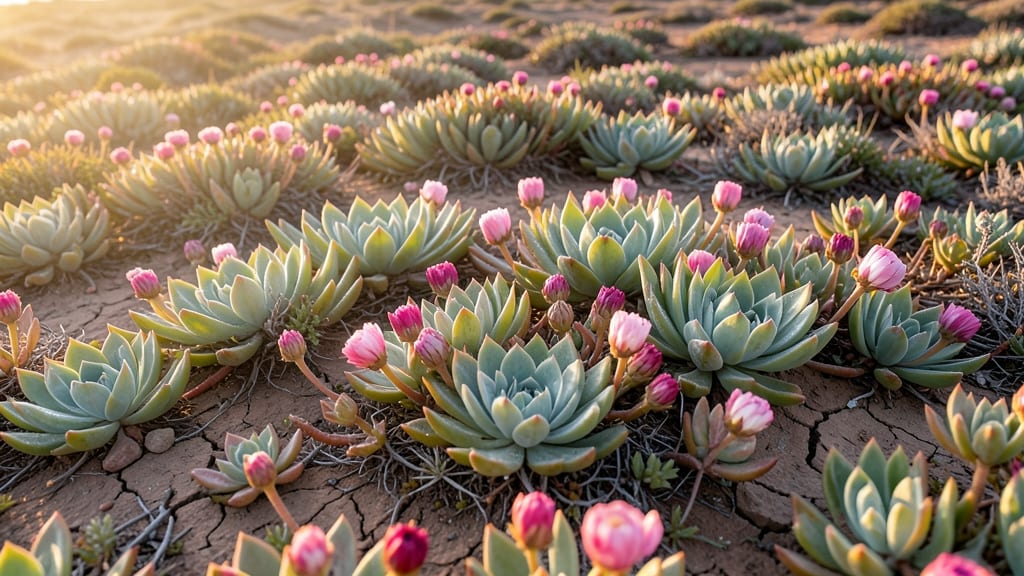
If you're dreaming of a drought-resistant wildflower lawn that thrives on neglect, ice plant varieties are your secret weapon. These succulent-like ground covers store water in their thick leaves, making them ideal for xeric landscapes where traditional lawns would wilt. Plus, their vibrant blooms—ranging from magenta to pink—create a stunning contrast against sandy soil while drawing in hummingbirds and butterflies.
Ice plants like Delosperma and Lampranthus spread easily in full sun, requiring minimal watering once established. Their low-growing habit (3–6 inches tall) makes them perfect for filling gaps in wildflower lawns or cascading over rocky slopes. For best results, plant in well-draining soil and avoid overwatering—their water-storing leaves are designed to handle dry spells. 🌻
These plants are especially great for urban gardeners or those in arid climates, offering both beauty and zero-maintenance resilience. Their late-spring to summer blooms ensure color when other wildflowers fade, keeping your lawn lively all season. 💚
Low Growing Coreopsis
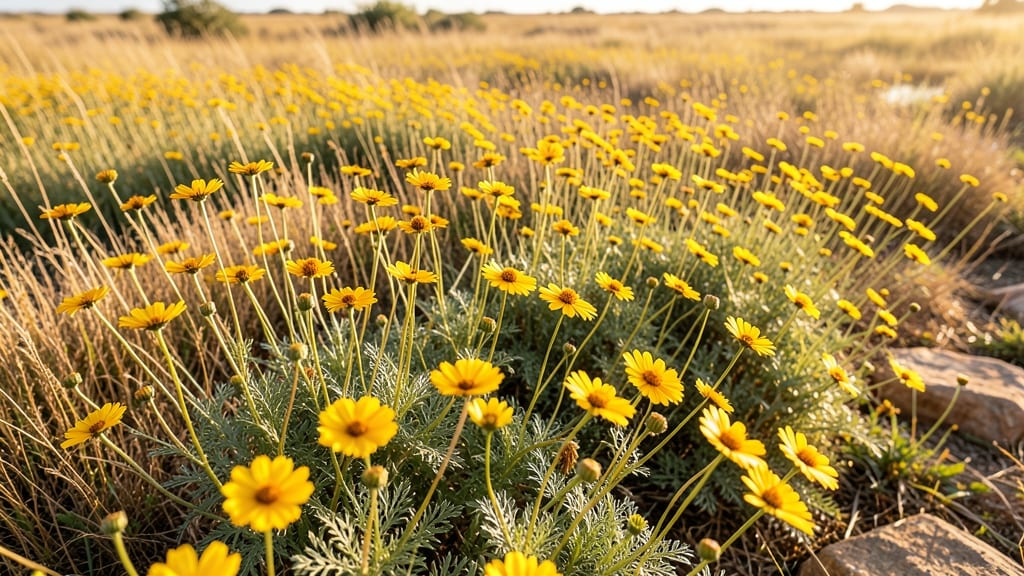
If you crave year-round color without the fuss, low-growing coreopsis is your secret weapon. These cheerful daisies burst into bloom from spring through fall, turning your yard into a golden meadow with almost no effort on your part.
Once established, coreopsis thrives in hot, dry conditions and only needs watering when the soil is completely dry to the touch. Its daisy-like flowers attract bees and butterflies, while its compact growth (12-18 inches tall) makes it perfect for wildflower lawns or sunny borders. Deadheading spent blooms encourages even more flowers.
This is the ideal plant for busy gardeners or anyone dealing with water restrictions—it won’t disappoint. 🌻
Dwarf Russian Sage
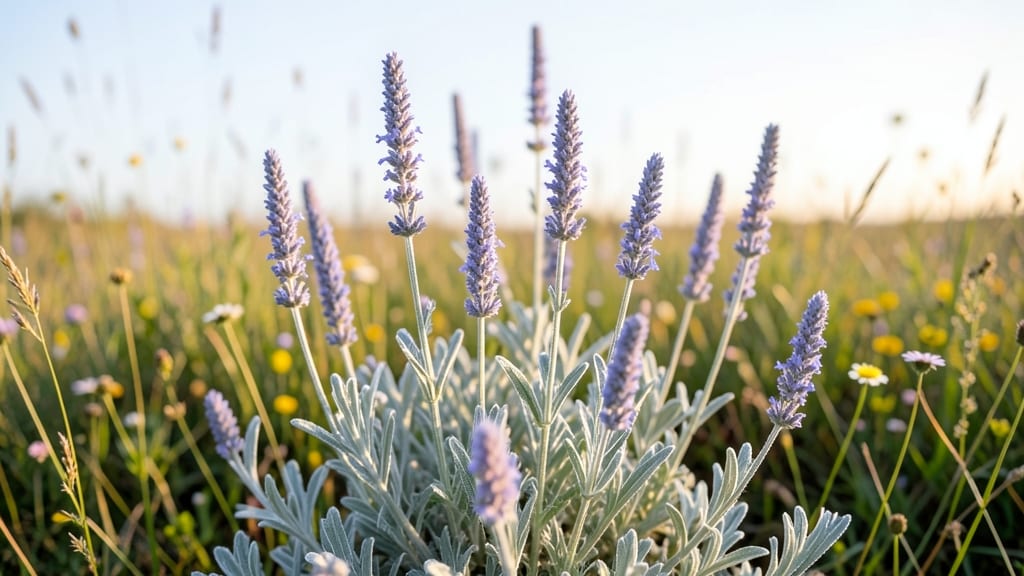
Looking for a low-maintenance plant that adds height and texture to your wildflower lawn without demanding extra water? Dwarf Russian sage (Perovskia atriplicifolia 'Little Spire') is your answer—its silvery foliage and airy lavender-blue spikes create a dreamy vertical backdrop that thrives in full sun and drought.
This compact variety grows just 18-24 inches tall, making it ideal for borders, mass plantings, or even container gardens. Unlike thirsty lawn grasses, it requires almost no irrigation once established, and its fragrant blooms attract bees and butterflies from midsummer through fall. Simply shear back spent stems in early spring to encourage fresh growth—no fertilizing or fussing needed!
Perfect for urban gardeners, pollinator enthusiasts, or anyone craving a modern, low-water landscape, this plant proves beauty and sustainability go hand in hand. 🌿
Self-Heal Wildflower
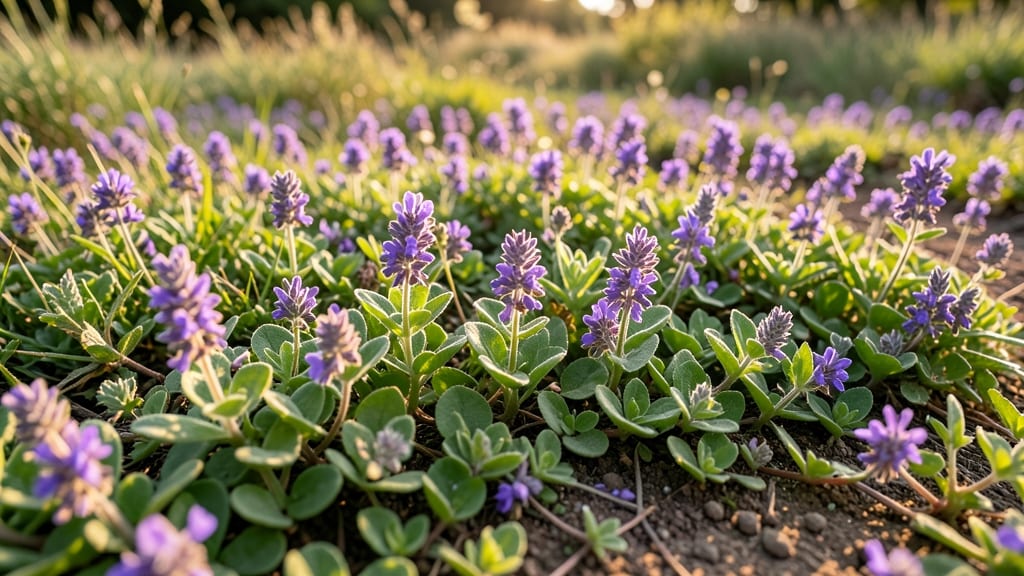
Looking for a wildflower lawn that’s as functional as it is beautiful? Self-heal (Prunella vulgaris) brings a touch of history and healing to your garden while filling bare spots effortlessly. This low-growing perennial produces clusters of tiny purple blooms from spring to fall, creating a lush carpet that spreads gently without crowding other plants.
Historically used for wound healing (hence the name), self-heal thrives in partial to full sun and tolerates a wide range of soil types, including poor or rocky ground. It’s a pollinator powerhouse, especially for early-season bees when few other flowers are blooming. Simply scatter seeds in spring or early fall—no special preparation needed—and watch it self-seed for years of effortless coverage.
Perfect for urban gardens, rock gardens, or as a living mulch, self-heal adds both beauty and utility to your landscape. 💚
Dwarf Catmint Varieties
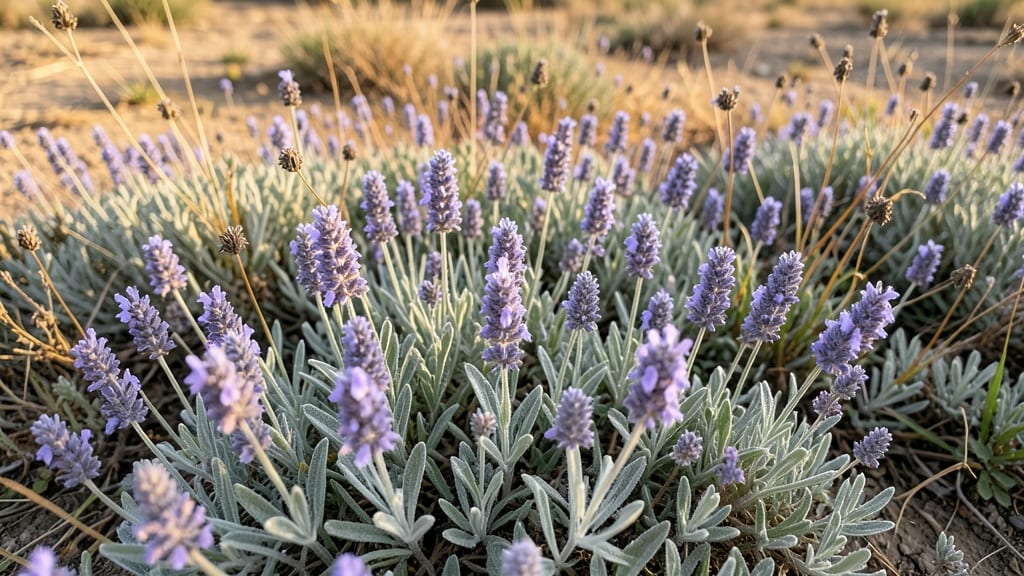
Looking for a low-maintenance wildflower that doubles as a natural pest deterrent? Dwarf catmint varieties like 'Walker's Low' or 'Kudos Blue' deliver lavender-blue blooms that keep reappearing from early summer through fall—even in poor, dry soil. The minty scent alone keeps mosquitoes and other pests at bay while adding a soothing fragrance to your garden.
These hardy perennials thrive in full sun with minimal water once established, making them ideal for sunny yards where traditional lawns struggle. Plant them in clusters of 3-5 for maximum impact, and enjoy their butterfly-magnet flowers that bloom repeatedly without deadheading. They also tolerate urban pollution better than many wildflowers, perfect for city gardens.
Gardeners with bloom-hungry pollinators or drought-prone yards will love how dwarf catmint fills gaps between other wildflowers while requiring almost no care. It's the ultimate low-growing powerhouse for effortless beauty. 🌿
Golden Hair Grass

If you're craving a wildflower lawn with movement and texture that feels alive even on still days, Golden Hair Grass is your secret weapon. This drought-tolerant ornamental grass adds a golden, feathery touch that dances in the breeze while requiring almost no upkeep once established.
Plant it in full sun to partial shade where it reaches 1-2 feet tall with a 2-3 foot spread, making it perfect for borders, meadows, or mixed wildflower beds. Its golden plumes provide year-round interest, especially striking in autumn when they turn a soft bronze. Pair it with purple coneflowers or black-eyed Susans for a natural, pollinator-friendly meadow look.
Urban gardeners and busy homeowners will love how this grass thrives in dry, well-drained soil with minimal watering—ideal for water-conscious landscapes. It’s the perfect finishing touch to create a low-maintenance, visually dynamic wildflower lawn. 🌻