
Planting
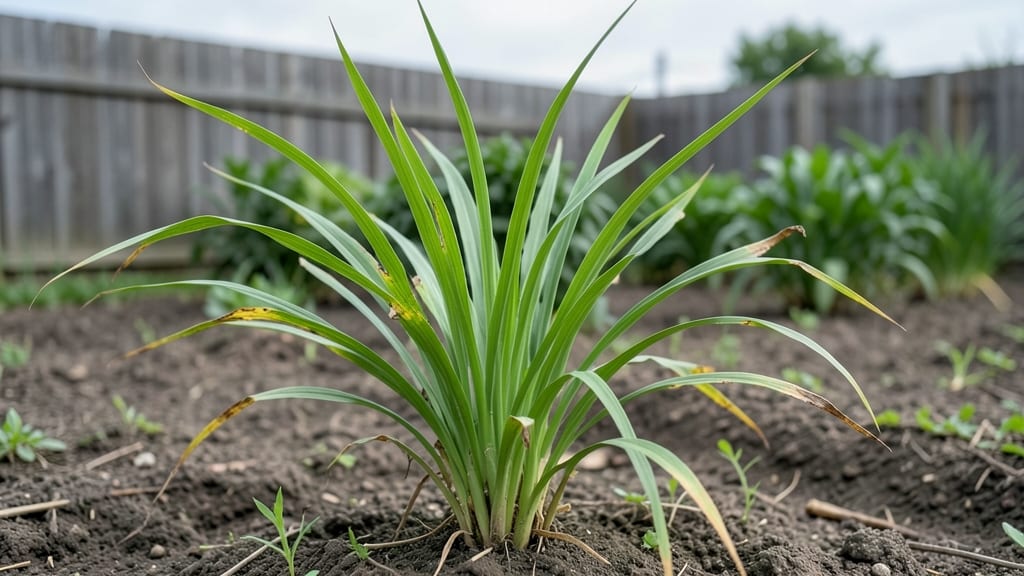
Lemon grass thrives in USDA hardiness zones 9 through 11, requiring warm climates with temperatures above 50°F (10°C) year-round. In cooler zones, it grows as an annual or must be overwintered indoors. Direct sunlight and well-draining soil are essential for optimal growth.
Lemon grass, originally from Southeast Asia, is a tropical plant that struggles when temperatures dip below 50°F (10°C), which is why it’s limited to zones 9-11. 🔥 Even a light frost can kill it, so gardeners in cooler areas often treat it as a seasonal plant or grow it in pots for easy winter relocations.
The plant’s lush growth depends on consistent warmth and humidity—think of it as a high-maintenance tropical houseplant that refuses to compromise on its climate needs.
💡 In This Article
- Understanding Lemon Grass Climate Requirements
- Growing Lemon Grass in Non-Tropical Zones
Understanding lemon grass climate requirements
Lemon grass evolved in the steamy tropical climates of Southeast Asia, where temperatures rarely drop below 68°F (20°C) and humidity stays consistently high. This tropical heritage explains why it struggles in cooler regions—its cellular structure lacks the cold-hardy adaptations found in temperate plants like wheat or apples.
The plant's long, sword-like leaves contain essential oils that become sluggish below 50°F (10°C), leading to stunted growth or death. Even a single night at 32°F (0°C) can cause irreversible frost damage, as the plant's thin, fibrous roots freeze solid.
The ideal growing conditions for lemon grass mirror its natural habitat: 75-85°F (24-29°C) temperatures, 60-80% humidity, and 6-8 hours of direct sunlight daily. In its native environment, the plant thrives in well-draining, slightly acidic soil (pH 5.5-6.5) that mimics the loose, organic-rich substrates of tropical forests.
The USDA zones 9-11 provide these conditions naturally, while zones 8 and below require artificial solutions to replicate them. 🌿 What most gardeners don't realize is that lemon grass's sensitivity to cold isn't just about temperature—it's about the plant's entire metabolic system shutting down when exposed to prolonged chilly conditions.
Here's what happens when lemon grass faces cold stress: The plant's meristematic tissues (growth points) freeze first, followed by the leaf blades which turn brown and crispy within 24-48 hours of frost exposure. The roots, though slightly more resilient, begin to rot if kept in cold, soggy soil.
This is why gardeners in zones 7 and below often see lemon grass survive as an annual—it simply can't withstand winter's chill. The contrast with temperate plants is striking: While a blueberry bush can handle -15°F (-9°C) with proper winter care, lemon grass wilts at 40°F (4°C).
Humidity plays an equally critical role in lemon grass cultivation. The plant's native environment maintains 70-90% relative humidity, which prevents the essential oils in its leaves from evaporating too quickly. In dry climates, the leaves can become brittle and lose their signature citrusy aroma.
This is why indoor growers often place their lemon grass pots on trays filled with pebbles and water to increase ambient moisture.
The science behind this involves the plant's stomata (pores) closing to conserve water when humidity drops below 50%, which stunts growth and reduces oil production—the very compounds that give lemon grass its culinary value.
USDA zones 9-11 provide the perfect storm of conditions for lemon grass: warm winters (55-65°F/13-18°C), hot summers (85-95°F/29-35°C), and year-round rainfall. In these zones, lemon grass grows aggressively, reaching heights of 3-5 feet with thick, aromatic stalks.
The plant's growth rate accelerates when daytime temperatures exceed 77°F (25°C), which is why it thrives in Florida, Hawaii, and Southern California.
For comparison, a temperate plant like rosemary can handle 20°F (-7°C) and still produce flavorful leaves, while lemon grass begins to suffer permanent damage at 45°F (7°C).
What makes lemon grass particularly challenging is its inability to enter dormancy like many temperate plants. Instead of conserving energy during cold periods, it continues attempting to grow—using up its stored nutrients and leaving it vulnerable. This is why even a brief cold snap can be fatal.
The plant's tropical adaptations include shallow root systems that spread widely rather than growing deep, making them susceptible to temperature fluctuations near the soil surface. In contrast, temperate grasses develop deep root systems that insulate against cold, allowing them to survive winter's chill.
For those living outside zones 9-11, understanding these climate requirements is the first step toward successful cultivation. The key takeaway is that lemon grass demands consistent warmth—it's not a plant that can tolerate brief cold snaps like a tomato or pepper.
This tropical nature explains why it's often grown as a seasonal plant in cooler climates: it's simply not built for winter survival. 💫 The good news is that with proper container gardening and indoor overwintering techniques, you can enjoy fresh lemon grass year-round, even in the coldest regions.