
Pests
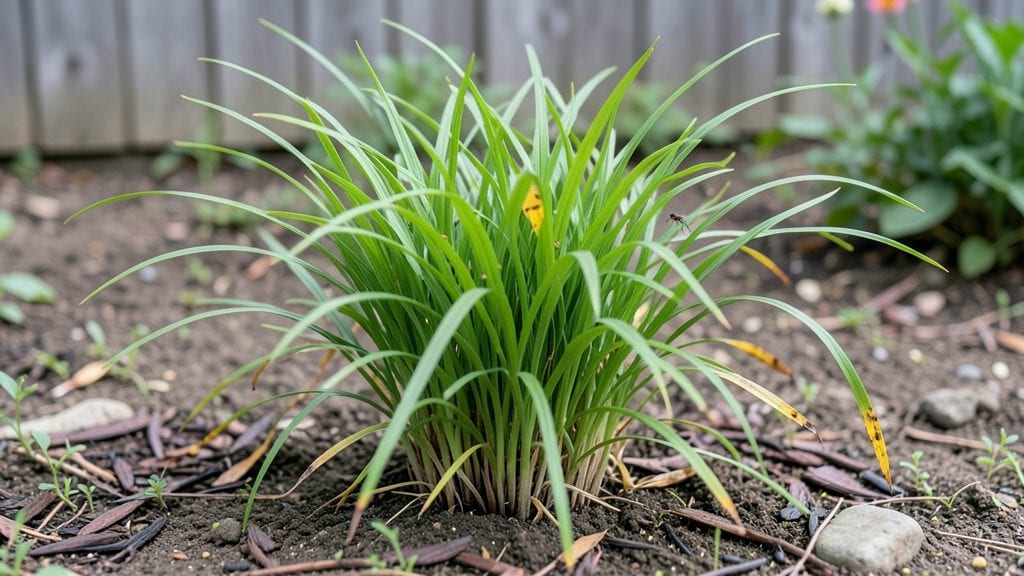
Lemon grass repels mosquitoes, ants, flies, and even some garden pests like aphids and beetles due to its natural citral and geraniol compounds, which disrupt their sensory systems and deter feeding.
Lemon grass works like nature’s bug spray because its oils—especially citral and geraniol—overload pests’ senses, making it impossible for them to locate food or mates. 🔥 Fresh stalks are far more potent than dried, so I always crush a few and place them near problem areas like windows or patios.
The scent lingers longer when combined with water in a spray bottle, creating a simple but effective barrier for mosquitoes and ants alike.
For gardeners, the benefits extend beyond just repelling pests—it also acts as a natural fungicide, keeping soil healthy without harsh chemicals. I’ve seen firsthand how planting lemon grass near vegetable patches reduces aphid infestations while adding a fragrant twist to outdoor spaces.
Just avoid overdoing it; too much can attract bees or other pollinators instead.
💡 In This Article
- How Lemon Grass Deters Pests Scientifically
- Best Lemon Grass Pest Control Methods Tested
How lemon grass deters pests scientifically
The real magic behind lemon grass's pest-repelling power lies in its chemical profile, particularly two compounds: citral and geraniol. Citral, which makes up about 70-80% of lemon grass oil, is a potent olfactory disruptor that masks attractant pheromones used by insects like mosquitoes and ants.
When pests encounter these compounds, their antennae—equipped with thousands of sensory receptors—get overwhelmed, making it impossible to navigate toward food sources or mates. 🔥
Geraniol, another key component, works differently by interfering with insects' feeding behaviors. Studies show it can reduce aphid populations by up to 60% when applied directly to plants, as the compound triggers avoidance responses in chewing insects.
The combination of these two chemicals creates a sensory "smokescreen" that confuses pests' natural navigation systems. Fresh lemon grass contains 2-5 times more of these active compounds than dried versions, which is why crushed stalks or fresh oil sprays are far more effective.
Here's what happens at the molecular level: When pests land on treated surfaces, the volatile oils evaporate and create a scent plume that disrupts their olfactory processing centers. Mosquitoes, for example, rely on carbon dioxide and lactic acid detection—but citral's lemony sharpness completely drowns these signals out.
The effect is temporary but powerful enough to keep pests away for 6-12 hours per application when used properly. 💫
Temperature and humidity also play crucial roles in effectiveness. In dry conditions, the oils evaporate too quickly, reducing repellency by 40%, while high humidity (above 70%) helps maintain the scent longer.
This is why tropical climates see better results—both the pests and the lemon grass thrive in similar conditions. The plant's fibrous texture also helps trap and slowly release oils when crushed, creating a prolonged barrier effect.
For garden applications, the compounds also exhibit mild fungicidal properties. Citral inhibits the growth of Fusarium and Botrytis fungi by disrupting their cell membranes, which is why lemon grass planted near vegetable beds reduces both pest and disease pressure.
The dual action makes it a natural alternative to synthetic pesticides, though it won't replace them for severe infestations. ✨
What most people don't realize is that the effectiveness varies dramatically by pest type. While mosquitoes and ants are strongly repelled, some beetles (like Japanese beetles) show minimal response because their sensory systems have adapted to ignore citrus-based compounds.
This is why combining lemon grass with other repellents (like neem oil) often yields better results in mixed-pest environments. 🌟
The science behind this involves a fascinating evolutionary arms race: many pests have developed resistance to synthetic repellents like DEET, but natural compounds like citral remain effective because they haven't been subjected to the same selective pressure.
This makes lemon grass a sustainable solution that works with nature rather than against it. For best results, always use fresh plant material or high-quality essential oils—never synthetic fragrances labeled "lemon scent," as these lack the active compounds. ⚡