
Plants
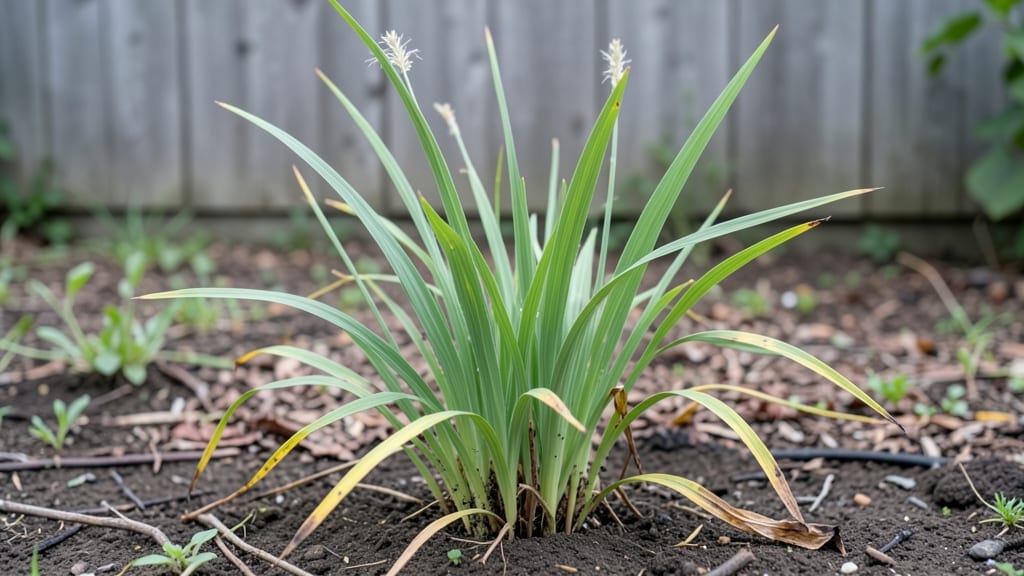
If you're growing this tropical plant outside its native range, understanding its cold sensitivity becomes key. 🌱 The rhizomes—the thick, underground stems—are the real workhorses here, capable of surviving light freezes when the above-ground foliage turns crispy.
I've seen gardeners in Zone 8 keep plants alive through winter by wrapping containers in bubble wrap or burying pots in straw, which can make all the difference between a lost crop and a revived harvest come spring.
For those in colder regions, the trick is treating lemon grass more like a seasonal houseplant than a permanent garden fixture. Moving pots indoors before temperatures drop below 40°F and providing bright, indirect light keeps them thriving until warmer weather.
Some growers even harvest the rhizomes entirely, storing them in damp sand in a cool, dark place until replanting time—this method preserves the plant's vigor for years.
💡 In This Article
- USDA Zones and Lemon Grass Temperature Limits
- Winter Survival Strategies for Lemon Grass
USDA Zones and lemon grass temperature limits
Lemon grass (Cymbopogon spp.) is a tropical grass with a surprisingly nuanced relationship with cold. While it excels in USDA Zones 9-11—where temperatures rarely dip below 30°F (-1°C)—its true hardiness hinges on the rhizome's ability to endure brief cold snaps.
The leaves, however, are far more delicate, turning brown and mushy when exposed to 32°F (0°C) or lower. This is because the plant's cellular structure lacks the antifreeze proteins found in cold-hardy grasses, making ice crystal formation in leaf tissues inevitable during frost.
The key difference between cultivars lies in their growth habits. Cymbopogon citratus (common lemon grass) has a more compact rhizome system, which can survive 25°F (-4°C) for short periods, while C. flexuosus (Mysore lemon grass) tends to be slightly less cold-tolerant due to its taller, more delicate growth.
In Zone 8, where winter lows reach 10-20°F (-12 to -7°C), the rhizomes can still survive if protected, but the foliage will inevitably suffer. This is why many gardeners in these regions treat lemon grass as an annual, replanting from stored rhizomes each spring.
Here's what happens at the cellular level during cold exposure: When temperatures drop below 32°F (0°C), water in the leaf cells begins to crystallize, rupturing cell walls and causing irreversible damage.
The rhizomes, however, contain higher concentrations of soluble sugars and starches that act as natural cryoprotectants, lowering the freezing point of their cellular fluids.
This is why you'll often see gardeners in Zone 8 bury their pots in 12+ inches of mulch—the insulation preserves rhizome viability while the above-ground growth sacrifices itself.
For those in Zones 7 and below, the challenge shifts from protection to cultivation strategy. In these areas, lemon grass simply cannot survive outdoors year-round without artificial heat. The rhizome's dormancy threshold sits around 40°F (4°C), meaning any prolonged exposure below this will trigger metabolic shutdown.
This is why container growing becomes essential—pots can be moved to garages, greenhouses, or even basements where temperatures remain stable. The trade-off? Lemon grass grown in containers dries out faster, requiring 1-2 inches of water per week during active growth.
What most gardeners don't realize is how cultivar selection impacts hardiness. Cymbopogon nardus (citronella grass), often grown for its insect-repelling properties, shares the same family but typically tolerates 5°F (-15°C) better than true lemon grass. This is because its rhizomes store more starch reserves, providing additional energy for recovery.
When choosing plants, look for varieties labeled "cold-hardy" or "winter-resistant"—these have been selectively bred to extend their survival range by 2-3°F beyond standard cultivars.
The science behind lemon grass's cold sensitivity also explains why it's rarely found in temperate climates as a perennial. Its native habitat in Southeast Asia experiences minimal temperature fluctuations, so the plant lacks the genetic adaptations for sudden cold snaps.
Even in ideal conditions, lemon grass's growth slows dramatically below 60°F (15°C), entering a semi-dormant state. This is why many commercial growers in Florida and California harvest rhizomes in early winter, storing them in 50-60°F (10-15°C) conditions until spring replanting.