
Plants
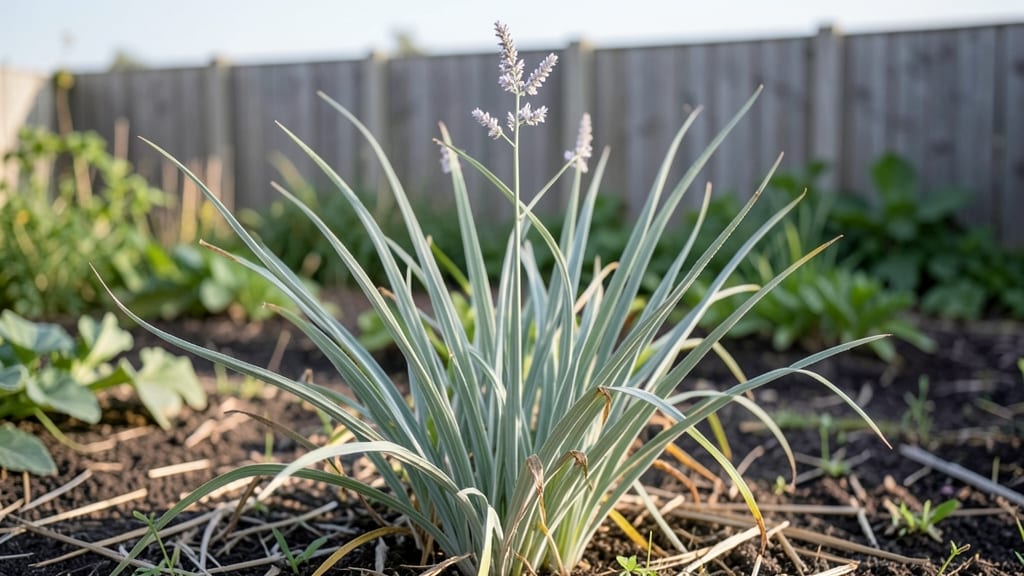
Growing lemon grass flowers from stems unlocks a fragrant, tropical centerpiece that most gardeners overlook 🌿 — but the secret is simpler than you’d expect.
Did you know lemon grass isn’t just a kitchen staple—its delicate, fragrant flowers can transform your garden into a tropical paradise? Growing lemon grass blooms from simple stems is easier than you think, and we’ll show you exactly how.
With the right timing and care, you can coax these citrus-scented blooms to appear by mid-summer, even in USDA Zone 6a. Whether you’re planting in spring or propagating from cuttings, the key lies in mimicking their natural habitat: bright light, well-draining soil, and patience.
Below, I’ll walk you through the step-by-step process—from selecting healthy stems to encouraging those first blooms—so you can enjoy lemon grass flowers that smell as good as they look.
How to propagate lemon grass flowers from stems: a step-by-step guide
Propagating lemon grass flowers from stems is one of the most rewarding ways to expand your garden. These fragrant, citronella-scented blooms thrive when grown from healthy stems, and the process is surprisingly simple.
Whether you're starting with a store-bought bunch or a stem from your existing plants, you can root them in water or soil to create new plants. The key is patience and consistency—your new lemon grass flowers will reward you with vibrant blooms in just a few months.
Before you begin, make sure you're using healthy stems with at least 3-4 inches of growth and visible root nodes. Avoid stems that look wilted or yellowed, as they won’t root well.
The best time to propagate is during the spring or early summer, when the plant is actively growing. With the right conditions, you’ll see roots forming in as little as 2-4 weeks, setting the stage for beautiful blooms later in the season.
Step-by-Step Guide to Propagating Lemon Grass Flowers
- 1 Select and Prepare the Stem: Choose a healthy lemon grass stem with at least 3-4 inches of growth and visible root nodes near the base. Cut the stem just above a node using clean, sharp pruning shears. Remove any lower leaves to expose the bare stem for better rooting.
- 2 Root in Water (Optional): Place the prepared stem in a glass jar filled with room-temperature water, ensuring the nodes are submerged. Change the water every 2-3 days to prevent bacterial growth. In 2-4 weeks, you should see white roots forming—this signals it’s ready to plant.
- 3 Prepare the Soil: Fill a small pot (6-8 inches deep) with well-draining potting mix. Lemon grass prefers sandy, slightly acidic soil with a pH of 5.5-6.5. Mix in a little perlite or sand to improve drainage and prevent root rot.
- 4 Plant the Stem: If rooting in water, gently plant the stem in the soil, ensuring the root nodes are buried but the top leaves remain above soil level. If planting directly, insert the stem 2-3 inches deep into the soil. Press lightly to secure it in place.
- 5 Provide Ideal Conditions: Place the pot in a bright, indirect light location, avoiding direct midday sun for the first 2 weeks. Maintain consistent moisture by watering when the top inch of soil feels dry. Mist the leaves occasionally to increase humidity, which encourages root growth.
- 6 Transition to Sunlight: After 2-3 weeks, gradually introduce the plant to direct sunlight for 4-6 hours daily. This hardens the stem and prepares it for outdoor conditions. If growing outdoors, transplant to a permanent spot with full sun exposure once the roots are established.
- 7 Fertilize and Care: Once the new plant is established (after 4-6 weeksbalanced fertilizer (10-10-10) every 4-6 weeks during the growing season. Keep the soil moist but not waterlogged and watch for pests like aphids, treating with neem oil if needed.
Timing is everything when it comes to lemon grass flower propagation. If you start the process in early spring, your new plants will have plenty of time to establish roots and grow strong before the blooming season in late summer or fall.
For indoor propagation, place your pots near a south-facing window to ensure they get enough light. Outdoor plants should be moved to their permanent location once they’ve developed a healthy root system and new growth appears.
One common pitfall is overwatering, which can lead to root rot. Lemon grass prefers well-draining soil and doesn’t like soggy conditions. If you notice yellowing leaves or a foul smell, reduce watering immediately and ensure excess water drains away.
Another issue is insufficient light, which slows growth and weakens the stem. If your plant looks leggy or pale, it’s time to move it to a sunnier spot.
With patience and care, your propagated lemon grass flowers will reward you with fragrant blooms that attract pollinators and add a tropical touch to
Best conditions for lemon grass flower growth: sunlight, soil, and care
Lemon grass flowers thrive when given the right conditions, especially when transitioning from kitchen scraps to vibrant garden blooms. These tropical plants need bright light, well-draining soil, and consistent moisture to produce their signature citronella-scented flowers.
Whether you're growing them outdoors or indoors, understanding these requirements will help you coax those delicate lavender blooms to life.
One of the biggest mistakes I see is assuming lemon grass flowers are low-maintenance. While they're hardy, they demand specific sunlight exposure and soil conditions to reward you with those fragrant spikes.
Let's break down what your lemon grass needs to flourish and when to adjust care based on your growing environment.
| Condition | Outdoor Cultivation | Indoor Cultivation |
|---|---|---|
| Sunlight Needs | 6+ hours direct sunlight daily | 4-6 hours near south-facing window |
| Soil pH | 5.5-7.0 (slightly acidic to neutral) | 5.5-6.5 (slightly acidic preferred) |
| Watering Schedule | Deep watering every 3-5 days | Every 2-3 days (soil should stay moist) |
| Fertilization | Balanced 10-10-10 every 4-6 weeks | Half-strength monthly feed |
| Temperature Range | 65-95°F (optimal 75-85°F) | 60-80°F (avoid drafts) |
For outdoor lemon grass flowers, full sun exposure is non-negotiable. I've found that planting them in well-draining garden beds with a slightly acidic pH (5.5-7.0) produces the most robust blooms.
In my own garden, I mix compost into the soil to provide essential nutrients while ensuring proper drainage—this prevents root rot, which can be fatal to these tropical plants.
When growing lemon grass flowers indoors, you'll need to compensate for limited natural light. Place your plants near a south-facing window where they can receive at least 4-6 hours of direct sunlight. I've had success using grow lights on a timer during winter months when daylight is scarce.
Remember, indoor plants will grow more slowly but can still produce those beautiful citronella-scented flowers with proper care.
Watering is where many gardeners go wrong with lemon grass. These plants prefer consistent moisture but hate soggy roots. I recommend watering deeply every 3-5 days outdoors and every 2-3 days indoors where the soil dries out faster.
Always check the top inch of soil before watering—if it's dry, it's time to hydrate your plants. During the blooming season (summer months), you may need to increase watering frequency slightly.
Seasonal care is crucial for encouraging lemon grass flowers to bloom. In spring, I start with a light fertilizer application to support new growth, then switch to a balanced feed every 4-6 weeks during summer.
As temperatures drop in fall, I reduce watering and stop fertilizing entirely. This seasonal adjustment mimics their natural tropical environment and helps trigger those beautiful lavender flower spikes that appear in late summer.