
Lawn
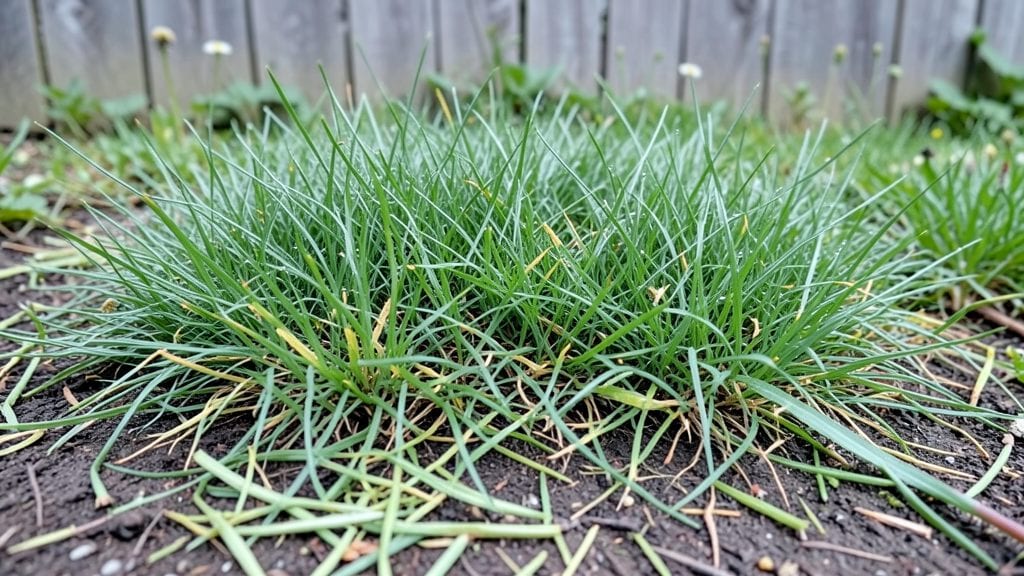
Leaving leaves on grass provides natural mulch that enriches soil with nutrients, retains moisture, and protects lawns from cold or drought, but excessive buildup can smother grass and attract pests. Thin layers (under 1 inch) are ideal for most lawns.
When leaves decompose naturally on your lawn, they act like a slow-release fertilizer, breaking down into organic matter that feeds the soil over time. This process, called nitrogen recycling, helps grass roots grow stronger while also insulating them from extreme temperatures.
However, thick layers can block sunlight and trap moisture, creating the perfect conditions for fungal growth or pests to thrive. 💫
For most climates, a light layer of leaves—especially finely shredded ones—is ideal, as it allows sunlight and water to reach the grass while still providing benefits.
I’ve found that mulching leaves with a lawn mower is the easiest way to achieve this balance, turning them into nutrient-rich mulch without the hassle of raking.
💡 In This Article
- How Fallen Leaves Benefit Grass and Soil
- Best Practices for Managing Lawn Leaves Year-Round
How fallen leaves benefit grass and soil
Fallen leaves act as nature's own composting system, transforming into organic matter that enriches soil through a process called decomposition. When leaves break down, they release essential nutrients like nitrogen, phosphorus, and potassium—key components of healthy soil.
This nutrient release happens gradually over months, creating a slow-release fertilizer that strengthens grass roots. For example, a 1-inch layer of shredded leaves can add up to 20 pounds of organic matter per 1,000 square feet annually, improving soil structure and fertility.
The decomposition process is driven by microorganisms like bacteria and fungi, which thrive in the moist, shaded environment leaves create. These microbes break down complex organic compounds into simpler forms that plants can absorb. This microbial activity also improves soil aeration and water retention, reducing the need for irrigation.
In colder climates, leaves act as insulation, protecting grass roots from freezing temperatures by maintaining a 5-10°F warmer soil temperature than bare ground.
One of the most significant benefits is weed suppression. A thick, even layer of leaves blocks sunlight from reaching weed seeds, preventing germination. This is particularly effective in early spring when weeds are most competitive.
However, the key is maintaining a thin, even layer—thicker layers can suffocate grass by blocking sunlight and trapping excess moisture, creating anaerobic conditions that harm roots.
Leaves also help regulate soil moisture by reducing evaporation. In drought-prone areas, a ½-inch layer can reduce water loss by up to 30%, allowing grass to stay greener longer. The organic matter from decomposed leaves also improves soil's ability to hold water, making lawns more resilient during dry spells.
This moisture regulation is especially valuable in regions with hot summers or irregular rainfall patterns.
For homeowners, understanding these benefits means you can leverage leaves as a free, natural resource. Instead of seeing them as lawn debris, think of them as a soil-enhancing mulch. The science behind this is clear: leaves don't just disappear—they transform into valuable nutrients that support a healthier lawn ecosystem. 🌱
What most people overlook is how leaves contribute to long-term soil health. Over time, the organic matter from decomposed leaves increases the soil's cation exchange capacity (CEC), which is its ability to hold onto essential nutrients like calcium, magnesium, and potassium.
This makes the soil more fertile and better able to support robust grass growth. For instance, lawns with 3-5% organic matter (a typical range for healthy soil) show significantly better drought resistance and disease prevention.
The best approach is to mimic nature's process by leaving leaves in thin layers and allowing them to decompose naturally. This way, you're not just managing lawn debris—you're actively improving your soil's health and your lawn's resilience. 💚