
Lawn
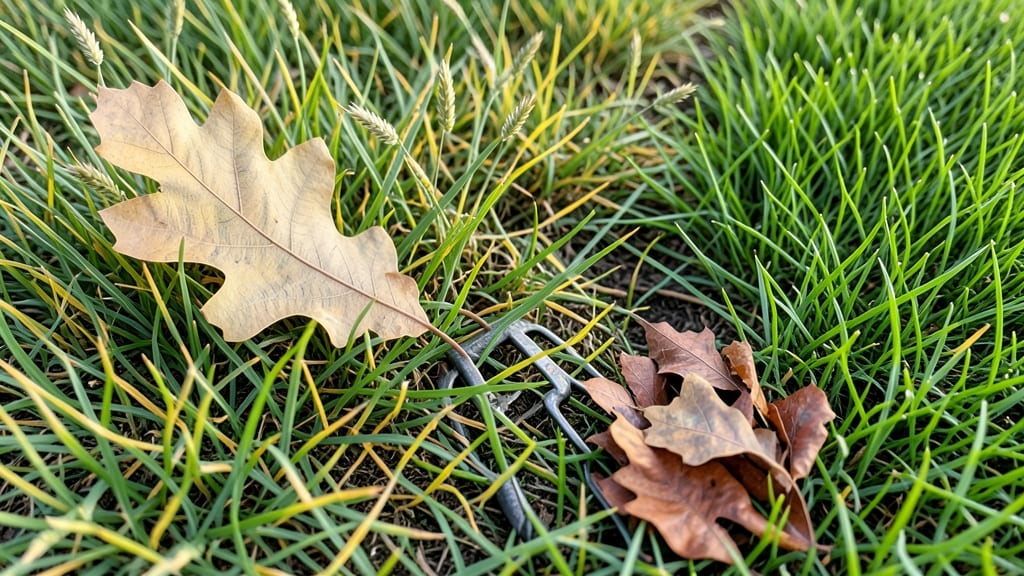
Leaving leaves on your lawn isn’t always bad—thin layers (under ½ inch) decompose naturally, returning nutrients to soil and protecting grass from cold. However, thick piles smother grass, block sunlight, and invite pests or disease. Mulching leaves with a mower is ideal for most lawns.
Whether leaves help or harm your lawn depends entirely on how much accumulates.
A light covering actually acts like natural mulch, shielding grass from harsh winter winds and gradually breaking down to enrich the soil with organic matter. 🍃 The key is thickness—anything over ½ inch can suffocate grass blades by preventing sunlight and air circulation, creating the perfect conditions for fungal growth.
I’ve seen lawns thrive with a thin layer but struggle when leaves pile up unchecked, so timing matters: mulch when leaves are dry but before they compact.
For homeowners with busy schedules, a simple solution exists: mow leaves directly into the grass using a mulching mower. This approach shreds leaves into tiny pieces that decompose quickly without smothering your lawn.
If you prefer raking, focus on areas where leaves collect heavily—especially around trees and shrubs where moisture can trap debris. Spring is the best time to assess damage and aerate compacted soil if needed.
💡 In This Article
- How Lawn Leaves Affect Grass Health and Soil
- Best Practices for Managing Fallen Leaves on Grass
How lawn leaves affect grass health and soil
When leaves decompose on your lawn, they trigger a natural process called mineralization, where microorganisms break down organic matter into essential nutrients like nitrogen, phosphorus, and potassium. A thin layer (under ½ inch) releases these nutrients slowly over months, acting like a slow-release fertilizer.
This process mirrors how compost works—except instead of piling materials in a bin, nature handles it directly in your yard. The nitrogen content in leaves (typically 0.5-1.5%) helps grass recover after summer stress, while the carbon-rich structure improves soil structure over time. 🌱
The real damage happens when leaves exceed 1 inch in thickness. This creates a physical barrier that blocks 60-80% of sunlight from reaching grass blades, starving them of the energy needed for photosynthesis.
Without light, grass turns yellow and weakens, making it vulnerable to diseases like snow mold or leaf spot fungi. The trapped moisture under thick leaf layers also creates ideal conditions for fungal spores to thrive—similar to how damp mulch invites mold in garden beds.
In my experience, lawns buried under 3+ inches of leaves often show visible damage by spring, with grass struggling to regrow until the debris is removed.
Temperature plays a surprising role in how leaves impact your lawn. During winter, a light leaf blanket (under ½ inch) insulates soil, protecting grass roots from freezing temperatures—almost like a natural mulch.
However, in warmer months, thick leaf piles can trap heat, creating microclimates that accelerate decomposition and deplete oxygen levels in the soil. This oxygen deprivation stresses grass roots, much like how too-thick mulch can suffocate plants in garden beds.
The decomposition process also generates heat, which can actually kill grass seeds trying to germinate in spring. 🔥
One often-overlooked factor is how leaf type affects decomposition rates. Maple and oak leaves break down more slowly due to their tougher structure, while softer leaves like birch or aspen decompose within weeks. This means lawns under maple trees may need more frequent maintenance than those with faster-decaying leaves.
The pH of decomposing leaves also matters—acidic leaves (like pine needles) can lower soil pH over time, potentially affecting grass health in acidic-sensitive varieties like fescue. Testing your soil annually helps monitor these changes.
Spring is the best time to evaluate leaf damage. Grass that's been smothered often shows brown patches where leaves blocked sunlight, and the soil may feel compacted. Aerating in early spring helps restore oxygen flow to roots, while overseeding can fill in thin areas.
The good news? Even lawns that suffered under thick leaves can recover with proper care—it just takes patience and the right techniques to restore balance. 🌿