
Lawn
Dealing with prickly weeds that turn your lawn into a painful battleground? These 10 common lawn invaders cause discomfort—and we reveal the most effective, least messy ways to eliminate them for good.
Stinging Nettle Identification and Control
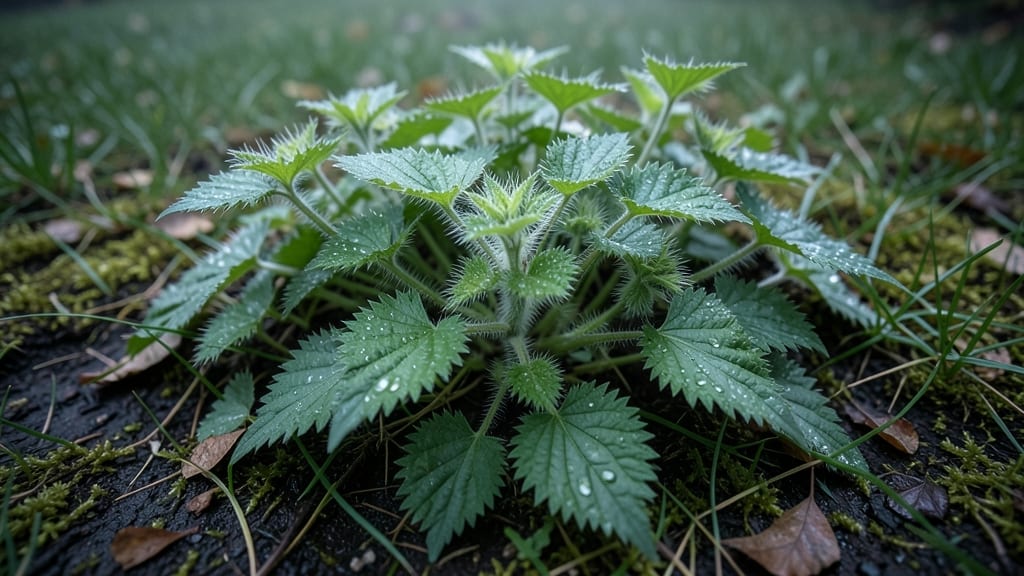
If your lawn feels like a minefield of tiny needles, you’re likely dealing with stinging nettle, a relentless weed that thrives in damp, shaded spots where mowers struggle to reach. Its needle-like hairs release histamine when touched, causing itchy rashes that can linger for hours—making this one of the most painful weeds to encounter barefoot.
Identify it by its serrated, arrowhead-shaped leaves and square stems that grow 1-4 feet tall. Unlike most weeds, mowing won’t stop it—this plant loves moisture and shade, so focus on hand-pulling with gloves (long sleeves are a must!) or smothering it with thick mulch. For stubborn patches, spot-treat with a glyphosate-based herbicide in early spring before it spreads.
Homeowners with shady, damp lawns or garden beds should prioritize this control—stinging nettle can take over if left unchecked, turning your peaceful garden into an itchy nightmare. 🌱
Crabgrass with Spiny Seed Heads
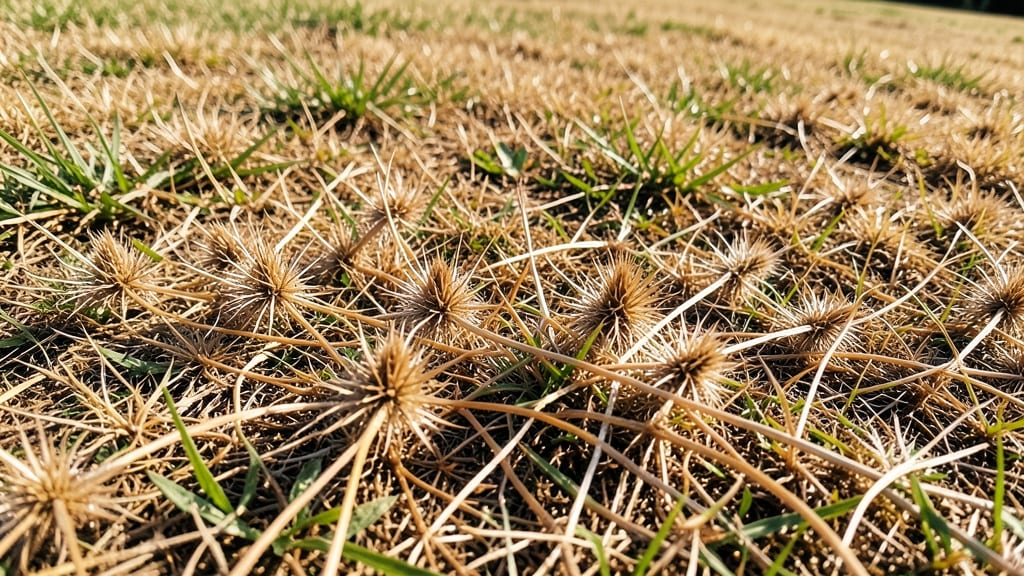
If your lawn looks like a golden-brown carpet in summer, you’re likely dealing with crabgrass with spiny seed heads—the weed that turns your grass into a prickly nightmare. Unlike its smooth-leaved cousin, this variety spreads aggressively through sharp, seed-laden clusters that cling to shoes and pet fur.
This weed thrives in thin turf or compacted soil, where grass struggles to compete. The key to control is prevention: apply a pre-emergent herbicide in early spring before seeds germinate. For existing patches, hand-pull when soil is moist (the seed heads make it easy to spot) or use a selective post-emergent herbicide labeled for crabgrass. Aerating compacted areas also helps grass outcompete it naturally.
Homeowners with high-traffic lawns or sandy soil should prioritize this—crabgrass doesn’t just ruin aesthetics, it weakens turf long-term. A little early action now saves hours of weeding later. 🌻
Purslane Weed Removal Techniques
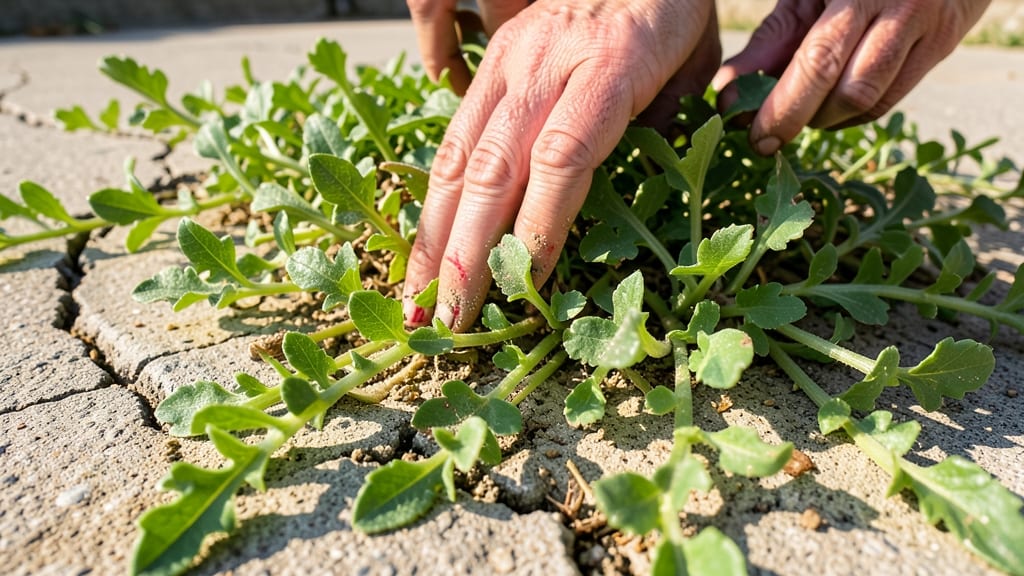
If your bare hands feel like they’re being sandpapered after gardening, you’re likely dealing with purslane—a succulent weed that thrives in sandy soils and cracks in pavement. Its tiny, sharp-edged leaves and stems make it a sneaky invader that clings to skin, leaving behind an uncomfortable, gritty sensation.
This weed spreads aggressively in dry, sunny spots, making it a common nuisance in sidewalks, driveways, and poorly maintained lawns. To remove it, pull the entire plant (roots and all) when the soil is moist—this prevents regrowth. For stubborn patches, apply a vinegar-based herbicide (20-30% acetic acid) to kill the roots without harming nearby plants. Mulching with coarse gravel or wood chips can also suppress future growth.
Urban gardeners and homeowners with sandy soil or cracked pavement will find purslane particularly stubborn—proactive removal now saves you from a prickly mess later. 💪
Bristly Oxalis Eradication Methods
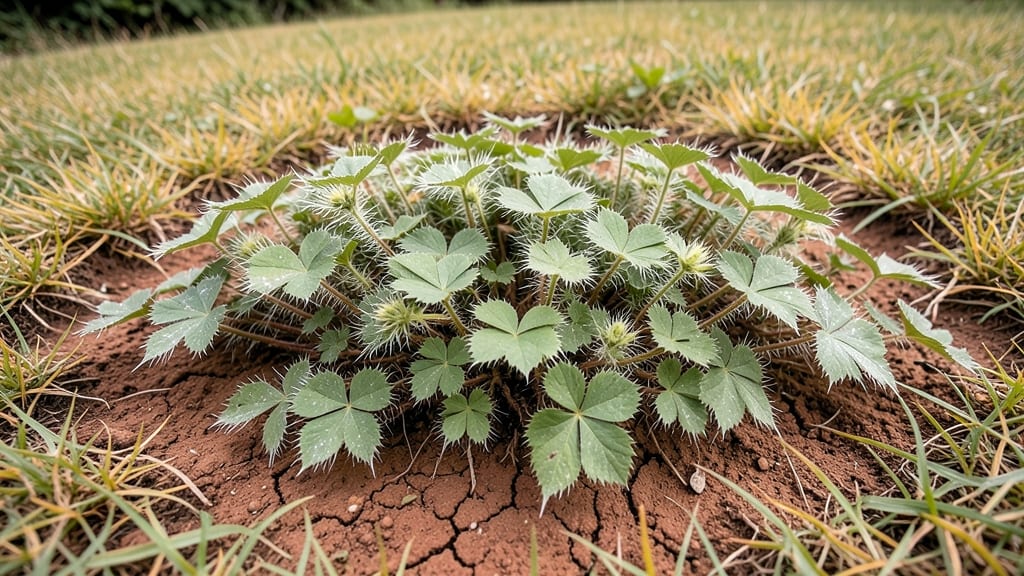
If stepping on your lawn feels like walking through a field of tiny needles, you’re likely battling bristly oxalis—a sneaky clover lookalike with sharp, hair-like projections that cause instant irritation. Unlike harmless clovers, this weed spreads aggressively in compacted or acidic soil, turning your lawn into a prickly trap.
Spot it by its three-leaf clusters (like shamrocks) that grow low to the ground, often in patches where grass struggles. The best offense is prevention: test your soil pH and amend with lime if acidic. For removal, hand-pull entire plants (roots included) when soil is moist, or smother with thick mulch. Avoid tilling—it spreads seeds! For stubborn patches, a targeted vinegar-based herbicide (20% acetic acid) works, but apply on dry days to avoid damaging grass.
Gardeners with acidic lawns or clay-heavy soil should prioritize this—bristly oxalis thrives where grass weakens, and early action prevents it from becoming a year-round nuisance. 🌿
Goosegrass with Prickly Seed Stems
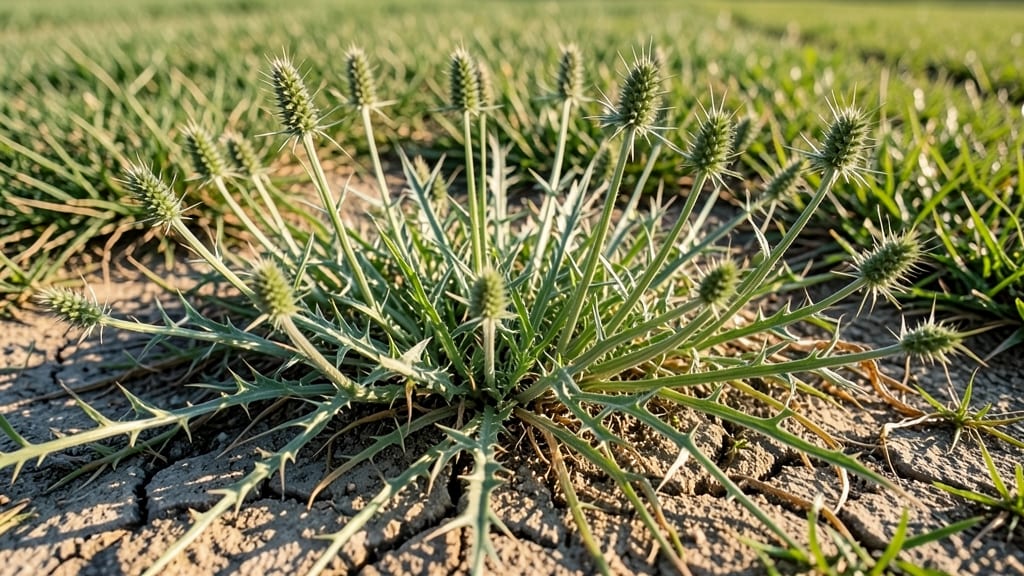
If your lawn feels like a bed of tiny cacti underfoot, you’re likely dealing with goosegrass—a sneaky, low-growing weed with spiky seed stalks that resemble miniature cacti. Unlike other prickly weeds, it doesn’t just irritate your skin; it thrives in the very spots where grass struggles, like high-traffic walkways or compacted areas where mowers can’t reach.
Identify it by its flat, grass-like leaves and upright seed stalks that shoot up like tiny spikes in late summer. The best way to remove it is by hand-pulling when the soil is moist (the seed heads make it easy to spot), or by smothering with thick mulch or dense ground cover. For prevention, focus on improving soil compaction in problem areas—goosegrass loves bare spots where grass can’t compete.
Homeowners with urban lawns or high-traffic garden paths should tackle this early—once it spreads, those spiky stalks become a year-round nuisance. 🌱
Hairy Bittercress Control Guide
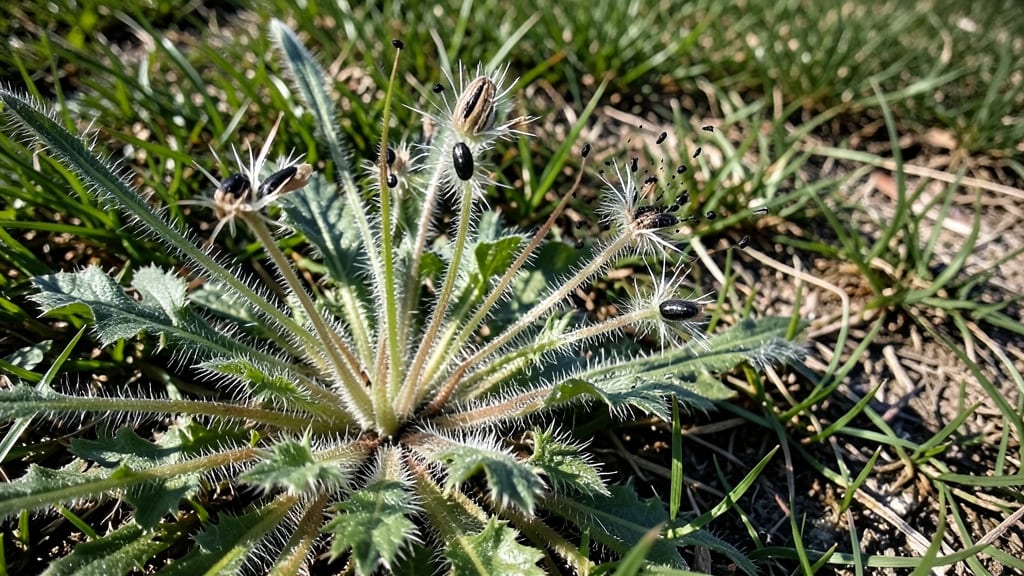
If your lawn suddenly feels like a velcro trap for tiny needles, you’re likely dealing with hairy bittercress—a fast-spreading weed that turns your green space into an itchy battleground. Unlike other prickly weeds, this one doesn’t just poke; it explodes into seed pods when disturbed, launching hundreds of new plants into your yard within days.
Identify it by its delicate, lobed leaves and clusters of tiny, round seed pods that resemble miniature peppercorns. The key to control is prevention before flowering: hand-pull young plants (wearing gloves!) or smother them with thick mulch. For established patches, apply a post-emergent herbicide like 2,4-D in early spring before seeds mature. Avoid tilling—this weed’s seeds can lie dormant for years, waiting for the perfect moment to take over.
Gardeners with disturbed soil or frequent foot traffic should act fast—hairy bittercress thrives in cracks and bare spots, turning your lawn into a prickly nightmare before you know it. 🌱
Sandbur Weed Elimination Strategies
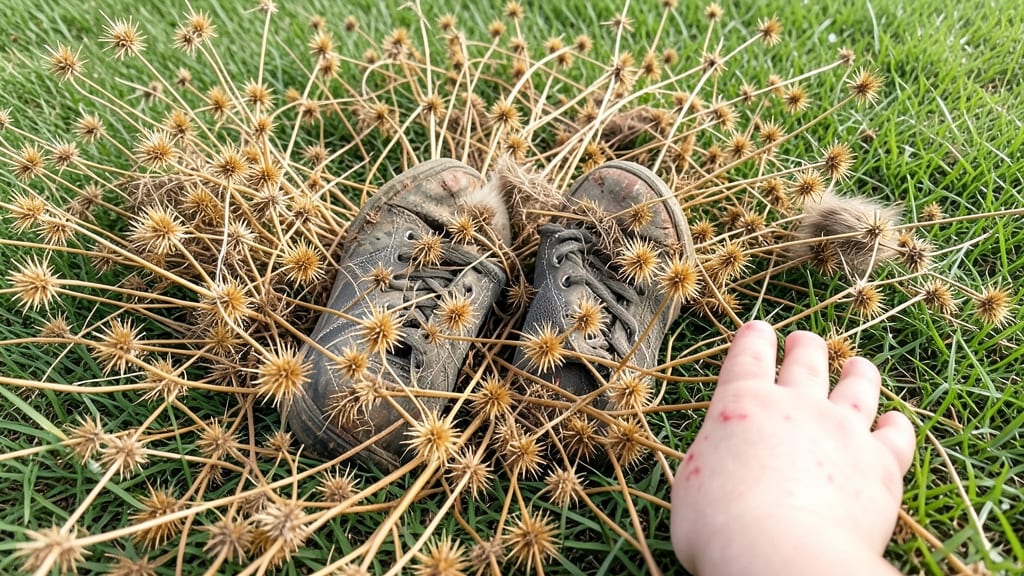
If your shoes, pet fur, or bare feet are constantly covered in tiny, spiky burrs after walking across your lawn, you’re likely battling sandbur—a weed with explosive seed pods designed to hitchhike anywhere. These golden-brown burrs (up to an inch long) cling aggressively, turning your yard into a prickly trap for anyone who steps on them.
Sandbur thrives in sandy, disturbed soils where grass struggles, often appearing in construction sites, bare spots, or high-traffic areas. The key to elimination is prevention: overseed thin patches in early fall to crowd out bare soil where sandbur seeds germinate. For existing weeds, hand-pull entire plants (including roots) when soil is moist, or use a selective herbicide like 2,4-D in late summer before seeds mature. Avoid tilling—it spreads seeds deeper into the soil.
Homeowners with sandy lawns or frequent foot traffic should tackle this early—sandbur doesn’t just ruin aesthetics, it turns every step into an itchy reminder of its presence. A little proactive care now saves hours of burr removal later. 🌱
Spiny Sowthistle Removal Tips
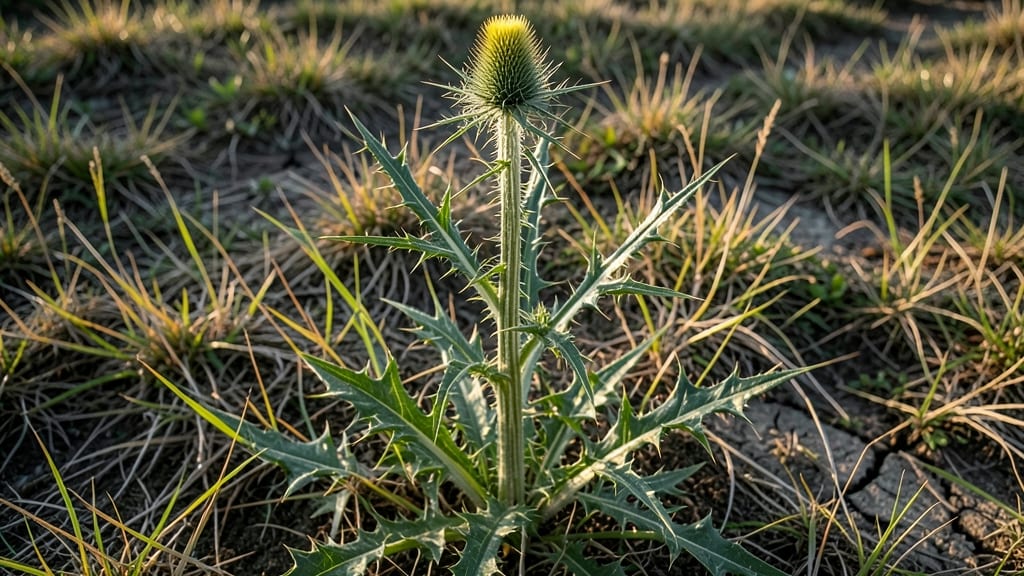
If your lawn looks like a thistle’s taller, meaner cousin, you’re likely dealing with spiny sowthistle—a prickly invader that thrives where grass gives up. This weed’s jagged, spiky leaves and towering stems (up to 5 feet tall) make it a painful nuisance, especially in areas with poor drainage or heavy foot traffic where grass struggles to compete.
Remove it by targeting the deep taproot—dig carefully with a trowel or use a broadleaf herbicide labeled for perennial weeds in early spring or fall. For stubborn patches, smother with thick mulch or solarize the area by covering it with clear plastic for 4-6 weeks during hot months. Avoid tilling, as it spreads seeds deeper into the soil.
Homeowners with wet lawns or high-traffic areas should act fast—spiny sowthistle spreads quickly and can dominate if left unchecked. A little persistence now saves you from a prickly takeover later. 🌿
Hairy Galinsoga Control Methods
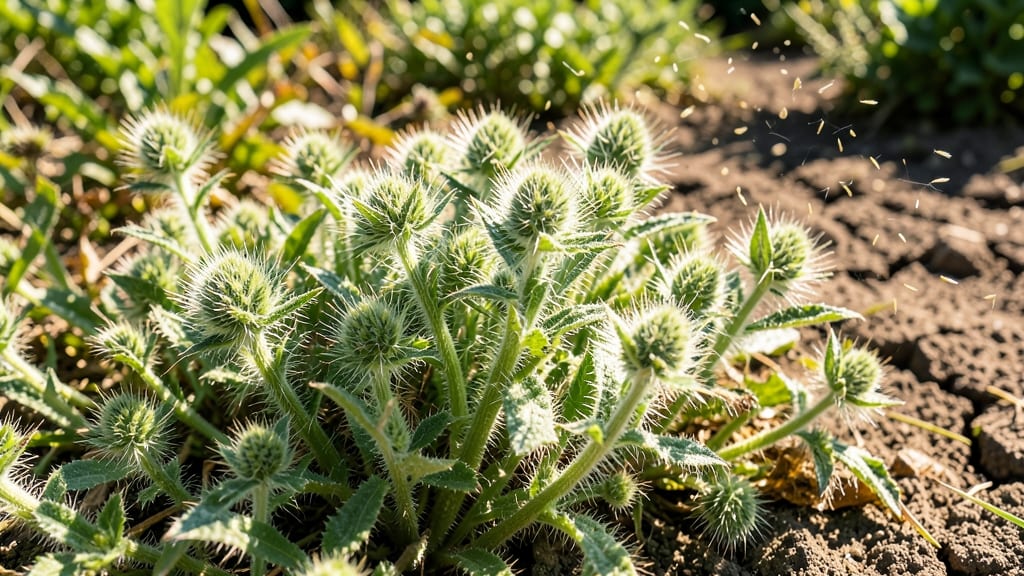
If your warm-climate garden feels like a velvet-lined trap of tiny irritants, you’re likely dealing with hairy galinsoga, a fast-growing weed that spreads faster than you can say "summer heatwave." Its wind-dispersed seeds and fine, irritating hairs make it a relentless invader of disturbed soils, flower beds, and even lawn edges.
This weed thrives in warm, sunny conditions and can produce thousands of seeds per plant, so early action is critical. Pull plants when soil is moist (they’re easier to remove before seeds mature), or smother them with thick mulch. For stubborn patches, apply a selective herbicide like 2,4-D in late summer after flowering begins—this targets the weed without harming nearby plants. Regular soil disturbance (like tilling) only makes it worse, so focus on maintaining healthy turf or ground cover to outcompete it.
Gardeners in southern states or urban areas with disturbed soils will find hairy galinsoga particularly persistent—proactive removal now prevents it from becoming a year-round nuisance. 🌿
Prickly Pear Cactus in Lawns

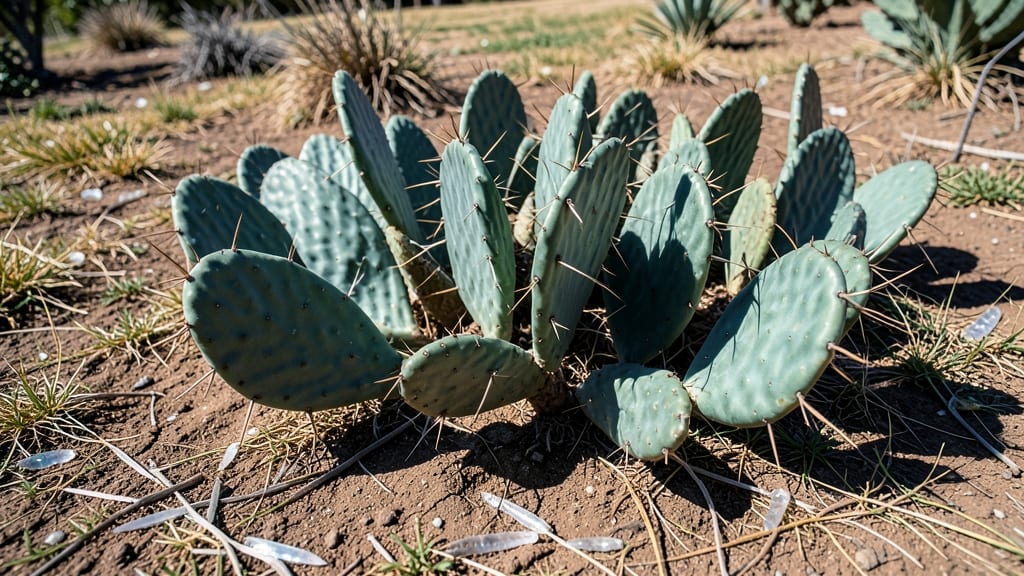
If your southern lawn suddenly looks like a desert took over, you might be dealing with prickly pear cactus—a surprising but real invader in dry, sunny regions. Unlike most weeds, these sharp pads and spines make removal a risky task without the right precautions, turning a simple cleanup into a prickly challenge.
Identify it by its paddle-shaped pads (called cladodes) covered in clusters of spines, often growing in clusters where grass struggles. Never attempt to pull by hand—wear thick leather gloves and long sleeves, then use a pruning saw or heavy-duty shears to cut the pads at the base. For stubborn roots, apply a glyphosate-based herbicide directly to the cut stumps, then monitor for regrowth. Timing matters: remove in late summer or early fall when the plant is less aggressive.
Homeowners in drought-prone southern climates should tackle this early—prickly pear spreads quickly and can dominate open, sunny lawns if left unchecked. With the right tools, you can reclaim your yard without turning it into a cactus garden. ✨