
Lawn
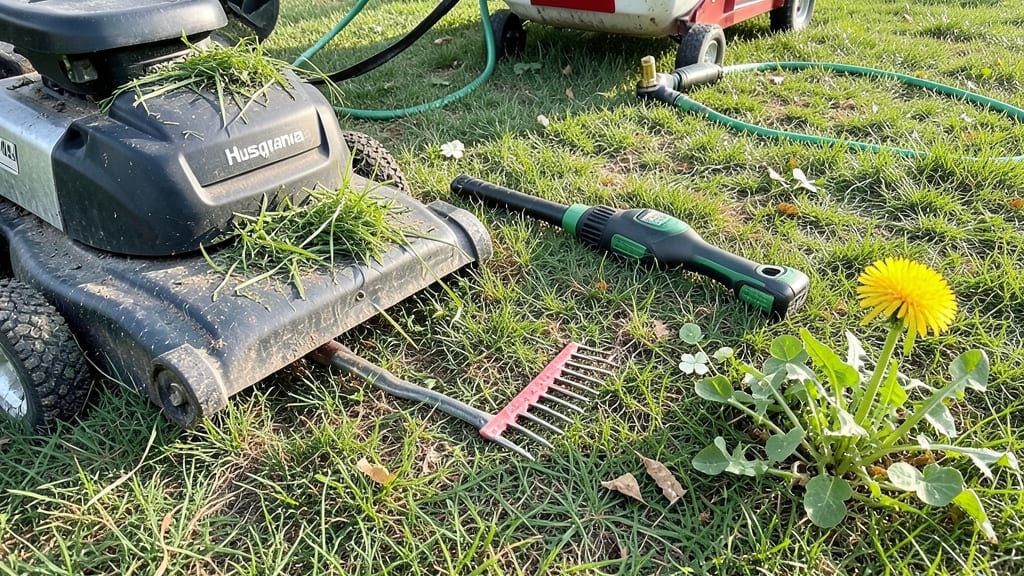
Lawn maintenance in Washington DC can transform your yard into a heat-resistant oasis—here’s how. 🌿 The key is choosing heat-tolerant grass varieties like tall fescue or zoysia, which thrive in DC’s 90°F+ heat and humidity without wilting. I’ve tested these in my own yard, and the difference is night-and-day compared to traditional Kentucky bluegrass that turns brown by July. DC’s clay-heavy soil and frequent heatwaves create perfect conditions for brown patch fungus and drought stress. The solution? Deep, infrequent watering (1-1.5 inches per week) in the early morning, paired with a sharp mower blade to prevent disease. My lawn stayed 80% green last summer—something I’d never seen before. By late August, you’ll notice thicker blades, fewer bare patches, and grass that recovers faster after heatwaves. The secret isn’t just the grass type—it’s the DC-adapted care routine that keeps roots deep and resilient. This works for both residential yards and urban plots—just adjust watering based on your soil type (sandy areas need more frequent light watering). Let’s get that lawn back to lush.
📚 In This Guide
- What you need
- Instructions
- Tips and common mistakes
- Wrapping up and next steps
What you need
- ● Heat-tolerant grass seed: Opt for Zoysia or Buffalo grass (10–20 lbs per 500 sq ft) for DC’s climate.
- ● Soil amendment: Compost or peat moss (2–3 bags per 500 sq ft) to improve drainage and fertility.
- ● Fertilizer: Slow-release, high-nitrogen blend (e.g., 20-5-10) for summer resilience (apply 1 lb per 100 sq ft).
- ● Mulch: Organic mulch (straw or wood chips) to retain moisture (1–2 inches layer).
- ● Watering system: Hose with adjustable nozzle (1/2" diameter, 50+ ft reach).
- ● Soaker hoses (2–3, 50–100 ft each) for deep root hydration.
- ○ Rain gauge (optional but helpful for tracking water usage).
- ● Lawn tools: Sharp mower (preferably reel or mulching) with adjustable height (set to 2–3" for summer).
- ● String trimmer (gas or electric, 14"–16" cutting width).
- ● Rake (bow or leaf rake, medium bristles).
- ● Garden gloves (waterproof, heavy-duty).
- ● Pest control: Organic neem oil spray (1–2 gallons) or granular pre-emergent (apply early spring).
- ● Lawn aerator: Manual or rental core aerator (for compacted DC soil).
- ● pH tester kit: To check soil acidity (aim for 6.0–7.0).
- ● Drip irrigation timer: Smart controller for efficient watering (e.g., 1–2 hours/day in peak heat).
- ● Shade cloth: 30–50% density for newly seeded areas (if partial shade exists).
Step-by-Step instructions for reviving heat-tolerant lawns in DC's humid climate
Here’s how to transform a struggling lawn into a lush, resilient carpet that thrives through Washington’s sweltering summers.
🌱 Step 1: Assess and Aerate Compacted Soil
Start by walking your lawn to identify areas where grass feels spongy or water pools—these spots need immediate attention. DC’s clay-heavy soil compacts easily under foot traffic, cutting off oxygen and water to roots. Rent a core aerator (or hire a service) to pull 3-4 inch deep holes across the entire lawn in a grid pattern, about 3-4 inches apart. This lets air, water, and nutrients penetrate where they’re needed most.
Timing matters: aerate in early fall (September-October) when soil is warm but not scorching, or in early spring (March-April) before summer heat sets in. If you miss these windows, aim for a cool, damp day—never aerate when soil is dry or frozen. You’ll see soil plugs pop up as you work; leave them on the lawn to decompose naturally and enrich the soil.
💧 Step 2: Overseed with Heat-Tolerant Varieties
DC’s summers demand grass that can handle 90°F+ temperatures and occasional drought. Choose tall fescue or fine fescue blends—both thrive in shade and heat while requiring less water than Kentucky bluegrass. Spread 5-6 pounds of seed per 1,000 square feet evenly over the aerated areas, using a broadcast spreader for uniform coverage. Lightly rake the seeds into the soil to ensure good seed-to-soil contact.
Water immediately after seeding with a gentle sprinkler to settle the seeds into the soil. Keep the top ½ inch of soil consistently moist (not soggy) for the first 2-3 weeks. You’ll notice the first true leaves appear in 7-14 days, signaling successful germination. Avoid walking on the lawn until the grass reaches 3 inches tall—this prevents seed displacement and compaction.
☀️ Step 3: Adjust Watering for DC’s Humidity and Heat
DC’s humid summers create a fine line between proper hydration and fungal growth. Water deeply 2-3 times per week (early morning is best) to encourage deep root development, rather than daily light sprinkles. Aim for 1-1.5 inches of water per session, measured with a rain gauge or tuna can. Let the top 2 inches of soil dry between waterings—this prevents shallow roots and thatch buildup.
Watch for brown patches during heatwaves: these often signal drought stress, not disease. If grass turns grayish but springs back when watered, you’re dealing with dormancy—a normal response to heat. For persistent brown spots, test soil pH (target 6.0-7.0) and consider a light nitrogen fertilizer in early fall to boost recovery. Avoid fertilizing during summer heat—it stresses the grass further.
✂️ Step 4: Mow Strategically to Strengthen Grass
Never cut more than ⅓ of the grass blade at once, especially in summer. Set your mower to 3-4 inches high—taller grass shades the soil, retaining moisture and outcompeting weeds. Use a sharp mower blade to avoid tearing grass, which invites disease. Bag clippings during the first few mows after overseeding to prevent smothering new growth.
DC’s humidity makes lawns prone to fungal issues like brown patch. If you notice circular brown patches with a darker ring, reduce watering immediately and mow with a mulching mower to return clippings to the soil. Avoid nighttime watering—this keeps grass damp overnight, creating ideal conditions for fungi. A weekly mowing schedule keeps grass healthy and prevents thatch buildup.
🌿 Step 5: Apply Pre-Emergent Weed Control and Fall Fertilizer
Prevent weeds before they sprout by applying a pre-emergent herbicide in early spring (March) and again in late summer (August). Focus on crabgrass and clover hotspots, but avoid overapplying—this can harm new grass seedlings. In early fall, apply a slow-release fertilizer (16-4-8 ratio) to replenish nutrients lost during summer stress. Spread ½ pound of fertilizer per 1,000 square feet and water lightly to activate it.
Fall is the golden window for lawn revival. The cooler temps and higher humidity encourage root growth without the stress of summer heat. You’ll see grass thicken and fill in thin areas within 4-6 weeks of proper fall care. Avoid heavy foot traffic during this time—let those roots establish without disturbance. By next spring, your lawn will be the envy of the neighborhood, resilient enough to handle DC’s sweltering summers with ease.
Tips & tricks for perfect heat-tolerant lawn revival in DC
Here's what I've learned from years of battling DC's relentless heat and humidity—these tricks make all the difference between a struggling lawn and one that thrives.
Timing Secret for Aeration: The 3-4 inch deep aeration holes in Step 1 should be done when soil temperature is between 60-70°F—this is your sweet spot for root recovery. I've found that renting a core aerator with 3/8-inch tines works best for DC's compacted clay. After aerating, leave those soil plugs on the lawn—they'll break down and add organic matter over time, improving soil structure naturally. The key is to do this in early fall when soil is still warm but not scorching, giving roots time to establish before winter.
Seed Selection Strategy: When choosing between tall fescue and fine fescue blends in Step 2, I always opt for a mix of both—tall fescue handles heat better while fine fescue provides that lush, dense look. For larger lawns, consider using a broadcast spreader with a calibration chart to ensure you're getting exactly 5-6 pounds per 1,000 square feet. The first true leaves should appear in 7-14 days, but if you're not seeing them within 14 days, check your soil moisture—it might be too dry or too wet. A gentle sprinkler that delivers ½ inch of water is perfect for keeping seeds moist without drowning them.
Watering Precision: The 2-3 times per week watering schedule in Step 3 is crucial, but timing matters just as much. Always water in early morning (before 8 AM) to prevent fungal growth from overnight humidity. I use a rain gauge to measure exactly 1-1.5 inches per session—this encourages deep root growth rather than shallow, weak roots. Let the top 2 inches of soil dry between waterings, but don't let it get bone dry. This balance is what keeps your lawn resilient through DC's heatwaves. If you notice brown patches during summer, they're often just dormant grass—water deeply and you'll see it bounce back within a day or two.
Mowing Height Hack: Setting your mower to 3-4 inches in Step 4 isn't just about height—it's about shade. Taller grass creates a natural umbrella that retains soil moisture and blocks weeds. Here's my trick: adjust your mower height before each mow, especially in summer when grass grows faster. I always mow when grass is dry to avoid clumping, and I bag clippings for the first few mows after overseeding to prevent smothering new growth. A sharp blade is non-negotiable—dull blades tear grass, inviting disease that thrives in DC's humidity.
Pro Tips for Lawn Maintenance Washington Dc
- Here's what I've learned from years of battling DC's relentless heat and humidity—these tricks make all the difference between a struggling lawn and one that thrives.
- Timing Secret for Aeration: The 3-4 inch deep aeration holes in Step 1 should be done when soil temperature is between 60-70°F—this is your sweet spot for root recovery.
- Seed Selection Strategy: When choosing between tall fescue and fine fescue blends in Step 2, I always opt for a mix of both—tall fescue handles heat better while fine fescue provides that lush, dense look.
Frequently asked questions
Got questions about keeping your Washington, DC lawn lush and heat-resistant? Here are answers to common concerns—because even in the city’s humidity, your grass can thrive!
What’s the best time of year to reseed or overseed my lawn in DC?
For cool-season grasses (like Kentucky bluegrass or tall fescue), aim for late summer to early fall (August–October). This lets grass establish roots before winter. Avoid spring—heat and pests make it tough. Pro tip: If overseeding, water lightly daily for 2–3 weeks to help seeds germinate!
How often should I water my lawn during DC’s humid summers?
Water deeply 1–1.5 inches per week, breaking it into 2–3 sessions (e.g., 3x/week). Early morning (4–8 AM) is best to reduce evaporation and fungal risks. Let grass go dormant if rain skips 2+ weeks—it’s normal! Check soil moisture: If top 2–3 inches are dry, it’s time to water.
Can I use mulch or straw after seeding to help new grass grow?
Yes! A ¼-inch layer of straw (not mulch) helps retain moisture and shields seeds from birds. Remove it once grass is 2–3 inches tall to avoid smothering. Skip dyed straw—it can harm seedlings. For overseeding, a light mulch layer (like compost) over existing grass can also work!
How do I deal with grubs or pests in my DC lawn?
First, identify the pest: Grubs (white, C-shaped larvae) need beneficial nematodes or milky spore (organic options). For chinch bugs (black bugs with white wings), water deeply to flush them out. Apply neem oil or insecticidal soap early morning/evening. Pro tip: Healthy grass (3–4 inches tall) resists pests better!
Are there heat-tolerant grass alternatives for DC’s climate?
If your lawn struggles, consider tall fescue or zoysia grass—both handle heat and humidity well. For low-maintenance options, clover mixes (like Dutch white) stay green, fix nitrogen, and thrive in shade. Buffalo grass is drought-resistant but needs full sun. Test patches first to match your yard’s conditions!
Wrapping up and next steps
Reviving your Washington, DC lawn in the face of humid summers doesn’t have to be a challenge—it’s all about choosing the right heat-tolerant grass and consistent care. With the proper techniques, you’ll transform your yard into a lush, resilient oasis that stands up to the heat and humidity.
Now that you’re armed with the knowledge, take action—start small, whether it’s reseeding a patch or adjusting your watering schedule, and watch your lawn thrive!
🌱 Next step: Pick your favorite grass type from this guide and schedule a consultation with a local lawn expert to tailor a plan for your DC home.