
Pests
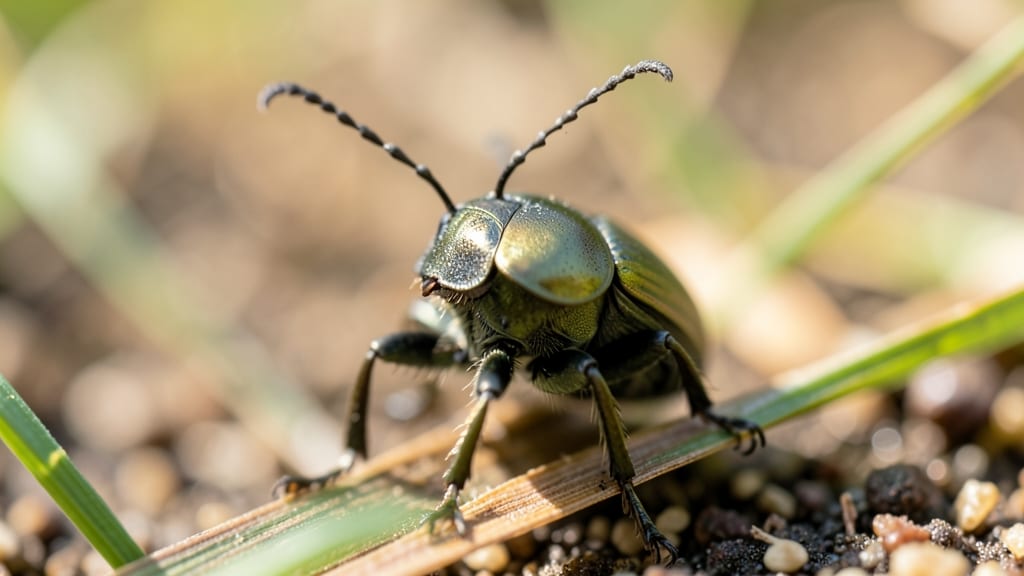
Your lawn's chewed-up patches aren't just bad luck—they're lawn grub beetle larvae feasting underground. 🌱 I've seen these pests turn a lush green yard into a brown mess overnight, but there's a fast way to tackle them without harsh chemicals.
The key is acting quickly when you spot the damage, because once they're established, they multiply like crazy.
These grubs—white, C-shaped, and about an inch long—thrive in moist soil, munching on grass roots until the lawn looks like it's suffering from drought. The damage starts in late summer, peaks in fall, and often goes unnoticed until you're left with thin patches that pull up like carpet.
The good news? You can spot them by lifting a section of sod—if you see more than five grubs per square foot, it's time to act.
What you'll achieve is a lawn that recovers within 2-3 weeks of treatment, with fewer brown patches and stronger grass roots.
The method I'll share works fast, but the real win is learning how to keep them from coming back—because prevention is where you save the most time (and money) in the long run.
Whether you're dealing with a small section or a full yard, this approach adapts to different lawn sizes. The secret lies in timing, tools, and a little elbow grease—no fancy equipment needed. Let's get those grubs out of your lawn for good.
Root Causes Of Lawn Grubs
Lawn grubs—those sneaky, worm-like larvae of beetles—can turn your lush green grass into a patchy, brown eyesore faster than you’d think. But why do they suddenly become a problem?
It’s not just bad luck; these pests thrive when specific conditions align. Here’s a breakdown of the key triggers that turn your lawn into their all-you-can-eat buffet.
Grubs love a soft, moist environment—almost like a five-star hotel for larvae. When your lawn gets too much water or excessive nitrogen-rich fertilizer, the grass roots grow shallow, creating the perfect hiding spot for grubs. Here’s how it plays out:
- Excess moisture: Grubs can’t survive in dry soil, but overwatering (especially in warm weather) keeps the topsoil damp, encouraging beetles to lay eggs. Think of it like a spa day for pests—warm, wet, and inviting.
- Rich, soft soil: Fertilizers with high nitrogen (like quick-release lawn foods) promote rapid grass growth, but the tender new roots are grub snacks. The softer the soil, the easier it is for larvae to burrow and feed.
- Thatch buildup: A thick thatch layer (dead grass and debris) traps moisture and blocks sunlight, creating a grub-friendly microclimate right at the soil surface.
💡 Pro Tip: If your lawn feels spongy when you walk on it (like a trampoline), that’s a red flag—grubs are likely feasting below. Test by lifting a small patch of turf; if it peels up easily, grubs may be present.
Grubs don’t appear out of nowhere—they’re the offspring of adult beetles, and these insects are seasonal opportunists. Their life cycle is tightly linked to temperature, and when conditions are just right, they swarm and reproduce like crazy.
- Spring and summer heat: Adult beetles (like Japanese beetles or June bugs) emerge in late spring to early summer when temperatures hit 70–85°F (21–29°C). Females lay eggs in compacted, moist soil, and within weeks, those eggs hatch into grubs.
- Drought followed by rain: A dry spell hardens the soil, making it easier for beetles to lay eggs. Then, when sudden heavy rain softens the ground, grubs get the perfect environment to thrive.
- Newly seeded lawns: Freshly planted grass is grub magnets because the soil is loose and nutrient-rich—ideal for egg-laying. Beetles can detect these areas from yards away!
🌡️ Watch for these signs:
- Adult beetles chewing leaves (especially roses, grapes, or linden trees).
- Grubs appearing in late summer or early fall after warm, wet conditions.
- Birds or skunks digging up your lawn—they’re after the grubs!
Grubs don’t just randomly appear—they target weak spots in your lawn. Compacted soil (from foot traffic, pets, or heavy machinery) creates the ideal conditions for their survival:
- Reduced oxygen: Compacted soil lacks aeration, making it harder for grass roots to thrive. Grubs love this because they can burrow deeper without competition.
- Easier egg-laying: Beetles prefer to lay eggs in soft, disturbed soil where larvae can quickly establish themselves. Think of it like planting seeds in a garden bed—loose soil = easy digging.
- Poor drainage: Compacted areas often hold water, creating the moist, anaerobic conditions grubs crave. This is why problems often start near driveways, walkways, or heavily used areas.
🔥 How to check: Perform a soil compaction test—push a screwdriver into the ground. If it won’t go in easily (more than 2 inches), your lawn is compacted and at risk.
A healthy lawn is naturally resistant to grubs because thick, deep roots make it hard for larvae to feed. But when grass is stressed, grubs move in like vultures.
- Drought stress: Dry spells weaken grass, making roots easier to chew. Grubs target these vulnerable spots first.
- Disease or pest damage: If your lawn already has fungus (like brown patch) or other insects (like chinch bugs), the weakened grass becomes a grub buffet.
- Improper mowing: Cutting grass too short stresses the roots, while leaving clippings too long can smother the soil, creating grub-friendly conditions.
🌿 Actionable fix: If your lawn is already struggling, aerate and overseed to strengthen roots before grubs become a problem. Healthy grass = fewer grub snacks!
Simple Fixes for Lawn Grub Damage
Now that you understand what’s causing those unsightly patches and brown spots in your lawn, it’s time to take action. Whether you’re dealing with a mild infestation or a full-blown grub crisis, these targeted solutions will help you reclaim your green space—without breaking the bank or resorting to harsh chemicals.
If you’ve spotted small, irregular patches of dead grass (often with a spongy feel when stepped on), grubs are likely the culprit. Here’s how to tackle them fast:
🍳 Boiling Water Spot Treatment (Fast & Chemical-Free)
Grubs hate heat, and boiling water delivers a quick, targeted kill. 1. Identify the affected spots – Look for patches where grass pulls up easily or feels soft underfoot.
- Boil 1–2 gallons of water – Use a large pot or kettle (safety first!).
- Slowly pour the boiling water – Focus on the roots where grubs hide, about 2–3 inches deep.
- Repeat in 3–5 days – This ensures you catch any surviving grubs before they pupate.
- Reseed the area – Once the grubs are gone, rake the soil and sow fresh grass seed.
✨ Pro Tip: Do this on a calm day to avoid splashing hot water on yourself or nearby plants.
For larger infestations, you’ll need a more comprehensive approach. Here’s how to choose the right method:
🌱 Natural Predators: Let Nature Do the Work
Encourage grubs’ natural enemies to move in: - Release beneficial nematodes – Microscopic worms like Heterorhabditis bacteriophora seek out grubs and kill them.
Apply in the evening when soil is moist. - Attract birds & toads – Leave some bare soil or shallow water sources to lure grubs’ predators. - Plant grub-resistant grasses – Tall fescue and Kentucky bluegrass are less appealing to beetles than Bermuda or St. Augustine.
💊 Chemical Solutions: When Organic Isn’t Enough
If your lawn is severely damaged, targeted pesticides can help: - Apply grub-specific insecticides – Look for products containing imidacloprid, chlorantraniliprole, or trichlorfon.
Follow label instructions for timing (usually late spring/early summer). - Use granular treatments – Spread evenly over the lawn and water lightly to activate. - Reapply as needed – Some grubs may survive, so check for signs of regrowth after 2–3 weeks.
🔥 Warning: Avoid overusing chemicals—this can harm beneficial insects and disrupt your lawn’s ecosystem.
The best defense is a good offense. Keep your lawn grub-free with these simple steps:
🌡️ Maintain Healthy Soil & Grass Grubs thrive in weak, overwatered lawns.
Keep yours strong: - Water deeply but less often – 1–1.5 inches per week (early morning is best). - Mow high (3–4 inches) – Taller grass shades out weeds and discourages beetles. - Aerate compacted soil – Use a core aerator in spring or fall to improve drainage and root health.
🎯 Disrupt Their Life Cycle
Break the beetle-grub cycle with these tricks: - Apply milky spore powder – A natural bacteria (Bacillus popilliae) that targets Japanese beetle grubs.
Takes 2–3 years to fully establish but lasts decades. - Use grub-repelling plants – Marigolds, catnip, and tansy deter beetles with their strong scents. - Clean up beetle hotspots – Remove fallen fruit, overripe veggies, and compost piles where adult beetles gather.
⏰ Timing Is Everything
- Monitor adult beetles – If you see them in June/July, treat the lawn in late summer (when grubs are young and vulnerable).
- Test for grubs in fall – Dig up a small section of sod; if you find more than 5–10 grubs per square foot, act fast.
By combining spot treatments, organic controls, and smart prevention, you can outsmart grubs and keep your lawn lush all season. Start with the fixes that match your lawn’s current state, and soon you’ll be enjoying a thriving green space—grub-free!
Frequently asked questions
How do I know if my lawn damage is from grubs or another issue?
Look for grass that pulls up easily (like sod) and a spongy feel underfoot—classic grub signs. If you see brown patches with no sponginess, it might be drought, disease, or chinch bugs. Dig up a small section: if you find white, C-shaped larvae (grubs), that confirms your problem.
Can boiling water really kill grubs, or will it just move them deeper?
Boiling water works because grubs can't survive sudden heat exposure—they'll die on contact. The key is applying it directly to the root zone (2-3 inches deep) where they hide. Repeating every 3-5 days ensures you catch any survivors before they pupate into beetles.
What's the best time of year to treat for grubs?
Late summer to early fall is ideal when grubs are young and vulnerable. Target treatment after you see adult beetles (June/July) but before they pupate. For chemical controls, follow product timing—usually late spring/early summer when beetles lay eggs.
Are there any plants that naturally repel grub beetles?
Yes! Marigolds, catnip, and tansy release strong scents that deter adult beetles from laying eggs. Plant these around your lawn's perimeter or in garden beds. You can also try nematode-releasing plants like nematode-friendly grasses to create a natural defense system.
How long does it take to see results after treating for grubs?
With boiling water spot treatment, you should see improvement in 2-3 weeks as new grass roots establish. For chemical treatments, results appear in 1-2 weeks but may require reapplication. Natural methods like nematodes take longer (4-6 weeks) but provide ongoing protection.