
Lawn
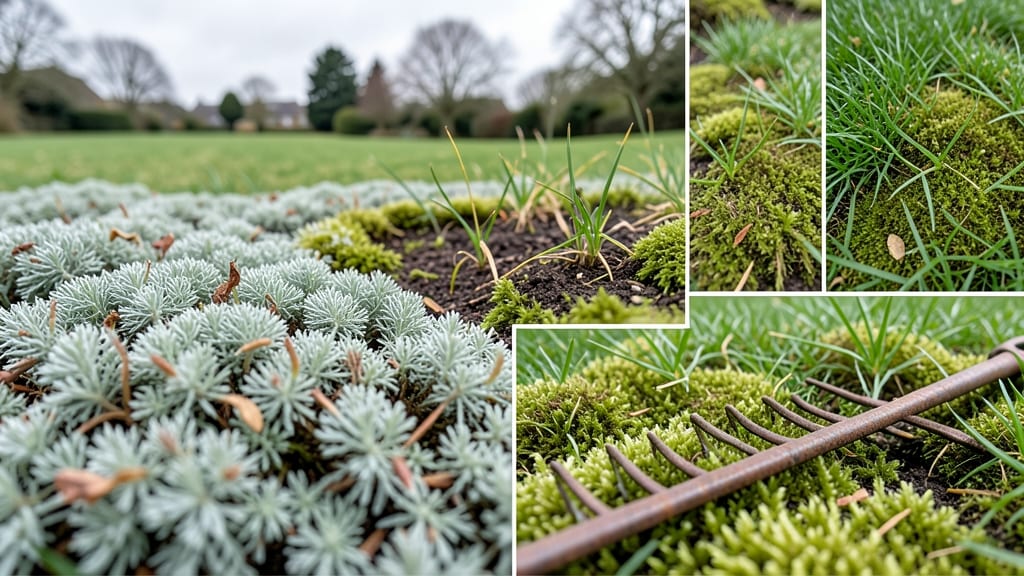
A lawn full of moss means your grass is struggling—not because you're failing, but because your lawn needs a different approach. Moss thrives where grass can't: in shady, acidic, or compacted soil.
The good news? You can transform this into a lush, healthy lawn by understanding the science behind it and making targeted adjustments.
Moss spreads because it loves moisture, low light, and thin grass. It doesn’t need roots or nutrients like grass does, so it outcompetes struggling lawns. The first step is improving drainage—moss thrives in soggy conditions, while grass prefers well-draining soil.
Aerating in the fall and top-dressing with compost can help break up compacted soil and create a better environment for grass.
Instead of fighting moss with harsh chemicals, focus on planting shade-tolerant grasses like fine fescue or creeping red fescue. These varieties thrive in cooler, damp conditions and outcompete moss naturally. Over time, you’ll see thicker grass that crowds out moss and restores a vibrant lawn.
This isn’t about eradicating moss completely—it’s about creating a lawn that moss can’t dominate. With the right grass, soil adjustments, and consistent care, you’ll have a lawn that stays green, even in shady spots. Let’s get started on the right approach.
Shady Secrets Behind Moss Growth
If your lawn looks more like a lush, emerald carpet of moss than a vibrant grassy space, you’re not alone—moss thrives where grass struggles. But why does it take over in the first place?
The answer lies in a mix of environmental factors that create the perfect conditions for these tiny, resilient plants. Let’s break down the science behind why moss dominates in certain lawns.
Moss loves moisture—so much so that it can’t survive in dry conditions. When your lawn has compacting soil or sits in low-lying areas where water pools, excess moisture creates the ideal breeding ground for moss.
Unlike grass, which needs well-draining soil to avoid root rot, moss thrives in permanently damp environments.
Here’s the science: Moss spores land on soil and germinate when moisture levels stay consistently high.
If your lawn stays soggy for weeks (or even days), moss will outcompete grass roots, which suffocate in waterlogged conditions. Test your drainage by walking across your lawn—if your footprints linger for more than 15 minutes, you’ve got a drainage issue.
Actionable fix: Improve drainage with sand topdressing or by aerating compacted areas to let water escape.
Grass needs sunlight—at least 4-6 hours of direct sun daily to photosynthesize and grow. But moss? It’s a shade-loving opportunist. Trees, buildings, or even dense shrubbery can cast enough shade to weaken grass, leaving bare spots where moss moves in.
The problem isn’t just lack of light—it’s the acidic, nutrient-poor soil that often accompanies shaded areas. Grass struggles to break down organic matter in low-light conditions, while moss releases enzymes that acidify the soil further, creating a self-perpetuating cycle.
Actionable fix: Thin out overhanging branches or plant sun-loving ground covers to block moss while letting grass recover.
Most lawn grasses prefer a neutral to slightly alkaline pH (6.0–7.5), but moss? It loves acidity, thriving in soils with a pH below 5.5. Over time, fallen leaves, pine needles, and organic debris can lower your soil’s pH, making it hospitable for moss while stunting grass growth.
Why does this happen? Decomposing organic matter releases humic and fulvic acids, which acidify the soil. If your lawn is already thin, exposed soil absorbs even more acidity, creating a feedback loop where moss spreads unchecked.
Actionable fix: Test your soil’s pH with a home kit and apply lime (to raise pH) if levels drop below 6.0. Avoid over-fertilizing with acidic amendments like peat moss.
Moss doesn’t just appear out of nowhere—it moves in where grass retreats. If your lawn is sparse due to disease, pests, or poor maintenance, bare patches become prime real estate for moss spores. Once established, moss smothers grass by blocking sunlight and stealing nutrients.
The cycle starts when grass weakens (from drought, foot traffic, or poor soil), leaving gaps. Moss spores, always floating in the air, land and germinate in these open spaces. Before you know it, your lawn looks like a velvet moss blanket instead of a green carpet.
Actionable fix: Overseed bare spots with shade-tolerant grass varieties (like fine fescue) and improve soil health with compost to crowd out moss.
Moss isn’t just a cosmetic issue—it’s a symptom of deeper lawn health problems. By addressing drainage, sunlight, soil pH, and grass density, you can starve out moss and restore a lush, grass-dominated lawn. Next up: How to Kick Moss to the Curb.
Revive Your Lawn Naturally
A lawn blanketed in moss isn’t just unsightly—it’s a sign your grass is struggling to thrive. But don’t worry! With the right approach, you can restore a lush, green lawn while preventing moss from taking over again.
Below, we’ve mapped out practical, step-by-step solutions tailored to the root causes of moss growth, from poor drainage to excessive shade. Plus, we’ll share prevention tips to keep your lawn healthy long-term.
If moss has taken over because your lawn lacks sunlight or has compacted soil, these steps will help break the cycle:
🔥 Loosen the Soil & Improve Aeration Moss thrives in dense, waterlogged soil.
To fix this: - Rent or use a core aerator (or a garden fork) to create holes in the soil, allowing air, water, and nutrients to penetrate deeper. - Rake out debris (like thatch or moss) before aerating for best results. - Follow up with topdressing: Mix sand, compost, or a slow-release fertilizer (like 10-10-10) into the holes to improve drainage and soil structure.
🌿 Overseed with Moss-Resistant Grass Not all grass loves shade—but some do!
Choose shade-tolerant varieties like: - Fine fescue (deep roots, handles low light) - Creeping red fescue (drought-resistant, stays green) - Kentucky bluegrass (if your area gets some sun) Pro Tip: 💡 Seed in early fall when temperatures are cool—this gives grass a strong start before winter.
☀️ Maximize Sunlight (If Possible)
- Trim overhanging tree branches to let more light reach the ground.
- If trees are permanent, consider planting sun-loving perennials or shrubs around the mossy areas to create a natural transition.
Moss loves soggy conditions. If your lawn stays wet for too long:
🔪 Improve Drainage with These Tricks
- Grade your yard: Ensure water flows away from your house and lawn. A slight slope (1 inch per 10 feet) helps.
- Install French drains if water pools in low spots.
Bury a perforated pipe surrounded by gravel to redirect water. - Add organic matter: Spread 3-4 inches of compost or peat moss (not to be confused with the invasive kind!) to help soil absorb water better.
🌡️ Adjust Watering Habits
- Water deeply but less often—moss thrives in constantly damp soil. Aim for 1-1.5 inches per week, then let the soil dry slightly between waterings.
- Water in the morning to reduce evaporation and fungal growth.
If moss has already spread, you’ll need to eliminate it safely without damaging your lawn.
🧼 Use Natural Moss Killers
- Iron sulfate or ferrous sulfate (best for lawns): Sprinkle granules on mossy areas, water lightly, and let it work for 24-48 hours.
Moss turns brown and dies within a week. - White vinegar spray (for small areas): Mix 1 gallon vinegar + 1 oz dish soap in a sprayer.
Apply on a dry, sunny day—this kills moss but may also harm grass, so use sparingly. - Hydrogen peroxide (3%): Spray undiluted on moss (test a small area first). It breaks down into water and oxygen, leaving no residue.
👨🍳 Manual Removal (For Stubborn Patches)
- Pull moss by hand when soil is damp (it lifts easier).
- Use a stiff rake or moss scraper to loosen and remove thick layers.
- Solarize the area: Cover moss with clear plastic sheeting for 4-6 weeks in hot sun—this bakes moss out of the soil.
Once you’ve cleared moss, keep it from coming back with these long-term strategies:
| Problem | Solution | When to Do It |
|---|---|---|
| Shade | Plant tall shrubs or trees away from the lawn to filter light gently. | Spring or fall planting season |
| Compacted Soil | Aerate once a year (fall is best). | Early fall or spring |
| High Moisture | Improve drainage with sand or compost topdressing. | After heavy rain or spring |
| Acidic Soil (pH < 5.5) | Apply lime (pelletized or granular) to raise pH to 6.0-7.0. | Early fall or spring |
| Thin Grass | Overseed bare spots with shade-tolerant grass or clover. | Early fall |
💡 Pro Tip: Mow high (3-4 inches) to shade out moss and encourage deep grass roots. A thicker lawn crowds out weeds and moss!
If moss is a recurring issue in certain spots, replace it with ground covers that outcompete it:
- Clover (fixes nitrogen, stays green in shade)
- Creeping thyme (drought-resistant, fragrant)
- Sedum (stonecrop) (handles dry shade well)
By tackling the specific conditions that let moss thrive, you’ll not only clear it out but also build a lawn that stays lush and resilient. Start with one or two fixes, monitor progress, and adjust as needed—your grass will thank you! 🌿💚
Frequently asked questions about mossy lawns
Why does moss grow better than grass in my yard?
Moss thrives where grass struggles—shady, damp, or compacted areas. Unlike grass, moss doesn’t need sunlight or deep roots, making it the perfect opportunist in acidic, waterlogged soil. Test your drainage by walking across your lawn: if footprints linger for 15+ minutes, you’ve got a drainage issue that favors moss over grass.
Will raking moss out of my lawn make it come back?
Raking removes the visible moss, but it won’t stop new growth unless you fix the underlying conditions. After removal, improve drainage, aerate compacted soil, and overseed with shade-tolerant grass like fine fescue to crowd out moss. Without these steps, spores in the air will quickly repopulate bare spots.
Is moss harmful to my lawn or garden?
Moss itself isn’t harmful, but it’s a sign of deeper lawn health issues. It smothers grass by blocking sunlight and steals nutrients from the soil. Over time, this creates a cycle where moss spreads while grass weakens. The real problem isn’t the moss—it’s the acidic, waterlogged conditions it thrives in.
Can I use vinegar to kill moss in my lawn?
White vinegar can kill moss, but it’s risky for grass. Mix 1 gallon vinegar + 1 oz dish soap and spray on a dry, sunny day—this kills moss but may also damage nearby grass. For safer results, use iron sulfate (lawn-safe) or hydrogen peroxide (3%) instead. Always test a small area first!
How often should I aerate to prevent moss?
Aerate once a year, ideally in early fall, to break up compacted soil and improve drainage. This helps grass roots grow deeper while making conditions less hospitable for moss. Follow up with compost topdressing to further enhance soil structure and nutrient availability.