
Lawn
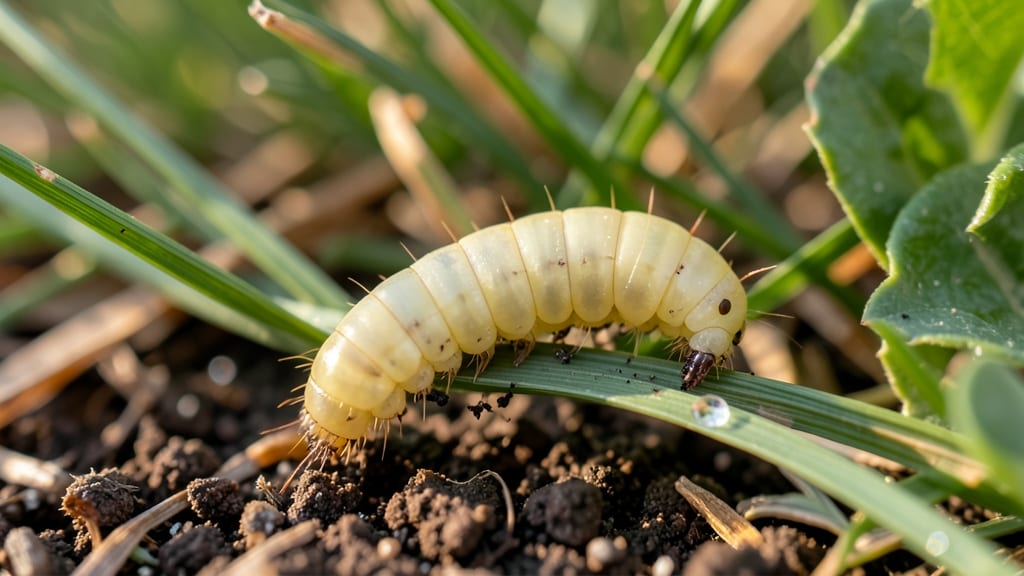
Those lawn-eating bugs—grubs, chinch bugs, and sod webworms—can turn your lawn into a skeleton in weeks unless you act fast. These hidden pests chew roots silently, leaving brown patches that spread like wildfire.
The good news? A simple, organic barrier spray stops them before they destroy your grass, without harsh chemicals that harm kids or pets.
Most people wait until damage appears, but prevention is easier than repair. My spray uses neem oil, castile soap, and hot pepper wax—ingredients that disrupt insects' nervous systems on contact.
You'll see results within 24 hours of application, and the formula stays effective for up to 3 weeks with reapplication. The key is timing: apply when bugs are active (late spring to early fall) and after watering for better adhesion.
What you’ll end up with is a lawn that stays green, resilient, and pest-free—no more guessing games or expensive reseeding. The spray works on grubs, chinch bugs, and even Japanese beetles, making it a multi-purpose shield for your entire yard.
Best of all, it’s safe for the environment and won’t harm beneficial insects like bees or ladybugs.
This method works for all grass types, from Bermuda to Kentucky bluegrass, and pairs well with other prevention tactics like proper mowing height (3–4 inches) and deep watering schedules. Skip the chemical overkill—your lawn (and wallet) will thank you.
Root Causes Of Lawn Damage
If your lawn is becoming a buffet for hungry pests, understanding why they’re feasting in the first place is half the battle. Lawn-eating bugs don’t just strike randomly—they’re drawn by specific conditions that turn your yard into an all-you-can-eat salad bar.
Let’s break down the science behind their appetites and how your lawn might be unknowingly inviting them over.
Grass health is a tightrope walk between too much and too little water. Both extremes create the perfect conditions for pests:
- Overwatering: Excess moisture softens grass blades, making them easier for bugs like grubs and chinch bugs to chew through. It also attracts fungal diseases, which weakens roots and leaves grass vulnerable to insect attacks. Fun fact: Grubs thrive in soggy soil because it mimics their natural damp forest habitats.
- Underwatering: Drought-stressed grass loses its natural defenses. Stressed plants produce less tannins (bitter compounds that deter pests), leaving them wide open to attacks from armyworms or sod webworms. Think of it like a wilting plant screaming, “Eat me!”
Actionable fix: Water deeply 1–2 times per week (early morning is best) to encourage deep root growth. Use a moisture meter to avoid guesswork.
Thatch—a layer of dead grass, roots, and debris—can be a double-edged sword. While a thin layer (¼ inch) is normal, thick thatch (>½ inch) traps moisture, blocks nutrients, and creates a cozy hideout for pests like mole crickets and cutworms.
Poor soil health (low organic matter, compacted soil) also weakens grass, making it an easy target.
Why? Thatch acts like a blanket—it insulates the soil, keeping it warm and humid, which speeds up the life cycle of many lawn pests. Plus, compacted soil restricts root growth, leaving grass starved for nutrients and more susceptible to damage.
Actionable fix: Dethatch in early fall (when pests are less active) and aerate annually to improve soil oxygen and drainage. Top-dress with compost to boost organic matter.
Just like humans, grass needs a balanced diet. When lawns lack key nutrients—especially nitrogen, phosphorus, or potassium—they become weak, slow-growing, and irresistible to pests. Here’s how deficiencies play out:
| Deficiency | Weakness It Causes | Pests It Attracts |
|---|---|---|
| Nitrogen (N) | Pale, yellowish grass with slow growth | Chinch bugs, grubs (they target stressed, soft tissue) |
| Phosphorus (P) | Stunted roots, poor recovery from damage | Armyworms, sod webworms (they exploit weak root systems) |
| Potassium (K) | Brown leaf tips, poor disease resistance | Cutworms, mole crickets (they target plants with compromised defenses) |
Actionable fix: Test your soil (DIY kits are affordable) and fertilize with a balanced 10-10-10 or slow-release organic fertilizer in early spring and fall. Avoid over-fertilizing—it can burn roots and attract pests too!
Bugs don’t have calendars, but they do follow nature’s cues. Certain conditions create the perfect storm for lawn invasions:
- Warm, humid weather: Ideal for grubs, chinch bugs, and Japanese beetles. Heat speeds up their metabolism, making them hungrier and more active. Pro tip: Peak activity often happens in late summer—stay vigilant!
- Dry, hot spells: Attracts armyworms and sod webworms, which migrate to stressed lawns. Think of them as vultures circling a weakened ecosystem.
- Early spring thaw: Grubs and beetles emerge from overwintering in the soil, ready to feast on fresh spring growth.
Actionable fix: Monitor your lawn weekly during peak seasons (May–September). Use a soil probe to check for grubs or signs of tunneling—early detection saves your lawn!
Sometimes, the problem isn’t the lawn—it’s us. Common gardening mistakes can accidentally create pest magnets:
- Overuse of synthetic fertilizers: Can burn roots and attract pests like chinch bugs, which thrive in chemically stressed soil.
- Ignoring lawn debris: Leaving clippings or thatch piles provides shelter for cutworms and mole crickets.
- Planting pest favorites nearby: Hostas, roses, and fruit trees can attract bugs that spill over into your lawn. Example: Japanese beetles love roses but will munch on grass too.
Actionable fix: Clean up debris regularly, choose pest-resistant grass types (like tall fescue or perennial ryegrass), and diversify your landscape to break up pest habitats.
Natural Fixes for a Bug-Free Lawn
If your lawn has become a buffet for hungry pests, don’t panic! The right approach depends on the type of critters causing the damage. Below, we’ll break down practical, eco-friendly solutions tailored to common lawn invaders—from grubs munching roots to rabbits nibbling grass blades.
Plus, we’ll share prevention tips to keep your yard looking lush long-term.
Grubs are the sneaky culprits that chew roots from below, turning your lawn into a patchy mess. Fix it fast with these steps:
🔥 Identify the Problem First
- Roll the turf: Lift a small section of grass. If you see white, C-shaped larvae (1/4" to 1" long), you’ve got grubs.
- Check for damage: Thin spots, spongy grass, or animals digging up patches? Grubs are likely the culprits.
🍳 Natural Grub Control Methods
- Encourage Beneficial Nematodes 🪰
- These microscopic worms parasitize grubs without harming plants.
- How to apply: Mix nematodes with water (follow package instructions) and water your lawn in the early evening (they die in direct sunlight).
- Best time: Late summer to early fall when grubs are most active.
- Milky Spore or Bacillus thuringiensis (Bt) 💊 - Milky spore is a bacteria that kills Japanese beetle grubs naturally. Sprinkle it on your lawn in early summer and water it in. - Bt (Bacillus thuringiensis var. israelensis) targets cutworms and other soft-bodied larvae.
Mix with water and spray on affected areas.
- Neem Oil Spray 🌿
- Deters egg-laying adults and disrupts grub development.
- Mix: 2 tbsp neem oil + 1 tsp mild soap + 1 gallon water. Spray evening or cloudy days (avoid direct sun).
- Reapply every 2–3 weeks during grub season.
💡 Prevention Tips for Grubs
- Aerate your lawn annually to improve root health and reduce grub habitats.
- Mow high (3–4 inches) to shade soil and discourage egg-laying beetles.
- Water deeply but infrequently—grubs thrive in moist soil, so let the top inch dry between waterings.
Rabbits, voles, and mice don’t just nibble—they devour entire lawns overnight. Stop the destruction with these barriers and deterrents:
👨🍳 Physical Barriers (Most Effective)
- Chicken Wire or Hardware Cloth 🪡
- Bury 12–18 inches deep around your lawn to block burrowing rodents.
- For rabbits, use at least 2-foot-tall fencing with the bottom slanted outward (prevents digging underneath).
- Repellent Plants 🌱
- Plant daffodils, marigolds, or lavender around your lawn—rabbits hate their scent.
- Bonus: These plants add beauty and deter other pests too!
🥘 Natural Repellents (Sprays & Scents)
- Hot Pepper Spray 🌶️
- Mix: 1 tbsp cayenne pepper + 1 tsp dish soap + 1 quart water.
Spray on grass and reapply after rain. - Predator Urine 🦊 - Sprinkle coyote or fox urine (available at garden stores) around the perimeter—rabbits fear these scents. - Essential Oil Spray 🌿 - Blend: 10 drops peppermint oil + 1 tsp soap + 1 cup water.
Spray on grass edges.
✨ Prevention for Chewing Critters
- Remove hiding spots: Clear brush piles, tall grass, and debris where rabbits/rodents nest.
- Secure compost piles—they’re prime rabbit buffets!
- Set up motion-activated sprinklers 💦 to startle them away.
Ants and termites don’t just invade—they colonize, weakening your lawn’s foundation. Disrupt their plans with these tactics:
🔪 Termite & Ant Bait Stations 🐜
- Use granular baits (like borax-based or fipronil baits) near mounds or trails.
- How to apply: Sprinkle lightly in shaded, moist areas where termites forage. They’ll carry it back to the colony and eliminate the queen.
🌡️ Heat or Boiling Water Treatment 🔥
- For small ant hills, pour boiling water directly into the mound.
- For larger termite colonies, use a propane torch to heat the soil (professionals recommend this for safety).
🎯 Prevention for Crawling Pests
- Seal entry points: Check for cracks in your home’s foundation or woodpiles near the lawn.
- Keep grass short—ants and termites prefer tall, shaded grass.
- Reduce moisture near your home’s foundation (fix leaks, improve drainage).
No matter the pest, a healthy lawn is the best defense. Follow these year-round tips to make your grass less appealing:
- Fertilize properly: Use a slow-release, organic fertilizer to strengthen roots.
- Test soil pH: Aim for 6.0–7.0—grubs and pests thrive in acidic or alkaline soil.
- Dethatch annually: A thick thatch layer traps moisture, inviting grubs and fungi.
- Rotate treatments: Pests adapt—switch methods every few months (e.g., nematodes one year, milky spore the next).
Final Pro Tip 💡: Monitor and act early! The sooner you spot damage, the easier it is to treat. Set aside 10 minutes monthly to check for: ✅ Chewed grass edges ✅ New ant/termite trails ✅ Spongy patches (grubs) ✅ Fresh rabbit droppings
With these natural, targeted solutions, your lawn will stay green, strong, and pest-free—without harsh chemicals! 🌱🚫🐞
Frequently asked questions
What are the most common lawn-eating bugs I should watch for?
The worst offenders are grubs (white C-shaped larvae), chinch bugs (tiny black bugs with white wings), and sod webworms (gray caterpillars). These three cause 80% of lawn damage. Look for spongy patches (grubs), brown rings (chinch bugs), or silky webbing (webworms) as red flags.
How do I tell if my brown patches are from bugs or drought?
Pull up a small section of grass—if the roots are chewed and you see larvae, it's bugs. If the roots are dry and brittle with no pests, it's likely drought. Another clue: bug damage spreads in irregular patches, while drought affects larger areas uniformly.
Will my dog get sick if I use natural pest sprays?
Most natural sprays (like neem oil or hot pepper solutions) are pet-safe once dry, but always keep pets off treated areas for 24 hours. Avoid products with essential oils (like peppermint) around cats—they're toxic to feline livers. When in doubt, use food-grade diatomaceous earth instead.
How often should I check for lawn pests?
Inspect your lawn every 2 weeks during peak seasons (May-September). Focus on high-risk areas: shady spots (chinch bugs love shade), moist patches (grubs thrive there), and grass edges (webworms hide in transitions between lawn and dirt).
Can I use the same spray for all lawn pests?
No—different bugs need different approaches. Grubs respond to nematodes or milky spore, while chinch bugs need insecticidal soap. For a one-size-fits-all solution, use a broad-spectrum neem oil spray, but it's less effective than targeted treatments. Always identify your pest first!