
Lawn
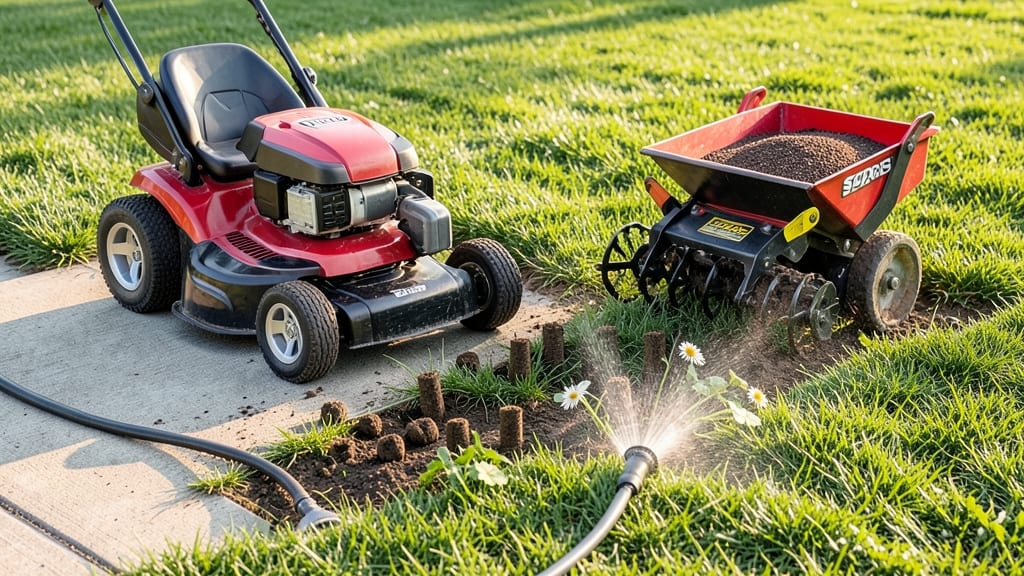
Lawn care in Washington DC can turn your summer lawn into a crispy brown patch unless you take the right steps. 🌱 I’ve spent years battling brown patch fungus and chinch bugs here—until I discovered the heat-resistant grasses and soil tweaks that actually work in our clay-heavy, humid climate.
The difference between a struggling lawn and a lush one often comes down to three simple adjustments: the right grass type, proper watering timing, and knowing when to let the soil dry out.
Most DC lawns fail because they’re planted with the wrong grass—cool-season varieties like Kentucky bluegrass wilt under our summer heat. Instead, tall fescue or zoysia thrive here, staying green when others brown out. The secret weapon?
Amending that stubborn clay soil with compost or sand to improve drainage. I’ve seen lawns transform in just one season after this switch, with fewer fungal spots and no more summer wilting.
You’ll notice the change within 4-6 weeks: deeper green blades, fewer brown patches, and grass that bounces back from foot traffic. The key is watering deeply twice a week in summer (early morning only) and mowing at 3-4 inches to shade the roots.
DC’s clay soil holds moisture like a sponge, so letting it dry slightly between waterings prevents fungal diseases that love damp conditions.
For local help, check the DC Department of Energy & Environment guidelines or schedule a soil test through University of Maryland Extension—they’ll tell you exactly what your lawn needs.
This isn’t just about making your grass look better; it’s about building a lawn that survives DC’s extremes without constant struggle. Let’s get that turf thriving.
📚 In This Guide
- What you need
- Instructions
- Tips and common mistakes
- Wrapping up and next steps
What you need
- ● Heat-resistant grass seed: 10–20 lbs of Zoysia or Tall Fescue (best for DC’s climate)
- ○ Optional: Buffalo Grass (drought-tolerant but slower-growing)
- ● Soil amendments: 5–10 lbs of compost (per 100 sq. ft.)
- ● Slow-release fertilizer (16-4-8 or 12-12-12 NPK ratio)
- ● Gypsum (if soil is clay-heavy)
- ● Tools: Lawn mower (adjustable to 2.5–3.5 inches for heat resistance)
- ● Rake (bow or leaf rake for debris)
- ● Garden hose or sprinkler (with even water distribution)
- ● Hand trowel or broadcast spreader (for seeds)
- ● Mulching fabric (to retain moisture in new seed)
- ● Soil pH tester (ideal range: 6.0–7.0)
- ● Organic weed killer (pre-emergent for summer weeds)
- ● Lawn aerator (if soil is compacted)
- ● Shade cloth (for seedlings if full sun is intense)
Step-by-step guide to reviving your Washington DC lawn
DC’s brutal summers can turn lush grass into a crispy mess—but with the right approach, you can bring it back to life.
☀️ Step 1: Assess and Adjust Watering for DC’s Humidity
Washington DC’s 90°F+ heat and high humidity demand a smarter watering routine. Water deeply 2-3 times per week (early morning, before 8 AM) instead of daily shallow sprinkles. You’ll know you’re doing it right when water penetrates 4-6 inches deep—stick a screwdriver in the soil to check.
Overwatering is the #1 mistake here. If your lawn feels soggy to the touch or puddles linger, cut back immediately. DC’s clay-heavy soil holds moisture like a sponge, and too much water suffocates roots. Let the top 1 inch dry out between waterings—this builds drought resistance.
🌱 Step 2: Mow High and Sharpen Your Blade
Set your mower to 3-4 inches—taller grass shades the soil, reducing moisture loss. I know it looks wild, but this is how you beat DC’s heat. Never remove more than ⅓ of the blade height in one mowing, or you’ll stress the grass. Dull blades tear grass instead of cutting cleanly, inviting disease.
Sharpen your mower blade before you start—a clean cut heals faster. Walk across your lawn after mowing: if the grass feels rough underfoot, it’s time to sharpen. Bag your clippings the first few times to avoid thatch buildup, then switch to mulching once the grass recovers.
💧 Step 3: Feed and Aerate for DC’s Compacted Soil
DC’s heavy foot traffic and clay soil compact over time, choking roots. Rent a core aerator (or hire one) to pull 3-4 inch deep plugs across the lawn in late spring. You’ll see the difference immediately—water and nutrients finally reach the roots instead of sitting on top.
After aerating, apply a slow-release, heat-tolerant fertilizer (look for high potassium to strengthen roots). Spread it evenly over the aeration holes, then water deeply. Avoid quick-release fertilizers—they burn grass in this heat. I like to fertilize in early morning or late evening when temps drop below 85°F.
✂️ Step 4: Spot-Treat Weeds and Bare Patches
Crabgrass and clover thrive in DC’s heat, but you can outsmart them. Pull weeds by hand when the soil is moist (they come up easier). For stubborn patches, use a selective herbicide (like 2,4-D) on weeds only—never the whole lawn. Always follow the label’s wait time before mowing again.
For bare spots, overseed with tall fescue or zoysia grass—both handle DC’s heat and humidity better than Kentucky bluegrass. Sprinkle seed lightly over the area, then cover with a thin layer of straw (not hay—it contains weed seeds). Keep the soil moist until germination (about 7-10 days), then taper off to normal watering.
🪴 Step 5: Protect and Maintain for Long-Term Resilience
Shade your lawn with lightweight shade cloth if temps hit 95°F+ for more than a few days. Even heat-tolerant grasses need a break. I’ve seen lawns recover from near-death in DC by giving them this one-week respite during heatwaves.
Finally, test your soil pH (aim for 6.0-7.0) and adjust with lime or sulfur if needed. DC’s alkaline soil often needs a boost. Once your lawn is revived, stick to monthly feedings in spring/fall and minimal summer watering—your grass will thank you with deep roots and vibrant green color.
Tips & tricks for perfect DC lawn revival in humid heat
DC’s summer heat turns lawns into crispy carpets—but these tricks will help you revive even the most parched patches.
Timing is Everything: Those early morning waterings (before 8 AM) are non-negotiable. If you water in the afternoon, up to 40% of the water evaporates before it even reaches the roots. I set my sprinklers to run for 20-30 minutes per zone to ensure that 4-6 inch penetration. Pro tip: Use a rain gauge to measure—you’ll be shocked how little actually soaks in during those quick sprinkles.
Mowing Secrets for DC Grass: That 3-4 inch height isn't just about looks—it’s a heat shield. Taller grass blocks 30% more sunlight from baking the soil. And here’s what nobody tells you: If you’re mowing in extreme heat (above 90°F), do it in the early morning or late evening. The grass recovers better when temps drop below 85°F, and you’ll avoid stressing the blades.
Fertilizer Timing Matters: When you apply that slow-release fertilizer, don’t just sprinkle and walk away. Lightly scratch it into the soil with a rake—especially after aerating—to let it reach those newly exposed roots. And remember: early morning or late evening applications prevent leaf burn in DC’s heat. I’ve seen fertilizers turn grass brown when applied midday, even with the "heat-tolerant" label.
Weed Prevention: The 7-10 day germination window for new grass seed is your best defense against weeds. Keep that soil moist during those first critical days, but don’t drown it—soggy soil invites crabgrass. For stubborn weeds, pull them when the soil is moist (they come up like weeds in a garden—easy!). And if you’re using herbicide, always follow the wait time before mowing—cutting treated grass too soon spreads the chemical around.
Pro Tips for Lawn Care Washington Dc
- DC’s summer heat turns lawns into crispy carpets—but these tricks will help you revive even the most parched patches.
- Timing is Everything: Those early morning waterings (before 8 AM) are non-negotiable.
- Mowing Secrets for DC Grass: That 3-4 inch height isn't just about looks—it’s a heat shield.
Frequently asked questions
Got questions about keeping your Washington, DC lawn lush despite the heat and humidity? You’re not alone! Here are answers to the most common concerns from local homeowners—because a thriving lawn shouldn’t be a mystery.
What’s the best grass type for DC’s hot, humid summers?
Opt for tall fescue or zoysia grass—both handle DC’s heat and humidity like pros. Tall fescue stays green longer, while zoysia goes dormant in extreme heat but bounces back fast. Pro tip: Avoid Kentucky bluegrass; it struggles with summer stress.
When’s the ideal time to fertilize and water in DC?
Fertilize in early spring (March-April) and late summer (August-September) to prep for heat. Water deeply 2-3 times per week (early morning, 6–10 AM) to avoid evaporation. Skip weekends: Heavy traffic flattens grass, making roots weak.
Why does my lawn turn brown in DC summers?
Brown patches? Likely from heat stress, drought, or fungal issues (like brown patch disease). Check soil moisture—if the top inch is dry, water immediately. Avoid overwatering: DC’s humidity + soggy soil = perfect fungus conditions.
Is DIY lawn care cheaper than hiring a pro in DC?
DIY saves money upfront, but pros offer local expertise (like DC-specific soil tests) and equipment (e.g., aerators). Factor in time, tools, and potential mistakes—a pro’s $100–$200/month could save you thousands in replanting costs.
Can I overseed my lawn in summer?
No—wait for fall (September-October).
Summer heat stresses new seeds. Instead, mow high (3–4 inches) to shade roots and reduce evaporation. Fall overseeding gives grass a 6–8 week head start before winter.
What’s the fastest way to fix bare spots?
- Rake the area gently.
- Apply compost or topsoil.
- Sow seed (tall fescue blends work best).
- Lightly mulch with straw to retain moisture.
- Water daily until germination (7–14 days).
Wrapping up and next steps
Transforming your Washington, DC lawn into a lush, heat-resistant oasis is totally within reach! 🌱 With the right grass type, smart watering techniques, and seasonal care, you can beat the humid summers and keep your yard thriving.
Start small—whether it’s overseeding, adjusting your irrigation, or tackling weeds—and watch your lawn become the envy of the neighborhood.
Ready to take action? Book a consultation with a local lawn care expert or grab your tools and begin your DIY project today! Every green blade starts with a single step—make yours count. 🌿