
Landscaping
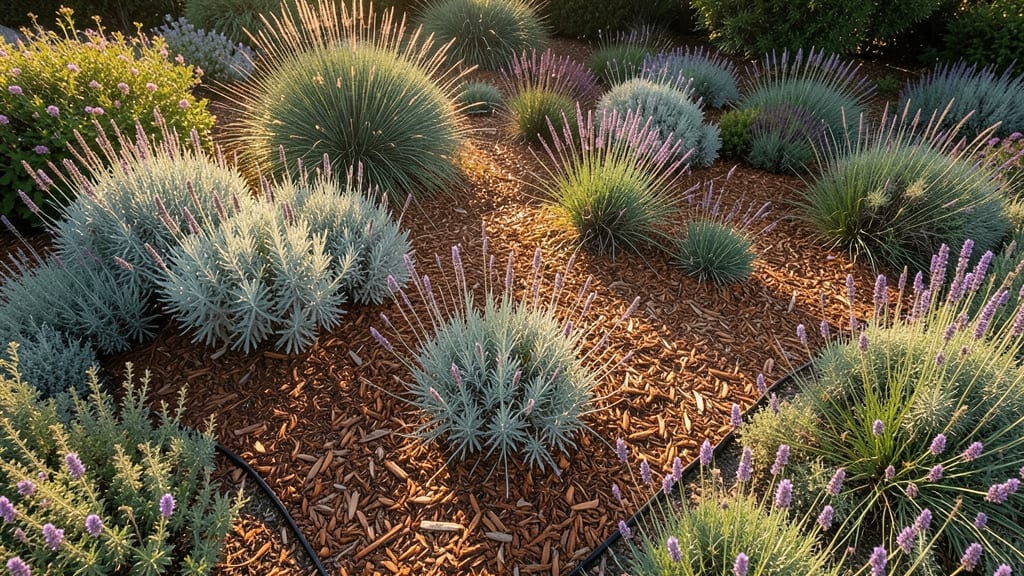
Southern California’s water restrictions make traditional lawns impractical—but that doesn’t mean sacrificing beauty. These 10 drought-proof alternatives deliver stunning landscapes, require minimal water, and thrive in SoCal’s climate while boosting curb appeal and biodiversity.
Native California Wildflower Meadows
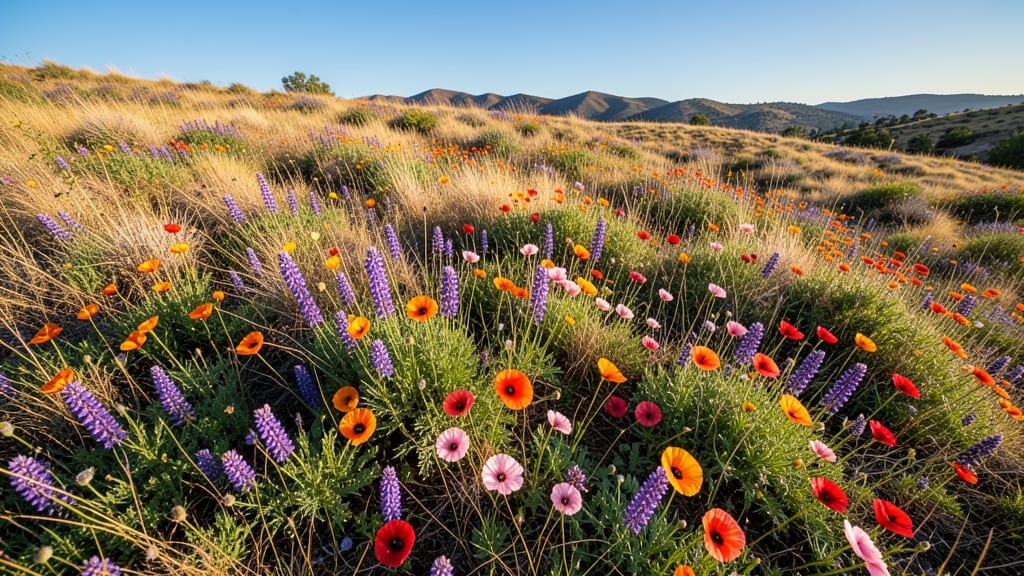
Imagine replacing your thirsty lawn with a vibrant, ever-changing tapestry of color that thrives on zero irrigation after the first year. Native California wildflower meadows transform open spaces into pollinator paradises while cutting water use by up to 90%. These meadows aren’t just beautiful—they’re ecological powerhouses that support bees, butterflies, and hummingbirds year-round.
Start by selecting a mix of drought-tolerant wildflowers like California poppies, lupines, and coreopsis, which bloom in succession from winter through summer. Prepare your soil by removing existing turf, then scatter seeds evenly in late fall or early winter when moisture is more reliable. After the first year, these plants establish deep roots and require no additional watering—just occasional mowing to control height. For best results, choose a sunny location with well-draining soil, and avoid fertilizers to preserve the natural ecosystem.
This alternative is perfect for homeowners with large yards, community gardens, or anyone looking to replace turf entirely. The seasonal blooms provide year-round interest, while the low-maintenance care makes it ideal for busy gardeners or those new to landscaping. 🌻
Drought-Tolerant Ground Covers
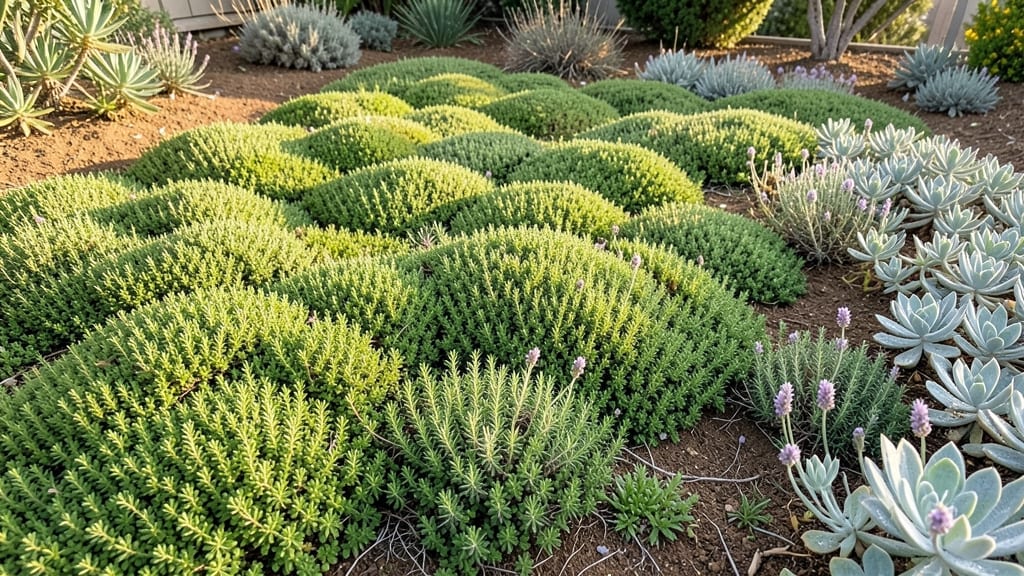
Tired of mowing water-guzzling grass that still looks patchy? Drought-tolerant ground covers like creeping thyme or ice plant create lush, soft "living carpets" that thrive on rainfall alone once established. These plants spread effortlessly to smother weeds, reduce soil erosion, and stay vibrant even in SoCal’s intense sun.
For slopes or high-traffic areas, opt for sedum or world’s-on-fire (which turns brilliant red in fall). Most need only monthly watering after the first year, and many—like creeping junipers—stay green year-round. Their fine textures also muffle noise, making them ideal for patios or play areas.
Perfect for beginners or busy homeowners, these ground covers eliminate mowing while adding color, texture, and resilience to your landscape. 🌿
Succulent and Cactus Gardens
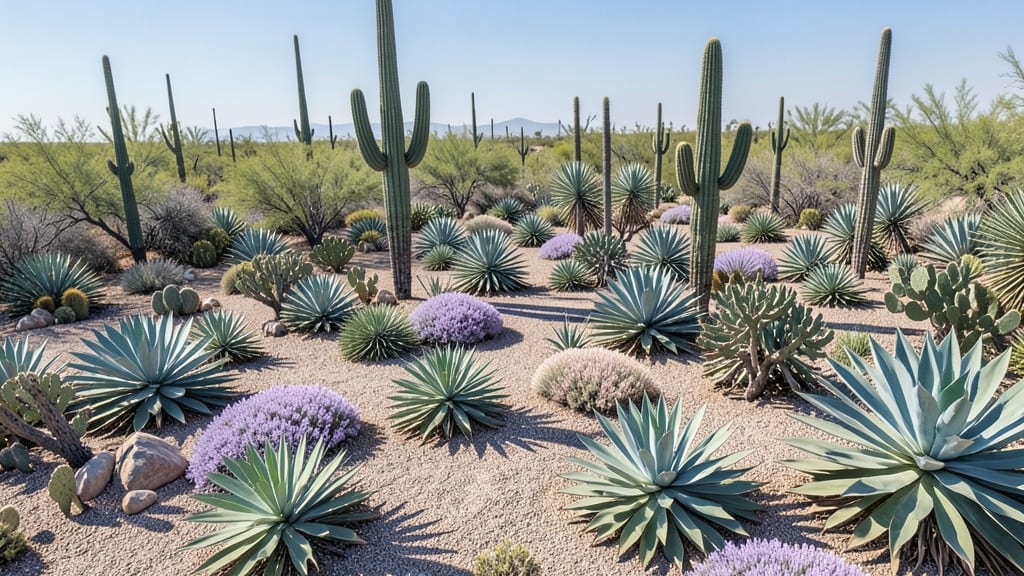
Skip the grass and embrace a zero-water wonderland with succulent and cactus gardens—where striking textures and bold shapes replace thirsty turf. These plants thrive in Southern California’s climate, demanding water only when they actually need it (think once every 2-4 weeks after establishment).
Design with agave for dramatic spikes, yucca for architectural height, or sedum for soft, trailing cascades. Group plants by water needs—agave and yucca are ultra-low-maintenance, while echeveria prefers slightly more moisture. Use gravel or decomposed granite as mulch to retain what little water they do need and deter weeds. 💡 Pro tip: Place them near patios or walkways to create a striking, low-water focal point.
This option is perfect for modern homes or urban gardens where you want high impact with minimal effort. Plus, their fire-resistant nature makes them a smart choice for SoCal’s wildfire-prone zones. 🌟
Artificial Turf with Permeable Surfaces
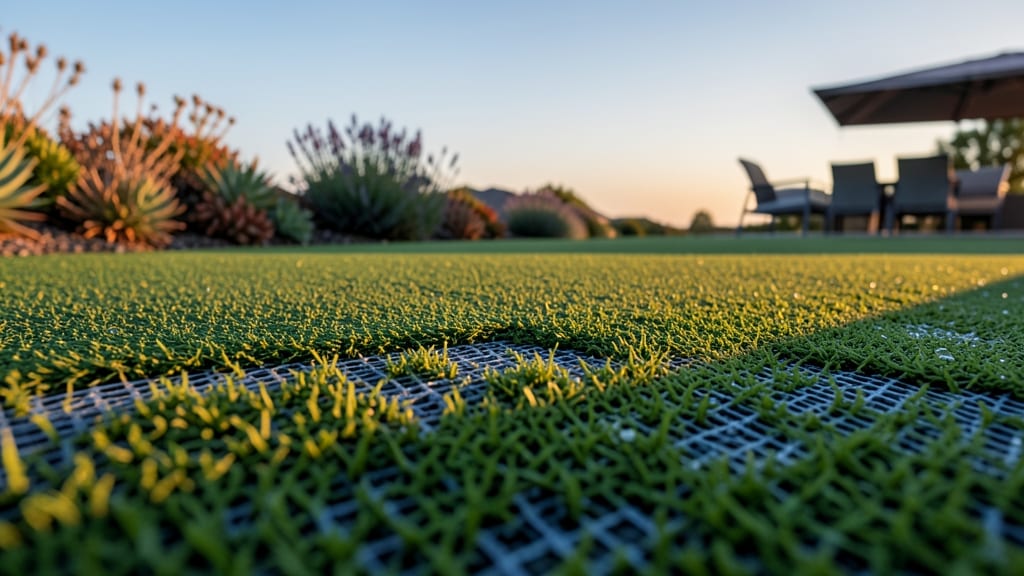
If you love the look of a lush green lawn but hate the water bills and maintenance, artificial turf with permeable surfaces is the perfect compromise. This high-end synthetic grass mimics real lawns while using 70% less water—ideal for Southern California’s drought-prone climate.
Look for permeable options that allow rainwater to drain through, reducing runoff and supporting local water conservation. Modern versions are soft underfoot, durable, and even pet-friendly, with UV-resistant fibers that stay vibrant year-round. Installation is faster than sod, and you’ll never need mowing or fertilizing.
This solution is best for homeowners who want the aesthetics of grass without the upkeep—or for HOAs requiring green spaces. Plus, it’s a great temporary fix while transitioning to native plants. 💚
Ornamental Grasses for Texture
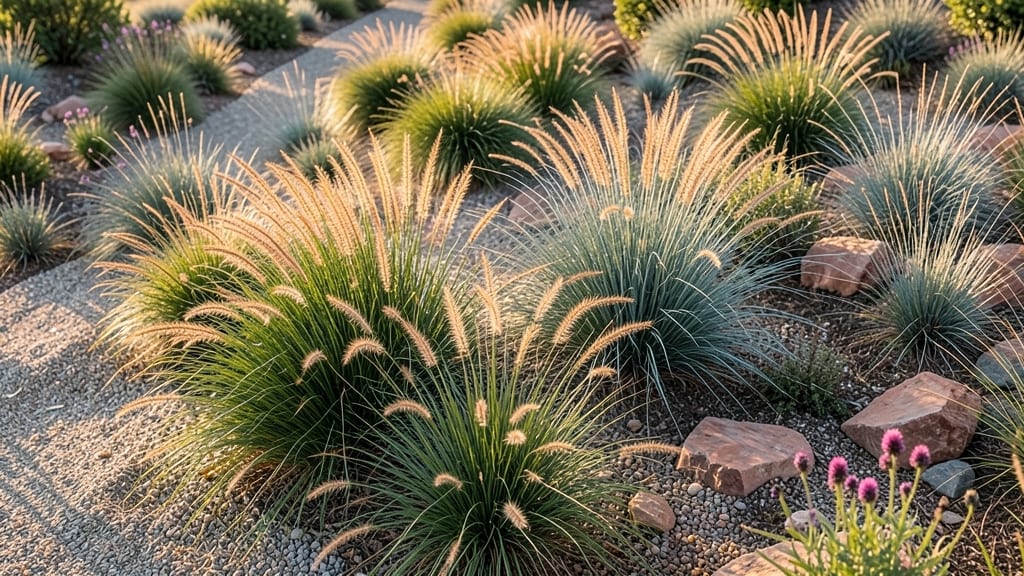
Tired of mowing the same old grass while watching your water bill climb? Ornamental grasses like fountain grass and California fescue offer effortless elegance with their swaying plumes and architectural forms—no lawnmower required.
These drought-resistant plants thrive in Southern California’s poor, rocky soil and only need occasional watering after their first year. Plant them in clusters for dramatic height or intersperse with succulents for a layered look. Their seed heads provide winter interest, while their airy foliage adds movement to still landscapes.
Perfect for urban gardeners or those with busy schedules, these grasses require almost no maintenance—just trim back dead foliage in early spring. They’re also fire-resistant, making them a safe choice for high-risk areas. 🌟
Drip Irrigation-Friendly Herb Gardens
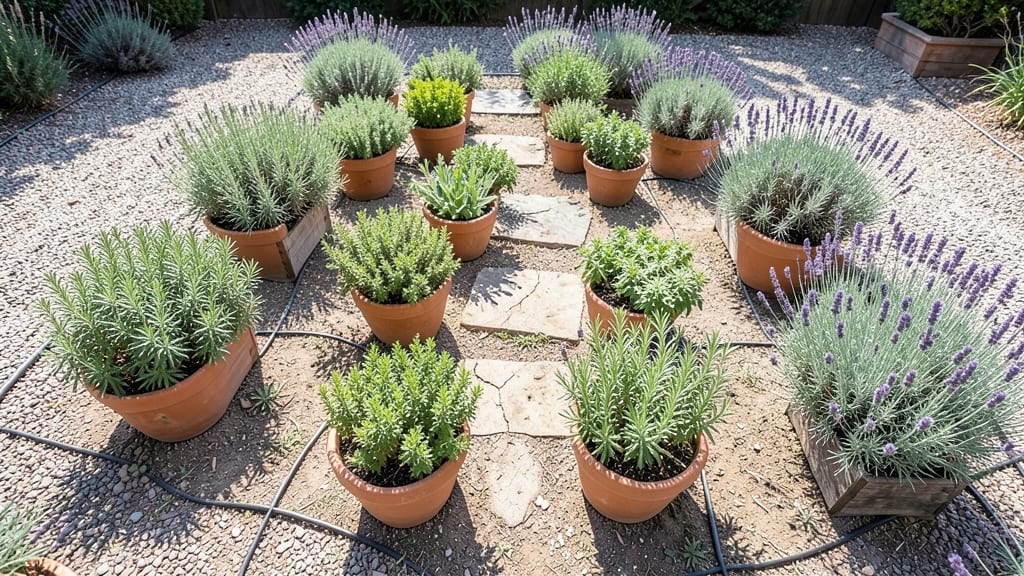
Turn your yard into a functional edible oasis with a drip irrigation-friendly herb garden—where every plant serves a purpose, from fragrant lavender to flavorful rosemary. This low-water solution replaces thirsty turf with aromatic, drought-tolerant herbs that thrive in Southern California’s climate while keeping your kitchen stocked with fresh ingredients.
Start with a herb spiral design to maximize sun exposure and water efficiency. Plant thyme along the edges (it loves dry conditions), rosemary in the sunniest spots (it’s drought-proof once established), and lavender near the center (it deters pests and attracts pollinators). Install drip irrigation lines at the base of each plant to deliver water directly to roots, reducing waste and encouraging deep growth. Mulch with wood chips or gravel to retain moisture and suppress weeds.
This approach is ideal for urban gardeners, beginners, or anyone craving a low-maintenance landscape that doubles as a spice cabinet. Plus, the intoxicating scents and vibrant colors make it a year-round showstopper—no mowing required. 🌿
Rock Gardens with Native Succulents
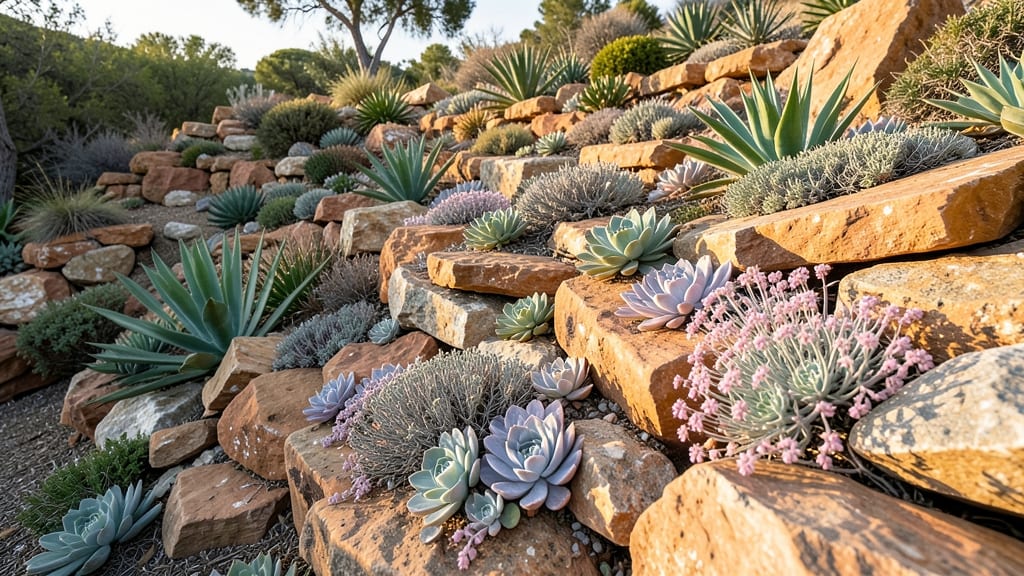
Turn your rocky or sloped yard into a stunning, water-wise feature with a rock garden packed with native succulents. This design thrives on Southern California’s terrain while requiring almost no irrigation—just the occasional rain shower to keep it lush.
Start by selecting drought-tolerant plants like sedum, penstemon, or California buckwheat, which pair beautifully with smooth river rocks or local field stones. Arrange larger rocks as a base layer for drainage, then nestle smaller stones around plants to create natural pockets. The key is layering textures—contrasting the rough edges of rocks with the soft, fleshy leaves of succulents.
This option is perfect for gardeners who love hands-off landscaping but still crave visual impact. Plus, it’s a magnet for pollinators like bees and butterflies, turning your yard into a mini desert oasis. 🌻
Climbing Vines on Trellises
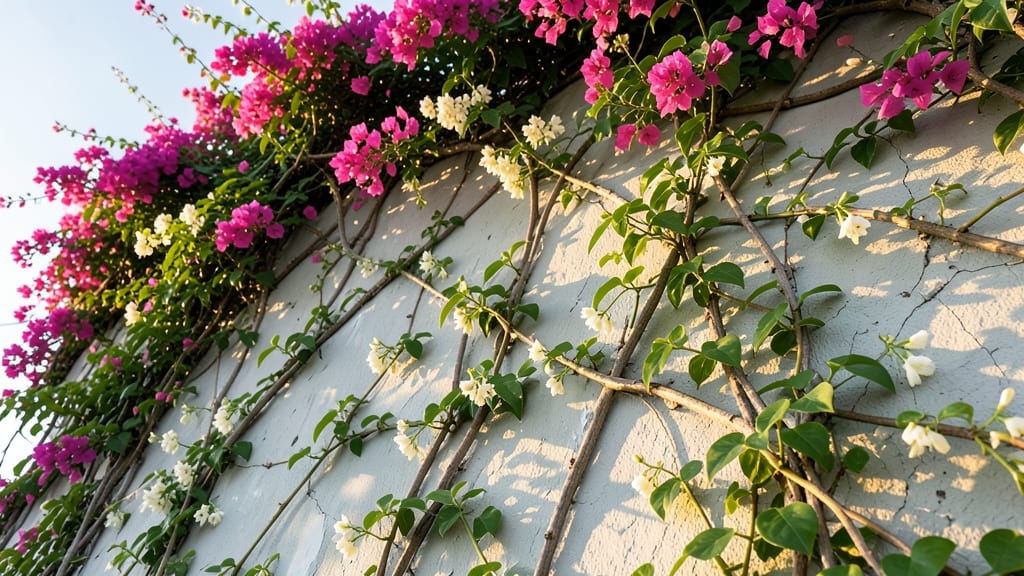
Transform bare walls or unsightly fences into lush vertical gardens with fast-growing vines like bougainvillea or jasmine—both thrive on minimal water while adding instant curb appeal. These vines are perfect for SoCal’s climate, offering vibrant blooms and fragrance without the upkeep of traditional lawns.
Install a simple trellis or lattice along your fence, and watch these vines climb within weeks. Bougainvillea loves full sun and drought conditions, while jasmine prefers partial shade and adds a sweet scent to your outdoor space. Prune lightly after flowering to encourage bushier growth, and you’ll enjoy year-round interest with almost no extra watering.
This solution is ideal for urban gardeners or anyone looking to maximize space without sacrificing beauty. Plus, it’s a great way to soften harsh lines in your landscape. 🌻
Drought-Resistant Shrubs for Privacy
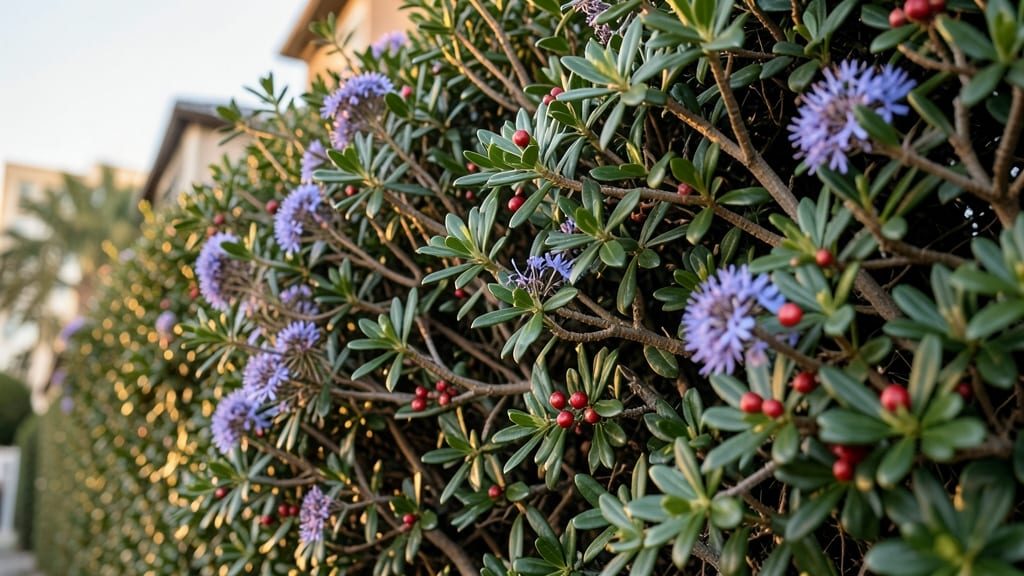
Block unsightly views or noisy neighbors without sacrificing curb appeal by planting evergreen shrubs that thrive on rainfall alone. Toyon (Heteromeles arbutifolia) and ceanothus (California lilac) create lush, dense hedges that stay green year-round while attracting birds and bees. Unlike thirsty turf, these shrubs establish deep roots quickly, making them perfect for SoCal’s dry climate.
For a fast-growing hedge, plant toyons 3-4 feet apart and prune lightly after flowering to encourage bushiness. Ceanothus prefers well-draining soil and blooms in stunning blues or purples in spring—just avoid overwatering, as they’re highly drought-tolerant. Both shrubs reach 6-10 feet tall, offering instant privacy within 2-3 years. Their glossy leaves also repel pests naturally, reducing the need for chemicals.
This solution is ideal for urban gardeners, homeowners with limited water access, or anyone tired of mowing. With zero summer watering required after establishment, these shrubs deliver beauty and function without the maintenance hassle. 💚
Rainwater Harvesting with Mulched Beds

Turn your garden into a water-saving powerhouse by pairing native plants with mulched beds—a dynamic duo that cuts evaporation and maximizes every precious drop of rainwater. This system works especially well in Southern California’s dry climate, where water conservation isn’t just practical—it’s essential.
Spread wood chips or gravel mulch (3-4 inches deep) around drought-tolerant plants like California buckwheat or deer grass to create a moisture-retaining barrier. The mulch shields soil from direct sunlight, reducing water loss by up to 50%, while also suppressing weeds. For best results, water deeply once a week during the first month to help roots establish, then taper to every 2-3 weeks once settled. This method also improves soil health over time by adding organic matter as wood chips decompose.
Perfect for urban gardeners, eco-conscious homeowners, or anyone tired of watering grass, this approach transforms your landscape into a self-sustaining ecosystem that thrives on nature’s rainfall. 💚