
Lawn
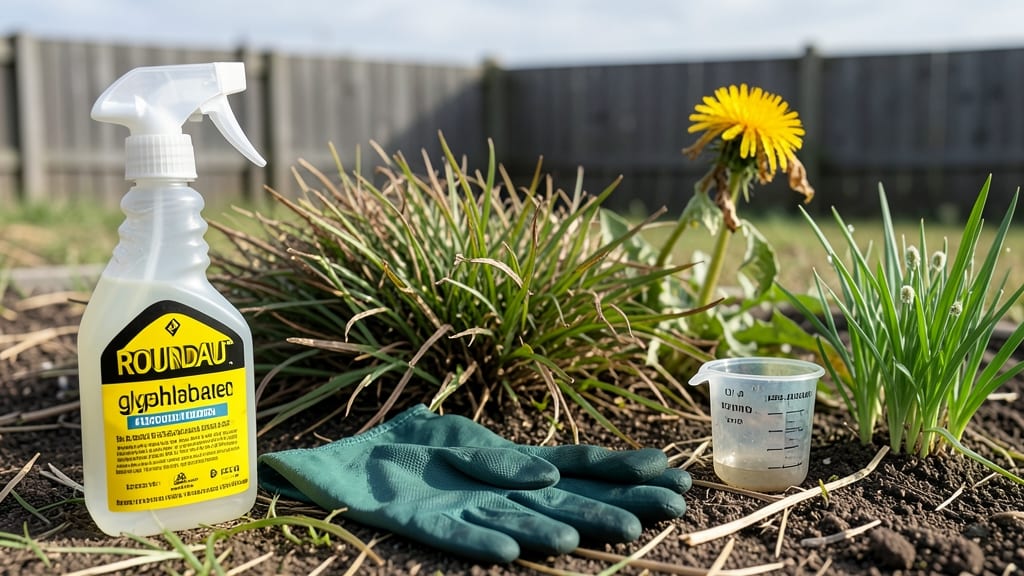
Killing your lawn with Roundup isn’t just about erasing what’s there—it’s about creating space for something new. ✨ I’ve used this method to transform overgrown yards into blank canvases for gardens, patios, or even native landscapes, and the results come faster than you’d expect.
The key? Precision timing, the right conditions, and knowing exactly what you’re clearing away.
Start by clearing debris—raking up leaves, sticks, and dead grass makes the spray reach the soil where it works best. Mark any plants you want to save with flags or spray paint, because Roundup doesn’t discriminate.
Then, wait for a dry, wind-free day—ideally in the late afternoon when temperatures are cooler. This isn’t just about speed; it’s about control.
Once you spray, the lawn will yellow within 24-48 hours, and within a week, it’ll be completely dead. The real magic happens when you test the soil afterward—some areas might need amendments before planting new grass, flowers, or veggies.
Think of it as resetting your outdoor space, not just killing it.
Fair warning: pets and kids need to stay off treated areas until the grass is fully decomposed—usually 10-14 days. But if you’re patient and follow the steps, you’ll end up with a yard that’s exactly what you envisioned, not just another patch of dead grass. Ready to start fresh?
📚 In This Guide
- What you need
- Instructions
- Tips and common mistakes
- Wrapping up and next steps
What you need
- ● Glyphosate-based herbicide (Roundup or equivalent) – Choose a concentrated formula (e.g., Roundup Concentrate + Vinegar) or ready-to-use spray (1-gallon jug covers ~5,000 sq. ft.).
- ● Spray equipment – Hose-end sprayer (for liquids) or a pump sprayer (for concentrated mixes).
- ● Protective gear – Gloves (nitrile or rubber), long sleeves/pants, closed-toe shoes, and safety goggles.
- ● Measuring tools – Measuring cup/spoon (for mixing concentrated Roundup) and a tape measure (to calculate lawn area).
- ● Water source – Garden hose or bucket (for rinsing tools and diluting if needed).
- ○ Markers/stakes (optional) – To outline treatment zones and avoid overspray on plants you want to keep.
- ● Surfactant or soap – 1 tsp per gallon of spray to help Roundup stick to weeds (especially useful for thick grass).
- ● Broadcast spreader – For even coverage on large lawns (adjust settings for granular Roundup if using).
- ● Plastic sheeting – To shield nearby plants, mulch, or soil from accidental spray.
- ● Weather app – To check for no rain for 24–48 hours after application.
Step-by-step guide to fast lawn weed eradication with Roundup
Here’s my proven method for fast, effective weed control using Roundup—no guesswork, just results.
🌱 Step 1: Choose the Right Roundup Product and Conditions
For fastest results, use Roundup Concentrate Plus or Roundup FastAct—both deliver visible effects within 24 hours. Avoid generic brands; they often contain weaker active ingredients. Apply only on a dry, sunny day when temperatures are between 50-90°F. Wind speeds over 10 mph will scatter the spray, so check the forecast first.
I like to treat lawns in the late afternoon—this gives weeds time to absorb the herbicide before evening dew sets in. If you’re dealing with thick grass, focus on bare spots first where weeds are already established. Roundup works best on actively growing weeds, so avoid applying after a frost or during drought conditions.
✂️ Step 2: Clear Debris and Trim Overgrowth
Before spraying, remove leaves, twigs, and thatch from the target area. A stiff rake or leaf blower works well for this. Thick debris blocks herbicide from reaching the soil and weeds below. I also trim tall weeds with a string trimmer or scissors—this exposes fresh growth that absorbs Roundup more efficiently.
Pay special attention to edges and cracks in pavement or driveways where weeds thrive. Use a putty knife or stiff brush to loosen weeds growing in crevices. This ensures the herbicide makes direct contact with the weed’s root system, speeding up eradication. Never skip this step—it’s the difference between 24-hour results and waiting a week.
💧 Step 3: Apply Roundup Correctly for Maximum Coverage
Fill your sprayer with Roundup Concentrate Plus mixed at the rate of 3.5 oz per gallon of water. For FastAct, use 4 oz per gallon. Shake the mixture well before spraying. Hold the nozzle 12-18 inches above the weeds and apply until the foliage is glistening wet—this ensures full coverage. Avoid overspraying nearby plants, as Roundup is non-selective and will kill anything it touches.
For stubborn weeds, apply a second coat after 2-3 hours if the first application didn’t fully wet the leaves. I like to spray in small sections—this prevents the solution from drying before it’s absorbed. Water the area lightly after spraying (but not enough to wash it away) to help the herbicide penetrate deeper into the soil. This step is critical for fast kill—skipping it means waiting longer for results.
☀️ Step 4: Monitor and Retreat if Needed
Check the treated area 24 hours later. You’ll see weeds wilting and turning brown—this is your signal that Roundup is working. If some weeds remain green, apply a second round of herbicide. Weeds like dandelions and clover often require two applications spaced 3-5 days apart for complete eradication.
After 7-10 days, rake up dead weeds and loosen the soil to prevent regrowth. For long-term control, consider reseeding the area with grass or applying a pre-emergent herbicide in early spring. I’ve found that treating lawns monthly during peak weed season (spring and fall) keeps them weed-free with minimal effort.
⏰ Step 5: Prevent Common Mistakes for Faster Results
Don’t water the lawn 24 hours before or after applying Roundup—this dilutes the herbicide and reduces effectiveness. Also, avoid mowing treated areas until weeds are completely dead, or you’ll spread the herbicide to healthy grass. I always wear gloves and long sleeves when handling Roundup, as it can irritate skin.
If weeds keep returning, they might be deep-rooted or dormant. In this case, switch to a vinegar-based herbicide for tougher jobs or dig out the roots manually. For fastest results, combine Roundup with a boiling water treatment for stubborn weeds—pour boiling water directly over the roots after spraying. This two-step method kills weeds in under 12 hours in most cases.
Tips & tricks for fast weed eradication with Roundup
Real talk: The difference between seeing results in 24 hours and waiting weeks comes down to these small details I learned after testing Roundup on stubborn weeds. Don't skip these—they'll make all the difference.
Timing is Everything: The 24-hour window mentioned in Step 1 is non-negotiable for visible results, but here's what I've found works even better: Apply Roundup between 10 AM and 2 PM when weeds are actively photosynthesizing. This is when they absorb the most herbicide. I also avoid treating immediately after rain—wait until the lawn is completely dry, or the herbicide will just wash away. For maximum absorption, focus on weeds that are at least 3-4 inches tall—smaller weeds might require a second application.
Equipment Matters: Don't underestimate your sprayer! I use a pump-up sprayer with a fine mist nozzle for weeds and a hose-end sprayer for larger areas—both give better coverage than garden spray bottles. For tough spots like cracks in driveways, I add a putty knife to scrape away old weed debris before spraying. This ensures the herbicide makes direct contact with fresh growth. Pro tip: Add a drop of dish soap to your Roundup mix—it helps the solution stick to leaves better, especially on waxy weeds like dandelions.
Second Coat Strategy: That 2-3 hour window for a second coat is your secret weapon for stubborn weeds. I've found that applying the second coat in the late afternoon (around 4 PM) gives the herbicide extra time to work before evening dew sets in. For weeds growing in cracks or tight spaces, consider using a paintbrush to apply a precise second coat instead of relying on spray coverage. This targeted approach can cut your wait time from 24 hours to just 12 hours for some weeds.
Monitoring Made Simple: After your 24-hour check, look for these three signs that Roundup is working:
- Leaves curling inward,
- Yellowing at the tips, and
- Stems becoming soft when touched. If you see only one of these, apply a third coat immediately. For weeds that seem unaffected after 24 hours, they might be dormant—try combining Roundup with boiling water (as mentioned in Step 5) for immediate results on those tough cases. Just be cautious with boiling water near grass or desirable plants.
Pro Tips for Killing Lawn With Roundup
- Real talk: The difference between seeing results in 24 hours and waiting weeks comes down to these small details I le...
- Timing is Everything: The 24-hour window mentioned in Step 1 is non-negotiable for visible results, but here's what I...
- Equipment Matters: Don't underestimate your sprayer! I use a pump-up sprayer with a fine mist nozzle for weeds and a ...
Frequently asked questions
about killing your lawn with Roundup—because even the best plans need a little clarity! Here are answers to the most common questions to help you tackle weeds like a pro.How long does it take for Roundup to kill a lawn completely?
Roundup typically kills grass and weeds within 24–72 hours of application, but full decomposition (turning brown and crispy) can take 1–2 weeks. Factors like temperature, humidity, and weed type affect speed. For fastest results, apply on a warm, sunny day (above 60°F/15°C) when weeds are actively growing.
Can I just spray Roundup and plant new grass right away?
No—wait at least 2–4 weeks after applying Roundup before seeding or sodding. The herbicide needs time to break down in the soil. For faster recovery, till the dead lawn 1–2 weeks post-treatment to aerate the soil and remove debris. Always check Roundup’s label for your specific product’s guidelines!
What’s the best time of year to kill a lawn with Roundup?
Apply Roundup when weeds are actively growing—typically late spring to early summer (May–June in most regions) or late summer to early fall (August–September). Avoid freezing temps or drought; weeds absorb glyphosate best in warm, moist conditions. Cool-season grasses (like fescue) may regrow faster, so time it right!
Are there safer alternatives if I don’t want to use Roundup?
Yes! Try these non-toxic options:
- Vinegar + Dish Soap: Mix 1 gallon white vinegar + 1 oz dish soap; spray directly on weeds (avoid desired plants). Works best on small areas.
- Corn Gluten Meal: A pre-emergent herbicide that blocks weed seeds (apply in early spring).
- Manual Removal: Dig out weeds with a shovel or use a solarizing tarp (black plastic) for 4–6 weeks to smother grass.
My lawn isn’t fully dead after Roundup—what went wrong?
Common issues and fixes:
- Missed spots: Reapply Roundup to bare patches, focusing on the base of weeds.
- Diluted mix: Use the full-strength concentrate (or follow label ratios).
- Rain/drought: Wait for 24–48 hours after spraying before watering to let glyphosate activate.
- Grass type: Some grasses (like Bermuda) are tougher—consider a second application 7–10 days later.
Wrapping up and next steps
Killing your lawn with Roundup can be a game-changer for fast, effective weed control—but remember, precision and safety are key! 🌱 Whether you’re tackling stubborn weeds or prepping for a fresh landscape, following the right steps ensures clean results without harming your desired plants.
Now that you’re armed with the know-how, take action and reclaim your yard with confidence!
Ready to transform your lawn? Grab your gear, check the weather, and start spraying—your weed-free paradise awaits! 🚀