
Plants
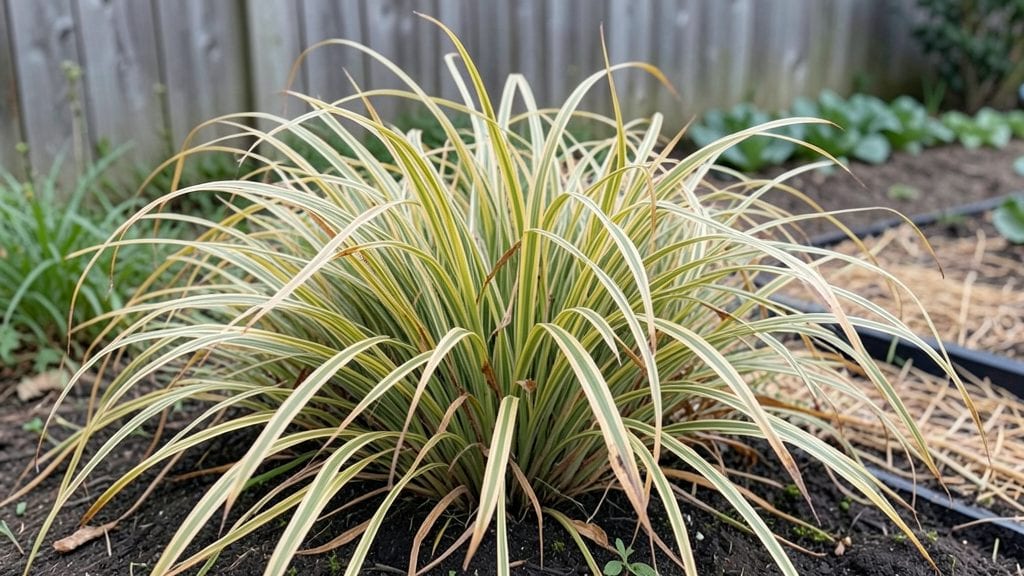
Growing Japanese variegated grass 🌿 unlocks a shade garden that stays stunning all year—no matter how little sunlight your yard gets.
Picture this: a golden cascade spilling over a rocky border in spring, turning lush green with cream stripes by summer, then softening to bronze in winter. That’s the magic of this ornamental grass, which thrives where most plants give up—and it’s half the work of fussy annuals.
If you’ve ever struggled to keep shade gardens vibrant, this is your game-changer. We’ll cover the exact soil mix, watering schedule, and pruning tricks to keep those variegated leaves crisp, plus how to pair it with hostas and ferns for a no-fuss understory.
By the end, you’ll know how to plant it for maximum impact—whether you’re tucking it into a container or letting it spill over a slope—so your garden stays lively even when the sun takes a break.
How Japanese variegated grass Adds year-round color to shade gardens
If you’ve ever struggled to find plants that thrive in shady gardens while still offering year-round visual appeal, Japanese variegated grass (Hakonechloa macra) is your game-changer.
This ornamental grass isn’t just a filler—it’s a seasonal color machine, shifting from golden hues in spring to deep green with cream stripes in summer and subtle bronze tones in fall and winter. Its variegated foliage makes it perfect for low-light spaces where most plants fade away.
The secret lies in its arching, cascading growth habit and light-reflecting leaves, which create movement and texture even in the quietest corners of your garden.
Unlike ferns or hostas that may struggle under partial shade, this grass flourishes with minimal care, making it ideal for busy gardeners or those with challenging light conditions.
Plus, its compact size (18-24 inches tall) means it fits seamlessly into borders, containers, or as a solitary statement piece.
| Season | Color Shift | Garden Impact | Care Tip |
|---|---|---|---|
| Spring | Golden-yellow foliage | Brightens dark corners, contrasts with emerging perennials | Prune dead growth in early spring to encourage new shoots |
| Summer | Deep green with cream stripes | Adds texture to shade gardens, pairs well with ferns and astilbes | Water deeply 1-2x weekly; avoid overhead watering |
| Fall | Bronze and copper tones | Creates warm focal points, complements autumn foliage | Reduce watering gradually to prep for winter dormancy |
| Winter | Subtle green-gray hues | Provides structure and interest when other plants fade | Mulch lightly to protect roots from freezing temperatures |
What truly sets Japanese variegated grass apart is its adaptability to shade. While it can handle morning sun, its variegated leaves are sensitive to intense afternoon rays, which can cause sunburn.
This makes it ideal for east-facing beds or areas under dappled tree canopy, where other shade-loving plants might struggle. The cream stripes on its leaves act like tiny reflectors, bouncing light around and making your garden feel brighter—even in the dimmest spots.
In spring, the golden-yellow foliage emerges like a sunburst, signaling new growth and adding a pop of color to gardens that might otherwise feel dull.
By summer, the leaves mature into deep green with striking cream stripes, creating a dynamic visual contrast that pairs beautifully with hostas, heucheras, or hydrangeas.
This is also the time to divide clumps if your plant has outgrown its space—simply dig up the crowns and replant them for free propagation.
As fall arrives, the grass undergoes another transformation, shifting to bronze and copper tones that blend seamlessly with maple leaves or smoke bush foliage. This seasonal change ensures your garden stays visually engaging long after summer blooms have faded.
Unlike annuals that require replanting, this perennial grass delivers effortless color with zero extra work. Even in winter, when most plants retreat, its subtle green-gray hues provide structure and texture, preventing your garden from looking bare.
The variegation isn’t just for show—it’s a survival strategy. The cream stripes contain less chlorophyll than the green parts, so they photosynthesize less efficiently. This means the plant grows more slowly in hot, direct sun, reducing the risk of sun scorch in partial shade.
For gardeners in USDA Zones 5-9, this trait makes it a low-stress, high-reward choice, as it tolerates cold snaps and humidity without fuss.
To maximize its year-round appeal, pair it with complementary shade plants like Japanese painted fern (Athyrium niponicum) or foamflower (Tiarella cordifolia). The arching habit of the grass also creates movement, which is especially noticeable in windy gardens.
For a modern look, try grouping it with black mondo grass (Ophiopogon planiscapus 'Nigrescens') for a striking contrast. In container gardens, combine it with ivy or sweet potato vine to soften edges and add vertical interest.
One of my favorite ways to use this grass is as a spiller in hanging baskets. Its trailing stems create a cascading effect that’s perfect for porches or patios where shade is an issue.
Just ensure the container has drainage holes and use a well-draining potting mix to prevent root rot. In ground plantings, space clumps 12-18 inches apart to allow for air circulation and future growth.
Over time, you’ll notice how it fills in gaps naturally, reducing the need for mulch or ground covers.
If you’re worried about maintenance, don’t be—Japanese variegated grass is one of the lowest-maintenance shade plants you can grow. It rarely needs fertilizing (a light application of 10-10-10 in spring is enough), and pruning is minimal.
Simply cut back dead fronds in early spring before new growth emerges, and you’re done. Unlike some ornamental grasses that flop or brown in heat, this variety stays neat and tidy with proper care, making it a true workhorse for shade gardens.
For those in cooler climates, this grass is hardy down to Zone 5, meaning it can handle snow and frost without protection. In warmer zones (8-9), it may stay green year-round, though growth slows in winter.
The key to long-term success is consistent moisture—deep watering once a week is usually sufficient, but mulching helps retain soil moisture and suppress weeds. Avoid overwatering, as soggy soil can lead to root rot, especially in containers.
In summary, Japanese variegated grass is the ultimate shade garden MVP. Its seasonal color shifts, adaptability to low light, and minimal care requirements make it a must-have for any garden—whether you’re a beginner or a seasoned pro.
By incorporating it into your design, you’ll enjoy year-round interest with zero compromise on beauty or ease. Give it a try, and watch your shady spots transform into vibrant, living art! 🌿✂️🌳
Top 5 Japanese variegated grass varieties for different shade conditions
Not all shade is created equal, and neither are all Japanese variegated grasses. If your garden has dappled sunlight, deep shade, or even bright indirect light, there’s a perfect variegated grass variety to elevate it.
These ornamental grasses thrive where many plants struggle, offering year-round texture and color contrast with minimal effort. Let’s explore the top 5 varieties that excel in different shade scenarios, from morning sun to full shade.
Each variety brings unique foliage patterns, growth habits, and light tolerance, making them ideal for specific garden conditions. Whether you’re filling a woodland garden, lining a shady pathway, or adding height to a container arrangement, these grasses deliver visual impact without demanding full sun.
Below, I’ve compared their key traits to help you choose the perfect match for your space.
Comparison Table: Japanese Variegated Grass Varieties for Shade
| Variety | Light Tolerance | Height (Mature) | Hardiness (USDA Zone) | Care Tips |
|---|---|---|---|---|
| Hakonechloa macra 'Aureola' | Partial shade to bright indirect light | 12–18 inches | 5–9 | Water consistently; prune in early spring to maintain shape |
| Hakonechloa macra 'Albo-variegata' | Deep shade to partial shade (tolerates low light) | 10–15 inches | 5–9 | Protect from strong afternoon sun; mulch to retain moisture |
| Hakonechloa macra 'Sunfire' | Partial shade with morning sun (best for filtered light) | 12–18 inches | 5–9 | Fertilize lightly in spring; avoid waterlogging |
| Hakonechloa macra 'All Gold' | Partial shade to light shade (needs some light) | 12–18 inches | 5–9 | Trim dead fronds in late winter; avoid overwatering |
| Hakonechloa macra 'Feather Plume' | Partial shade with dappled sunlight (ideal for woodland gardens) | 10–14 inches | 5–9 | Plant in groups for best effect; protect from wind |
For bright indirect light, Hakonechloa macra 'Aureola' is my top pick. Its golden-yellow variegation shines brightest when it receives 3–6 hours of filtered sunlight, making it perfect for east-facing gardens or spots near sheer curtains of trees.
This variety is also drought-tolerant once established, so it’s ideal for low-maintenance landscapes. Just be sure to water deeply but infrequently to prevent leaf scorch.
If your garden is deep shade, Hakonechloa macra 'Albo-variegata' is a game-changer. Its creamy-white stripes stand out against dark foliage or mulch beds, adding visual contrast where other plants fade.
This variety thrives under tree canopies or along north-facing walls, where it gets little to no direct sun. To keep it looking its best, mulch annually to lock in moisture and avoid overwatering, which can cause root rot.
Looking for a mid-range option that handles morning sun? Hakonechloa macra 'Sunfire' delivers bold orange-gold hues that intensify in cooler months. It’s hardier than 'Aureola' and tolerates slightly drier conditions, making it a versatile choice for border plantings or container gardens.
Pair it with hostas or ferns to create a textural contrast that pops in partial shade.
For containers or small spaces, Hakonechloa macra 'All Gold' is a compact powerhouse. Its uniform golden foliage brightens shady corners and balconies while requiring minimal space. This variety is less fussy about light than others