
Lawn
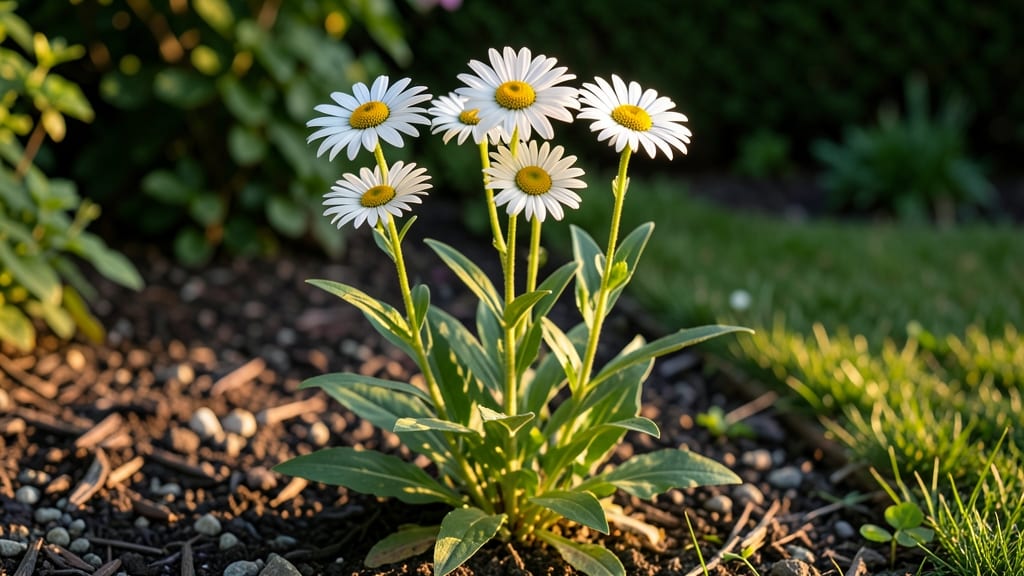
Daisies in the lawn transform dull green into a shockingly lush meadow of white, pink, and yellow blooms that last from spring through fall—and sometimes even winter. 🌼 I used to think daisies were just weeds, but after adding them to my own yard, I realized they’re the secret weapon for low-maintenance beauty that thrives on neglect.
The best part? They outcompete weeds, require almost no fertilizer, and attract pollinators like crazy.
You can plant them three ways: direct-sow seeds in early spring or fall, pop in nursery plugs for instant color, or even overseed existing lawns where grass is thin. The soil doesn’t need to be perfect—just well-draining—and once established, they handle drought like champs.
My neighbor’s lawn stays green all summer with zero watering, while mine gets a little crispy but always bounces back by autumn.
Mowing becomes effortless because daisies grow at the same pace as grass, so you don’t have to adjust your schedule. And when winter fades, they’re the first flowers to pop up, signaling that spring is on its way.
The only real maintenance is deadheading spent blooms to encourage more flowers, but even that’s optional if you love the rustic, natural look.
Perfect for sunny spots, daisies adapt to almost any lawn—whether you’re reviving tired turf or just want to add a touch of whimsy. They’re tough enough for kids and pets, too, so you won’t have to worry about bare spots or toxic chemicals. Let’s get those seeds in the ground!
Hidden Triggers Behind Wildflower Spread
Daisies may seem like cheerful, low-maintenance additions to your lawn, but their sudden appearance—especially in unwanted patches—often stems from specific, science-backed triggers. Understanding these causes helps you control their growth or even harness their beauty intentionally.
Let’s break down the key factors that turn your lawn into a daisy paradise (or a battleground).
Daisies (Bellis perennis and others) spread primarily through seeds, which can lie dormant in your soil for years—sometimes up to a decade—waiting for the right conditions to germinate. Here’s how it happens:
- Wind and Wildlife: Lightweight daisy seeds hitch rides on breezes or cling to animals, birds, and even garden tools, scattering across your lawn. A single plant can produce 150+ seeds per year, ensuring widespread colonization. 🌬️
- Dormant Seed Banks: Old lawns, especially those with compacted or disturbed soil, harbor seed reserves. Activities like aeration, tilling, or even heavy foot traffic can wake them up, triggering a mass germination event. Think of it like a seed "time bomb" in your soil. ⏳
- Mowing and Disturbances: Cutting grass too short exposes bare soil, giving seeds the sunlight and warmth they crave to sprout. Actionable fix: Mow at 3–4 inches to shade out weeds and reduce germination triggers.
Daisies thrive in moist but well-draining soil, making them opportunistic invaders when your lawn’s water balance tips. Here’s the science:
- Overwatering or Poor Drainage: Daisies love consistent moisture but despise waterlogged roots. If your lawn has clay soil or low-lying areas that retain excess water, daisies exploit these pockets. 💦 Test your soil: Dig a 6-inch hole; if water pools after 30 minutes, drainage is the issue.
- Drought Stress in Grass: When your turfgrass struggles (due to heat, drought, or poor soil), daisies seize the opportunity. They germinate faster in thin or stressed grass because they outcompete weaker plants for resources. 🌞
- Fertilizer Imbalance: Too much nitrogen (common in fast-release fertilizers) fuels grass growth but can suppress daisy growth temporarily. However, low phosphorus (a key nutrient for root development) makes grass vulnerable, giving daisies an edge. Fix: Use a balanced 10-10-10 fertilizer in early spring to strengthen turf.
Daisies are sun-loving plants, but their spread often correlates with changes in your lawn’s light exposure. Here’s why:
- Newly Exposed Soil: When trees, shrubs, or structures are removed, sunlight hits bare patches, triggering daisy seeds to germinate. Even partial shade (like from new plantings) can create microclimates where daisies thrive. 🌳
- Thinning Grass Canopy: If your lawn has bare spots (from disease, pests, or foot traffic), daisies rush in to claim the space. Pro tip: Overseed thin areas in fall to outcompete weeds before they establish.
- Seasonal Light Changes: In early spring, longer daylight hours signal daisies to germinate aggressively. Preemptive action: Apply pre-emergent herbicide in late winter (before seeds sprout) to block their growth cycle. ⏰
Daisies are cool-season weeds, meaning they germinate and grow best in 50–70°F temperatures. Their life cycle syncs with seasonal shifts:
- Spring and Fall Peaks: These are the prime germination windows because soil temps and moisture align perfectly. Watch for: Sudden daisy sprouts after the first warm rain in spring. 🌧️
- Heat Stress on Grass: Summer drought weakens turfgrass, leaving gaps for daisies to invade. Solution: Water deeply 1–2 times per week to keep grass resilient during heatwaves.
- Frost Sensitivity:**
While daisies tolerate light frost, severe freezes can kill them—but only if they’re young. Mature plants (with deep roots) often survive winter, regrowing from the same root system in spring. Target weak spots: Hand-pull daisies in early spring before they rebound.
Revive Your Lawn’s Bright Spots
Daisies may bring cheerful color to your lawn, but if they’re popping up where you don’t want them—or if your grass is struggling to compete—it’s time to take action. The good news? With the right approach, you can manage them effectively while keeping your lawn lush and low-maintenance.
Below, we’ll tackle common issues and provide practical, step-by-step solutions tailored to each cause, plus tips to prevent future headaches.
If your lawn is dominated by daisies and sparse grass, the problem is likely competition for resources. Daisies thrive in open spaces, while grass struggles to establish roots when shaded or outcompeted.
How to Fix It:
- 🔥 Mow Higher (But Not Too High) Set your mower to 3–4 inches to encourage deeper grass roots, which outcompete weeds. Tall grass also shades soil, slowing daisy seeds from germinating.
- 👨🍳 Overseed in Fall Daisies spread fastest in thin lawns. Broadcast overseed with a high-quality grass seed blend (like fine fescue or Kentucky bluegrass) when temperatures cool. Water lightly but daily for 2–3 weeks to help seeds germinate.
- 🌡️ Fertilize Strategically Use a slow-release, nitrogen-rich fertilizer (like 24-0-4) in early spring and fall. Daisies hate dense grass—healthy turf crowds them out naturally.
💡 Pro Tip: If daisies are in patches, spot-treat with a corn gluten meal pre-emergent in early spring to prevent seeds from sprouting.
If daisies persist in specific areas, targeted removal is key. Pulling them by hand works for small patches, but for larger infestations, a selective herbicide (one that kills broadleaf weeds but spares grass) is more efficient.
How to Fix It:
- 🔪 Hand-Pull Early Grab daisies before they flower (when they’re young and easy to remove). Use a weed puller or fork to avoid damaging grass roots.
- 🍳 Apply Herbicide Carefully Choose a grass-safe herbicide like 2,4-D or triclopyr (e.g., Ortho Weed B Gon). Follow label instructions—never apply if rain is forecasted within 24 hours. For best results, treat on a cool, calm day.
- 🌱 Fill the Gap After treating, reseeds the area with grass seed and top with a thin layer of compost. Keep soil moist until new grass sprouts.
✨ Bonus: For organic control, vinegar-based sprays (1 gallon vinegar + 1 oz dish soap) can kill daisies, but they’re non-selective—use only on driveways or sidewalks.
The best offense is a healthy, dense lawn. Here’s how to keep daisies in check long-term:
- 🎯 Improve Soil Health Test your soil’s pH (ideal: 6.0–7.0 for most grasses). Amend with compost or lime if needed to encourage strong grass growth.
- 💪 Water Deeply, Less Often Daisies love shallow, frequent watering. Instead, water deeply 1–2 times per week to encourage deep grass roots.
- 🌡️ Mow Regularly (But Not Too Short) Keep grass at 3–4 inches—taller grass blocks sunlight, which daisy seeds need to germinate.
- 🔄 Aerate Annually Compacted soil lets weeds thrive. Aerate in fall to improve root growth and reduce daisy opportunities.
Final Thought: Daisies aren’t all bad—they add charm and attract pollinators! But if they’re taking over, combine cultural fixes (mowing, seeding, fertilizing) with targeted treatments for the best results. With a little effort, your lawn can stay green, dense, and full of intentional beauty—not just wildflowers.
Frequently asked questions
What’s the best time of year to plant daisies in my lawn?
For fastest results, plant daisy seeds or plugs in early spring (after the last frost) or early fall (6-8 weeks before your first frost). These periods give roots time to establish before summer heat or winter cold. Fall planting is ideal because cooler temps reduce stress, and spring rains help germination.
How do I keep daisies from spreading everywhere if I want them?
Deadhead spent blooms regularly to prevent seed production, or let them go to seed in one designated area. For contained growth, choose shorter varieties like 'Tiny Tidy' or plant in raised beds with edging. If they spread too much, hand-pull young plants before they flower and establish deep roots.
Will daisies survive in full sun or shade?
Most daisies thrive in full sun (6+ hours daily), but some varieties like 'White Swan' tolerate partial shade (3-6 hours). For shady lawns, choose shade-tolerant types and plant in the sunniest spots available. Remember: daisies need sunlight to bloom profusely, so full sun areas will show the most vibrant color.
Can I use daisies to replace my entire lawn?
Many gardeners create daisy meadows by overseeding with wildflower mixes containing daisies. This approach requires less mowing and attracts pollinators. For a full conversion, remove existing grass first (sod or tilling), then plant daisy seeds densely. Expect 3-4 inches of growth
Are daisies pet-safe for dogs and cats?
Yes! Daisies are non-toxic to pets, making them a safe choice for family lawns. While they won't harm your animals, always monitor for excessive ingestion (like eating large quantities of any plant). The roots are particularly safe, so even curious diggers won't face risks. Just ensure you're not using herbicides that could be harmful.