
Lawn
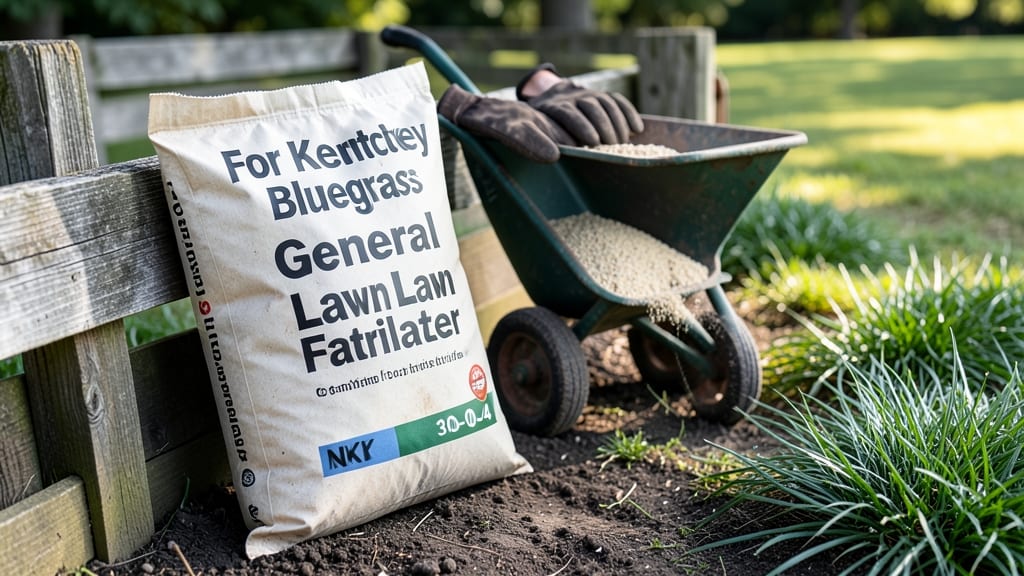
Lawn food isn't the same as fertilizer—it blends nutrients with weed killers, soil conditioners, and sometimes seed or lime to nourish grass roots while fixing other issues at once. Fertilizer delivers just the core nutrients: nitrogen, phosphorus, and potassium.
Lawn food works like a multivitamin for your grass—it doesn't just feed it but also addresses hidden problems like weeds or compacted soil. 🌱 While standard fertilizer boosts immediate growth with nitrogen, lawn food often includes slow-release nutrients and soil amendments that improve long-term health.
Think of it as the difference between a quick energy drink and a balanced meal that keeps you going all day.
For example, if your lawn has yellow patches, a simple nitrogen fertilizer might temporarily green it up, but lawn food could include iron supplements to fix the deficiency while also treating crabgrass before it sprouts.
The extra ingredients make lawn food more expensive upfront, but it often means fewer separate treatments over time.
Most gardeners reach for lawn food when they want a one-stop solution—especially for new lawns or areas with persistent weed pressure. I've found it particularly useful in spring when grass needs both nutrients and weed prevention to establish strong roots before summer heat sets in.
💡 In This Article
- Core Differences Between Lawn Food and Fertilizer
- When to Use Lawn Food vs Fertilizer for Best Results
Core differences between lawn food and fertilizer
Lawn food stands out because it's essentially a fertilizer with added ingredients designed to tackle multiple lawn issues simultaneously.
While standard fertilizer delivers the core nutrients—nitrogen (N) for leaf growth, phosphorus (P) for root development, and potassium (K) for disease resistance—lawn food often includes iron supplements (to fix yellowing grass) and sulfur (to adjust soil pH). This combination creates a more comprehensive solution than fertilizer alone. 🌱
The most noticeable difference lies in the inclusion of pre-emergent herbicides in many lawn food products, which prevent weed seeds from germinating. For example, a typical lawn food might contain 0.5-1.0% pre-emergent alongside 10-15% nitrogen, while a basic fertilizer would have just the nitrogen.
This herbicide component is what makes lawn food particularly effective for spring applications when weeds are most aggressive. Additionally, some formulations include soil conditioners like humic acid or mycorrhizal fungi to improve soil structure and nutrient uptake.
Another key distinction is the nutrient ratio presentation. Fertilizers are often labeled with simple NPK ratios (like 20-10-10), while lawn foods may specify additional elements such as calcium, magnesium, or zinc. These micronutrients help grass absorb the primary nutrients more efficiently.
For instance, a lawn food might list NPK 16-4-8 + 5% iron + 2% sulfur, showing its broader nutritional profile compared to a straight fertilizer's NPK 24-0-4 focus on growth stimulation.
Let's consider what happens when you apply each to your lawn. Fertilizer delivers a quick nutrient boost—you'll see greener grass within days—but it doesn't address underlying soil issues.
Lawn food, however, works on multiple levels: the nutrients feed the grass, the herbicides suppress weeds, and the soil amendments improve long-term health. This is why lawn food often produces more noticeable results over 4-6 weeks rather than the immediate 2-3 week response you'd get from fertilizer alone.
Here's where the science gets interesting: lawn food products often use slow-release nitrogen sources like sulfur-coated urea, which breaks down gradually over 8-12 weeks. This extended release prevents the rapid growth spurts that can make grass more susceptible to pests and diseases.
In contrast, quick-release fertilizers provide an immediate but shorter-lived boost. The trade-off? Lawn food typically costs 20-30% more per pound than standard fertilizer, but the added benefits often justify the expense for homeowners dealing with multiple lawn challenges.
Consider this real-world example: If you're dealing with a new lawn that's struggling with both weeds and poor soil, applying lawn food in early spring provides both immediate nutrients and long-term weed prevention.
The iron helps correct any chlorosis (yellowing) from poor soil conditions, while the pre-emergent keeps crabgrass at bay. You'd need to apply separate products for each of these benefits with standard fertilizer.